Acting
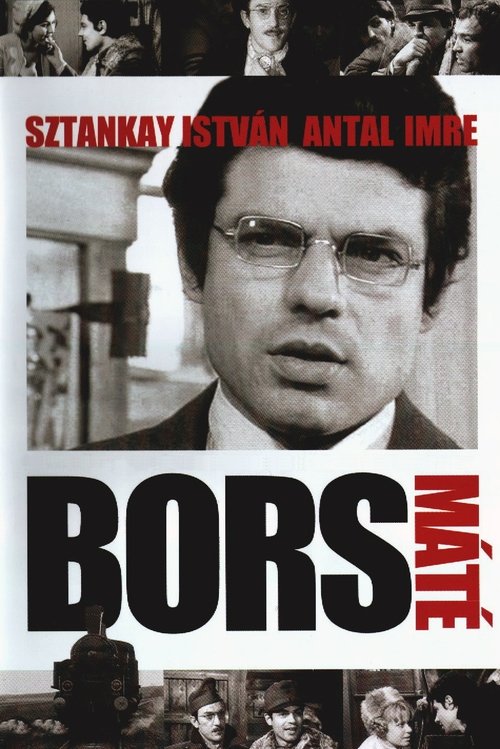
Five old men and a kid are travelling in a train's cabin without purpose. They travel because it's free and they don't have another place to stay. From their conversations we learn the tragedies of their lives. Also the hidden interlockings of their faith will out slowly.
No description available.
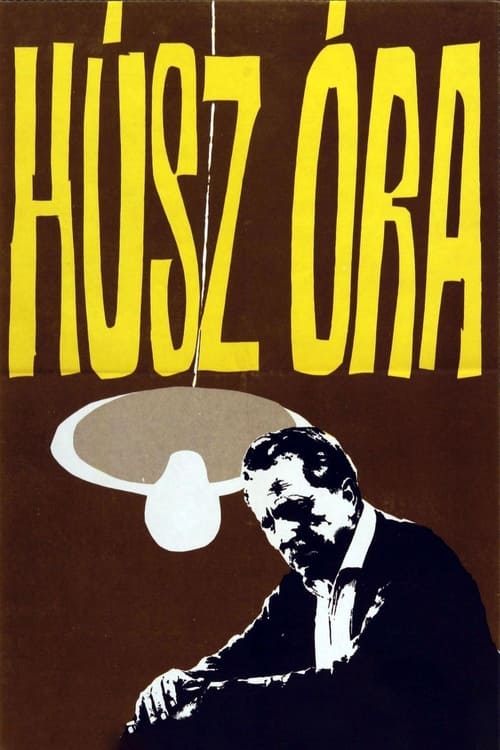
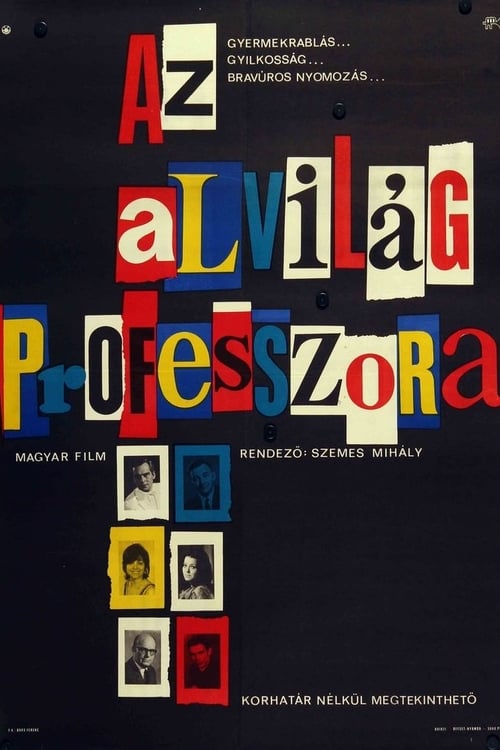
A crusading newspaper reporter covers the Soviet invasion of Hungary in 1956. Initially critical of the communists, the feature later espouses the virtues of the social changes implemented since the invasion. The title refers to the period of time the reporter spent interviewing witnesses to the invasion.
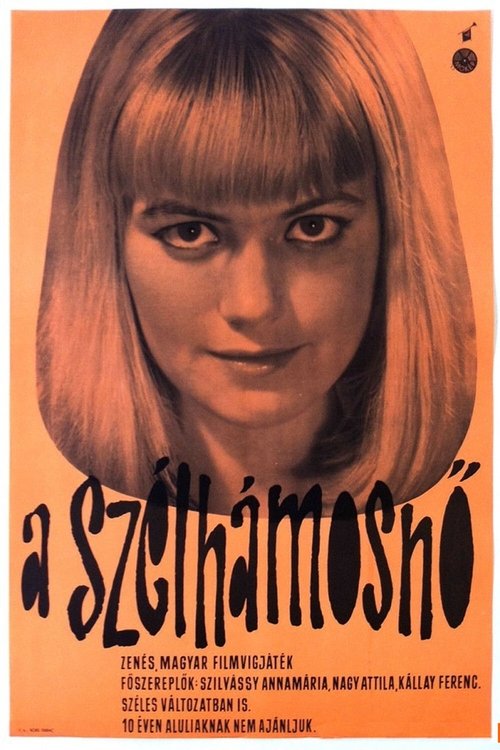
Éva, the pretty housekeeper is preparing to take an entrance exam at the Faculty of Law. In addition to this, she also has energy to arrange the day-to-day matters of the committee of tenants. Soon, she discovers that her beauty and cocksure behaviour finds its way not only at the exam, but in the mazes of bureaucracy, too. She helps get trade licences, flat allocations, and shop premises for those in need.
A funny story about Hungarian boys and girls and their adventures in the summer camp.
A Bors egy 1968-ban készült fekete-fehér, 15 részes magyar kalandfilmsorozat.
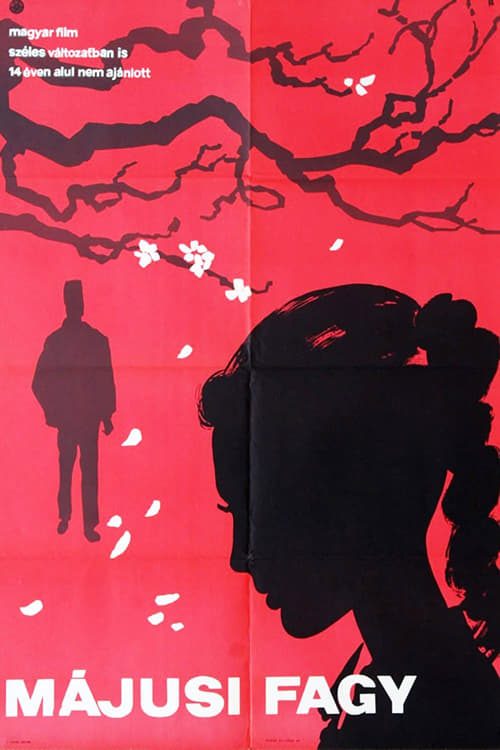
The movie tells about the relationship between young people who love each other. Young Mishka's family works on a construction site in Budapest, and on weekends they come home to their village on the Great Plain to relax and have fun. It is here that the young man meets Klari. He learns that Klari is his fellow villager, although she also works in Budapest. They arrange to meet the following weekend. Mishka is truly in love. Clarie is too, but she doesn't dare to admit to him that she has been unfaithful.
A farce written by the king of pulp fictioni in Hungary Rejtő Jenő
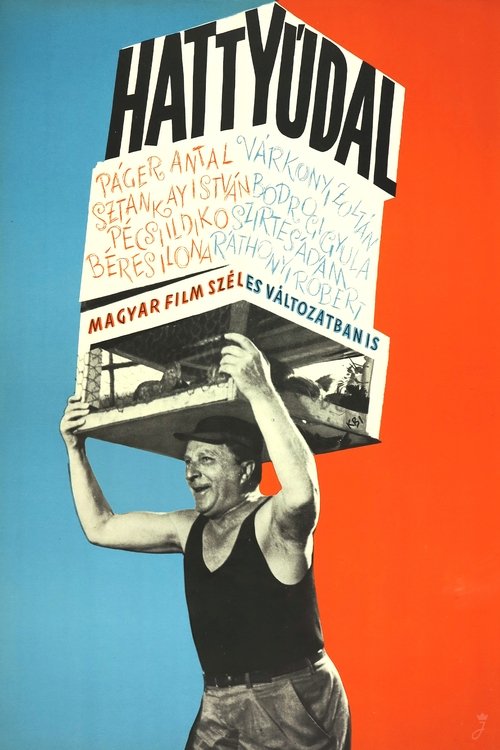
A past world is revived in the little cottage in the outskirts, next to the housing blocks under construction. Tamburás, the old hobo collects swerved youth: Diák, who desires freedom, the bus driver who is deprived of his license for having run over someone, and the rest. They have got an easy and unbound life there, with constant music, small thefts, occasional labour, tricks.
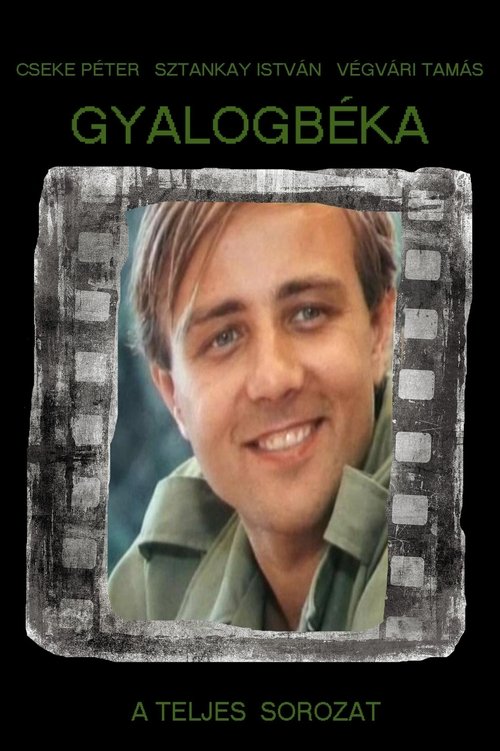
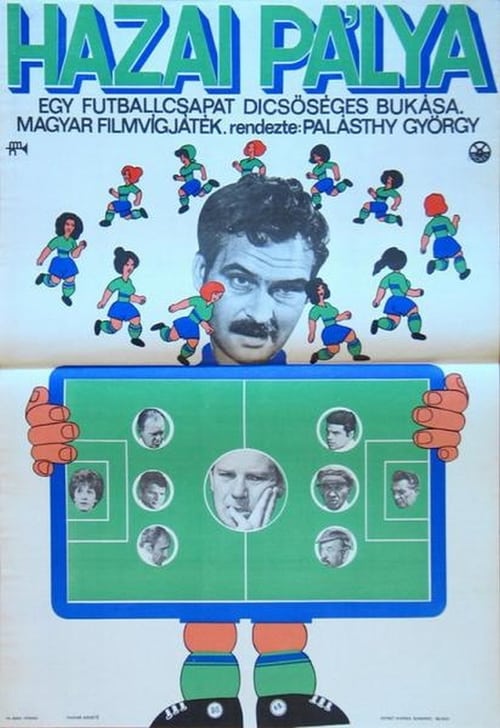
This ironic comedy is set in the god-forsaken Kiskúnbékás, at the end of the fifties. There are no jobs, the town's "golden team", who once were third class national soccer players have scattered
The film depicts the period between 1945-60 through the life of a communist couple. Barna Judit, just released from a concentration camp and Horváth László, with an illegal past are brought together by the communist movement. They study and make plans together in the hope of a future that will make sense. The marriage they just entered, however, gets ruined soon by the events of history.
Végh Márta, the teacher is looking for her student Vadász Ica in the Buda villa, but she only finds the tenant, Mrs. Paár - dead. The investigation reveals that Mrs. Paár was murdered for an invaluable stamp, the "Fake Isabella".
Lohmann's son is kidnapped. The un-known kidnappers get a thirty-thousand-jewel from the West German millionaire as ransom. The eager police lieutenant-colonel, Gálffy finds that the traces lead to a mysterious, elegant blonde, who is naturally a brunette.
A grey-haired man walks through the fields. Fatigued, but with the same tenacity he roams the roads, the pathways, the tracks every day, medical bag in hand. Everyone awaits him: desperate or in hope, to the dying or to the woman in labour. He is the local GP. In fact, he is film director Imre Gyöngyössy’s father, the protagonist of one of his first short films. The personal narration based on the director’s poem is made complete by the pictures of Sándor Sára and István Gaál who were also active at Balázs Béla Studio at that time.