Directing
Gaylene Preston is a New Zealand filmmaker.
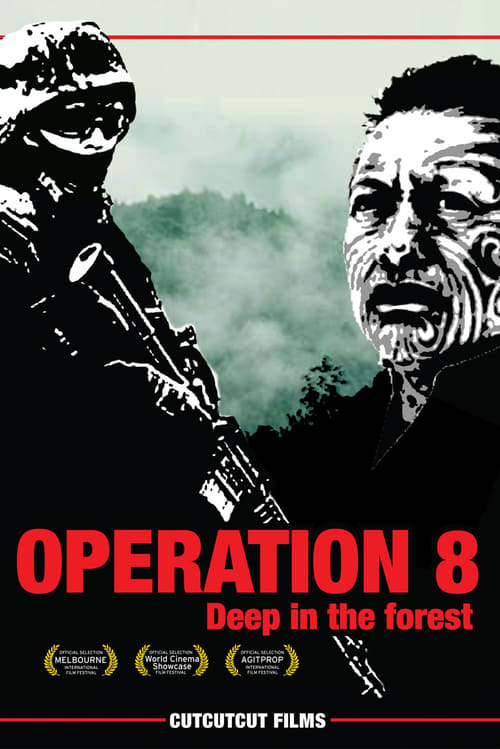
Operation 8 examines the so-called 'anti-terror' raids that took place around New Zealand on October 15, 2007 - asking how and why they took place and at what cost to those targeted.
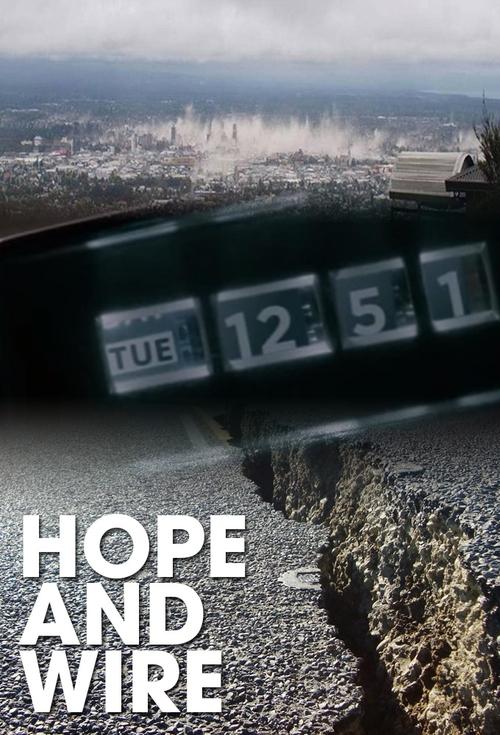
Hope and Wire is a dramatized edition of what happened to a group of New Zealanders after the 2010 Christchurch earthquakes telling the "real story". They didn't need any extra drama, Christchurch survivors know that.
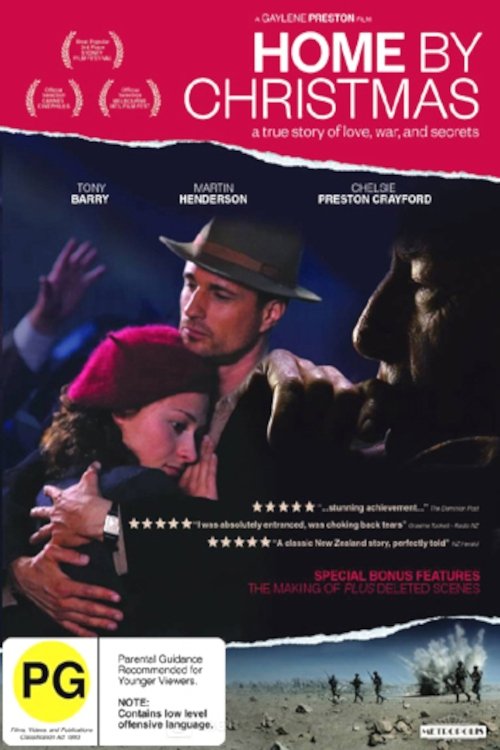
A remarkable memoir of resilience, determination and love.Based on filmmaker Gaylene Preston's interviews with her father about his World War II experiences, reconstructed with actor Tony Barry as Ed Preston. Weaving strands of poetic imagined drama, and archival footage into the interview, Preston presents both sides of her parents' wartime marriage: the horror and hardship of battlefield and prison camp juxtaposed with the loneliness and grief of a young wife struggling with a newborn baby and a husband declared missing.Ed Preston, on his way home from rugby practice in 1940, joins the New Zealand Army to go to World War II. His new wife, Tui, is pregnant and distraught, but he tells her not to worry, he'll be home by Christmas. And so he is - four years later - after escaping from a prison camp in Italy. But while Ed is away, Tui has fallen in love with another man.
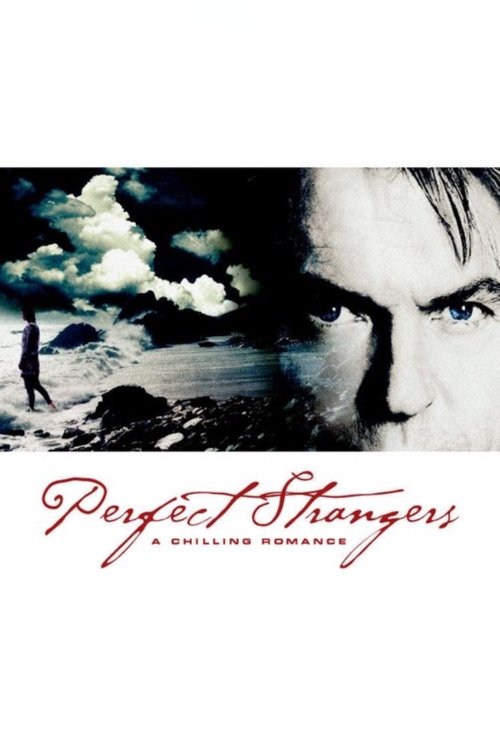
When Melanie goes home from the pub with a handsome stranger, she’s captivated by his charm and attentiveness. He sails her away to his ‘castle’- a rundown shack on a deserted island. But when seduction becomes deception and passion becomes possession, Melanie realizes that she has been kidnapped. Torn between fear and desire, Melanie must escape – but her ardent admirer has other plans.
When Celeste needs some alone time, she watches back episodes of her favourite soap operas. At times the lines between reality and fantasy becomes a little blurred.
Jess has a unique style and the confidence to show her creations to the world. With a penchant for fashion, a cereal box creation enables Jess to take a brave step on the catwalk.
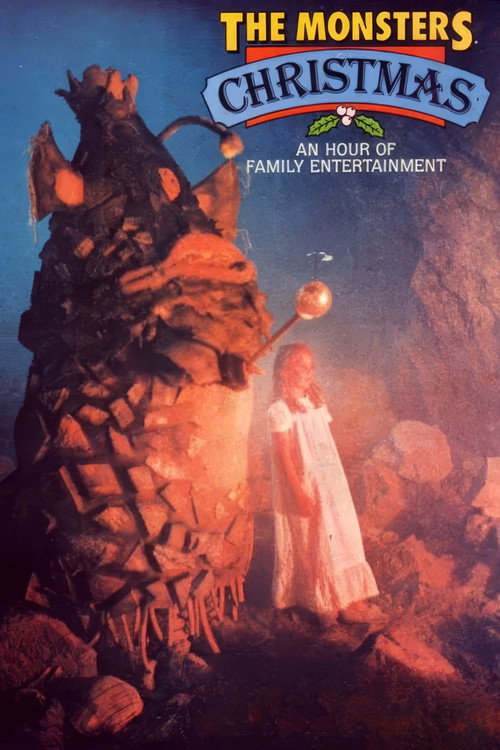
On Christmas Eve, a nameless little girl reads 'The Monster's Christmas' storybook to her teddy bear, as something sneaks around in the trees outside her window. She hears a noise in the other room, and thinking that it's Father Christmas, she goes to investigate. She finds one of the monsters, who has come seeking help to defeat an evil witch that has stolen all the monsters' voices.
Ruby, an 83 year old trying to dodge a retirement home, rents a room to Rata, a solo mum with sidelines in music and benefit fraud. Rata's son is into arson and shoplifting, while Ruby's nephew is a hapless yuppie wannabe. Marginalised by the deregulated economy of the '80s and living on their wits, they may just find common cause despite themselves.
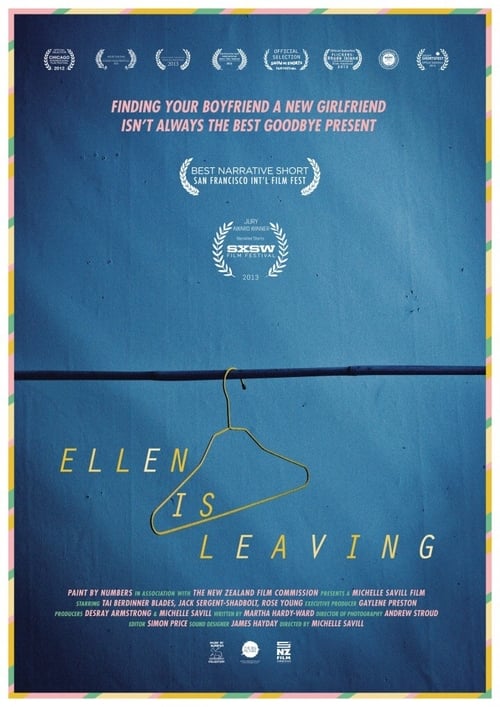
On the eve of departing overseas Ellen makes the fateful decision to gift her boyfriend a new girlfriend.
A small town woman, fresh to the city, buys a used Jaguar haunted by the ghost of a woman who was slain in it.
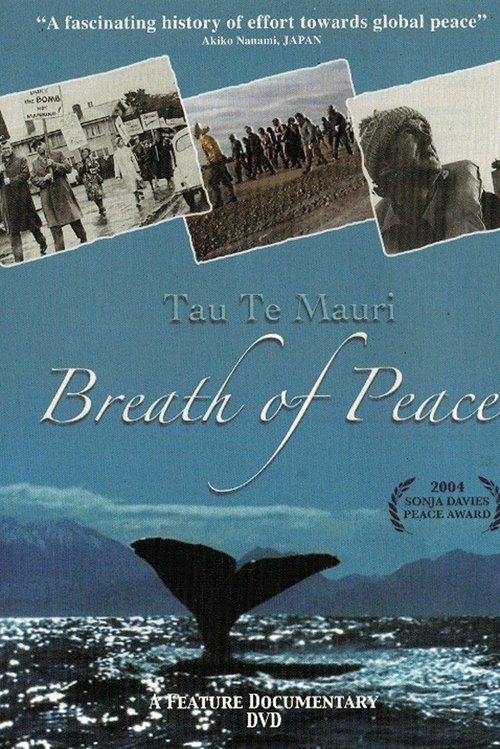
A fascinating story of effort towards global peace, featuring eight peace people of Aotearoa New Zealand – spanning some seven decades – peacewalkers, petitioners, and folk in small boats and on the surfboards sailing out into the harbours in the face of huge warships. A unique documentary, bedded in the movement of aihe (dolphins), tohora (whales), kotuku (white herons), toroa (albatross) and with an original score blending contemporary waiata and traditional Maori musical instruments.
With unique access to high-ranking candidate Helen Clark, filmmaker Gaylene Preston casts a wry eye on proceedings as the United Nations chooses a new Secretary General.
Making of documentary on the set of New Zealand's first epic Utu (1983), working with little money and dealing respectfully with matters of cultural protocol. Merata Mita discusses complex issues of inter-cultural conflict.
Based upon the life of activist and trade unionist (and later MP) Sonja Davies. The film covers her life up to 1956, when, at age 33, she was elected to the Nelson Hospital Board. During this period she develops strong socialist beliefs, marries and divorces, at age 17 trains as a nurse, has a romance (and a child) with an American marine who is killed in WWII action. She battles tuberculosis and marries a former boyfriend when he returns from the war. She becomes part of a women's ill-fated campaign to save the Nelson railway line from closure and begins to be elected to political bodies.
Colin is the deputy principal of a city high school (Avondale College, Auckland) who reluctantly applies for the principal's job on the latter's retirement. Colin's wife, Elizabeth - who is losing interest in him -gives a dinner party. Among the guests is Judy, temporarily reconciled with her husband for the sake of the children. Colin - who has taken upon jogging to combat a spreading waistline - and Judy, gradually enter into an affair.
Seven New Zealand women speak about their lives during World War II: some lost husbands, some got married, some went into service themselves. The director lets the women tell their stories simply, alternating between them talking and archival footage of the war years.
This Kaleidoscope documentary timed in with the release of Nicholas Reid’s book A Decade of New Zealand Cinema. The book cherrypicked Reid's favourites from the renaissance in local movies that began with Sleeping Dogs in 1977. Reid and a who’s who of local filmmakers discuss many of the 50+ features from the previous decade (with Bruno Lawrence ever present). They ponder the uniqueness (or otherwise) of Kiwi film. A fondness for rural and small town settings, and forceful, often conflicted, male leads is explored. Neglected areas — Māori film and more of a voice for women — are traversed.
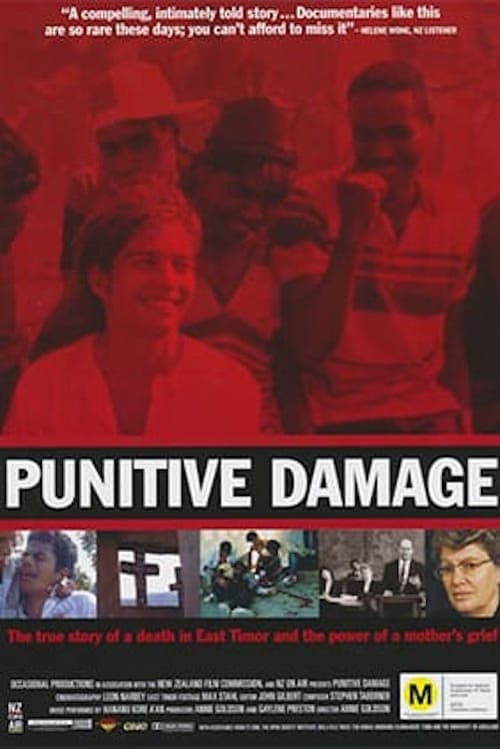
The story of New Zealander Helen Todd's law suit against an Indonesian general that she pursued after her son, Kamal, was shot dead in the Dili massacre in East Timor.
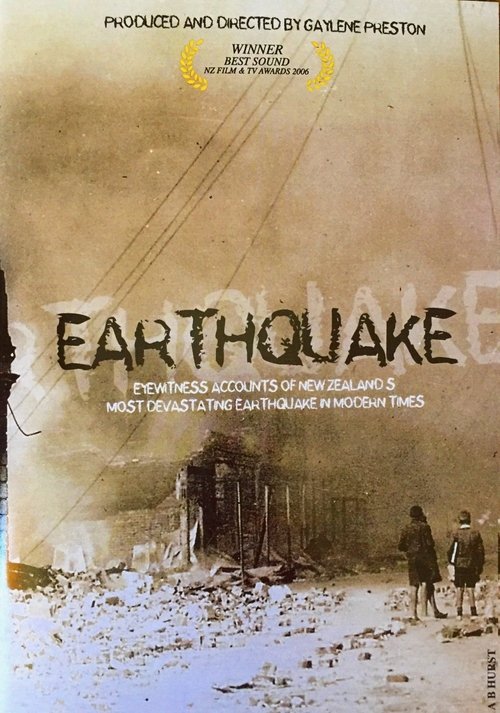
The Hawke’s Bay earthquake was New Zealand’s worst civil disaster. Over 250 people died following the 7.8 quake on 3 February 1931. In this full-length documentary, director Gaylene Preston (Hope and Wire) gathers eyewitness accounts from survivors, including kuia Hana Lyola Cotter, who recounts joining the rescue effort as a teen, poet Lauris Edmond, and a student from Greenmeadows Seminary. Included is eye-opening newsreel footage of the damage. Earthquake was nominated for Best Popular Documentary at the 2006 Qantas TV Awards; it won best sound at the NZ Screen Awards.
Gaylene Preston's documentary on writer Keri Hulme — filmed two years after Hulme shot to global fame thanks to her Booker Prize-winning novel The Bone People — is both a poetic travelogue of Ōkārito (the township she lived in for 40 years), and a sampler-box of musings on Hulme's writing process, whitebait fishing, the supernatural, and the 1200 pages of notes for her next novel, the elusive Bait. Leon Narbey's camerawork is aptly alert to the magical qualities of the coast, from the resident kōtuku to the surf and birdsong peppering Hulme’s crib.