Acting
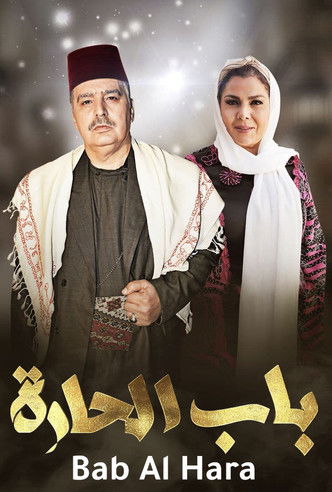
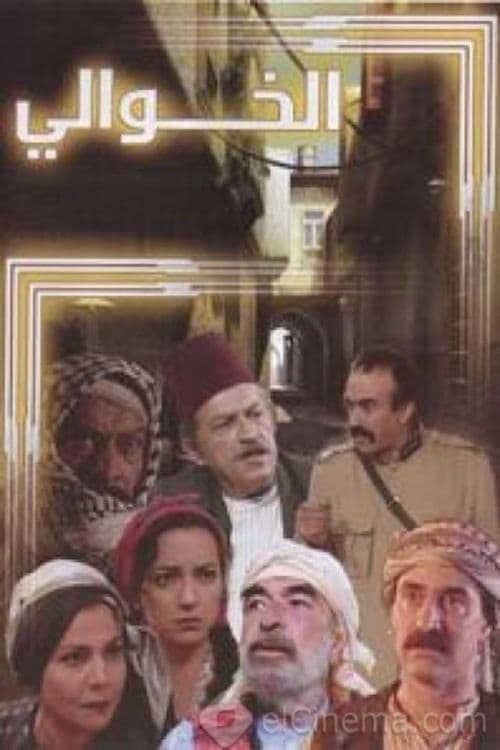
A modern classic of Arab television. A social drama set in the 1920s in Damascus- It highlights Damascene life, noble values, and ancient customs and traditions represented by the people of Harat al-Dabeh who fled to Harat al-Salihiyah after the French bombed Harat al-Dabeh. The events take place after the gold is stolen from the house of the cloth merchant Abu Ibrahim, and the guard Abu al-Samu is killed. The men of the neighborhood try to find the thief.
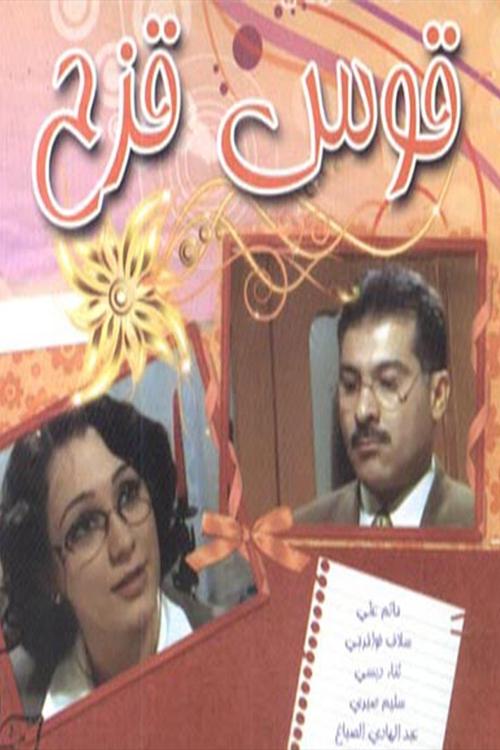
The story of four young men who were high school classmates. Despite the differences in their understanding of life, their work and their tendencies, they somehow share something in common, as their destinies intersect to tell a story about love, friendship and the double standards of morality.
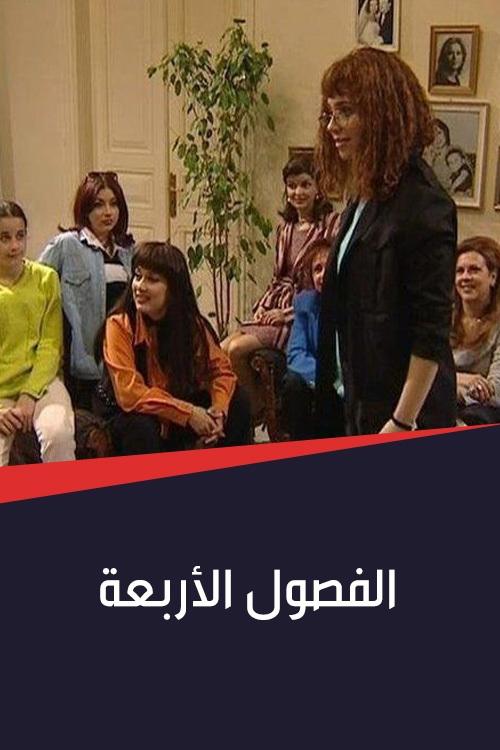
The story of a family consisting of a father who is about to retire, his wife who works as a seamstress, and their four children who are in various grades of school, shedding light on the challenges that each of them faces.
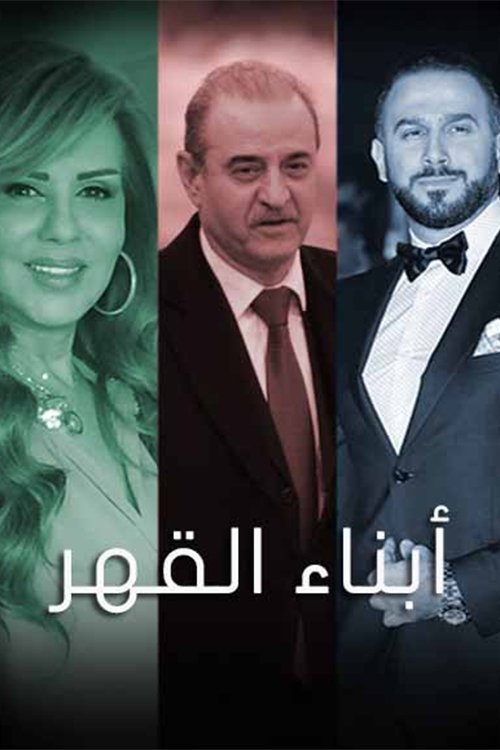
The Halaby family works in trade. When the father decides to write all his property over to one of his sons, the two brothers clash, until the eldest brother falls ill, and his younger son is forced to give up his ambition to take care of their business.
A social drama centred on Ghada, a woman who marries a powerful, controlling man and finds herself emotionally deprived. As she struggles within this cold marriage, she becomes drawn into a search for emotional fulfilment, which leads to inner conflict and difficult choices. The series explores themes of emotional neglect, power imbalance in relationships, and personal freedom.
The series discusses the stories of young university students, their reality during their studies, and the hardships and unknown fate they endure after graduation.
The series deals with social life and raises many important issues that the Arab society suffers from, such as authoritarianism, social pressures. It also presents the negatives and positives in a dramatic comic style.
Four brothers, each living a life filled with fear and isolation: Akram (Abdel Moneim Amayri), the eldest brother, is an employee who appears committed and reserved, but in reality suffers from a sexual complex that causes him to fail in his repeated attempts to get engaged; As for Lamis (Caresse Bashar), she is a teacher involved in a forbidden love affair with her friend’s husband; she works to ruin their lives so she can be alone with her lover. As for Hosam (Rami Hanna), is a computer teacher who falls in love with Najwa, a relationship that changes his negative view of women. Basma (Maysoun Abu Asaad), a pharmacist searching for rational love, gets involved with Ghassan (Khaled Al-Qish), only to discover later that he is a deceiver; she breaks up with him and gets involved with someone else who is just as bad as he is. How will things end for these siblings? And will love return to set their lives back on track?
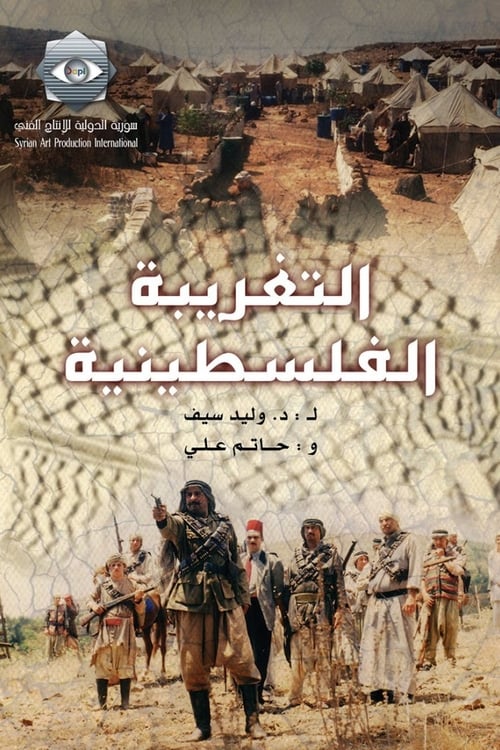
The first comprehensive dramatic telling of the Palestinian Nakba, seen through the eyes of a poor rural family from the 1930s British Mandate era through the massacres of 1948 and the defeat of 1967. Written by Palestinian poet Walid Seif — based on his own family history — and directed by the late Syrian master Hatem Ali, this is widely considered one of the greatest Arab television dramas ever produced. A monumental work of collective memory, historical witness and human endurance.
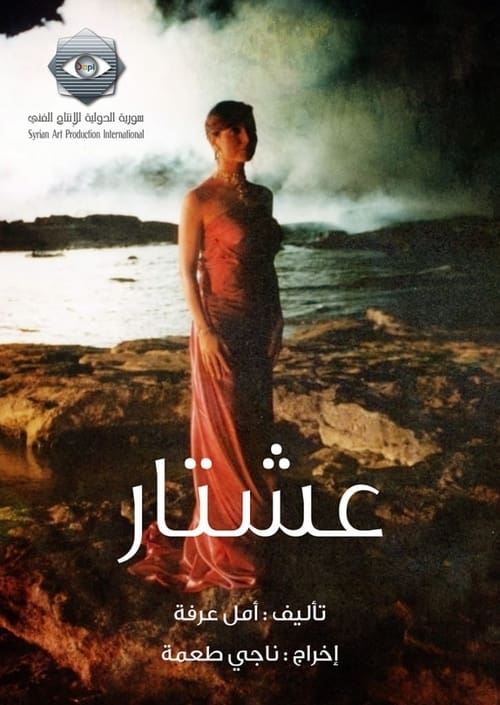
After her parents get divorced, Ishtar goes to live with her grandmother. When her grandmother passes away, she leaves the house to Ishtar , but her boyfriend tricks her into writing it over to him. She then goes to her aunt, who introduces her to the world of art through her voice.
Damascus in the late 1990s. Kareem and Nabila are raising five very different daughters — each with her own personality, ambitions and complications — alongside a scene-stealing aunt Jamila. Every episode centres on a family issue that brings everyone together to argue, laugh and muddle through. Warm, witty and deeply rooted in Syrian daily life, it remains one of the most beloved family comedies in Syrian television history. Stars Jamal Suleiman and Khaled Taja.
Matar disappears under mysterious circumstances for 20 years, during which everyone has believed he had died a martyr. However, he returns in a new form and builds a financial empire amidst the mystery surrounding the source of his wealth. Using the spider's method, he tightens his grip on everyone and exploits them to achieve his goals of doubling his wealth and taking revenge on his past friends.
The story revolves around Wael (Hatem Ali), who is involved in a taxi accident after moving to Latakia to escape something, and as a result, he loses his memory. During his stay in the hospital, Wael meets Dr. Hanan (Farah Bseiso). The plot unfolds in a suspenseful manner as his family searches for him while he begins a new life with a different identity, attempting to recover his lost memory.
Essam and Ragaa experience unsolvable problems and disputes over one of Essam's colleagues. These disputes increase to affect their children negatively over time.
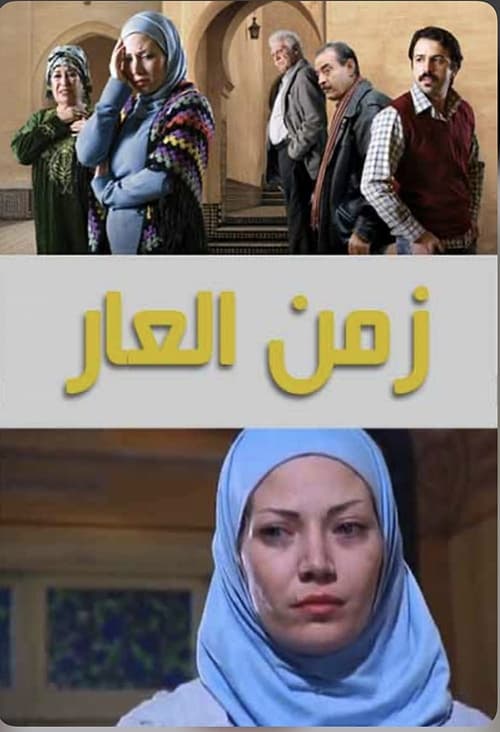
Having spent most of her 20s taking care of her sick mother and her family's household, a sexually repressed woman elopes and has to face the hypocrisies of middle eastern society.
Alaa Al-Din Zeibak, a man from a well-off family, has Down syndrome, and he crosses paths with Badr, a man of a humble origin, who has autism spectrum disorder. As they interact, several situations ensue, shedding light on the lives and struggles of the differently-abled people.
Akkash is a nationalist resistance fighter against Ottoman rule in Syria. Thuraya, the daughter of the wealthy Turkish aristocrat Ismail Pasha, falls in love with him, and he loves her in return. Determined to be with him, she is willing to sacrifice everything, including her family and privileged position in society.
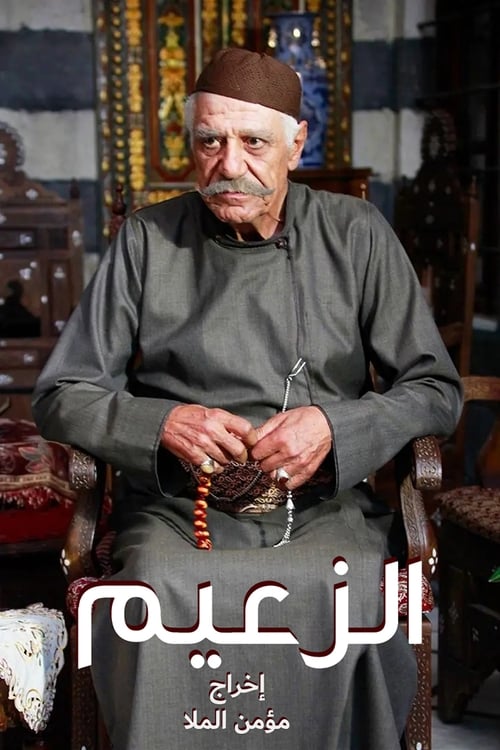
In 1918 Damascus, after the downfall of the Ottoman Empire and before the French colonization of the country, six Damascene neighborhoods decide to choose one head to rule over them, only for clashes over the throne to crystalize and extend.
The story of Nassar Ibn Oraibi, a fighter against injustice, that sheds light on the life in the Damascus neighborhood and the role of one woman who becomes responsible for the house and her four daughters in light of her husband's absence during the Hajj.
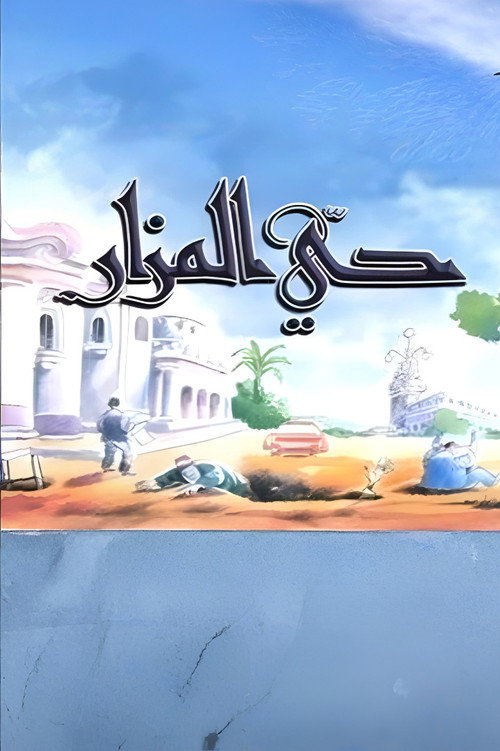
The Syrian series *Hay Al-Mazar* unfolds within a social framework that reflects the daily lives of the residents of Hay Al-Mazar. It explores various humanitarian and social issues, including family relationships, class struggles, and the challenges faced by characters in a rapidly changing environment.