Writing
Play for Today is a British television anthology drama series, produced by the BBC and transmitted on BBC1 from 1970 to 1984. During the run, more than three hundred programmes, featuring original television plays, and adaptations of stage plays and novels, were transmitted. The individual episodes were between fifty and a hundred minutes in duration.
A British television anthology of stories, often with sinister and wryly comedic undertones, and a twist at the end. With early episodes written and presented by Roald Dahl, the series featured a plethora of big name guest stars.
A one-hour anthology television series of one-off contemporary and classic dramas produced by the BBC.
Thursday Theatre is a British television anthology programme produced by and aired on the BBC from 1964–1965. The productions ranged in duration from 75 to 95 minutes. Out of the 23 episodes, 13 are believed lost, and one is incomplete.
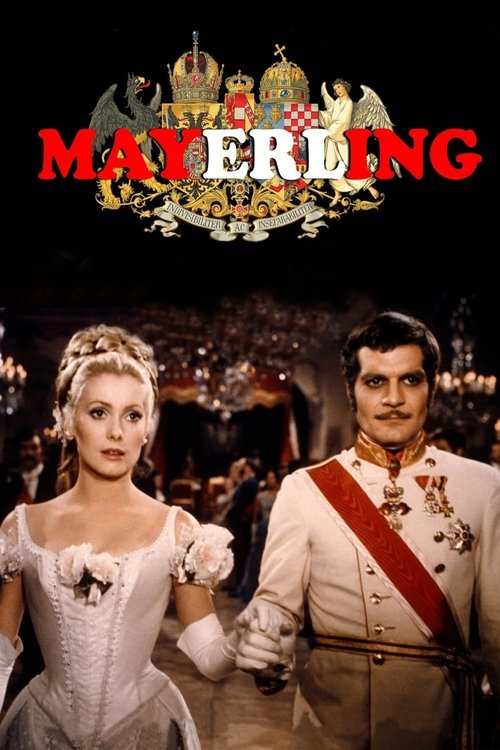
Crown Prince Rudolf of Austria clashes with his father, Emperor Franz Joseph I of Austria, over implementing progressive policies for their country. Rudolf soon feels he is a man born at the wrong time in a country that doesn't realize the need for social reform. The Prince of Wales, later to become Britain's King Edward VII, provides comic relief. Rudolf finds refuge from a loveless marriage with Princess Stéphanie by taking a mistress, Baroness Maria Vetsera. Their untimely demise at Mayerling, the imperial family's hunting lodge, is cloaked in mystery.
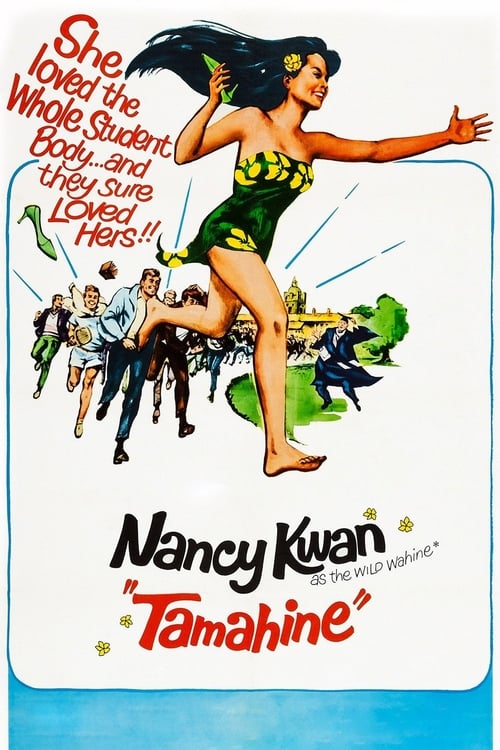
The headmaster of a stuffy British boys' school receives a surprise visit from the now-grown, and very voluptuous, daughter he fathered years earlier in the Pacific islands.
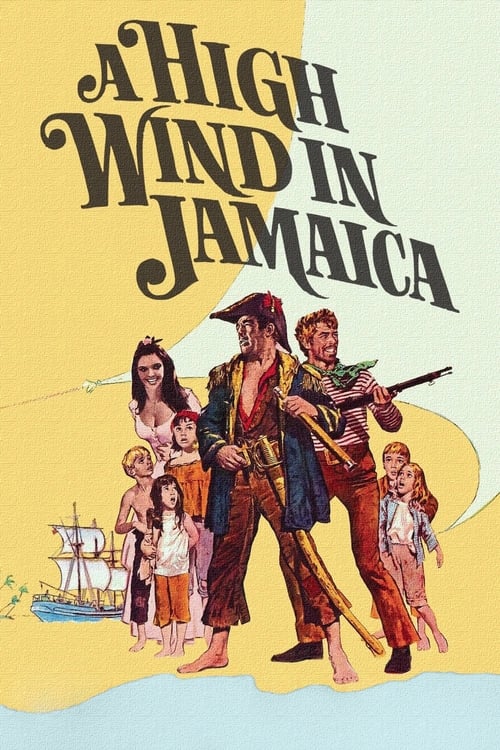
In 1870, a Jamaican colonial family sends its children to Britain for proper schooling, but their ship is taken over by pirates, who become fond of the kids.
An anthropologist observed by one of his erstwhile victims - a sophisticated comedy.
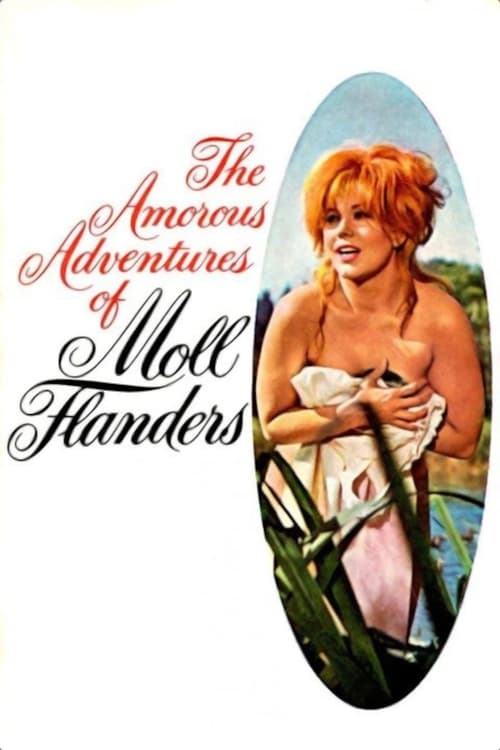
A bawdy story of how a poor damsel surrenders her virtue again and again to get to the top of society.
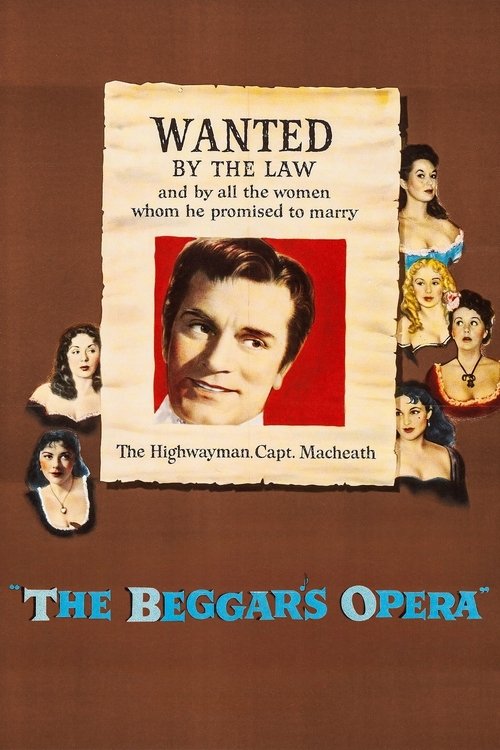
Adaptation of John Gay's 18th century opera, featuring Laurence Olivier as MacHeath and Hugh Griffith as the Beggar.
A 1979 production from BBC2 Playhouse by Denis Cannan
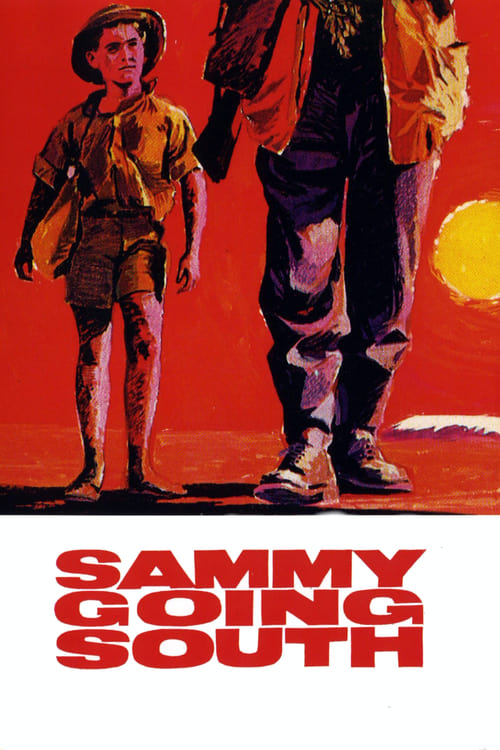
After he is orphaned by an air raid on Port Said during the Suez Crisis, a young boy attempts to go by himself from the Suez Canal to Durban in South Africa where his nearest relative, Aunt Jane, lives. On the way he meets a variety of different people who help or hinder his journey - including an ageing diamond smuggler.
An elderly widow women named Hazel lives in a farmhouse full of antiques. When a conman named Merv Pottinger arrives he persuades her into selling him a picture at a low price.
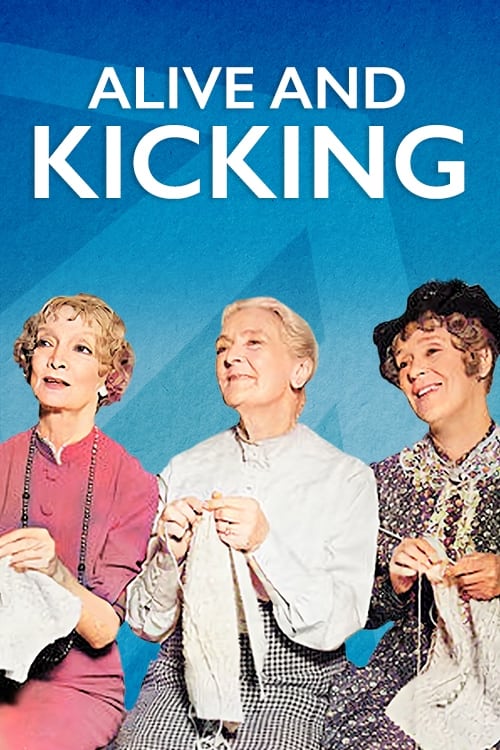
Three elderly residents of a nursing home, fed up with their monotonous existence, engineer an escape from their drab surroundings and head for an impromptu holiday on an Irish island.
An Edinburgh travel agent loses his keys and his fiancé in one night. A friend finds the keys and makes loads of copies with his address attached as a joke. She gives them to him as he leaves for a holiday. He gives the keys to several women he romances across the continent. He gets engaged again by phone and arranges to meet his fiancé at his flat, but the flat isn't empty...
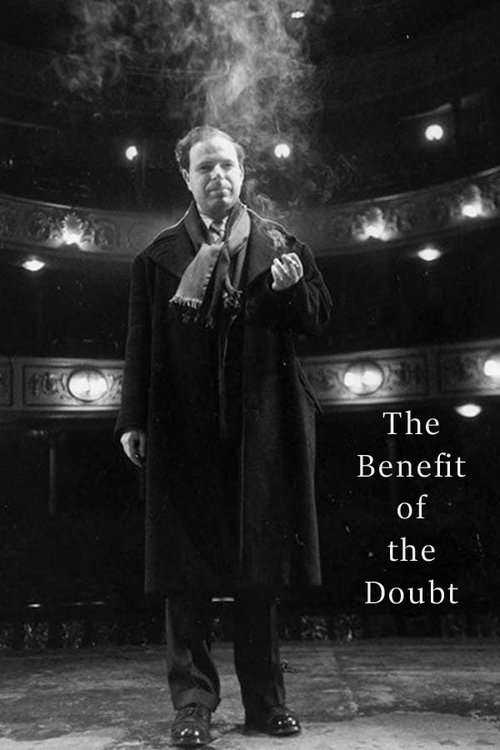
A documentary following US, Peter Brook's experimental play about the moral issues surrounding the Vietnam War, Benefit of the Doubt is the only known film record of the Royal Shakespeare Company production. It was filmed by Peter Whitehead concurrently with his Tonite Let's All Make Love in London (1967), on the surface a very different film, yet both share a central concern with the war, protest and Britain's political and cultural relationship with America.
An Alcoholics Anonymous meeting