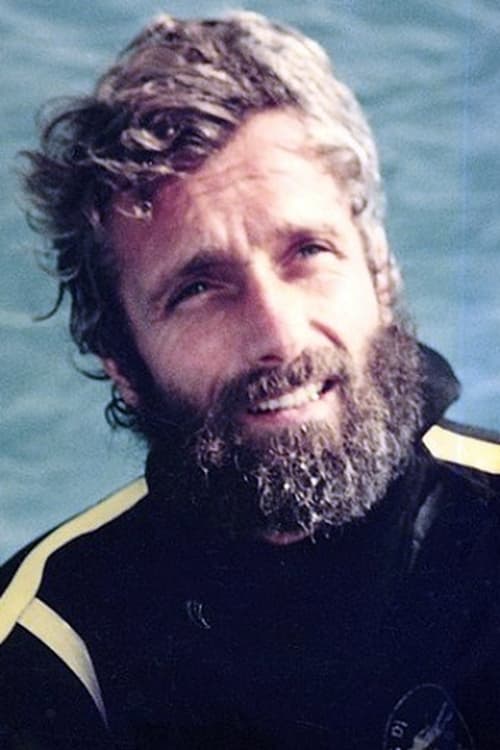
Philippe Cousteau
Directing
Biography
Philippe Pierre Cousteau (30 December 1940 – 28 June 1979) was a French diver, sailor, pilot, photographer, author, director and cinematographer specializing in environmental issues, with a background in oceanography. He was the second son of Jacques Cousteau and Simone Melchior. Cousteau was proficient filming from the air, on land and underwater. He was the lead cinematographer for most of the Cousteau films during his lifetime; he was nominated for and won several awards. Born in Toulon, Philippe Cousteau first dived with an aqua-lung in 1945 when he was 4 years old. His father brought home a miniature version of the aqua-lung he had co-invented a few years before. Though Philippe had not yet learned to swim, he followed his father into the water. Growing up, he spent each school vacation aboard his father's ship, RV Calypso. As a teenager, he began to feel the drive to explore. While his father had pursued the horizon on the sea, Philippe Cousteau dreamed of pursuing horizons in the sky and began to study aerodynamics at the age of 16, flying first as a glider pilot, and then earning his airplane pilot license at a young age. Cousteau spent two years in the French Navy during the Algerian war as a sonar operator and member of the landing party of the Le Normand ship, later earning his degree in science, spent another year at MIT, and then went to Paris to train in cinematography, graduating from I'École technique de photographie et de cinéma (now called École nationale supérieure Louis-Lumière) in Paris. In 1965, Cousteau was an Oceanaut on the Conshelf III, an undersea habitat for saturated diving down to 325 feet near Ile Levant in the Mediterranean Sea. In addition to his duties as Oceanaut, Cousteau was an underwater photographer and did all of the underwater filming, which became a National Geographic documentary film that aired in 1966. Cousteau appeared as himself on the 28 March 1966 episode of the CBS game show To Tell the Truth. He received three of the four possible votes from the panel. In February 1967, Cousteau accompanied his father on the RV Calypso for an expedition to film the sharks of the Red Sea and the Indian Ocean. As well as being the lead photographer for the expedition, Cousteau also chronicled his experiences in the 1970 publication The Shark: Splendid Savage of the Sea. In 1969, Cousteau lent his technical expertise to the U.S. Navy's SEALAB program. In the aftermath of aquanaut Berry L. Cannon's death while attempting to repair a leak in SEALAB III, Cousteau volunteered to dive down to SEALAB and help return it to the surface, although SEALAB was ultimately salvaged in a less hazardous way. Until his death in 1979, he co-produced numerous documentaries with his father, including Voyage to the Edge of the World (1976) for the cinema and his own PBS television series, Oasis in Space (1977), concerning environmental issues. Cousteau was a highly experienced pilot. He earned his glider pilot license at the age of 16 and went on to obtain pilot credentials to fly balloons, hang gliders, single- and multi-engine airplanes and seaplanes, gyrocopters and helicopters. ... Source: Article "Philippe Cousteau" from Wikipedia in English, licensed under CC-BY-SA 3.0.
Known For

The Dick Cavett Show has been the title of several talk shows hosted by Dick Cavett on various television networks.
The Dick Cavett Show

Midi Première is a French variety show presented by Danièle Gilbert, directed by Jacques Pierre and broadcast from January 6, 1975 until January 1, 1982 on TF1. The program was generally broadcast between 12:15 p.m. and 12:55 p.m., then giving way to the 1:00 p.m. TV news. However, the broadcast schedule could change, depending on the guests, and the setting where the recording of the program was shot. Certain performances by artists who have become cult like the one where Ringo jostles with a demonstrator in interpretation (1977), that of Dalida with the title There is always a song with the soundtrack that does not start, twice, at the right speed (1978), Claude François and his Clodettes, who, in the provinces, are unable to join "the set" in order to interpret his song, the latter being taken by the crowd of delirious fans (summer 1977) . The group Supertramp performed there with the title "Dreamer" on March 8, 1975.
Midi Première

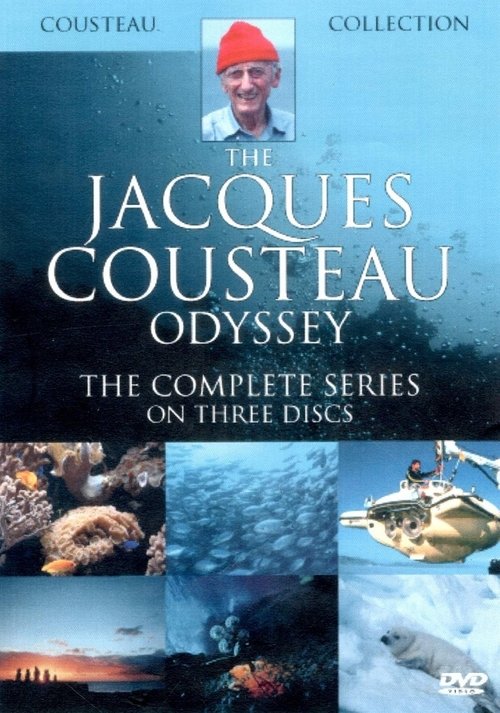
The Jacques Cousteau Odyssey includes all 12 episodes of the 1978 television series featuring the research adventures of Cousteau, a celebrated documentarian and public conscience of mankind's stewardship of our oceans. Alongside his son Philippe Cousteau, Jacques's adventures begin with an ambitious expedition (on Cousteau's famous Calypso ship and a seaplane called the Catalina) following the course of the Nile River from Central Africa to the Mediterranean.
The Jacques Cousteau Odyssey

No description available.
En direct de...

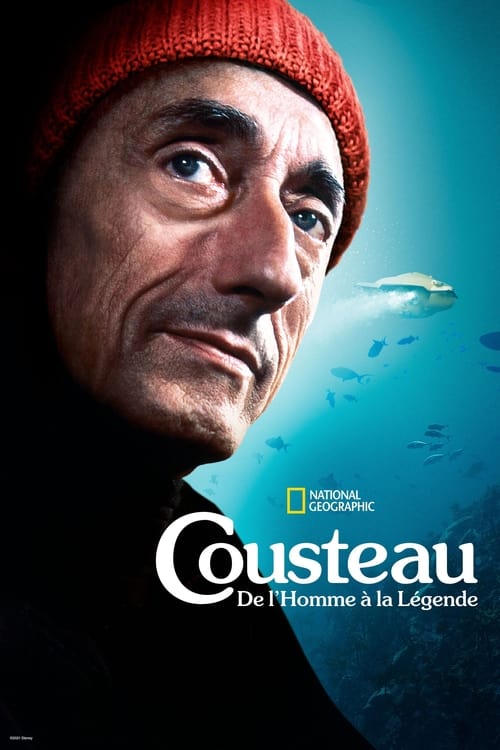
Adventurer, filmmaker, inventor, author, unlikely celebrity and conservationist: For over four decades, Jacques-Yves Cousteau and his explorations under the ocean became synonymous with a love of science and the natural world. As he learned to protect the environment, he brought the whole world with him, sounding alarms more than 50 years ago about the warming seas and our planet’s vulnerability. In BECOMING COUSTEAU, from National Geographic Documentary Films, two-time Academy Award®-nominated filmmaker Liz Garbus takes an inside look at Cousteau and his life, his iconic films and inventions, and the experiences that made him the 20th century’s most unique and renowned environmental voice — and the man who inspired generations to protect the Earth.
Becoming Cousteau
A breathtaking trip down Earth's longest river reveals its fabled past and complex, challenging present. Wild hippopotami, the mysteries of the deadly tsetse fly, the ancient Dinka and Shilluk African tribes and the Sudd- a swamp as large as England - are among the natural wonders encountered along the trek from Uganda to Khartoum to Egypt, before concluding at the manmade wonders of the Nile, the Jonglei Canal and the Aswan High Dam.
The Cousteau Odyssey: The Nile Part 2

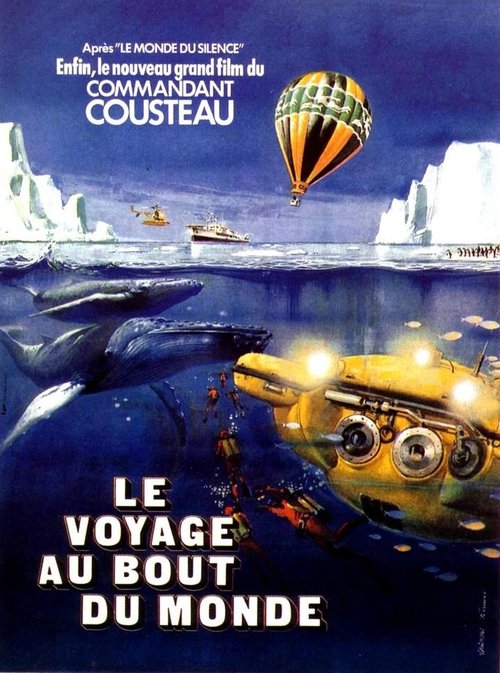
On his ship "Calypso," as well as in a submarine, Jacques Cousteau and his crew sail from South America and travel to Antarctica. They explore islands, reefs, icebergs, fossils, active volcanic craters, and creatures of the ocean never before seen. This voyage took place in 1975, and Captain Cousteau became one of the first explorers ever to dive beneath the waters of the frozen South Pole.
Voyage to the Edge of the World

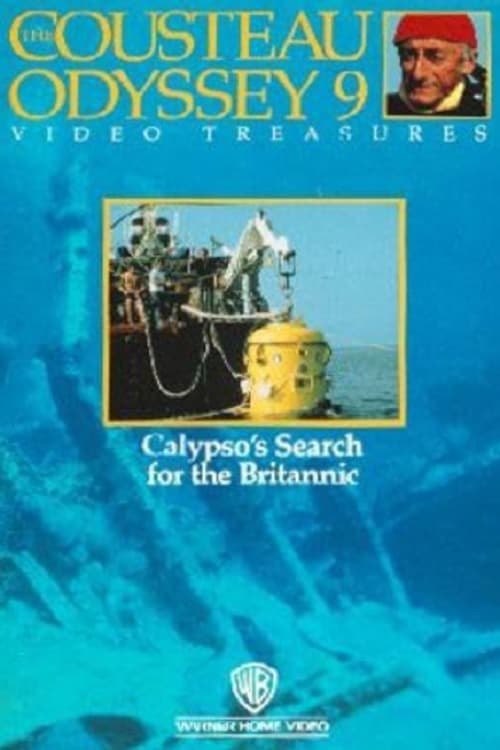
For 70 years, the sudden sinking of the mighty British ship Britannic - larger than the sister ship Titanic - has been shrouded in mystery. Jacques Cousteau reveals the full story of November 21, 1916 when, on her sixth journey as a hospital ship, Britannic exploded and sank into the Aegean Sea.
Calypso's Search for the Britannic

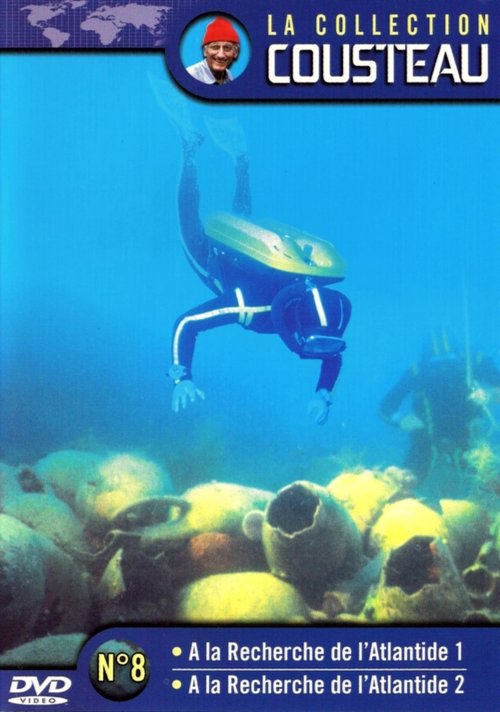
The myth of Atlantis has only one source: Plato. He described, some 2,500 years ago, a country overflowing with wealth, located beyond the Pillars of Hercules, whose capital would have been destroyed by an earthquake, then engulfed in the depths of the sea. Following a miraculous aerial photo, Commander Cousteau finds himself on the trail of the lost civilization of the legend of Atlantis. Near the island of Dia, the team makes an extraordinary discovery…
The Cousteau Collection N°8-1 | In Search of Atlantis (Part 1)

No description available.
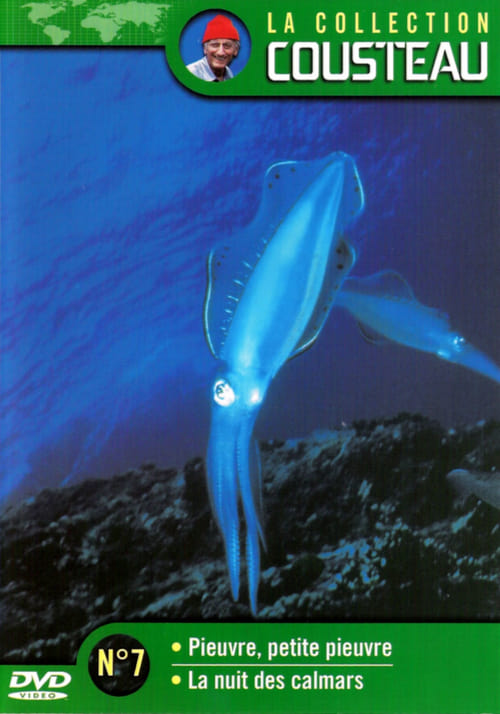
The Cousteau Collection N°7-1 | Octopus, Little Octopus

No description available.
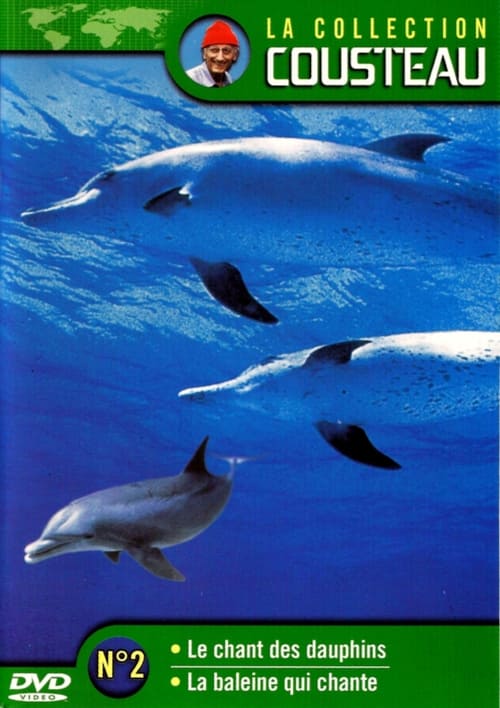
The Cousteau Collection N°2-1 | The Song of the Dolphins
During a 9-month trip, the Cousteau team will explore the longest river on the planet: the Nile. It flows north to the Mediterranean, crosses half a continent and over 7000 years of history. On its shores, civilizations have built marvels of architecture. Kingdoms rose and then fell, each person's destiny still intimately linked to that of the river... without anyone having mastered it. The Calypso team studies life around the Nile, which has remained almost unchanged since the time of the pharaohs.
The Cousteau Odyssey: The Nile Part 1

No description available.
The Cousteau Collection N°4-2 | The Flight of the Penguin

No description available.
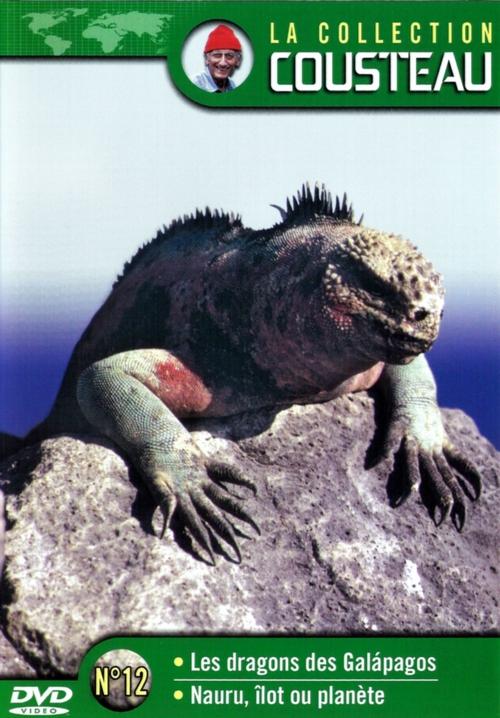
The Cousteau Collection N°12-1 | The Dragons of the Galapagos

No description available.
The Cousteau Collection N°7-2 | The Night of the Squid

No description available.
The Cousteau Collection N°1-2 | Sleeper Sharks of the Yucatan

No description available.
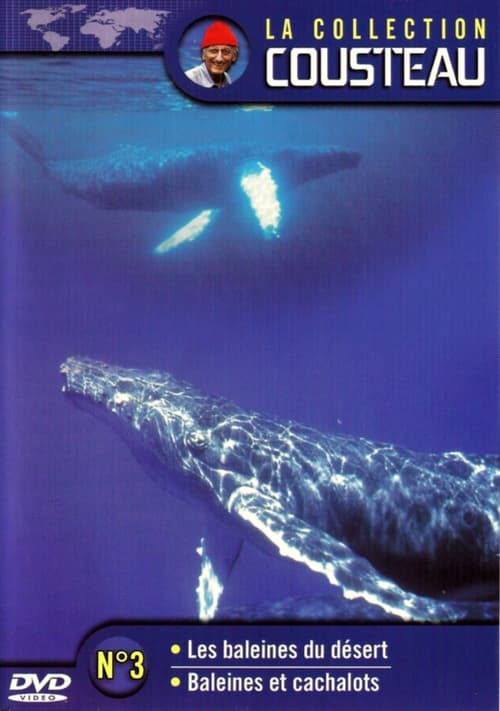
The Cousteau Collection N°3-1 | Desert Whales

No description available.
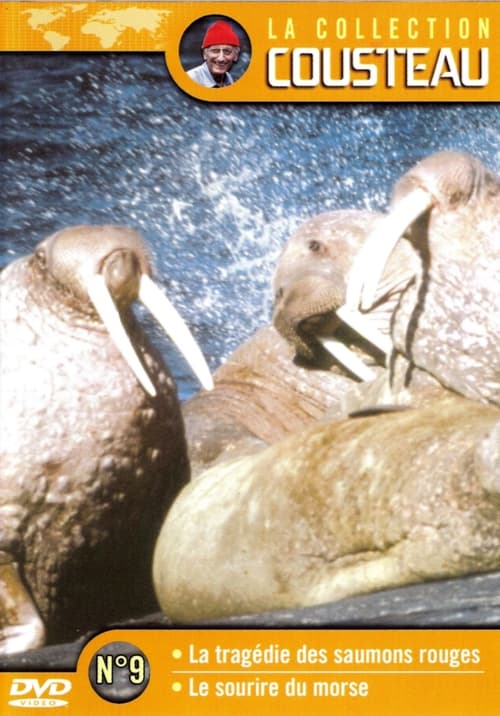
The Cousteau Collection N°9-2 | Morse's Smile

No description available.
The Cousteau Collection N°8-2 | In Search of Atlantis (Part 2)

No description available.