Writing
Camera Three is an American variety show devoted to the arts. It ran on CBS from January 22, 1956 to January 21, 1979, and moved to PBS in its final year to make way for the then-new CBS News Sunday Morning. The PBS version ran from October 4, 1979 to July 10, 1980. Camera Three featured programs showcasing drama, ballet, art, music, anything involving fine arts. One of its most notable presentations was a condensation of Marc Blitzstein's leftist opera The Cradle Will Rock. Presented on November 29, 1964, it was a dramatic demonstration of how far television had come since its early days, in its willingness to present a work that surely would have been banned from the airwaves during the era of Joseph McCarthy.
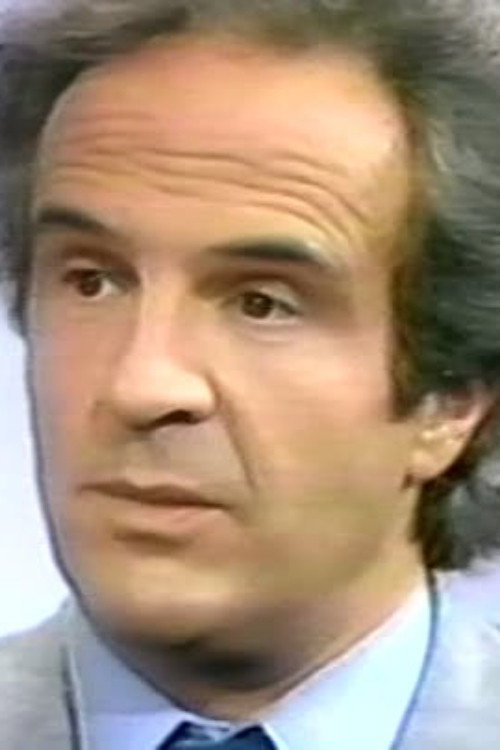
François Truffaut in conversation in 1977 with Richard Roud, then Director of the New York Film Festival.
Author-critic Anthony Burgess explores in a free-wheeling way perspectives of James Joyce's great experimental novel "Finnegans Wake". He is in the unusual setting of an Irish pub, utilizing a variety of props to illustrate his points. Burgess, erudite and ironic, brings in photographs, history and even sings a song from the book -- the "Ballad of Persse O'Reilly." All this with Burgess leaning on the big wooden bar of the pub. Internationally known author Burgess ("A Clockwork Orange", "ReJoyce", etc.) has always been fascinated by "Finnegans Wake", its idiosyncratic language, its enormously complicated structure, and its attempt to address those most universal human questions of life, death, sex, mind, and mankind's fall and resurrection.
Film director Hitchcock discusses his life and career in long talks with Pia Lindstrom (newscaster and daughter of Hitchcock star Ingrid Berman) and with film historian William Everson. Excerpts from several films illustrate these interviews. Discussion topics include: what is fear?, method acting vs. film acting, the difference between the usual "Who Done It" mystery and what he considers to be real suspense. His choice of leading ladies and why (Bergman, Baxter, Kelly, Marie Saint, Leigh, etc.).
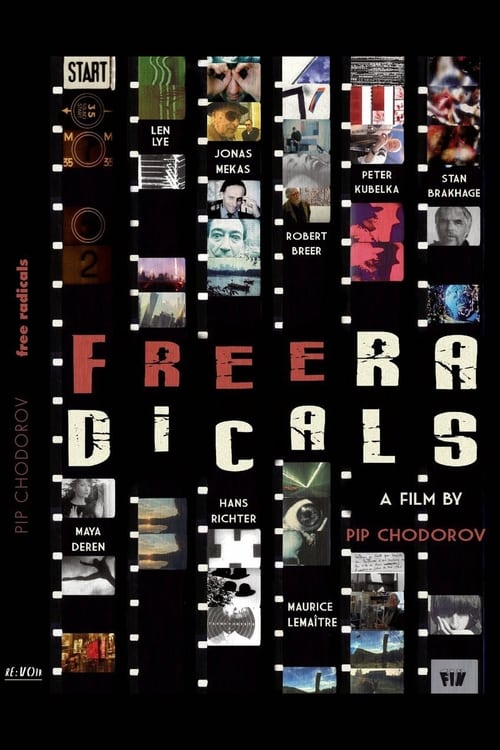
Experimental filmmaker Pip Chodorov traces the course of experimental film in America, taking the very personal point of view of someone who grew up as part of the experimental film community.
An interview with Peter Bogdanovich and Henry Jaglom who were presenting films at the ninth New York Film Festival (1971). The documentary was first presented on the television program Camera Three.
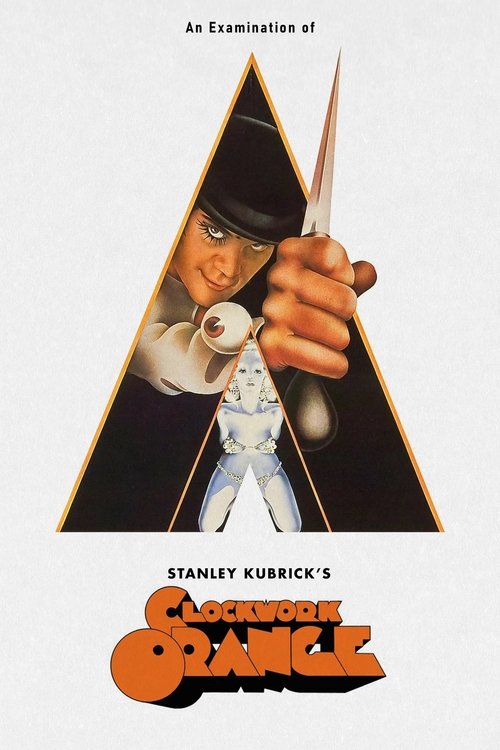
An examination of Kubrick’s ‘A Clockwork Orange’ on Camera 3 (1972)
Profile of Jean Gabin, the great French actor of 100 films, who died in 1976 at the age of 73. Here his career is traced and he is remembered by some of the many producers, directors, writers and actors with whom he worked. Illustrated with many photographs and film clips. Narrated by Nadia Gray who played opposite Gabin in the early 50's. Interviews with Directors Rene Clement, Jean Dellanoy, Denys de la Patelliere, Granbier-Deferre. Actors Madeleine Renaud, Michele Morgan, Simone Simon, Jean Desailly, Francois Arnoul, Lino Ventura, Danielle Darrieux. Cinema Critics and Historians Claude Beylie, Robert Chazal. Screenwriter Michel Audiard. 1978.
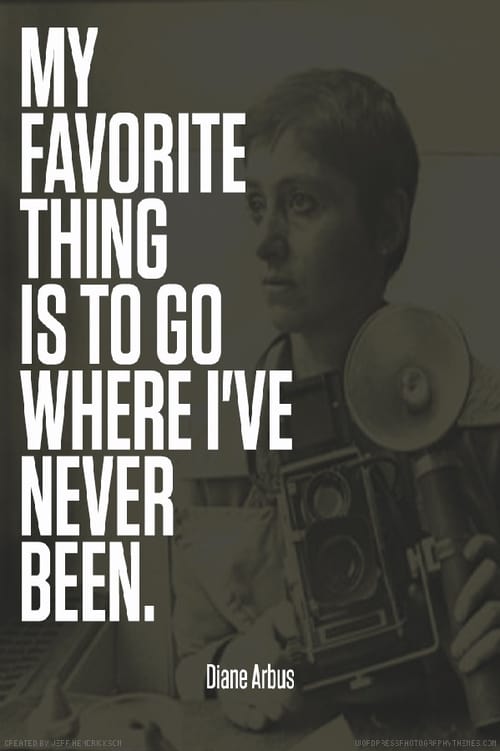
The work of photographer Diane Arbus as explained by her daughter, friends, critics, and in her own words as recorded in her journals. Illustrated with many of her photographs. Mary Clare Costello, narrator Themes: Arbus' quirky go-it-alone approach. Her attraction to the bizarre, people on the fringes of society: sexual deviants, odd types, the extremes, styles in questionable taste, poses and situations that inspire irony or wonder. Where most people would look away she photographed.
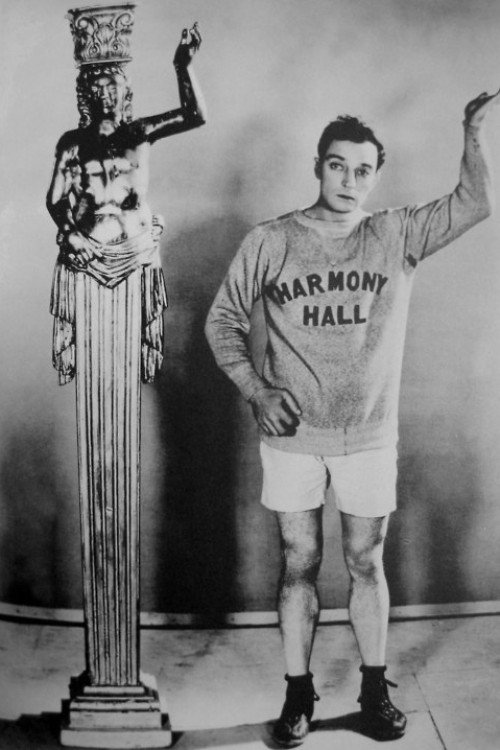
America's great film director-actor Buster Keaton, discussed by film critic Andrew Sarris and Raymond Rohauer, cinema historian, with some unusual perspectives on his goals and motivations. Illustrated with many film excerpts from 1917 to 1928. Rohauer knew Keaton and was partly responsible from rescuing many of his old films from destruction. Sarris is a leading film critic who has often written about Keaton.
Primer on the meaning, techniques and background of Stanley Kubrick's 1968 film "2001: A Space Odyssey." Keir Dullea, who starred in the film as astronaut Bowman, narrates on camera and over many excerpts from the film.
Two of the greatest stars of Japan’s kabuki theater reveal what has only rarely been seen: the actual acting techniques used in this most difficult and splendid of theater forms. Onoe Shoroku II and Onoe Baiko VII discuss and demonstrate their craft in conversation with the well-known author of works on Asian arts, Faubion Bowers. Includes film of great kabuki performances of the past. These great kabuki actors make the mechanics of theater kata (poses) clear and show some of the gestures and nuances of body language that communicate specific emotions and situations. Baiko, a famous player of women’s roles, performs a classic woman’s speech in full costume and heavy white-face make-up, and then does the same scene again in plain face and simple clothes. He shows how the Japanese fan speaks in its own language. He and Shoroku act out a fight scene; Shoroku demonstrates one of kabuki’s elaborate exit walk sequences, and compares different ways of making stylized gestures.