Ntozake Shange
Writing
Biography
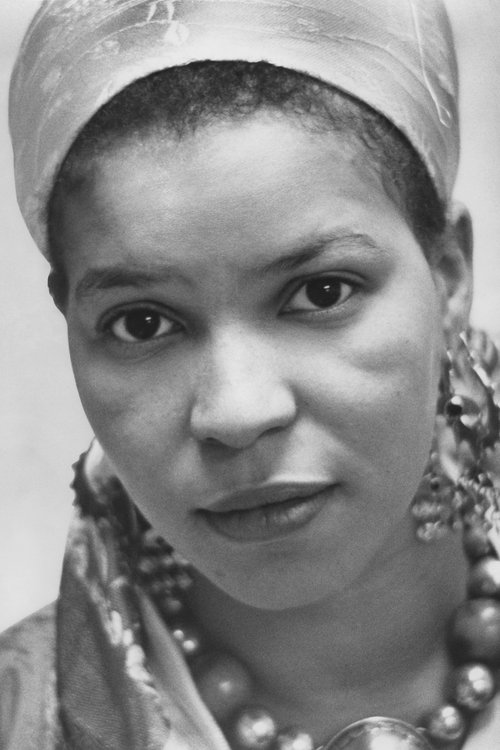
Ntozake Shange (/ˌɛntoʊˈzɑːki ˈʃɑːŋɡeɪ/ EN-toh-ZAH-kee SHAHNG-Ê; October 18, 1948 – October 27, 2018) was an American playwright and poet. As a Black feminist, she addressed issues relating to race and Black power in much of her work. She is best known for her Obie Award–winning play, for colored girls who have considered suicide / when the rainbow is enuf (1975). She also penned novels including Sassafrass, Cypress & Indigo (1982), Liliane (1994), and Betsey Brown (1985), about an African-American girl run away from home. Among Shange's honors and awards were fellowships from the Guggenheim Foundation and Lila Wallace Reader's Digest Fund, a Shelley Memorial Award from the Poetry Society of America, and a Pushcart Prize. In April 2016, Barnard College announced that it had acquired Shange's archive. Description above from the Wikipedia article Ntozake Shange, licensed under CC-BY-SA, full list of contributors on Wikipedia.
Known For

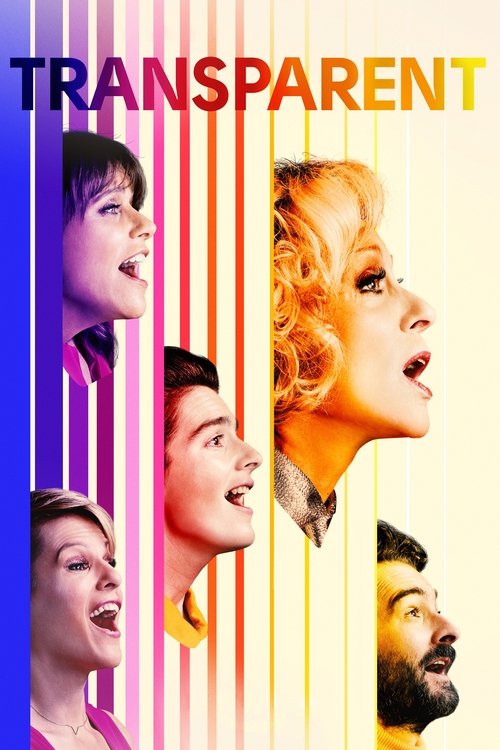
An LA family with serious boundary issues have their past and future unravel when a dramatic admission causes everyone's secrets to spill out.
Transparent

A film about existence from the perspective of 20 nameless black females. Each of the women portray one of the characters represented in the collection of twenty poems, revealing different issues that impact women in general and women of color in particular.
For Colored Girls

The powerful tales of seven diverse African-American women are woven together in this 1982 performance of Ntozake Shange's Obie Award-winning landmark play. A breakthrough portrayal of black women's experiences in America, the story combines music, poetry and dance to celebrate their unique culture while painting a poignant portrait of their terrible struggles.
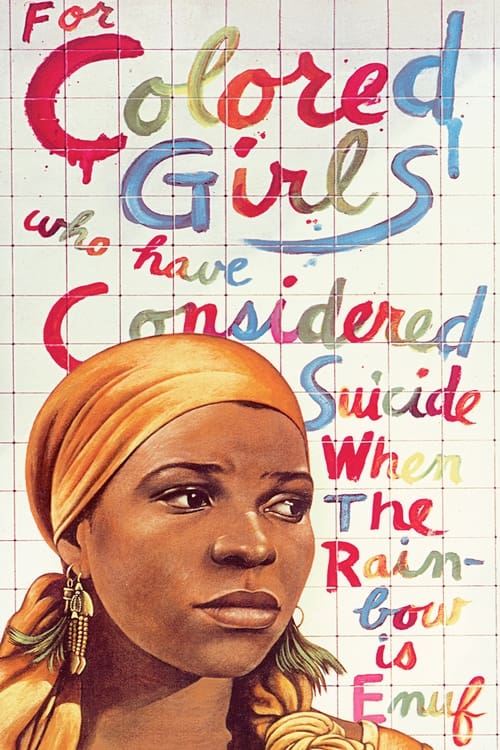
For Colored Girls Who Have Considered Suicide / When the Rainbow Is Enuf

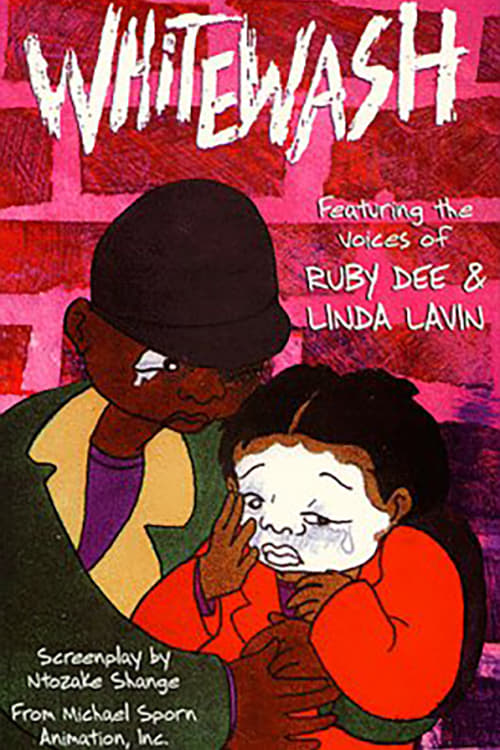
When Helene Angel walks home from school with her older brother she is attacked by a street gang and painted white. The effect on Helene and her family is devastating. Helene locks herself in her room, her brother blames himself for not having successfully defended his sister, and the media descends on their neighborhood, completely disrupting her small family. But an outpouring of love and understanding from Helene's friends, classmates and family helps her face what has happened and draws the community together. Inspired by actual events, WHITEWASH conveys a powerful message that transcends age and race, told in an entertaining way perfect for children of all ages.
Whitewash

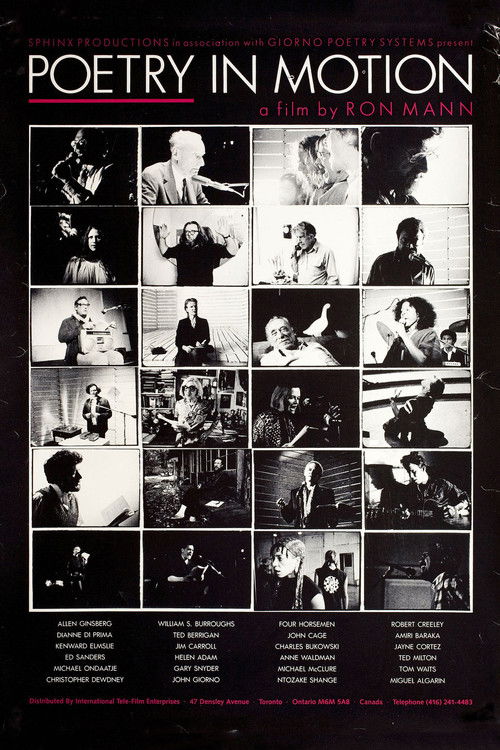
More than 20 contemporary North American poets recite, sing, and perform their work. Early in the film, Charles Bukowski talks about the energy of poets and of a poem. These poets are the children of Walt Whitman and of Charles Olson, incantatory and oratorical, radical, sometimes incorporating contemporary political imagery. Black Mountain poets, the Beats, minimalists like John Cage, the wordless Four Horsemen, Tom Waits, and others capture aspects of poets as troubadours.
Poetry in Motion

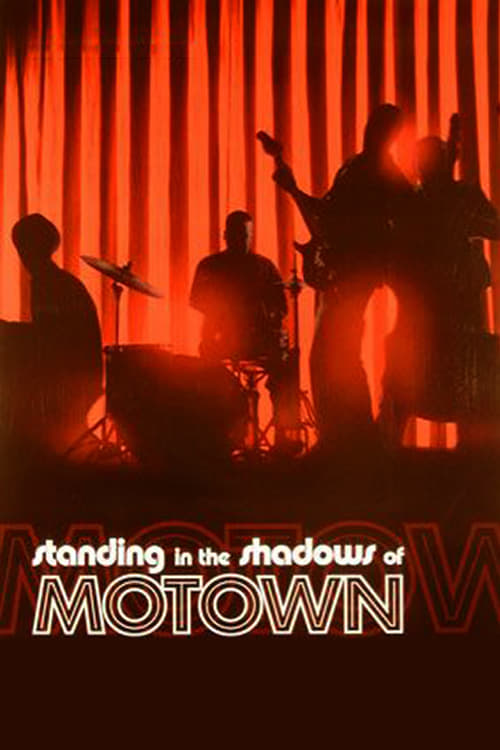
In 1959, Berry Gordy Jr. gathered the best musicians from Detroit's thriving jazz and blues scene to begin cutting songs for his new record company. Over a fourteen year period they were the heartbeat on every hit from Motown's Detroit era. By the end of their phenomenal run, this unheralded group of musicians had played on more number ones hits than the Beach Boys, the Rolling Stones, Elvis and the Beatles combined - which makes them the greatest hit machine in the history of popular music. They called themselves the Funk Brothers. Forty-one years after they played their first note on a Motown record and three decades since they were all together, the Funk Brothers reunited back in Detroit to play their music and tell their unforgettable story, with the help of archival footage, still photos, narration, interviews, re-creation scenes, 20 Motown master tracks, and twelve new live performances of Motown classics with the Brothers backing up contemporary performers.
Standing in the Shadows of Motown

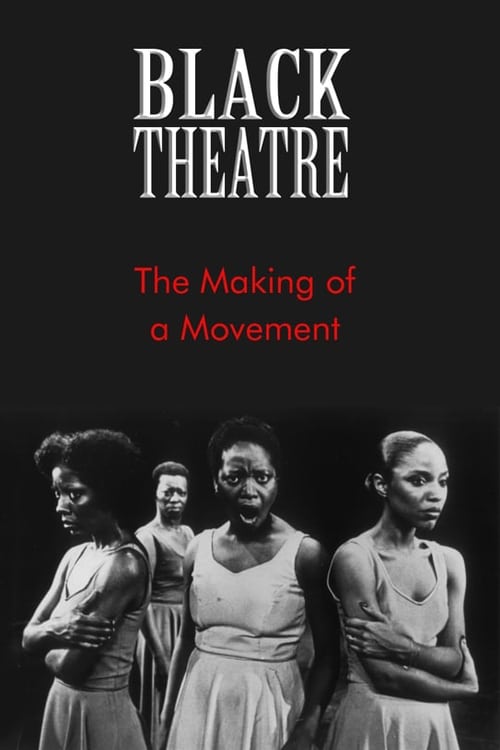
This documentary explores the growth and development of black theatre from its earliest roots, also examining its close ties with the civil rights movement. Included are interviews with veterans of the theatrical world such as James Earl Jones and Ed Bullins.
Black Theatre: The Making of a Movement

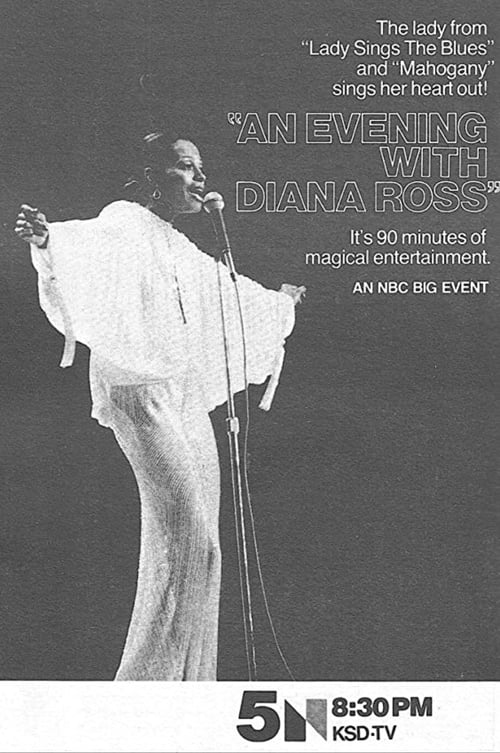
Diana Ross performs her one-woman show in Los Angeles.