Rolf Illig
Acting
Known For

Tatort is a long-running German/Austrian/Swiss, crime television series set in various parts of these countries. The show is broadcast on the channels of ARD in Germany, ORF in Austria and SF1 in Switzerland.
Scene of the Crime
Polizeiruf 110 is a long-running German language detective television series. The first episode was broadcast 27 June 1971 in the German Democratic Republic, and after the dissolution of Fernsehen der DDR the series was picked up by ARD. It was originally created as a counterpart to the West German series Tatort, and quickly became a public favorite.
Polizeiruf 110
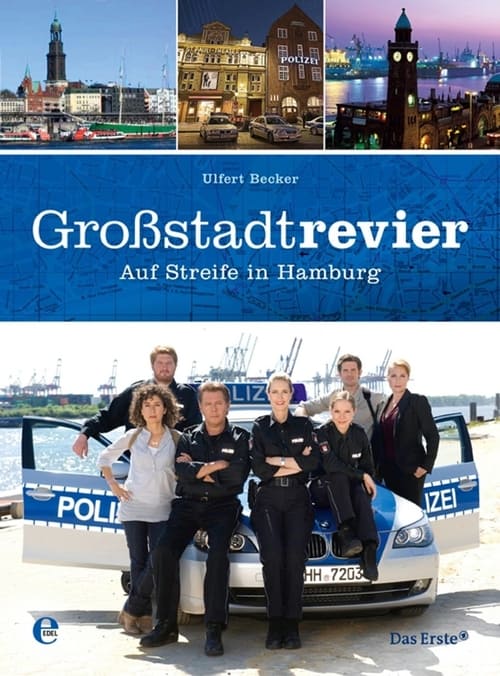
Follow the everyday work of a fictional police station on the Kiez of Hamburg.
Großstadtrevier
No description available.
Im Namen des Gesetzes

Marienhof is a German soap opera, first shown on October 1, 1992 on German TV channel, Das Erste. It started as a weekly series, before becoming a daily program on January 2, 1995. The show was canceled in February 2011 and aired its last episode on June 15, 2011. In the 90s, the Marienhof became a huge success in Finland and remained a fan favorite until it was canceled to license problems. Over the years, the show became known for tackling several social issues, such as homosexuality, homelessness, private bankruptcy, rape, drug abuse, AIDS, child abuse, suicide, cancer, adultery and murder. The show focuses on the everyday life of the residents of the Marienhof, a fictional suburb in Cologne.
Marienhof
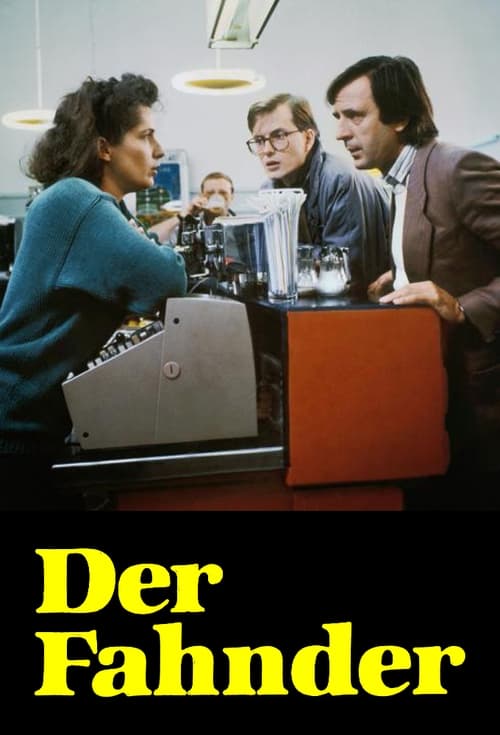
Der Fahnder is a German television krimi series which was aired between 1984 and 2005. In the Netherlands the series was broadcast by the VARA from 3 October 1985.
Der Fahnder
Annual awarding of the Grimme Awards.
Grimme Award
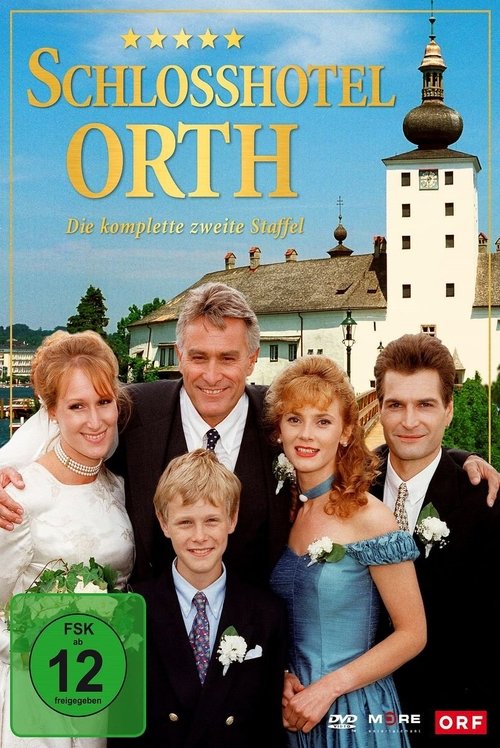
Schlosshotel Orth is an Austrian television series.
Schlosshotel Orth
No description available.
Faust

"Löwengrube – Die Grandauers und ihre Zeit" is a German television series first aired between 1989 and 1992, created by Willy Purucker and directed by Rainer Wolffhardt. It is set in Munich and follows the lives of Ludwig Grandauer and his son Karl, both policemen, covering the years from 1897 to 1954. The TV show is based on Purucker's radio play series Die Grandauers und ihre Zeit (‘The Grandauers and their time’). The series’ main title "Löwengrube", meaning ‘Lions’ Den’, refers to the address of the Munich Police Headquarters inaugurated in 1913.
Löwengrube

No description available.
Vater wider Willen

Paul David, computer expert and hacker, is caught in a international data network and is confronted with criminals operating behind the scenes of a worldwide organization, which uses the most modern communication technology for cleverly coordinated, criminal actions.
Der Bastard
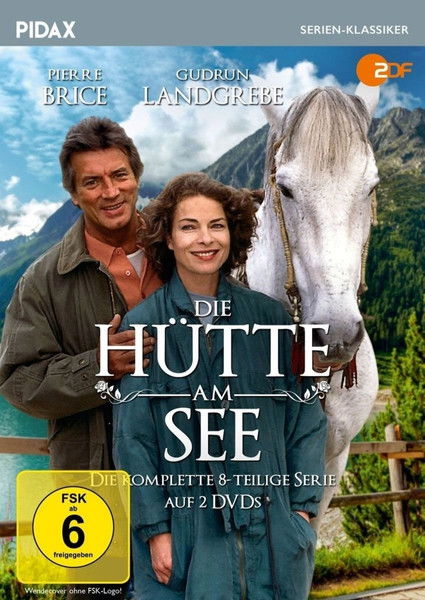
Dr. Michel Camus, a veterinarian and animal psychologist from Paris, suffers a tragic loss. His sister is killed in a riding accident at Lake Chiemsee. The horse lover travels to Germany to take the horse involved in the accident, Ramboso, back to Paris with him. But Ramboso now belongs to Sylvia's father.
Die Hütte am See

Based on Annette Kolb’s autobiographical novel of the same name, THE SWING is a lavish, breathless reconstruction of life in Munich towards the end of the 19th century. The deceptively simple story centers around the Lautenschlags, a Bavarian-French Catholic family overflowing with artistry but short on practicalities like financial acumen.
The Swing
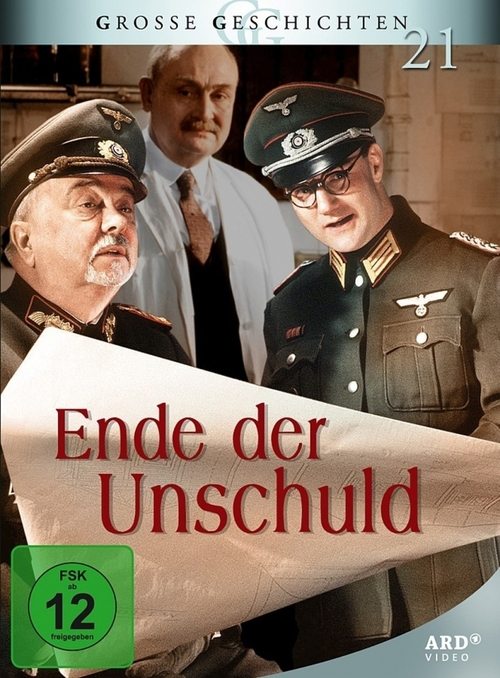
End of Innocence is a two-part television film that focuses on the work of the German Uranium Association during World War II. At Farm Hall in England, the ten German nuclear scientists interned there as part of Operation Epsilon learn of the dropping of the first atomic bomb on Hiroshima in August 1945. In flashbacks, the development of the German uranium project is recapitulated chronologically from the discovery of nuclear fission by Otto Hahn to the work of Kurt Diebner at the Heereswaffenamt to the experiments of the Kaiser Wilhelm Institute for Physics under Werner Heisenberg and Carl Friedrich von Weizsäcker at the Haigerloch research reactor in spring 1945.
End of Innocence
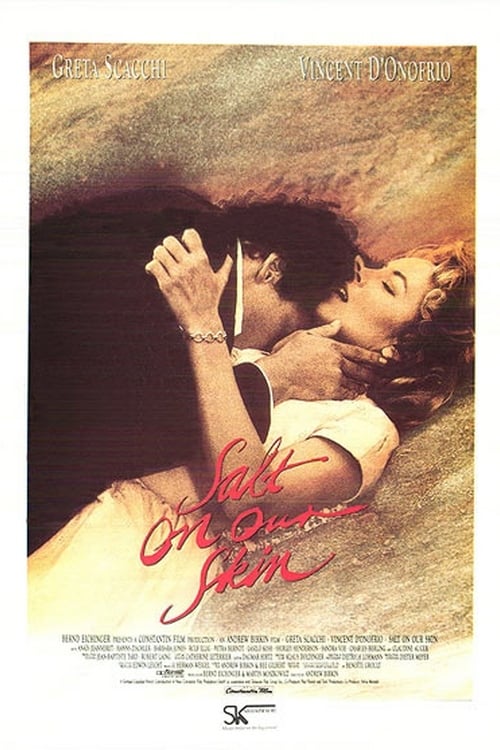
A Scottish woman who attends school in Paris comes home for the summer and helps take in the straw, where she meets an attractive and simple man. They begin a torrid affair despite the differences in their lifestyles. He asks her to marry him but she refuses, and they continue their separate lives but also continue their affair through the years, loving each other despite their differences.
Salt on Our Skin

A year on an Alpine farm: an older couple have two children, Belli, who wanted to be a teacher, and the younger Franzi, deaf, and although he works like a man, child-like. Belli teaches him. In his work, he can become frustrated, so when he throws an expensive mower over a cliff in a fit of pique, his father banishes him to the outskirts of the farm, where he uses pubescent energy to break rocks and build walls and cairns. (It's the tradition of the father's family, called "The Irascibles" by neighbors, to spend puberty doing this.) Belli visits him and they begin sleeping together. By winter, the boy is back in the house and Belli is pregnant. Soon her parents must know.
Alpine Fire

Through examining Fini Straubinger, an old woman who has been deaf and blind since her teens, and her work on behalf of other deaf-blind people, this film shows how the deaf-blind struggle to understand and accept a world from which they are almost wholly isolated.
Land of Silence and Darkness

A documentary by Werner Herzog exploring the different treatment accorded to the disabled in Germany and the USA.
Handicapped Future
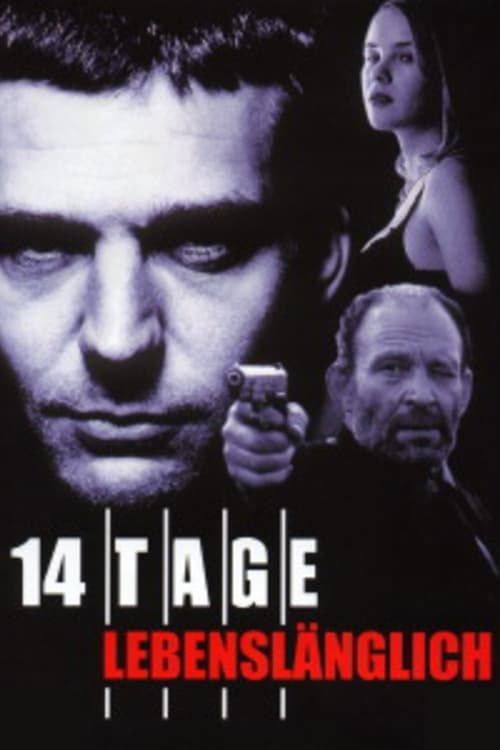
Konrad von Seidlitz is a young yuppie lawyer currently celebrating his engagement with Cornelia, daughter of minister of justice Volkerts. As a public relations gag, he hasn't paid his parking fines for two years and now insists on being sentenced to jail for two weeks as punishment. Using his knowledge as a lawyer he makes the best out of his visit in jail still working, still in a splendid mood and not adapting to any rule. Probably a good way to get the desired public attention, but also a good way to make enemies inside the jail-house. One day before Konrad is to be released his booth is searched and two hundred grams of cocaine are found. That's a serious problem even for a brilliant lawyer like Konrad and even if you're innocent