Directing
Aucune description disponible.
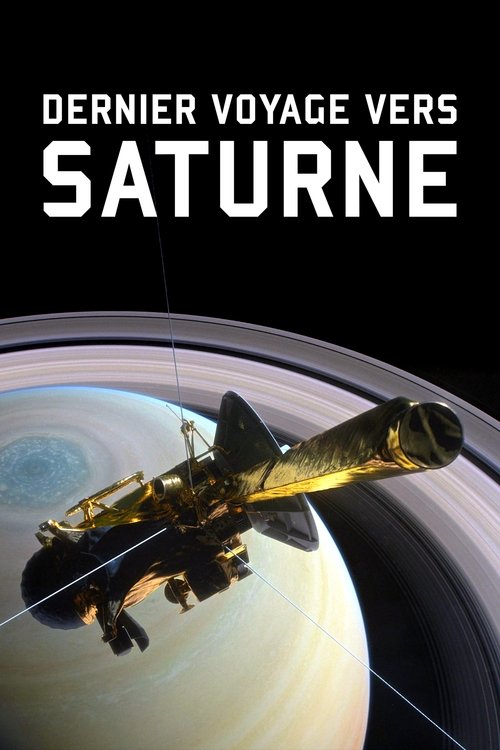
15 septembre 2017, au Jet Propulsion Laboratory de la Nasa aux États-Unis. Des centaines de coéquipiers de la mission Cassini-Huygens sont rassemblés pour un dernier adieu à la sonde qui a exploré Saturne, ses soixante-deux lunes et ses illustres anneaux pendant près de treize ans. Arrivée en 2004 dans le système saturnien (après son lancement sept ans plus tôt), Cassini achève sa course. Dans une ultime traversée, elle doit recueillir des données sur un territoire inconnu, situé entre la planète et ses anneaux. Un saut final périlleux. Avant de se désintégrer dans l'atmosphère de la géante gazeuse, la sonde doit survivre à vingt-deux plongeons, ce que Earl Maize, le directeur de la mission décrit comme "sept secondes de terreur tous les sept jours".
En août 2020, la sonde américaine « Osiris-Rex » s’approchait de l’astéroïde Bennu afin d’y prélever des fragments de matières rocheuses. Le récit épique d’une mission périlleuse qui pourrait nous permettre de percer les mystères de la formation des planètes.
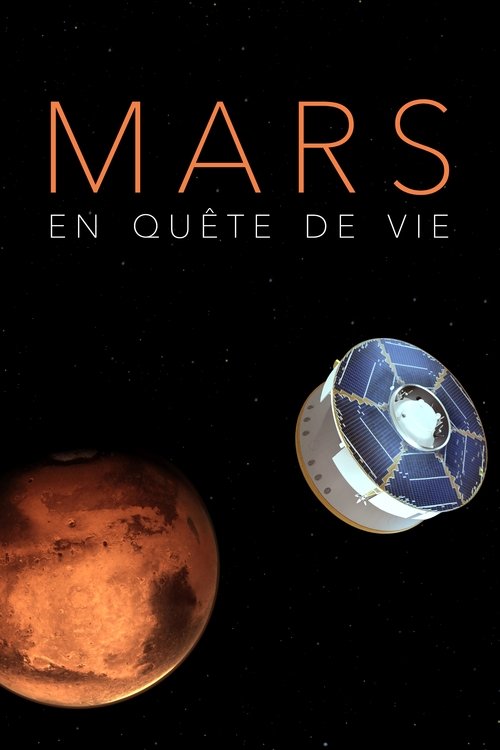
Y a-t-il eu de la vie sur Mars ? Telle est la question à laquelle doit répondre l’astromobile Perseverance, lancé le 30 juillet 2020 par le Jet Propulsion Laboratory de la Nasa, dans le cadre de la mission Mars 2020. Après un voyage de près de 500 millions de kilomètres, l’engin s’est posé le 18 février 2021 dans le cratère rocheux Jezero, un delta de rivière asséché sur la planète rouge.
En 2015, l’exploration de Pluton à 5 milliards de kilomètres de la Terre par la sonde de la NASA New Horizons révélait un paysage extraterrestre de montagnes de glaces et de plaines de méthane et d’azote gelés. En janvier 2019, la sonde, lancée à une vitesse moyenne de 53 000 km/h, franchit une nouvelle étape en s’aventurant pour la première fois au-delà de la planète naine. À 6,5 milliards de kilomètres de la Terre, elle frôle Ultima Thulé. Découvert en 2014 par le télescope spatial Hubble, cet astéroïde de 25 kilomètres de diamètre, situé au cœur de la ceinture de Kuiper, est considéré comme un vestige des débuts du Système solaire. Son exploration pourrait lever le voile sur l’énigmatique formation de nos planètes.
Deux ans après son lancement, le télescope spatial James-Webb a fourni aux scientifiques de précieuses données qui pourraient révolutionner notre connaissance de l’Univers et de son passé. En compagnie de chercheurs du monde entier, un exaltant tour d’horizon de ses premières découvertes.
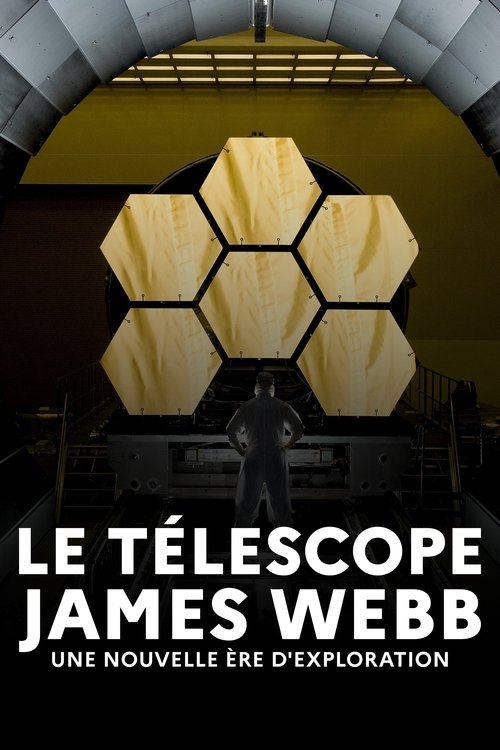
Trente ans furent nécessaires à la conception du télescope James-Webb, l’instrument d’observation le plus puissant jamais lancé dans l'espace. Retour sur une aventure scientifique sans précédent, jalonnée d’obstacles à la mesure de sa folle ambition.
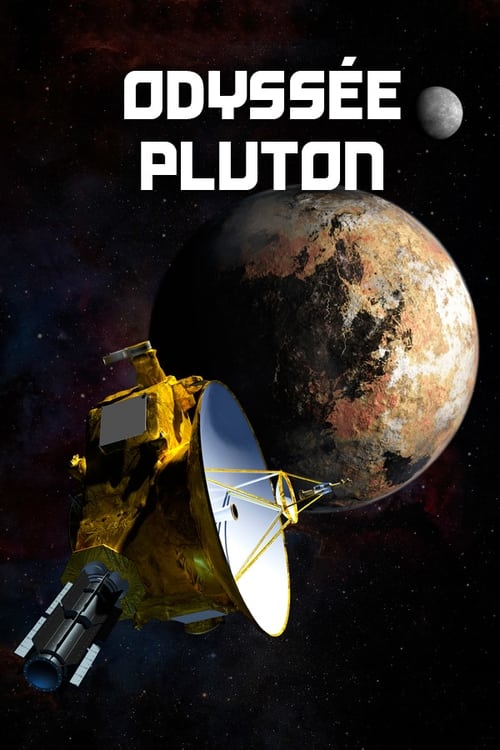
Le 19 janvier 2006, la Nasa mettait la touche finale à un projet colossal en faisant décoller une sonde chargée de fournir la première reconnaissance de Pluton et de ses satellites. Le voyage, prévu pour durer neuf ans, ne s'achèvera réellement qu'en 2030 : après Pluton, la sonde New Horizons doit encore explorer la ceinture de Kuiper, anneau de débris et d'astéroïdes qui délimite notre Système solaire… Située à 4,77 milliards de kilomètres de notre planète, soit trente-deux fois la distance entre la Terre et le Soleil, Pluton a toujours eu une place à part dans le cœur du public. Sa distance en a fait un objet de fascination, sentiment qui s'est mué en soutien sans faille lorsque Pluton a été rétrogradée au rang de "planète naine" en 2006. Ce documentaire retrace les péripéties du voyage de la sonde, du suspense face aux dangereux champs de débris jusqu'à l'attente anxieuse des premiers clichés, avec de splendides vues numériques de l'espace.
Ce film raconte la genèse d’un projet pharaonique en cours d’étude, évalué à 10 milliards de dollars : relier la mer Rouge à la mer Morte pour renflouer cette dernière. Ce plan novateur, élaboré par une équipe de scientifiques, permettrait aux Palestiniens, Israéliens et Jordaniens de trouver, pour une fois, un accord tripartite inédit. Il comprend notamment un canal faramineux et une usine de dessalement géante. Mais ce qui constituerait la plus grande expérience de chimie de l’eau au monde se heurte pour le moment à de nombreux obstacles.