Shimon Peres
Acting
Biography
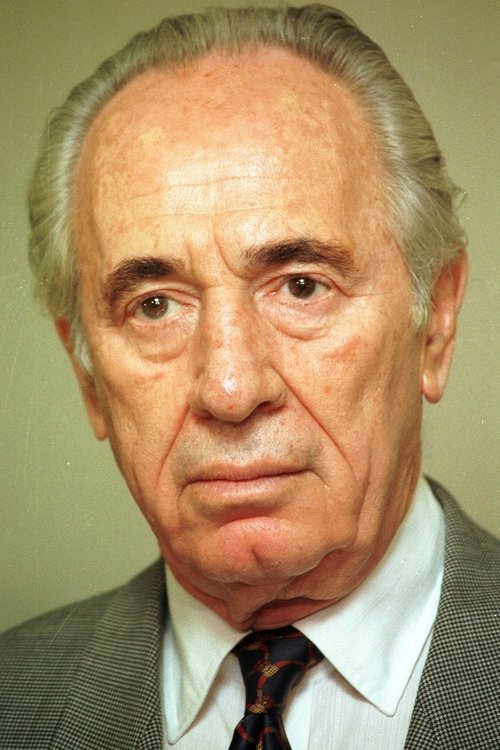
Shimon Peres (Hebrew: שמעון פרס; born Szymon Perski; 2 August 1923 – 28 September 2016) was an Israeli politician and statesman who served as the prime minister of Israel from 1984 to 1986 and from 1995 to 1996 and as the president of Israel from 2007 to 2014. He was a member of twelve cabinets and represented five political parties in a political career spanning 70 years. Peres was elected to the Knesset in November 1959 and except for three months out of office in early 2006, served as a member of the Knesset continuously until he was elected president in 2007. Serving in the Knesset for 48 years (with the first uninterrupted stretch lasting more than 46 years), Peres is the longest serving member in the Knesset's history. At the time of his retirement from politics in 2014, he was the world's oldest head of state and was considered the last link to Israel's founding generation, as well as the last Prime Minister to make aliyah rather than being born on territory that would become Israel. From a young age, he was renowned for his oratorical brilliance, and was chosen as a protégé by David Ben-Gurion, Israel's founding father. He began his political career in the late 1940s, holding several diplomatic and military positions during and directly after the 1948 Arab–Israeli War. His first high-level government position was as deputy director general of defense in 1952 which he attained at the age of 28, and director general from 1953 until 1959. In 1956, he took part in the historic negotiations on the Protocol of Sèvres, which was described by British prime minister Anthony Eden as the "highest form of statesmanship". In 1963, he held negotiations with U.S. President John F. Kennedy, which resulted in the sale of Hawk anti-aircraft missiles to Israel, the first sale of U.S. military equipment to Israel. Peres represented Mapai, Rafi, the Alignment, Labor and Kadima in the Knesset, and led Alignment and Labor. Peres first succeeded Yitzhak Rabin as acting prime minister briefly during 1977, before becoming prime minister from 1984 to 1986. As foreign minister under Prime Minister Rabin, Peres engineered the 1994 Israel–Jordan peace treaty, and won the 1994 Nobel Peace Prize together with Rabin and Yasser Arafat for the Oslo Accords peace talks with the Palestinian leadership. In 1996, he founded the Peres Center for Peace, which has the aim of "promot[ing] lasting peace and advancement in the Middle East by fostering tolerance, economic and technological development, cooperation and well-being." After suffering a stroke, Peres died in 2016 near Tel Aviv. ... Source: Article "Shimon Peres" from Wikipedia in English, licensed under CC-BY-SA.
Known For
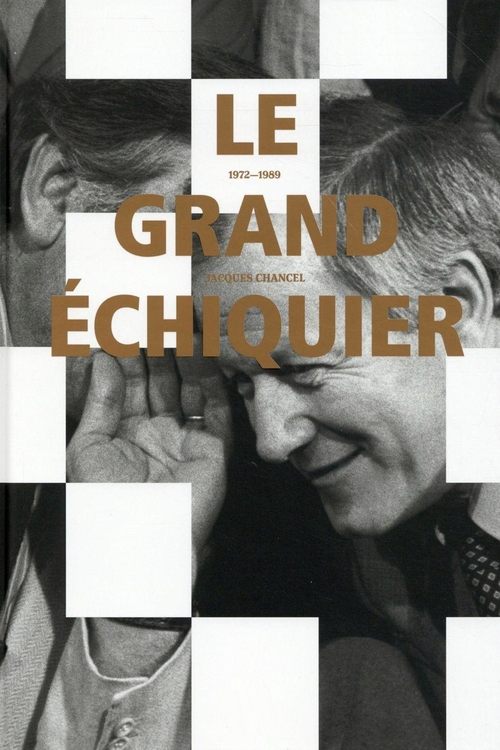
Le Grand Échiquier is a French variety television program created and presented by Jacques Chancel. It aired at 8:30 pm on the first channel of the ORTF from January 12, 1972 to July 12, 1972, then on the second color channel of the ORTF from September 1972 to December 1974, and finally on Antenne 2 from January 1975 to December 21, 1989. The program returned to France 2 on December 20, 2018 and is hosted by Anne-Sophie Lapix.
Le Grand Échiquier
No description available.
Sabine Christiansen

In-depth interviews with hard-hitting questions and sensitive topics being covered as famous personalities from all walks of life talk about the highs and lows in their lives.
HARDtalk
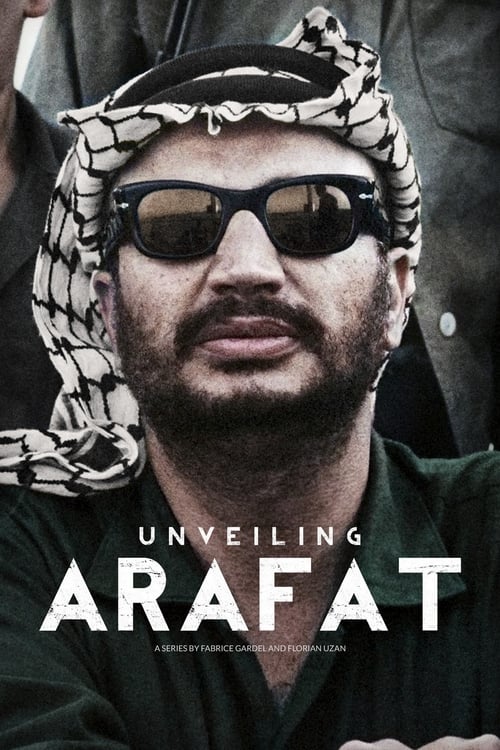
A portrait of Palestinian political leader Yasser Arafat (1929-2004).
Unveiling Arafat

Decision-makers from Israel, the Arab states, Russia, and the U.S. tell the inside story of the Arab-Israel conflict. Charts the evolution of tensions, violence, and peace efforts from 1948 to 1998.
The 50 Years War: Israel and the Arabs
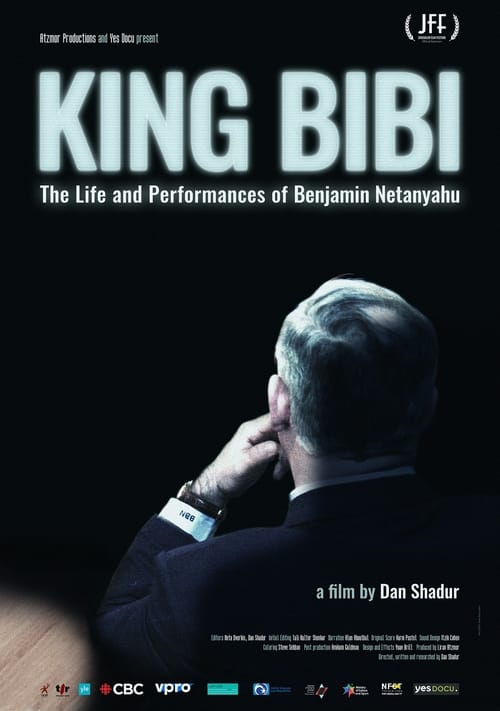
Twenty years before the spectacle of Donald Trump, Benjamin Netanyahu already understood the political benefits of a toxic relationship with the media, and direct communication with the public. King Bibi explores Netanyahu's rise to power, relying solely on archival footage of his media performances over the years: from his days as a popular guest expert on American TV, through his public confession of adultery, and his mastery of the art of social media. From one studio to another, "Bibi" evolved from Israel's great political hope, to a controversial figure whom some perceive as Israel's savior, and others - as a cynical politician who will stop at nothing to retain his power.
King Bibi
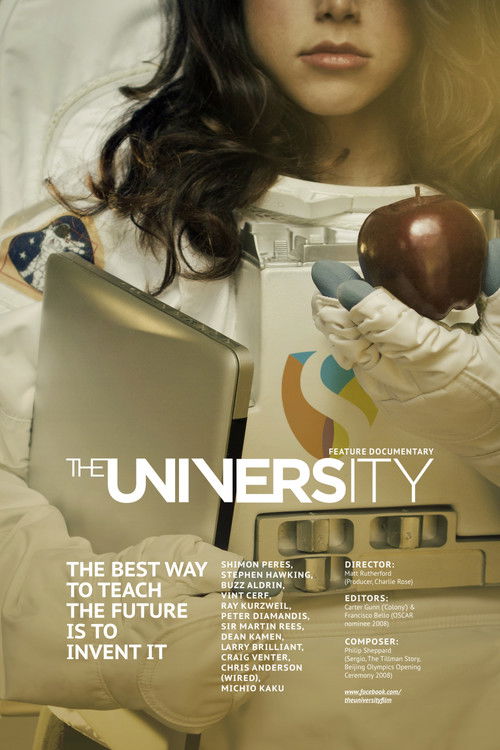
On a NASA research base in Silicon Valley, there's an organization that's changing the world ... Singularity University (SU). Created by renowned futurist Ray Kurzweil and entrepreneur Peter Diamandis, with support from NASA, Google, and others, the university brings in some of the smartest students from around the world, and gives them a crash course in the most powerful exponential technologies on the planet. The students are then given a challenge: create companies that will impact a billion people within ten years. The film follows the students and their companies over five years, as they use the support of scientists, astronauts and billionaires in their attempt to make a dent in the universe.
The University
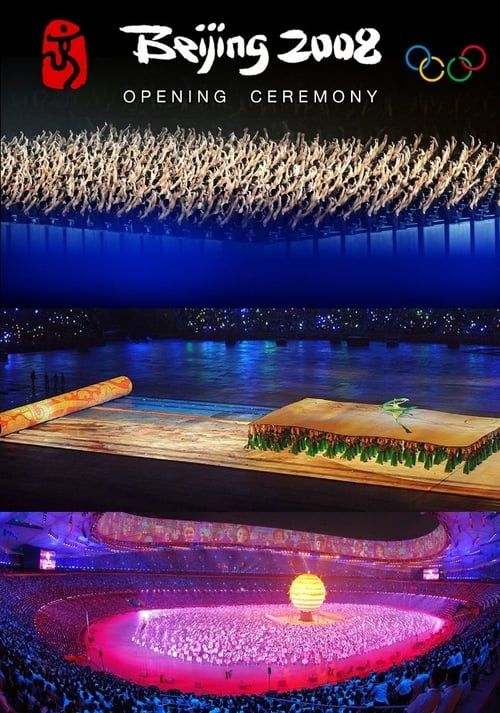
The 2008 Summer Olympics opening ceremony was held at the Beijing National Stadium, also known as the Bird's Nest. It began at 8:00 p.m. China Standard Time (UTC+8) on August 8, 2008, as 8 is considered to be a lucky number in Chinese culture. Featuring more than 15,000 performers, the ceremony lasted over four hours and cost over $100 million USD to produce.
Beijing 2008 Olympic Opening Ceremony
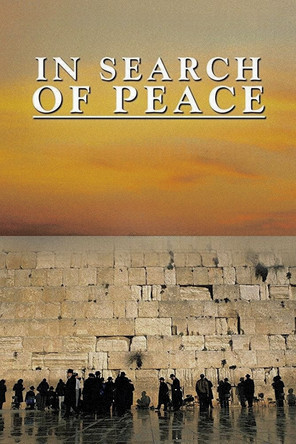
In Search of Peace: 1948-1967 chronicles Israel's first two decades, offering new insights on the origins of the Middle East conflict. Combining a rich tapestry of rare archival film and photos, the film offers a unique global perspective on one of the seminal events in the 3,500-year history of the Jewish people. Featuring the voices of Edward Asner, Anne Bancroft, Richard Dreyfuss, Miriam Margolyes and Michael York. "An unabashedly emotional and stirring inspirational history of Israel..."
In Search of Peace
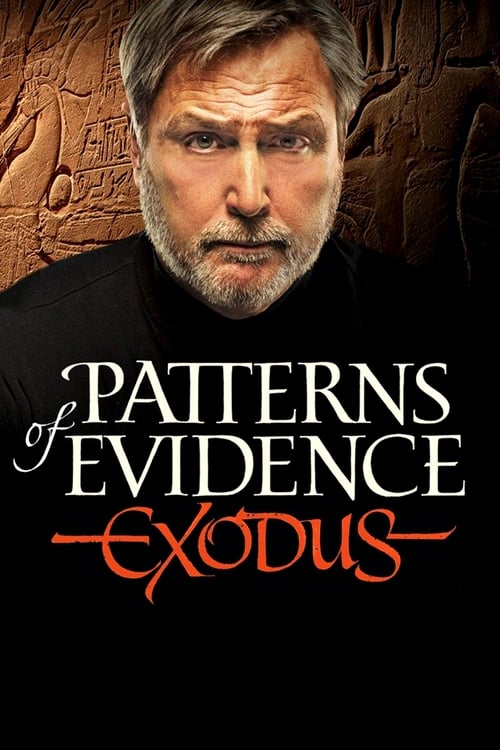
A debate rages over the credibility of the Bible. Most archaeologists today have concluded that there's no evidence that the Exodus of Israelite slaves from Egypt ever happened. Filmmaker Timothy Mahoney faces a crisis of faith: "Is this foundation event of the Bible really just a myth?" He embarks on a 12-year journey around the world to search for answers. The Exodus unlocks the mystery of this ancient saga, combining a scientific investigation with a retelling of the Exodus story to reveal an amazing pattern of evidence matching the biblical account that may challenge our understanding of history.
Patterns of Evidence: The Exodus
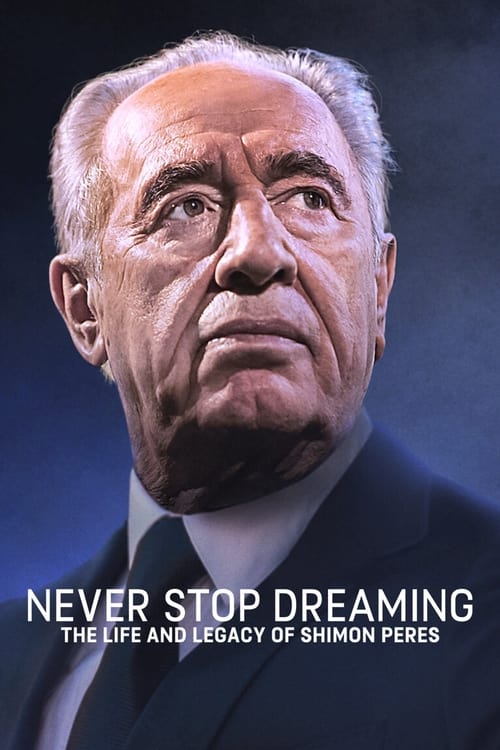
A look back on the life of Nobel Peace Prize winner, Shimon Peres, who served as prime minister of Israel twice and negotiated the 1994 Israel-Jordan peace treaty.
Never Stop Dreaming: The Life and Legacy of Shimon Peres

Israel and the Arabs: Elusive Peace is the name of a three-part British documentary series shown in October 2005 on BBC Two about the attempts to settle the Israeli–Palestinian conflict after the 2000 Camp David Summit. The series was produced by Norma Percy, who had produced The Death of Yugoslavia before. Like her previous series, Israel and the Arabs: Elusive Peace relies extensively on in-depth interviews with key players involved in this issue, such as Ehud Barak, Bill Clinton, and Colin Powell.
Israel and the Arabs - Elusive Peace

Itzhak Rabin's murder ended all efforts of peace, and with him the whole left wing of Israel died. The movie shows the last of his days as prime minister, and what led to his murder.
Rabin, the Last Day
2003 documentary film produced by Oliver Stone for the HBO series America Undercover about the conflict in occupied Palestine. He speaks with Ehud Barak and Benjamin Netanyahu, former prime ministers of Israel, Yasser Arafat, late president of the Palestinian National Authority, and various Palestinian activists resisting the oppression of the zionist regime.
Persona Non Grata
What kind of world power is Iran becoming, and how will Western countries deal with it?
Iran: The Hundred Year War
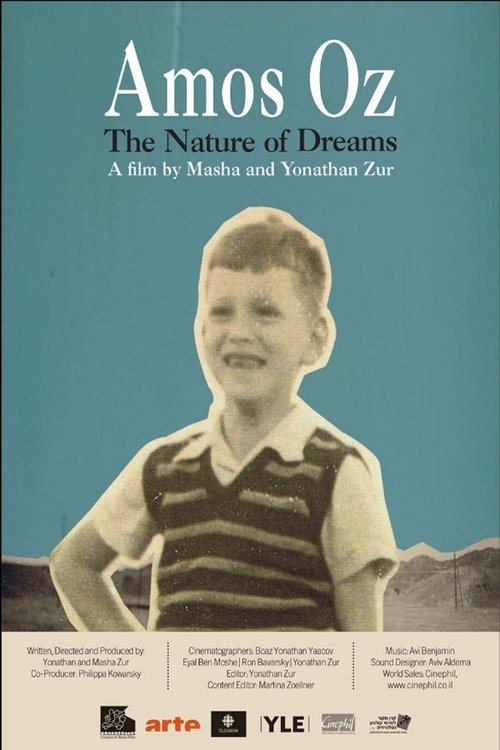
The film chronicles 2 years in the life of Amos Oz as he meets readers in Israel and around the world, working to promote the Two-State Solution to the Israeli-Palestinian Conflict.
Amos Oz: The Nature of Dreams
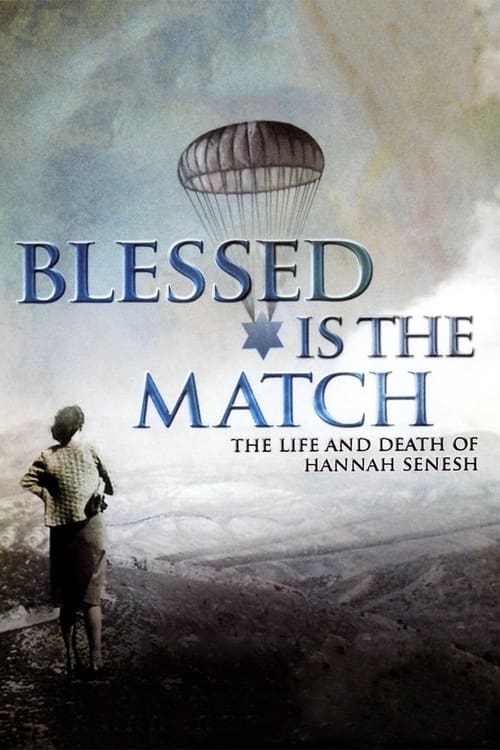
The story of Hannah Senesh, a Hungarian poet who was captured by the Nazis, while trying to rescue Jews in WWII.
Blessed Is the Match: The Life and Death of Hannah Senesh

Leila Khaled was the first woman to hijack a plane. In 1969, she showed her grenades to the terrified passengers by order of the Che Guevara commando unit of the Popular Front for the Liberation of Palestine. Through the ensuing media bombardment, she put the Palestinian nation on the global map. The pretty 24-year-old Leila became a hero to many Palestinians, including the Swedish/Palestinian teenager Lina Makboul, who is now a filmmaker. At least Leila dared to do something, Lina thought at the time. She visits Leila 35 years later with a camera, and finds a woman who does not regret anything.
Leila Khaled: Hijacker
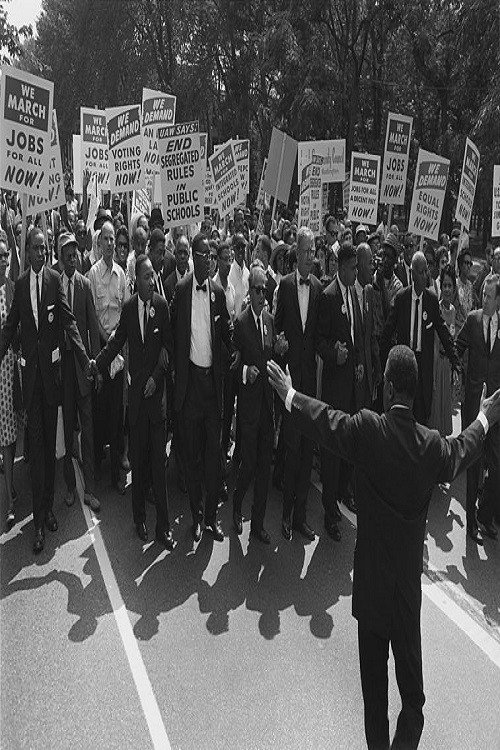
Bringing together historic footage of the August 1963 March on Washington and the 1960's in the modern State of Israel, "We Have a Dream" explores what it means "to hope" and "to be free". (Produced for the non-profit initiative ISRAELrealNATION.)
We Have A Dream
This is an independent documentary film that tells the stories of Jewish people who were displaced by the Second World War, but concentrates on the vibrant cultural and family life they experienced in their youth that ultimately was most influential in their lives. It explores the connection between old age and childhood, asking questions about what remainsof childhood in our later years, as well as engaging interesting issues of self- identity, Jewish identity, and the struggle to make any sense of our experience. It includes interviews with Shimon Peres, President of the state of Israel, Walter Kohn, Nobel laureate in Chemistry, Robert Aumann, Nobel Laureate in economics, and Children's book author Uri Orlev.