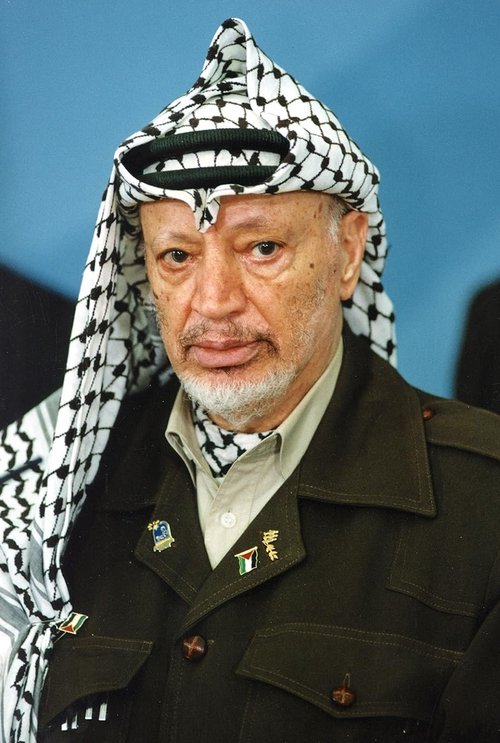
Yasser Arafat
Acting
Biography
Yasser Arafat (in Arabic: ياسر عرفات), born August 24, 1929 in Cairo, Egypt and died November 11, 2004 in Clamart (Hauts-de-Seine, France), real name Mohamed Abdel Raouf Arafat al-Quudwa al- Husseini (Arabic: محمد عبد الرؤوف عرفات القدوة الحسيني) and also known by his nickname (kounya) of Abou Ammar, is a Palestinian activist and statesman. Leader of Fatah and then also of the Palestine Liberation Organization, Yasser Arafat remained for several decades a controversial figure in the expression of the national aspirations of the Palestinians before appearing for Israel as a partner in discussions within the framework of the process. of Israeli-Palestinian peace in the 1990s. Yasser Arafat then represented the Palestinians in the various peace negotiations and signed the Oslo Accords in 1993. He became the first president of the new Palestinian Authority and received the 1994 Nobel Peace Prize alongside Shimon Peres and Yitzhak Rabin. From 2001, after the failure of the Taba summit and the outbreak of the second intifada, he gradually lost his credit with part of his people who reproached him for the corruption of his authority. He found himself isolated on the international scene while the Israelis elected Ariel Sharon to the post of Prime Minister of Israel, leading to a hardening of the Israeli position towards the Palestinian leader, forced to no longer leave Ramallah. This isolation was only broken on the eve of his death, when he was rushed to Clamart, where he died at the age of 75. In 2012, the remains of Yasser Arafat were exhumed to study the hypothesis of death by polonium 210 poisoning. The team of Swiss experts concluded that it was poisoning, but the Russian and French teams concluded that it was death from old age. following gastroenteritis. According to the Swiss newspaper Le Temps, Yasser Arafat died of polonium poisoning in 2004, the Al-Jazeera news channel and his widow Souha said on Wednesday. They are based on the report from the Institute of Radiophysics of Lausanne, which analyzed the remains of the former Palestinian leader, who died in 2004 in Paris.
Known For

Long-running Channel 4 documentary series covering issues about British society, politics, health, religion, international current affairs and the environment. Known for featuring a mole inside organisations under journalistic investigation.
Dispatches

World in Action was Granada Television’s flagship ITV current affairs series, running from 7 Jan 1963 to 7 Dec 1998, and built a reputation for film-led investigative reporting and a forceful editorial stance. Its journalism produced major public and political repercussions—including investigations associated with miscarriages of justice such as the Birmingham Six—and it also served as a platform for landmark documentary projects, including the first broadcast of “Seven Up!” as part of the strand in 1964.
World in Action
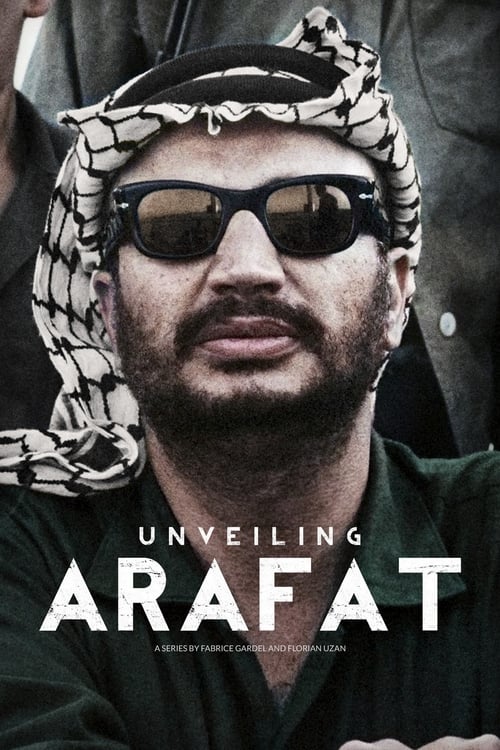
A portrait of Palestinian political leader Yasser Arafat (1929-2004).
Unveiling Arafat
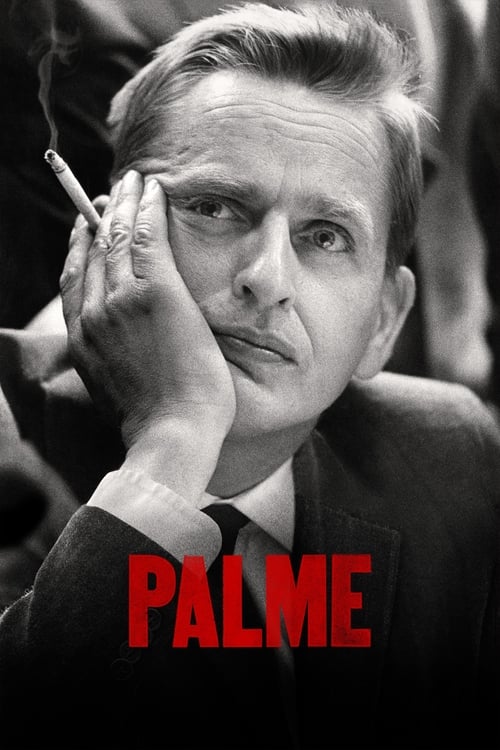
Swedish Prime Minister Olof Palme was openly shot to death on a February evening 1986 on the streets of Stockholm. In one night, the country of Sweden was transfigured. “Palme” is about his life, his time, and about the Sweden he had created. About a man who altered history.
Palme

In 1980, the black Falashas in Ethiopia are recognised as genuine Jews and are secretly carried to Israel. The day before the transport the son of a Jewish mother dies. In his place and with his name (Schlomo) she takes a Christian 9-year-old boy.
Live and Become
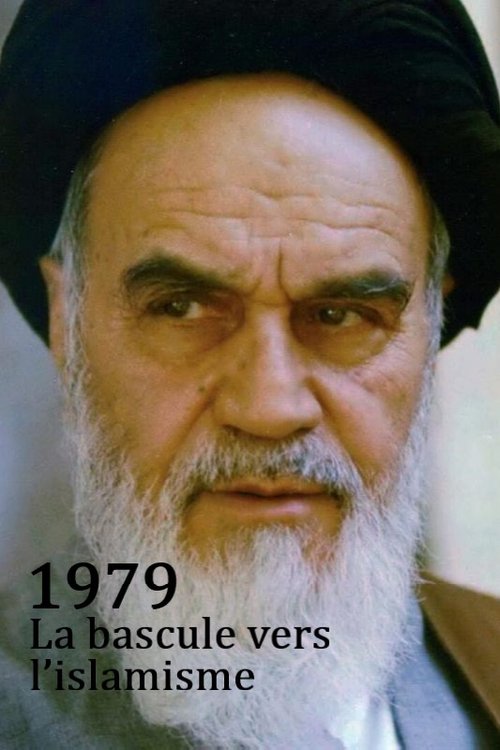
During the 1970s the Middle East was a battleground for the Cold War; liberal pro-Western forces battled with pro-Soviet Arab Nationalists and Baathists. But in 1979 a series of events – the Iranian Revolution, Egypt’s peace with Israel, the Mecca Mosque Siege, and the Soviet Invasion of Afghanistan – contributed to a radical change in the mind-set of the region and its leaders. It was the start of the meteoric rise of radical Islam.
1979 - The Year Of The Islamist Revolution

Decision-makers from Israel, the Arab states, Russia, and the U.S. tell the inside story of the Arab-Israel conflict. Charts the evolution of tensions, violence, and peace efforts from 1948 to 1998.
The 50 Years War: Israel and the Arabs
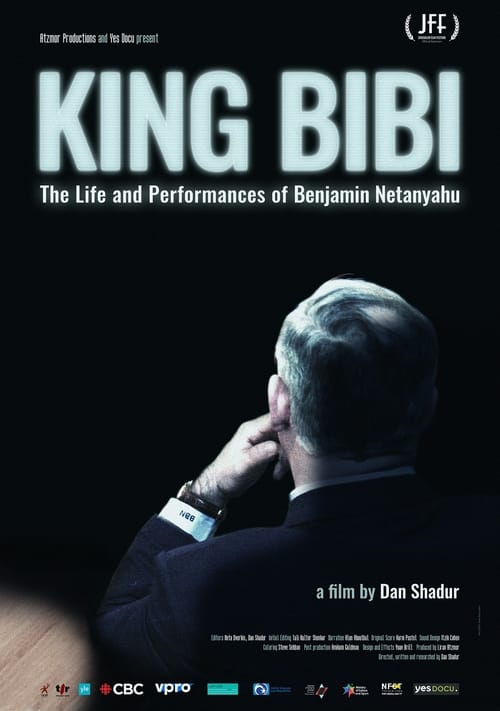
Twenty years before the spectacle of Donald Trump, Benjamin Netanyahu already understood the political benefits of a toxic relationship with the media, and direct communication with the public. King Bibi explores Netanyahu's rise to power, relying solely on archival footage of his media performances over the years: from his days as a popular guest expert on American TV, through his public confession of adultery, and his mastery of the art of social media. From one studio to another, "Bibi" evolved from Israel's great political hope, to a controversial figure whom some perceive as Israel's savior, and others - as a cynical politician who will stop at nothing to retain his power.
King Bibi
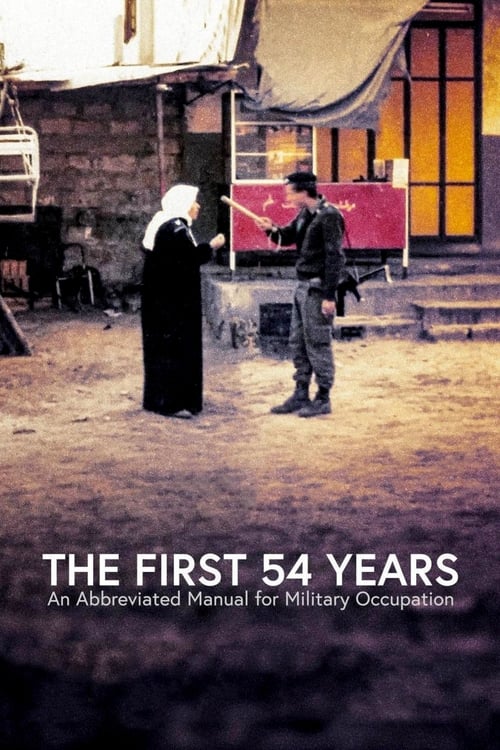
An exhaustive explanation of how the military occupation of an invaded territory occurs and its consequences, using as a paradigmatic example the recent history of Israel and the Palestinian territories, the West Bank and the Gaza Strip, from 1967, when the Six-Day War took place, to the present day; an account by filmmaker Avi Mograbi enriched by the testimonies of Israeli army veterans.
The First 54 Years: An Abbreviated Manual for Military Occupation
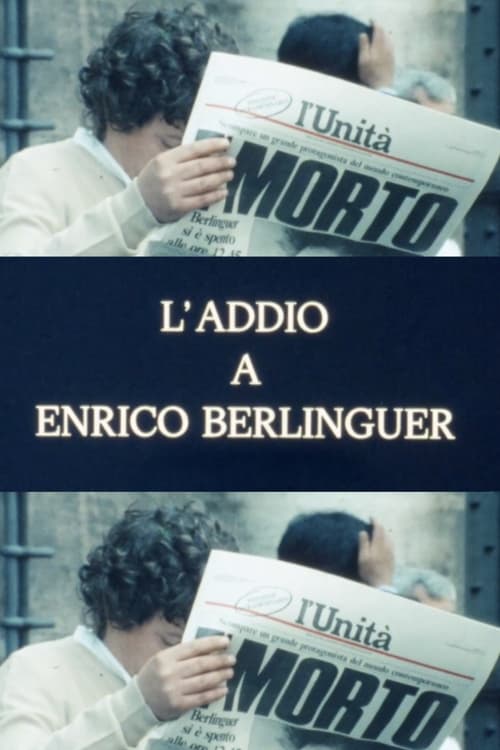
A film of Enrico Berlinguer's funeral in Rome, briefly tracing his career as leader of the Italian Communist Party.
Farewell to Enrico Berlinguer

A young Arab is caught between cultures as he is sent to a prestigious Jewish boarding school in Israel in the 1980s.
Dancing Arabs
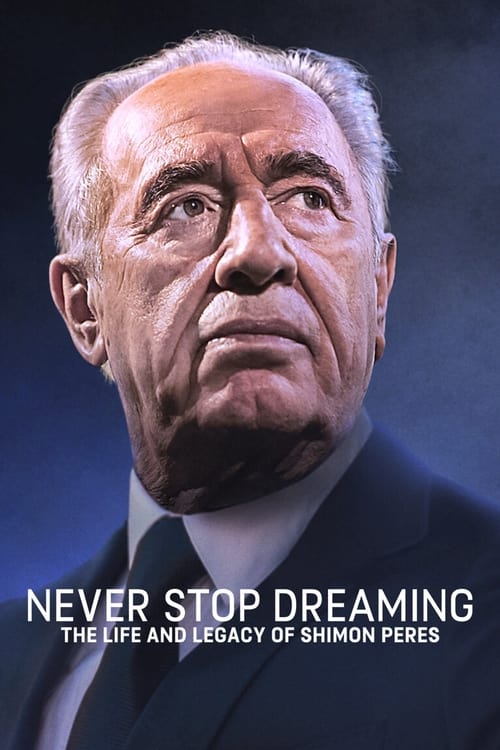
A look back on the life of Nobel Peace Prize winner, Shimon Peres, who served as prime minister of Israel twice and negotiated the 1994 Israel-Jordan peace treaty.
Never Stop Dreaming: The Life and Legacy of Shimon Peres
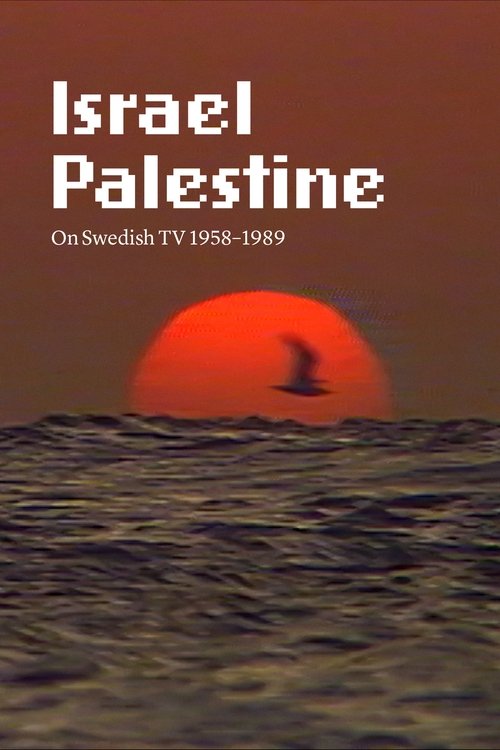
Archival film maestro Göran Hugo Olsson has assembled—from a vast catalogue of footage in the vaults of Sweden’s national television service SVT—accounts of the Israeli-Palestinian conflict as witnessed and represented by Swedish journalists. Stories of the beginning of the Israeli state interwoven with the Palestinian struggle for independence. News coverage with Yasser Arafat and interviews with Israeli foreign minister Abba Eban during a visit to Sweden unseen since first broadcast. From the tenth anniversary of Israel’s founding to the First Intifada, perspectives and encounters with statesmen, civilians, revolutionaries, and intellectuals tell the story from myriad angles of an evolving media landscape, revivifying a history of the ongoing conflict.
Israel Palestine on Swedish TV 1958-1989
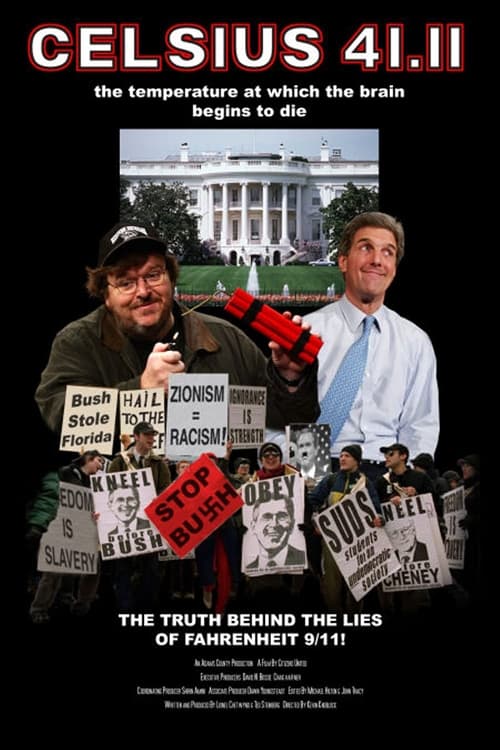
This film attempts to correct the record when it comes to the left's attacks on President Bush, 9/11 and the war in Iraq and Kerry's 20-year tenure in the Senate.
Celsius 41.11
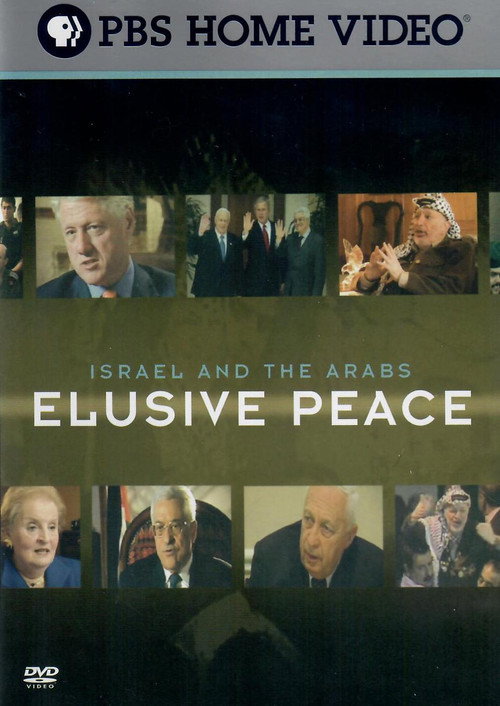
Israel and the Arabs: Elusive Peace is the name of a three-part British documentary series shown in October 2005 on BBC Two about the attempts to settle the Israeli–Palestinian conflict after the 2000 Camp David Summit. The series was produced by Norma Percy, who had produced The Death of Yugoslavia before. Like her previous series, Israel and the Arabs: Elusive Peace relies extensively on in-depth interviews with key players involved in this issue, such as Ehud Barak, Bill Clinton, and Colin Powell.
Israel and the Arabs - Elusive Peace

ROCKIN' RONNIE 80's Political Satire Comedy of Ronald Reagan Bloopers.
Rockin' Ronnie
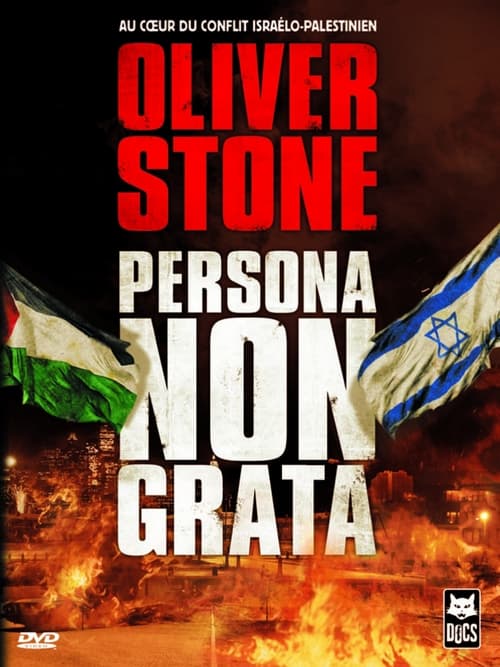
2003 documentary film produced by Oliver Stone for the HBO series America Undercover about the conflict in occupied Palestine. He speaks with Ehud Barak and Benjamin Netanyahu, former prime ministers of Israel, Yasser Arafat, late president of the Palestinian National Authority, and various Palestinian activists resisting the oppression of the zionist regime.
Persona Non Grata
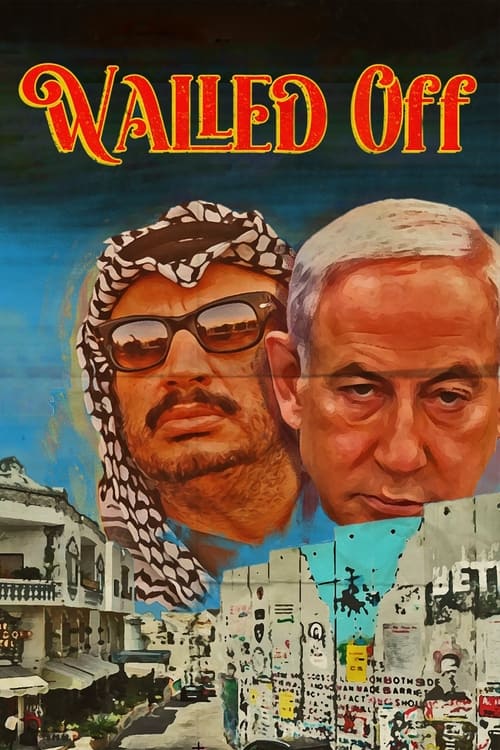
A secret museum in an art hotel sparks intrigue when it's revealed to be a creation of controversial artist, Banksy. Using art as a form of political resistance, the hotel highlights the reality of life under Israeli military occupation. The film journeys through the hotel, Palestine, and a relevant past to dismantle the mainstream media's bias towards the Palestinian struggle for freedom and equality.
Walled Off
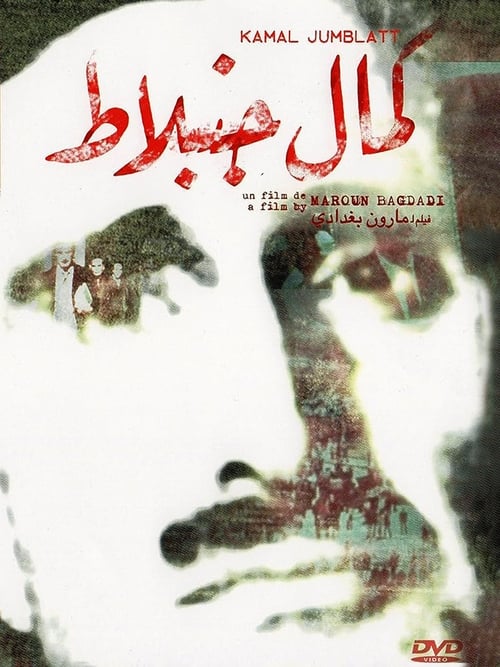
Tribute to the Druze Kamal Jumblatt, Minister of Economy and Agriculture (1946) and founder of the Progressive Socialist Party (PSP) in 1949. He was one of the architects of the departure of President Bechara el-Khoury (1952), before playing a major role in the events of 1958. From 1960 to 1964, Kamal Jumblatt assumed, under the presidency of Fouad Chehab, various ministerial functions . . After the conflict of June 1967, he gradually approached the Palestinian organizations. In 1969 he became Minister of the Interior; in August 1970, he supported the election of Soleiman Frangié as President of the Republic. Following the Lebanese-Palestinian clashes of May 1973, he took sides against the head of state, established himself as the leader of the National Movement in 1975 and engaged in a revolutionary armed struggle against the Lebanese Front. Hostile to Syria's intervention in Lebanon, he broke with it (March 1976). He was assassinated near a Syrian checkpoint in 1977.
Greetings to Kamal Jumblatt
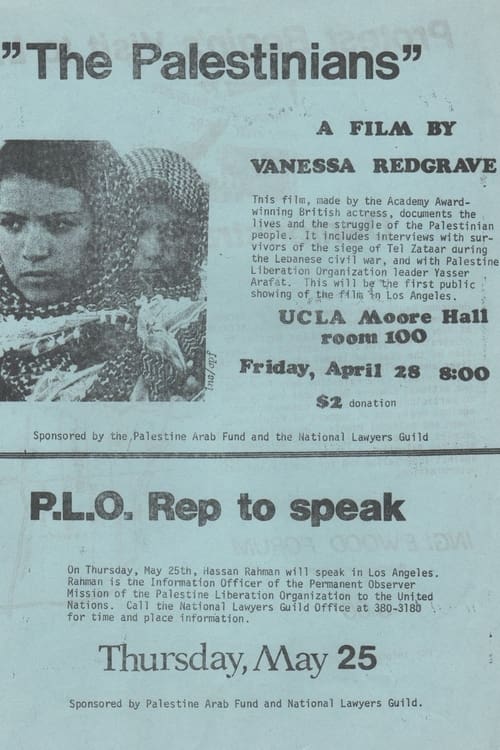
A powerful Palestinian documentary starring Vanessa Redgrave about the PLO (Palestine Liberation Organization) and its role in Lebanon, as well as the daily struggles and resistance of the Palestinian people under Israeli occupation. Filmed right after the Tel al-Zaatar massacre, the film highlights the Palestinian fight for identity, dignity, and homeland.