Mark Hayhurst
Writing
Known For
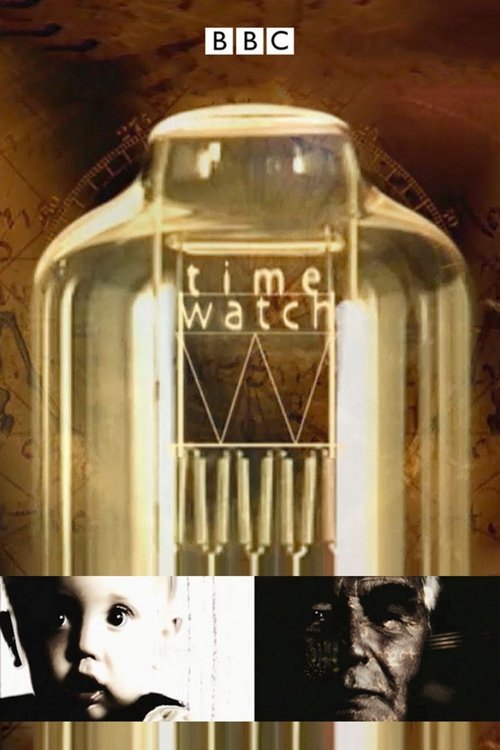
Timewatch is a long-running British television series showing documentaries on historical subjects, spanning all human history. It was first broadcast on 29 September 1982 and is produced by the BBC, the Timewatch brandname is used as a banner title in the UK, but many of the individual documentaries can be found on US cable channels without the branding.
Timewatch
If... is a series of BBC drama-documentaries broadcast on BBC Two from March to April 2004 and December 2004 to January 2005, each of which considers the potentially catastrophic political or social consequences that might arise from current trends in the United Kingdom. Using a drama with interviews from experts, then a discussion of the programme with a panel of experts from both sides of an argument. During the show a televote of opinion is cast.
If...
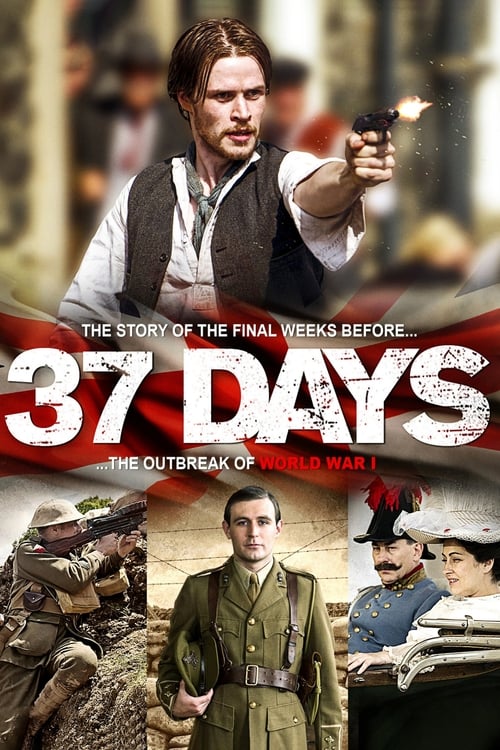
This three-part political thriller follows the catastrophic chain of events leading up to World War I from the assassination of Archduke Franz Ferdinand on 28 June 1914 to Britain's declaration of war on Germany 37 days later. This tense and gripping miniseries set among the corridors of power in Whitehall and Berlin tracks the unfolding crisis through the eyes of leading politicians and civil servants struggling to prevent the world's first global war. 37 Days unlocks the mystery of the war s origins, overturning assumptions about its inevitability, demonstrating that World War One was neither a chance happening nor was it a foregone conclusion.
37 Days
Five-part documentary detailing the migration of millions of African-Americans from the deep South to the industrial North, between 1942 and 1970. Uses archival materials and interviews, as well as a focus on music of the period and the present.
The Promised Land
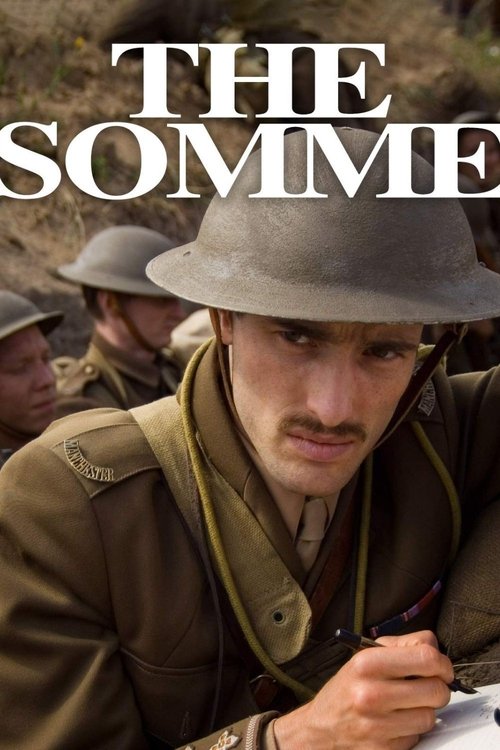
Drama-documentary recounting the events of the 1st July 1916 and the Battle of the Somme on the Western Front during the First World War. Told through the letters and journals of soldiers who were there.
The Somme
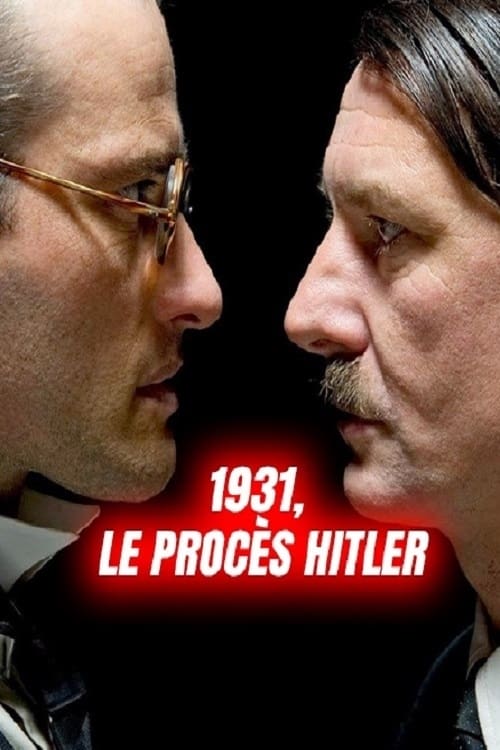
In the summer of 1931, with Germany on the brink of economic collapse, and the city of Berlin turning into a paramilitary war-zone, audacious young prosecutor Hans Litten (Stoppard) chose to summon a star witness to a trial of Nazi thugs. In spite of the risk to his own safety and against the advice of those who love him, Litten forced rising political star Adolf Hitler (Hart) to make a sensational appearance in the witness stand of Berlin's central criminal court. Litten aimed to expose the true character of Hitler and his politics to the German public, to reveal his hypocrisy and his violent ambitions, and in doing so, halt the electoral success of the Nazi Party. In a humiliating and hostile cross-examination, Hitler was forced to account for his political beliefs, his contempt for the law and his desire to destroy German democracy. For a brief moment, Hitler's political future was genuinely in the balance.
The Man who Crossed Hitler
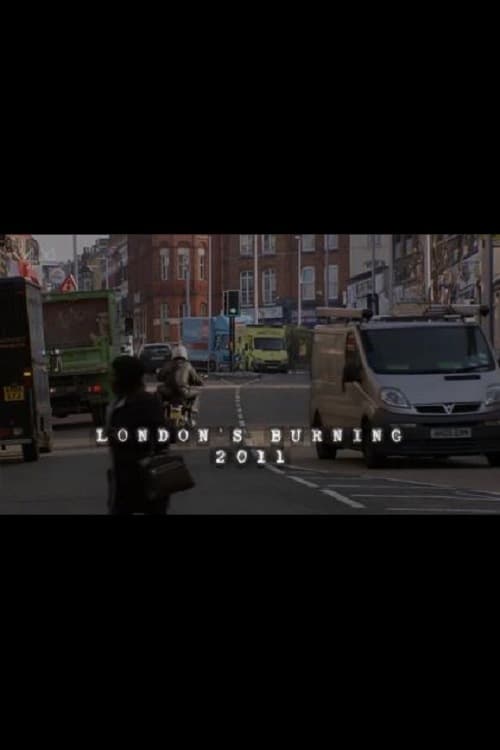
Dramatisation of the 2011 London riots, focusing pre-dominantly on events that occured in and around Clapham and incorporating actual footage from CCTV cameras, civilians and journalists
London's Burning
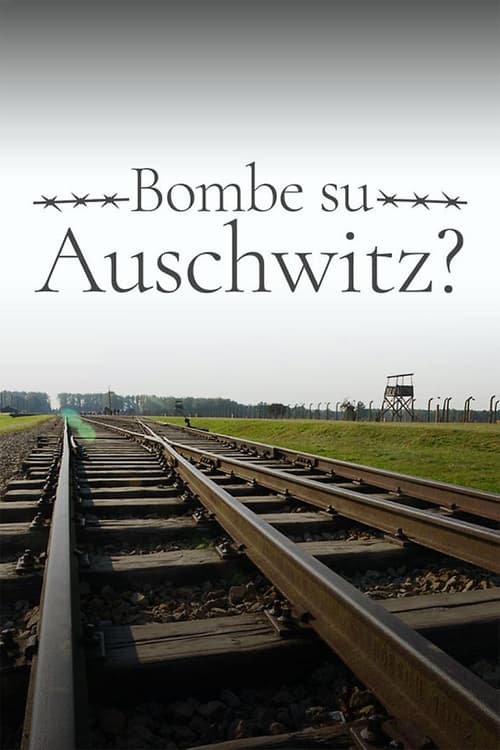
In 1944, two prisoners miraculously escaped from Auschwitz. They told the world of the horror of the Holocaust and raised one of the greatest moral questions of the 20th century.
1944: Should We Bomb Auschwitz?
In 1794, French revolutionary Maximilien Robespierre produced the world's first defense of "state terror" - claiming that the road to virtue lay through political violence. This film combines drama, archive and documentary interviews to examine Robespierre's year in charge of the Committee Of Public Safety - the powerful state machine at the heart of Revolutionary France. Contesting Robespierre's legacy is Slavoj Zizek, who argues that terror in the cause of virtue is justifiable, and Simon Schama, who believes the road from Robespierre ran straight to the gulag and the 20th-century concentration camp. The drama, based on original sources, follows the life-and-death politics of the Committee during "Year Two" of the new Republic.
Terror! Robespierre and the French Revolution

Told through documentary, drama and first-hand accounts, this revealing film is a unique account of the most ruthless IRA bombing campaign ever to hit mainland Britain.
The Year London Blew Up
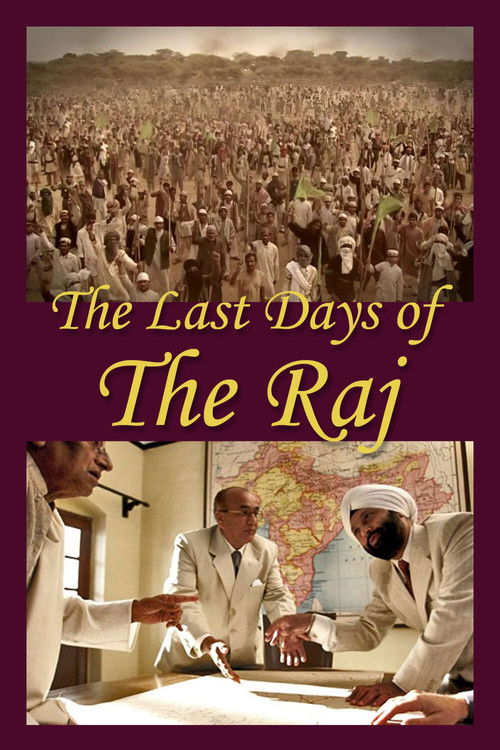
Lord Louis Mountbatten arrives in India in March 1947 as Britain's Last Viceroy. He is committed to transfer administrative and authoritative power to an independent and sovereign India. Six months later India indeed was set free, but it had also been partitioned and overwhelmed by an orgy of sectarian violence involving Hindus, Muslims and Sikhs.