Acting
In 1956, a crusading newspaper reporter covers the Soviet invasion of Hungary. Initially critical of the communists, the feature later espouses the virtues of social changes implemented since the invasion.
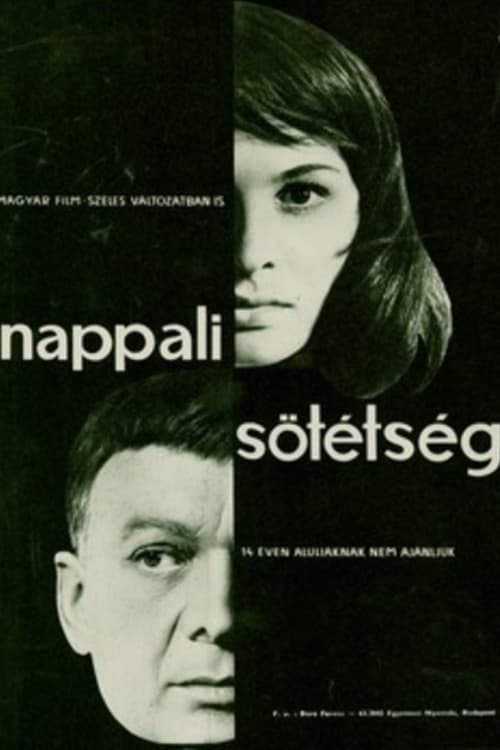
In 1963 in Tihany, somebody addresses the writer Gábor Náday. He is reminded of a night drive in 1944 that saved his life. Painful memories start coming to Náday.
No description available.
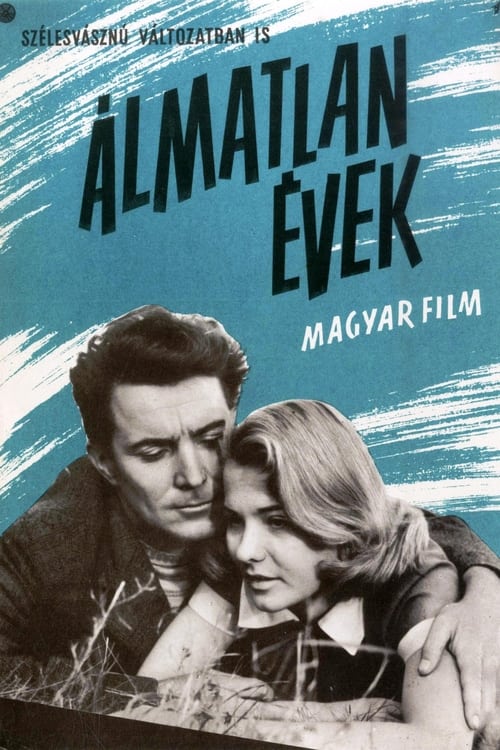
The "sleepless years" in this propaganda piece by director Felix Marlassy occur on Csepel Island, an island south of Budapest that is home to an armaments factory. The factory workers are shown being exploited by imperialists, capitalists gone berserk, and fascists, more or less in that exact chronological sequence. The heavy-handed approach does much to undercut the belief that when socialism finally takes over, the lives of the workers are brought up to a human level. In this instance, audiences might prefer a more nuanced and subtle statement, no matter what the message.
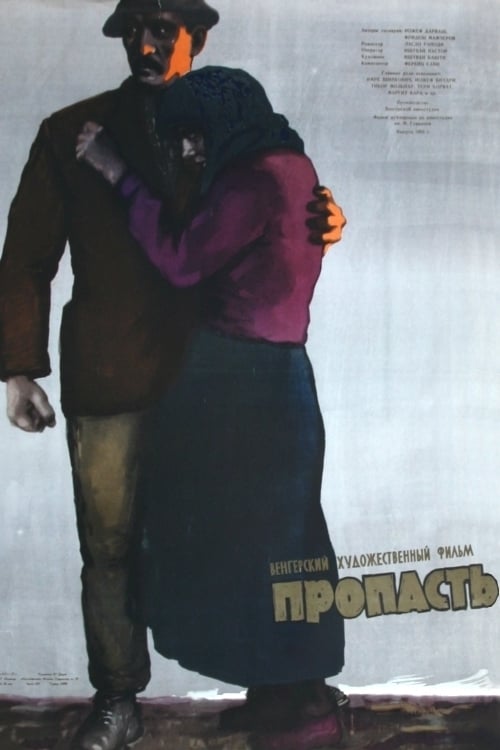
Nagy István, the formerly poor peasant boy returns to his native village as a teacher. His conviction is that the abyss between rich and poor can be diminished by good will. The rich Böröcz Horváth Klári returns his love, and also Böröcz Horváth is willing to help the poorest family, the Bakos. Bakos Jóska, who was sent to serve the tough Böröcz Horváth as a payment, dies of an infected wound and the people in the village hold the teacher liable as well. Nagy István realises, that the abyss cannot be ceased, what is more, it is impassable. He breaks up with his fiancée and stands by the side of the poor.
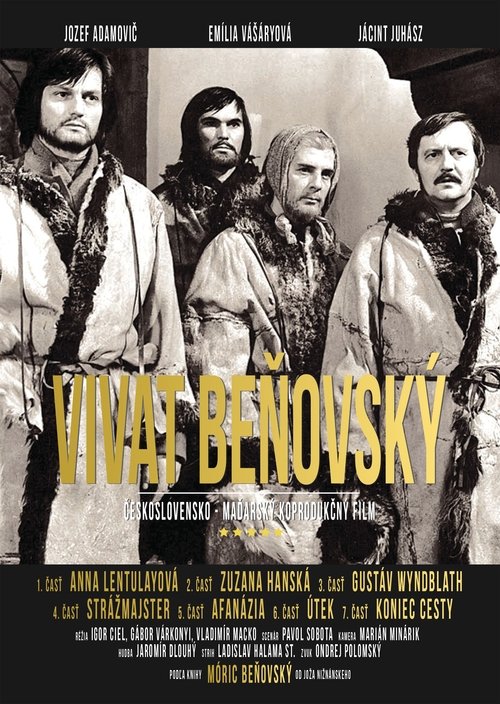
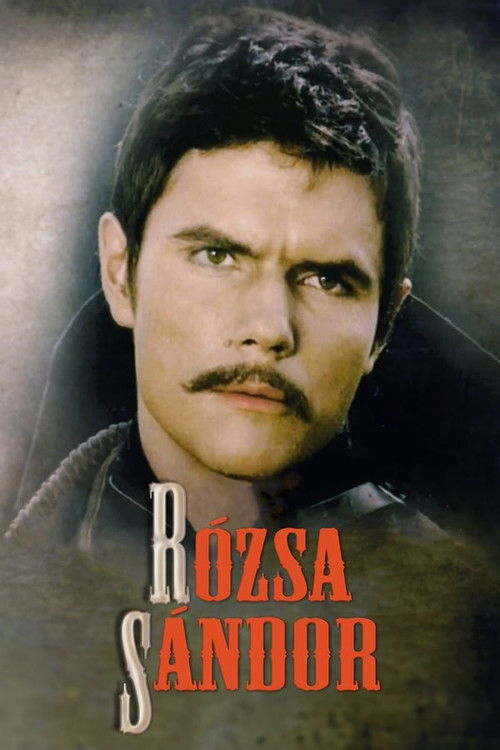
The rise and fame of Sándor Rózsa, the infamous outlaw of 19th century Hungary.
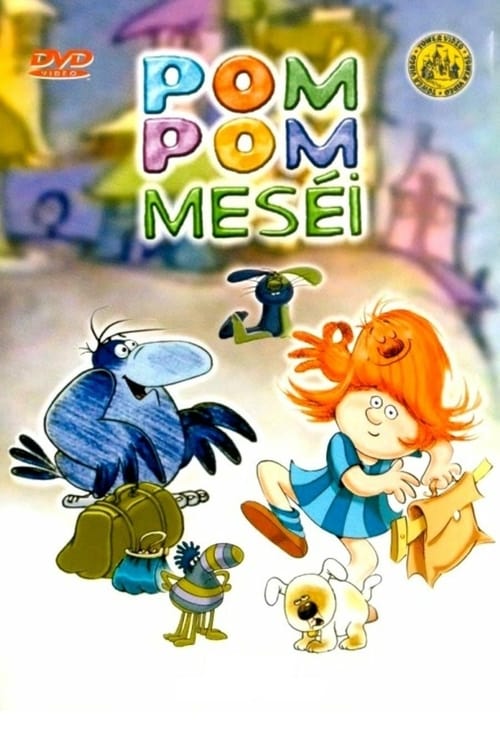
"Who is Pom Pom? How come you don't know me? Hoo! Nobody really knows me, because sometimes I'm like this, sometimes I'm like that. I can change my shape amazingly: if I want, I am like a fur patch, or a wig, or one-finger fur gloves turned inside out, or a room-painting scrub, or a cotton tassel on the toe of a slipper. Now I look most like a fur hat, sitting on the branch, a nice long branch, up-heh-heh-heh, down-heh-heh-heh, as a breeze sways the branch..."
A brothel in a small Hungarian town becomes the home of a medical student after his favorite working girls find out he's out of rent money. Trouble brews as they learn his mother is coming for a visit and they must transform the house.
A young peasant boy stands up to tyranny, aided by his trusting friend- a goose.
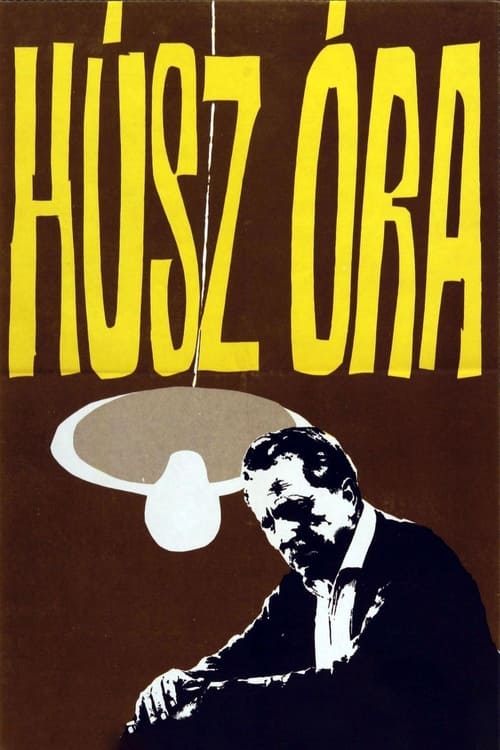
A governor of Tsarist Russia throws a punch at striking workers. Many die as the governor looks on dutifully. From that moment on, he feels he has sinned against the people and expects to be killed too. Despite all the precautions taken by the chief of police, the governor cannot escape his fate, an eye for an eye, a tooth for a tooth - the principle of talio is fulfilled.
Feature film version of the 1971 series. On the eve of the 18th century, County Vicecomes Görgey Pál broods alone in his manor while the town of Leutschau celebrates New Year’s with lead‐casting omens and a disastrous hunt that sparks a bitter feud. As Görgey fights for his honor and life, and the townspeople defend their Saxon privileges, their mutual blind ambition prevents them from seeing the rising light of Rákóczi’s coming rebellion.
Szaffi is a full-length animated feature based on Mór Jókai’s short books The Gypsy Baron (A cigánybáró) and Szaffi. It has adventure, and treasure, and love, and a little black cat, and a war, and picturesque villains - a governor with a pressure release valve in his skull and a fat pig-loving baron, and of course, the good gypsies.
The film, set in 1956, stars Gyula Káli, a young man from the countryside who moves to Budapest and sees only one opportunity for success: to become a ping-pong champion. His work and his private life are determined by a strict training schedule, which he refuses to interrupt even for the days of October. It is only as a champion in 1957 that he wonders: will his achievements make up for the sacrifices he has made to achieve his goal?
Csutak is just a pain in the neck, the little boy is even excluded from play by his mates. Vacation is spent lonely until one day he sneaks the woman haulier's old, shabby horse, a creature that would be better off in a slaughterhouse, out with himself. Possessing the animal is the key to the children's gang. They all try to find a place for the horse.
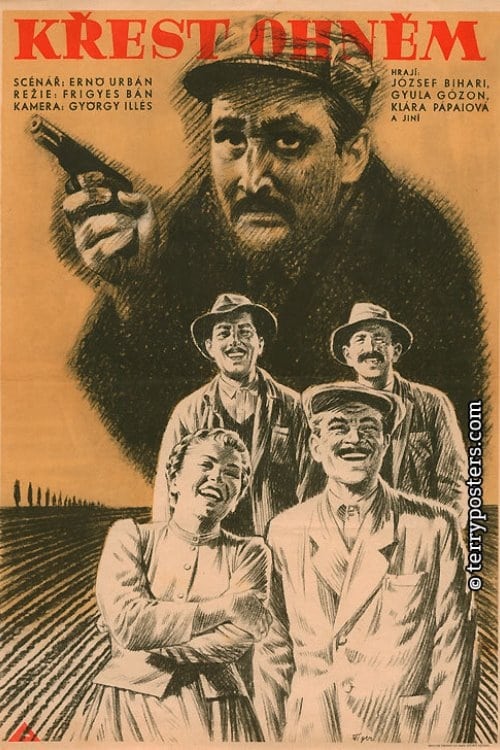
This propaganda film from the early years of socialist transformation in Hungary depicts kulak sabotage in production cooperatives. The prosperous peasant Ignatz Hato, one of the best farmers in the village, joins the Two Octobers cooperative, and soon all the small peasants follow him. The village rich, led by Lili Sohar, watching the great expansion of the cooperative, try to break up the cooperators with each other. Sohar's attempt bears fruit and Hato leaves the cooperative. Next, Lili Sohar tries to convince Ignatz Hato that she is planning to create a rival team of new rich people and urges him to join her. Ignatz refuses and does not give in to the blackmail. Lili's lover, a former gendarme, shoots party secretary Bozhine. At the wounded Božine's bedside, Ignác admits his mistake and asks to be accepted back into the cooperative. Sándor, the president of the cooperative, realizes that the collective should not prevent those who want to work honestly from joining.
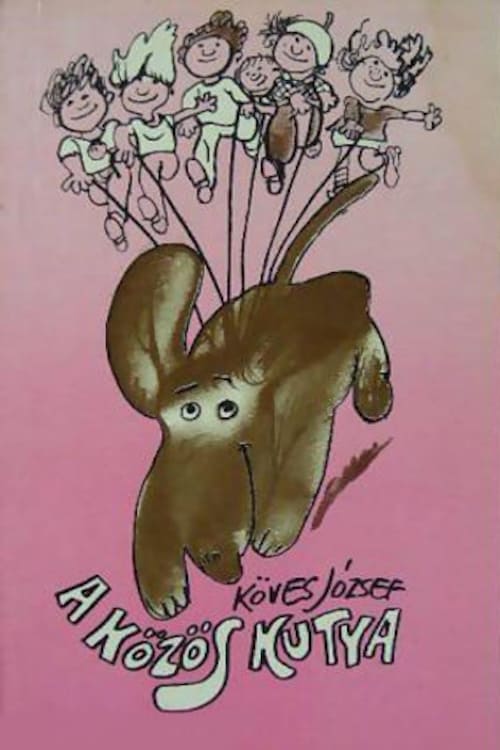
“I need a dog!" says Gabi, the main character in the film, to her parents. Every child has either a dog or a brother or sister! Well, if not a brother or sister, then a dog. I mean, a stray dog. "Who" can be rescued, taken into "shared care", looked after, fed, played with. But what happens when it turns out that the "common dog" - which a group of children have banded together to feed and care for - has a legal owner? And she is an old lady, whose only companion in her loneliness is this dog.
In a rural scenery in the throes of difficult changes lives humble but promising young farmer girl Mari Pataki. Her father forbids her from seeing the man she loves. The father, above all preoccupied by work on the fields and prospective wealth, decides to give his daughter in marriage to his older business partner. 'Land marries land', he says, a phrase which seems to be the unyielding rule of the Hungarian peasantry. But the younger lover is ready to confront any challenge to keep Mari's love.
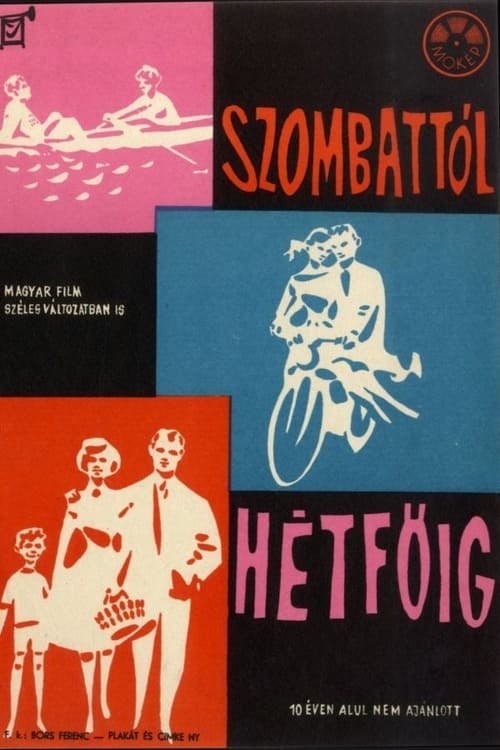
About the life of young people in Hungary in the late 50s, their joys, hopes and dreams. When Joly entered the factory, she wanted to be as cheerful and carefree as the other girls, and she didn't tell anyone that she had a son. And now, when the wedding day with Ferenc is almost set, Yoli walks around sad and confused. She doesn't know how Feri will take the news of her son. She is afraid that Feri, who loves and trusts her very much, will never understand or forgive her. But Feri turns out to be a real man, and Yoli together with little Ali finds her true happiness.
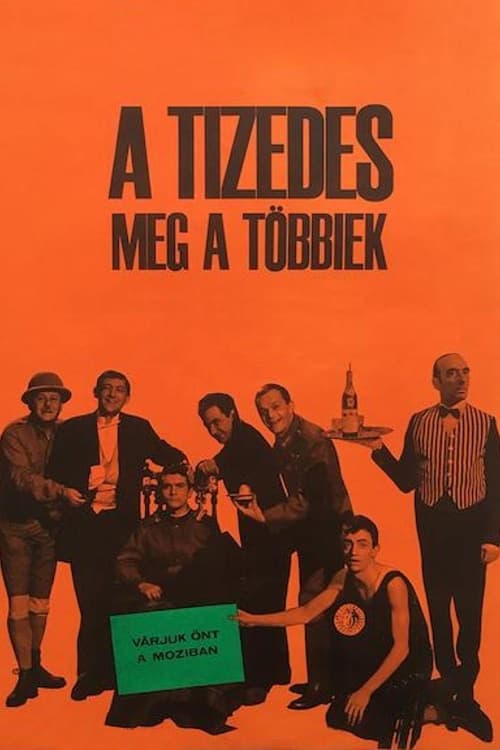
PFC Molnár decides his WWII services are over, and with serious money hidden in his hand grenades, he heads to an abandoned mansion where he encounters not only the sour butler but a bunch of others who also try to wimp out of their duties.