Acting
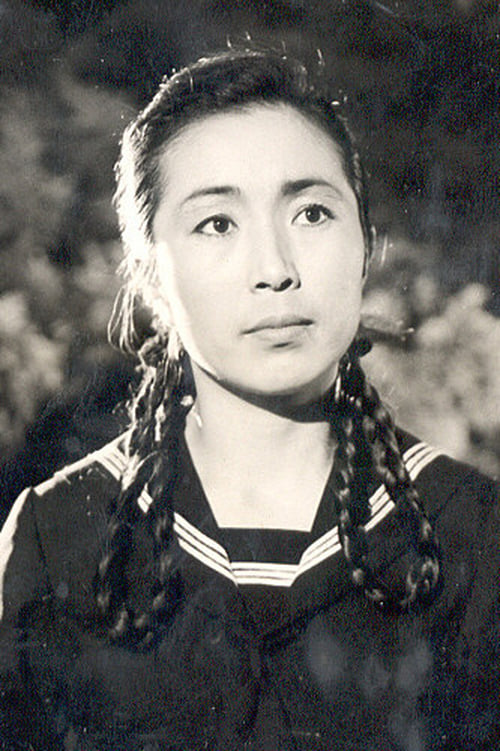
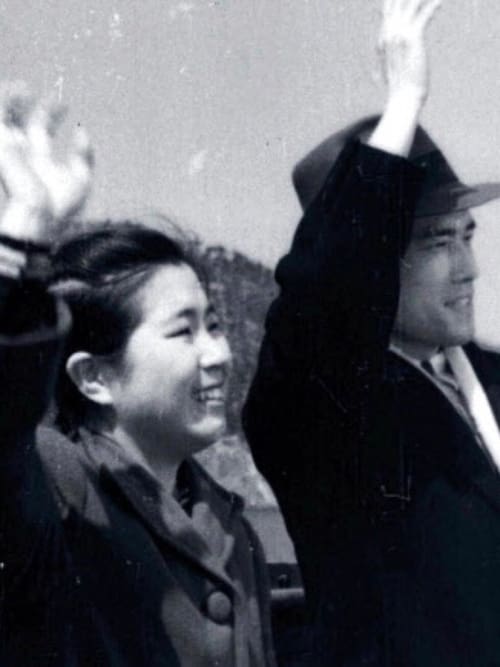
Jo Mi-ryeong (조미령) is a South Korean actress.
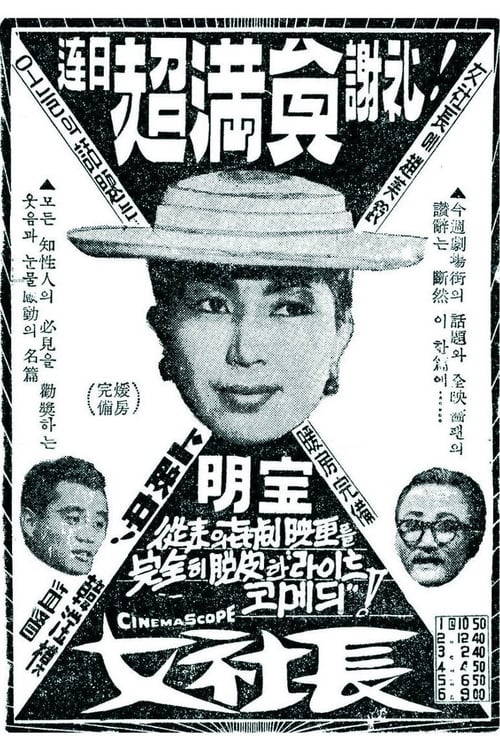
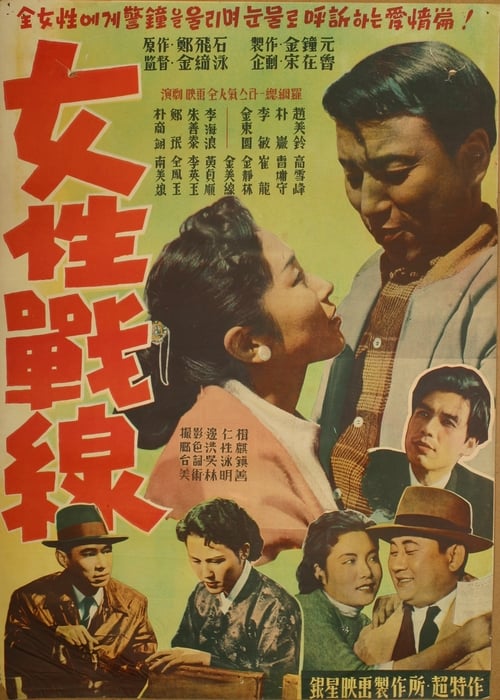
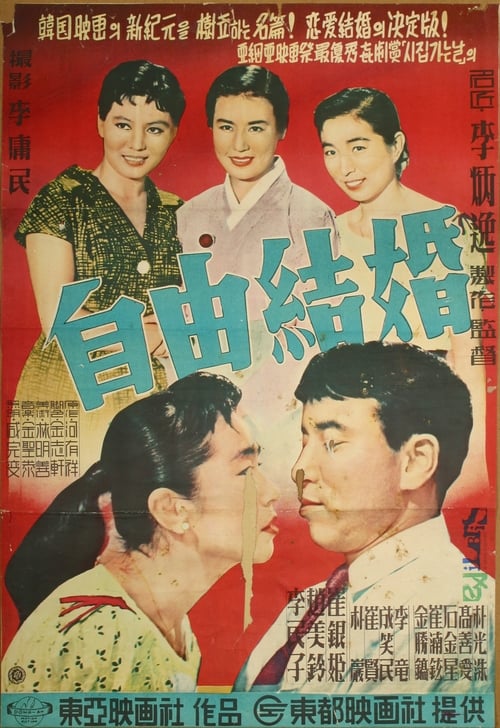
Would-be feminist Yoanna, running her own company, is insulted in a phone booth by a stranger named Yong-ho. While searching for a job, Yong-ho applies to a magazine named 'The Modern Woman,' not knowing that the company's boss is in fact Yoanna. She hires him with the intention of paying back the humiliation she received. But his masculine attitude captivates her and she ends up marrying him. She resigns her post and becomes a housekeeper, handing over the company to her husband.
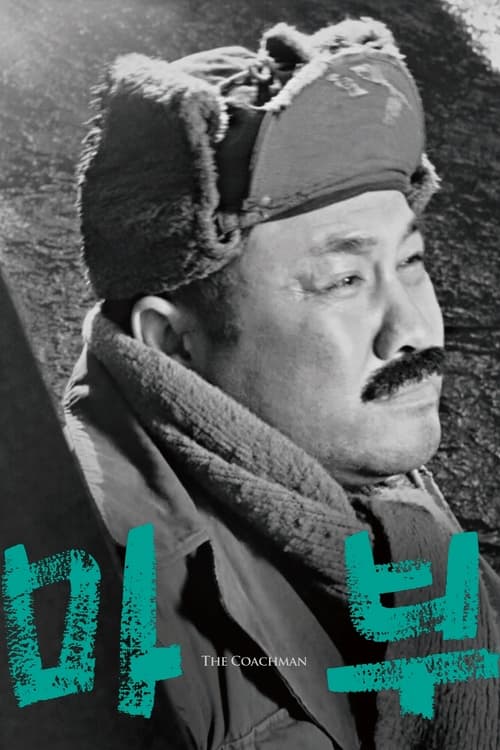
A man tries to raise his two sons and two daughters under some of the most adverse conditions known to man. The father operates a horse-drawn cart, but in a city that is modernizing after the destruction of the Korean War, automobiles are making carts obsolete. The children are experiencing difficulties as well. The eldest son has flunked the bar exam twice and is not hopeful of passing it a third time to become a lawyer. The eldest daughter is mute and married to an abusive husband. The younger daughter tries to pose as a rich university student to move up in life. The youngest son has a penchant for petty theft.
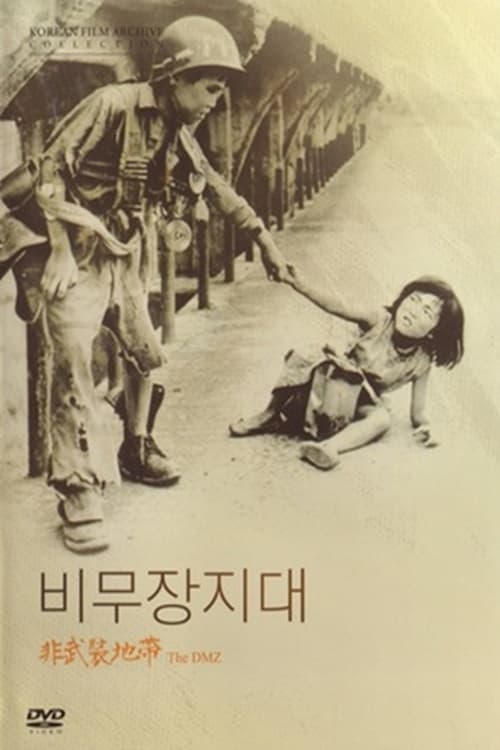
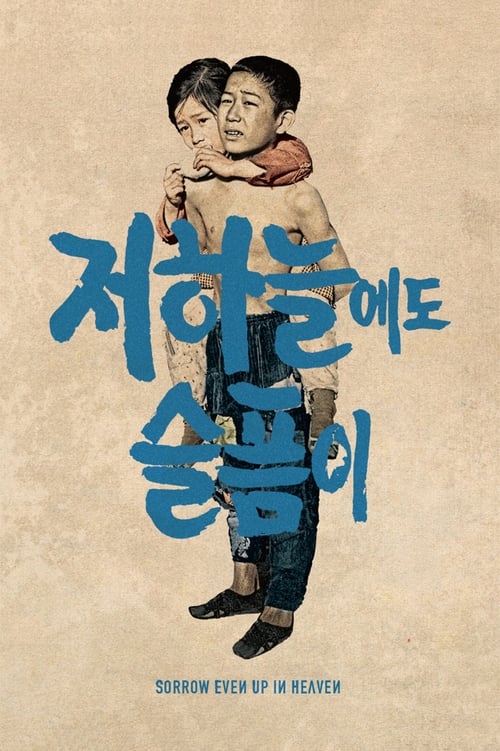
The film exposes the atrocities of war through the eyes of two children who are stranded in the DMZ after the end of the Korean War. The DMZ, strewn with abandoned tanks, dead bodies, land mines, and unexploded shells, is an exceedingly dangerous place for children. But what most endangers them in the end are not weapons but people.
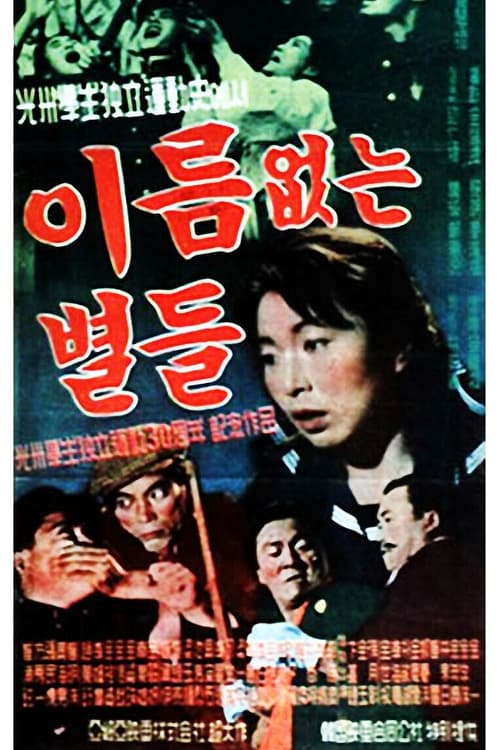
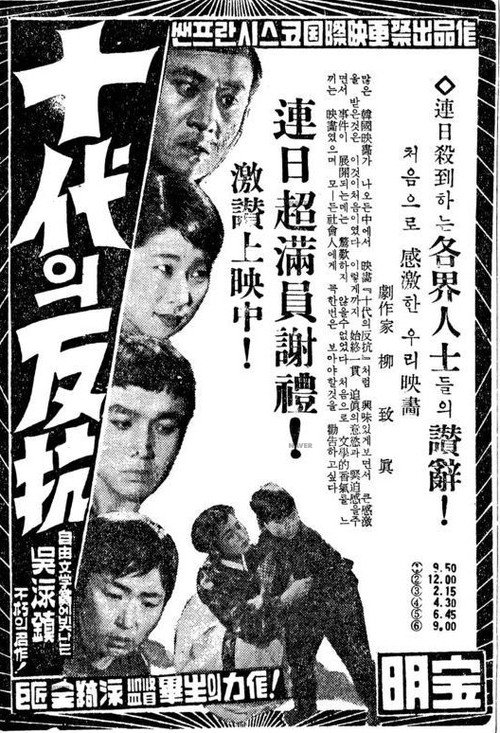
The son of a freedom fighter, Sang-hun is a member of an anti-Japanese resistance group called "Seongjinhoe," composed of students who share a dedication to the cause of liberation. Their spiritual guide is a teacher named Song Un-in. One day, Yeong-ae, whose brother is a detective in the Japanese police force charged with monitoring independence movements, joins their group. Following a series of sporadic incidents, the students gather one night to resolve on an uprising, but are discovered by the police. Young-ae is wrongfully accused of betraying their plans, but she risks her life in order to allow the group members to escape. The morning after, the students of Gwangju rise up against the Japanese government.
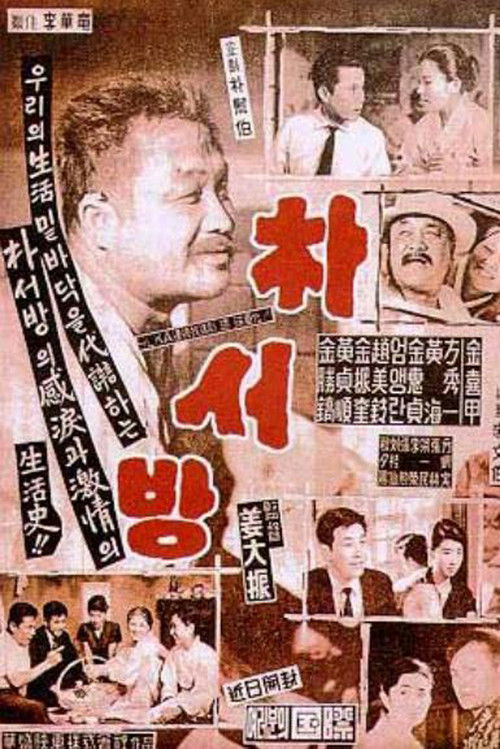
Mr. Park raises his children by repairing charcoal pits. Although ignorant and stubborn, Mr. Park has a good heart. He is displeased, however, with his eldest daughter, Yong-sun (Jo Mi-ryeong), because of her close relationship with Jae-cheon (Hwang hae), who is a scamp in his eyes. He is also unsatisfied with his second daughter, Myeong-sun (Eom Aeng-ran), for liking Ju-sik (Bang Su-il). Only his eldest son, Yong-beom (Kim Jin-gyu), is the apple of his eye, as he approves of his son's wife, Jeom-rye (Kim Hye-jeong). When Yong-beom is sent to a foreign branch office, Mr. Park is against it at first but approves of it, as he knows what it means for his son's future. Eventually, too, he begins to approve of his two daughters' relationships.
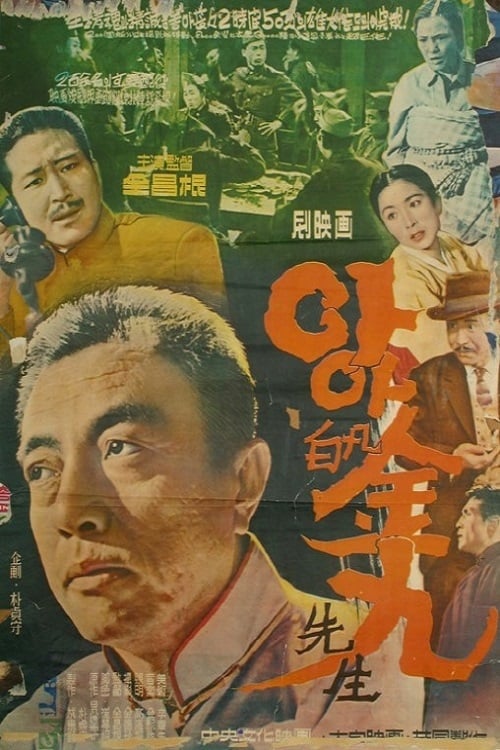
Kim Chang-su, who participated in the Donghak Movement, escapes to Manchuria after being chased by the Japanese army, finally making his way home. Angered by the assassination of Empress Myeong-seong, he murders a Japanese lieutenant and is sent to jail. He escapes from prison turns his focus on the democratic movement by teaching civilians and organizing Sinminheo (a democratic organization), even changing his name to 'Kim Gu.' After he is imprisoned again, he gets out on parole and goes to China, where he participates in establishing a provisional government from which he can direct the anti-Japanese struggle. Kim Gu goes on to play a part in Yun Bong-gil's deeds in Shanghai, the events at Hongkou Park, the encounter with Jiang Jish, and the establishment of the Korean National Army, and leads the struggle for Korea's independence with warm fraternal love and clear national spirit. When Korea is liberated in August 15, 1945, he returns back to his native land.
Bae's two daughters, Jang-hwa and Hong-ryeon, are abused to death by their stepmother. But Jang-hwa cannot just go away to the other world. She becomes a ghost, haunting the governor every night to help her take her revenge. The governor orders an investigation. Jang-hwa's stepmother finally confesses what she did and the governor punishes her.
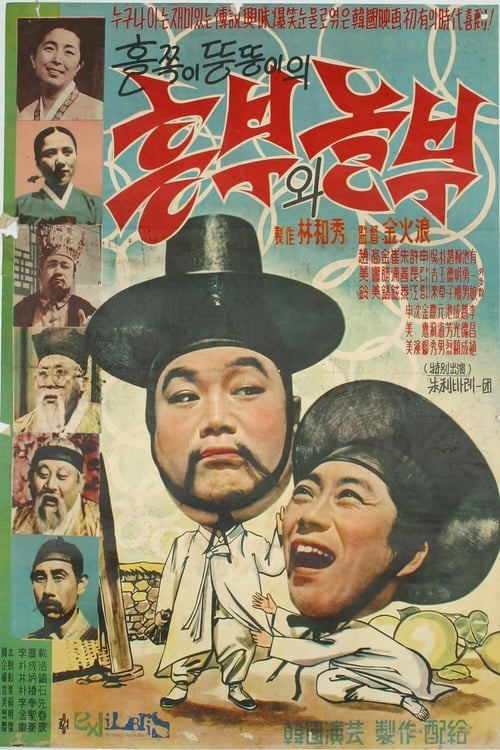
The old Korean folktale, 'Heungbu and Nolbu' is brought alive on the screen in this film that shows the lead character as a marionette. Nolbu is the elder brother and he is slimy and greedy. In his greed, he throws his little brother, Heungbu, out of home to stake claim on all the money and belongings their father left for them. Heungbu is an idealist but pained by the events that have taken place. He helps Swallow by curing his broken leg and as a return favour, Swallow gives him a gourd seed. He plant the seeds and after sometime, gold, silver and gems start coming out of the plant, giving Heungbu everything he deserves. It does not go down well with Nolbu.
Jung-ae volunteers at a juvenile prison when she graduates from college; but the violent boys threaten her safety. Her boyfriend visits and begs Jung-ae to quit. She considers but feels compelled to continue; until the day when an escapee puts her methods at risk. Will she get to the escaped boy in time? Will his negative attitude convince her to quit, or will she affect him positively? And will there ever be happiness at the prison?
No description available.
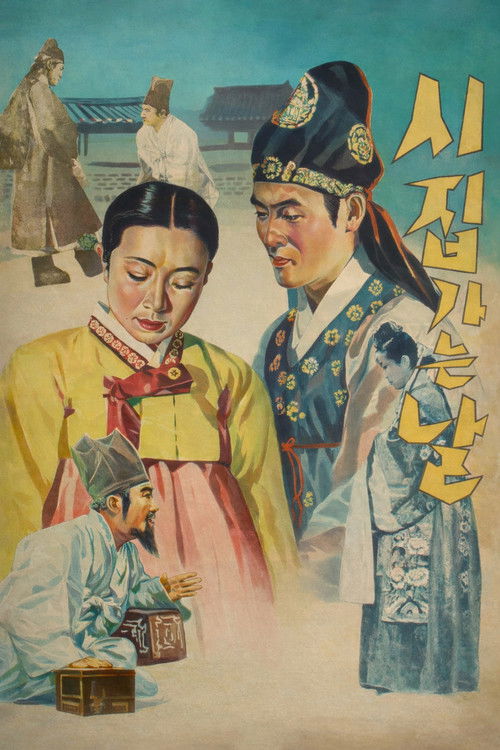
Master Maeng is very proud that an influential family will soon be his esteemed in-laws when his loving daughter, Mi-yeon, marries their son. A few days before the wedding Maeng hears a rumor that his future son-in-law has a cripple leg. Regretting that he can't give his lovely daughter to a cripple, he decides to marry his maid to him instead. Unexpectedly the future son-in-law shows up at the wedding hall and he is not a cripple, but a healthy and handsome youth. Feeling embarrassed, there is no way but to wed the maid to him. The Wedding Day is a recreation of A Happy Day of Jinsa Maeng, a comical play by Oh Yeong Jin. The first Korean film to win an international film award, the Best Comedy Award at the 1957 edition of the Asian Film Festival (now Asia Pacific Film Festival).
Queen Yun reigned with King Sunjong since she was just 13 years old. She hid the royal seals needed to complete an agreement between Korea and Japan which would lead to Korea's annexation. However, her patriotic display wins her many enemies.
A housemaid becomes pregnant by her employer's husband and she flees to the countryside to raise her daughter on her own.
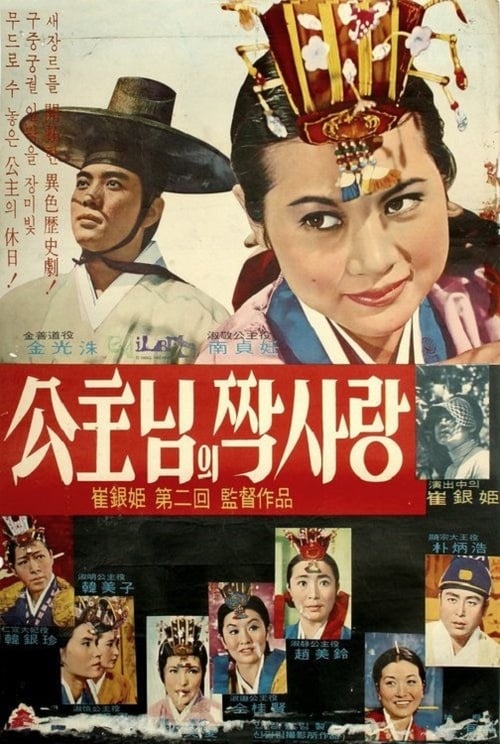
Sook-kyung, the youngest tomboy princess, loves playing hide and seek with her same-aged court ladies and is extremely curious about the life outside the palace. An opportunity comes for her on queen mother’s birthday celebration. Princess Sook-kyung gets to explore the outside world with the help of her older sister princesses and falls in love with a Seonggyungwan scholar she meets coincidentally. The variety of character twists in this film which is reminiscent of romantic comedies such as Roman Holiday and Shakespeare’s Twelfth Night. The queen mother with a fancy royal costume but wears glasses because of her poor vision, and the court ladies who protect the princess day and night are usually slow and doze off but have the strength to push against male henchmen. The princes outside the palace walls seem like that of a naïve country girl who eats a rice cake at the marketplace because she thinks it’s free.
A medical doctor, Ko, has three daughters. The first daughter, Suk-hee, confesses her past when her husband asks her to forgive his past, on the first night of their honeymoon. When he breaks off the marriage and goes to America, Suk-hee confines herself to her home for three years.
Lee, Yun-bok in his fourth grade lives in a poor family. His father is indulged in gambling, and his mother, who can no longer tolerate the cruelty of her husband, leaves home. Yet, Yun-bok comforts his younger brothers, makes a poor living by shining shoes, and keeps his journal everyday.
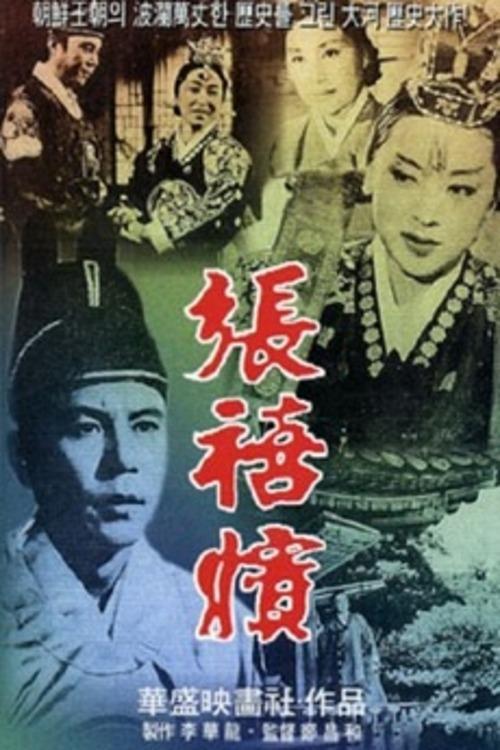
King Sukjong exalts a greedy concubine to the status of Bin, which is next to that of the Queen. The new Bin, who is now called Jang Hui-bin, drives out the Queen through a coup and takes her place. But thanks to loyal court officials, the King finds out what has been going on. He demotes Jang to Bin again and reinstates his Queen. Jang, now vindictive, conspires with her mother to kill the queen and reclaim her place. But the conspiracy is brought to light, and Jang is executed.
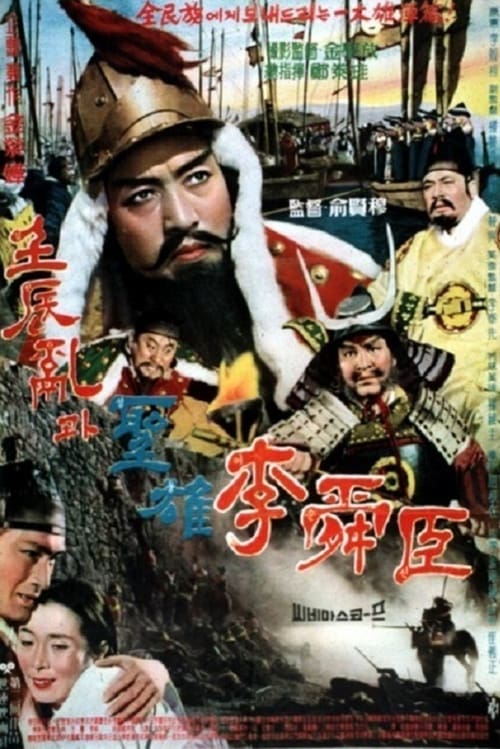
Movie despicting the life and accomplishments of Korean Admiral Yi Sun Shin.
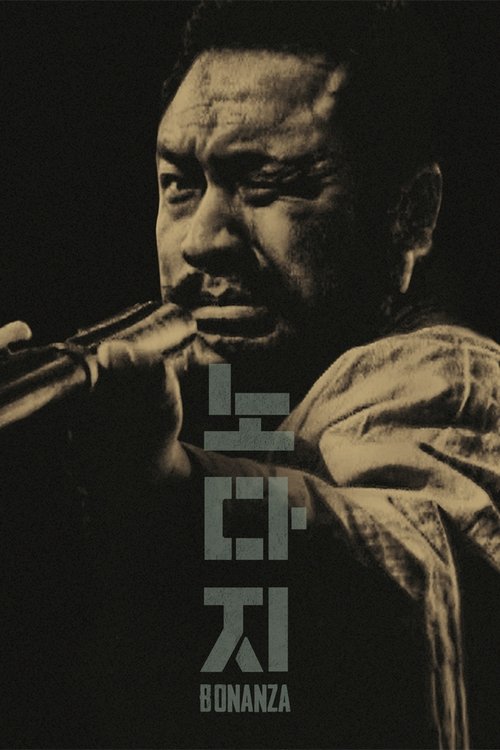
A young sailor arrives in Busan Harbour; an outrageous-looking, woolly bear of a man appears in downtown Busan with a shotgun over one shoulder, a heavy knapsack thrown over the other; a tough-looking young woman joins her friend in robbing a naïve fat man in a suit. The strands of character and story will slowly converge, well after the audience, tuned to the coincidences and mistaken identities of melodrama, has recognised that these three have a shared history and are fated to meet and reconcile.
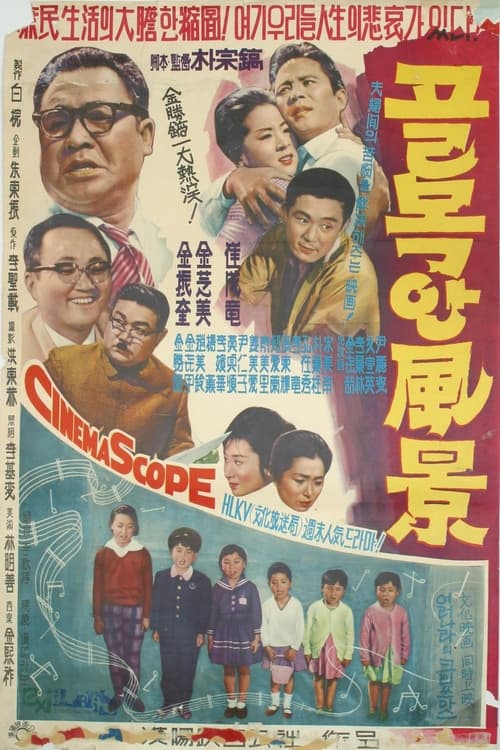
One father finds life nearly impossible to live as he attempts to raise his nine children on a pitifully small salary.