Acting
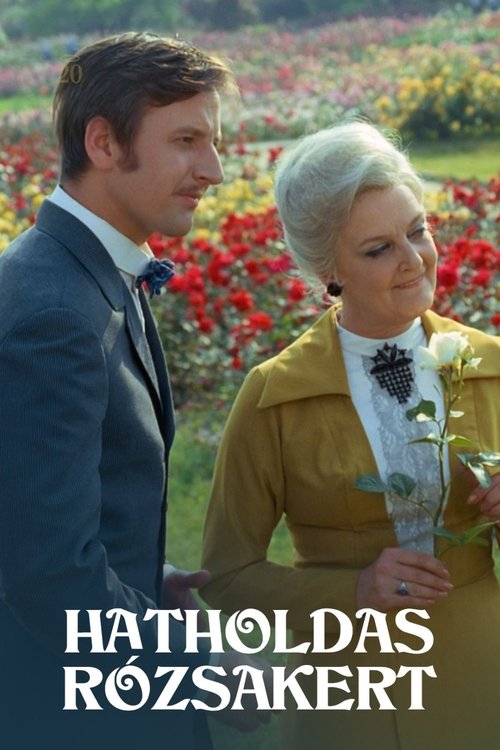
Aunt Ilka, who likes company, opens her house standing in the middle of a six-acre rose garden in the little town for the golden youth of the town. As a result of her benevolence, the tenants are in the position to adore not only the roses but a nice bunch of to-be-married girls of the town.
A new teacher arrives at the secondary grammar school. The girls are all crazy for the handsome, blonde young man, except for the most excellent pupil, Balázs Ági. Yet Pali starts paying his attentions to no one else but her.
Most of her colleagues take Mária, the new teacher to be a communist party-worker, only Irma and the drawing teacher Zoli treat her kindly. Mária starts working with great enthusiasm, and her class learns to love her in a short time.
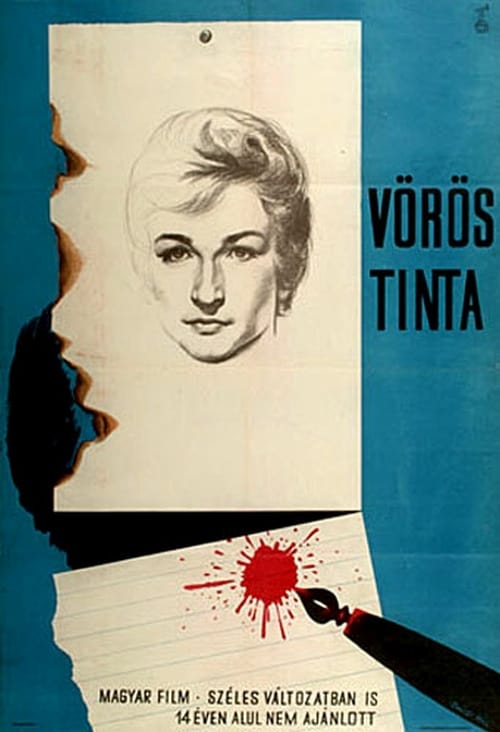
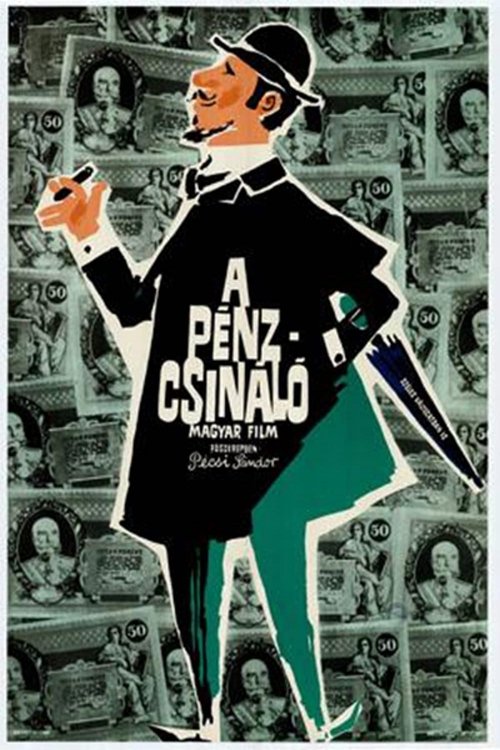
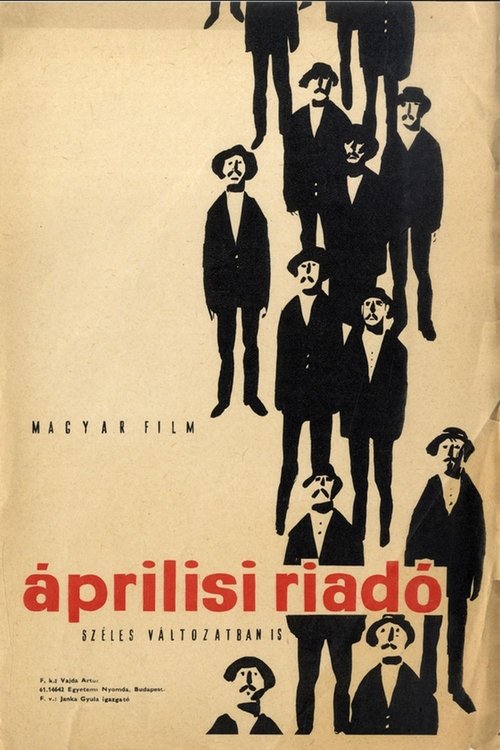
This film comedy takes place in the good old times of the Austro-Hungarian Monarchy at the turn of the century. Bányai, an impecunious clerk suddenly finds himself to be able to make perfect imitations of ornaments on the bank-notes. Being spurred by his incessantly shrewish mother-in-law, he finds a solution to his family's financial problems overnight, but an ambitious detective becomes suspicious of him.
No description available.
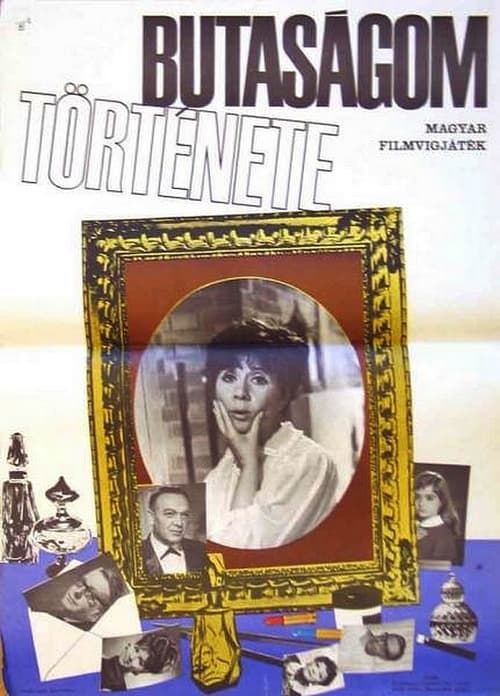
The celebrated actor considers his wife a nitwits actress of a mediocre talent. But an influential playwright, a friend of theirs, has written a play with the main role designed for her, Kati, particularly. Its title is "The Most Intelligent Woman in the World". On the day of the first night performance Kati recalls their past, the times she had together with her husband.
Barta has been investigating for a year in the murder case of a professor of medicine. Keller, the victim, has been shot dead in his own villa. Barta joins the closest relatives and they all travel to Dunaszentmárton by ship for the inaugural ceremony of his tomb.
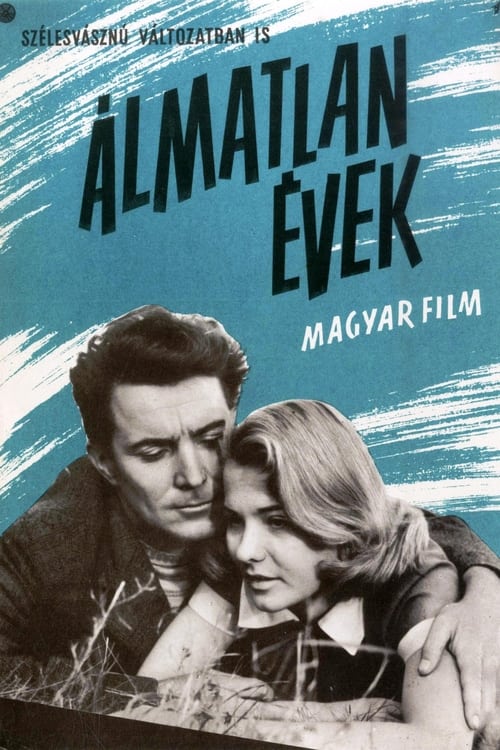
The "sleepless years" in this propaganda piece by director Felix Marlassy occur on Csepel Island, an island south of Budapest that is home to an armaments factory. The factory workers are shown being exploited by imperialists, capitalists gone berserk, and fascists, more or less in that exact chronological sequence. The heavy-handed approach does much to undercut the belief that when socialism finally takes over, the lives of the workers are brought up to a human level. In this instance, audiences might prefer a more nuanced and subtle statement, no matter what the message.
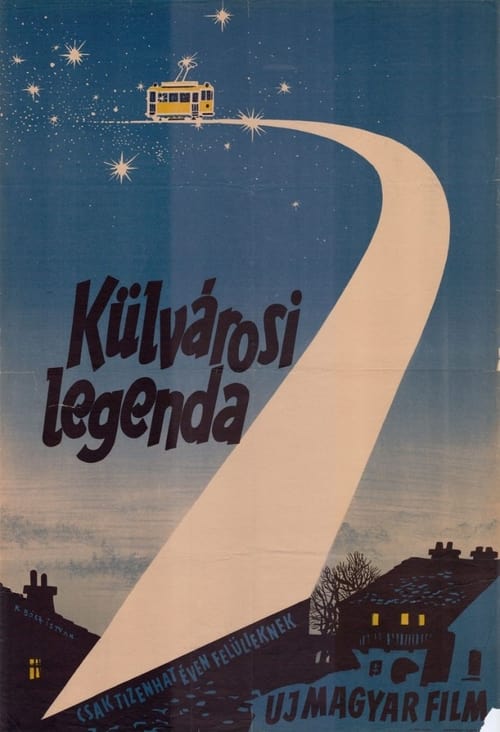
The film, depicting life in the tenement houses of Angyalföld in the thirties joins the neorealist currents of Hungarian film. Ambrus Pista, the good humoured, attractive tram conductor is loved by women for his excellent job as well. With his lover, the street-walker Terus they spy upon the neighbour as he beats his wife in jealousy.
The bitter film grotesque focuses on a Socialist Mafioso. Vágó, the enthusiastic young propagandist is put up at Apuka (Daddy) of the outskirts, Dávid. In the hands of Apuka everything becomes money and he skilfully avoids inspection and controls. In order to help his little family, he sells his rabbit husbandry as mutton, he practises usury on and blackmails his tenants, their rooms are operated as cigar stores.
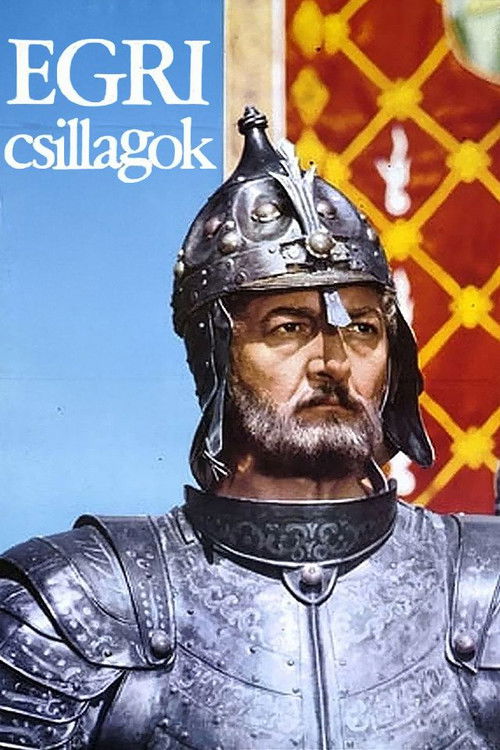
This romantic and grandiose historical film depicts the era of the constant incursions and heroic battles fought by the defenders of the castle of Eger, led by captain István Dobó, against the heavy odds of superior numbers through the lives and love of Bornemissza Gergely and Cecey Éva. Gergely is inaugurated as a fighter already at the age of 7, when he escapes the captivity of the half-eyed Turk, Jumurdzsak, with Vica and the war-booty. In thirty years' time he becomes the first assistant of captain Dobó and the brain of the castle in the defence of Eger.
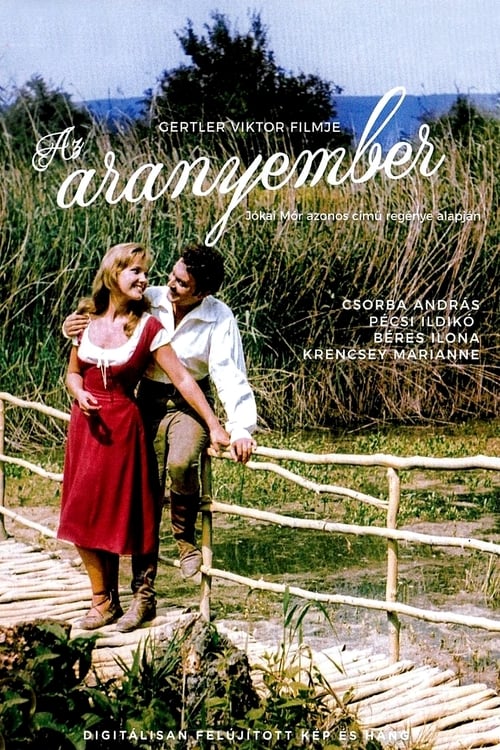
Adaptation of Mór Jókai's classic 19th century novel on Mihály Tímár, the captain of a commercial Danube ship in the 1830s, who finds unexpected fortune by meeting a Turkish aristocrat fleeing from his home country with his daughter Tímea. On their journey, they find an unknown island on the Danube, called the Senki szigete (the Island of No-one), a sort of earthly paradise, with only an old woman and her young daughter Noémi living on it.
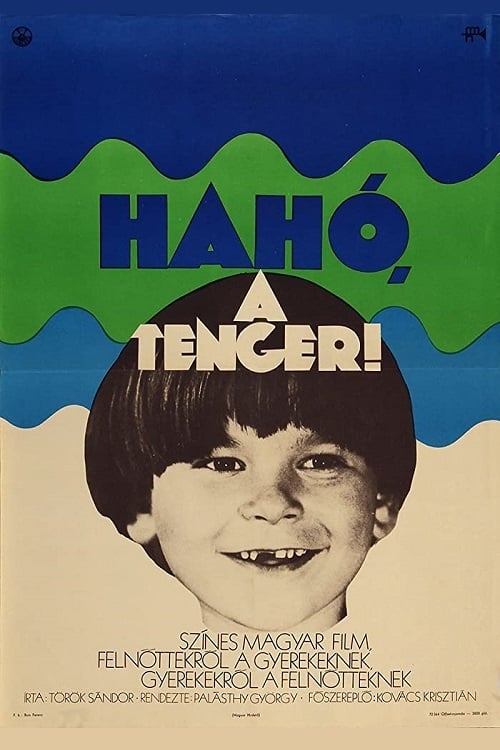
Öcsi is going to have a little brother. The little child is sulking, he is deeply hurt because he learns the great secret not from his parents but his best friend, Évike.
A past world is revived in the little cottage in the outskirts, next to the housing blocks under construction. Tamburás, the old hobo collects swerved youth: Diák, who desires freedom, the bus driver who is deprived of his license for having run over someone, and the rest. They have got an easy and unbound life there, with constant music, small thefts, occasional labour, tricks.
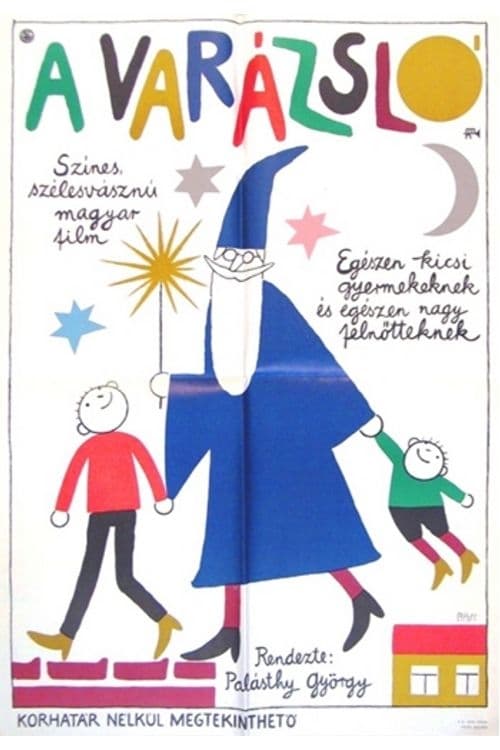
Amazing adventures of a little boy and his friend, the great wizard Chili Chala.
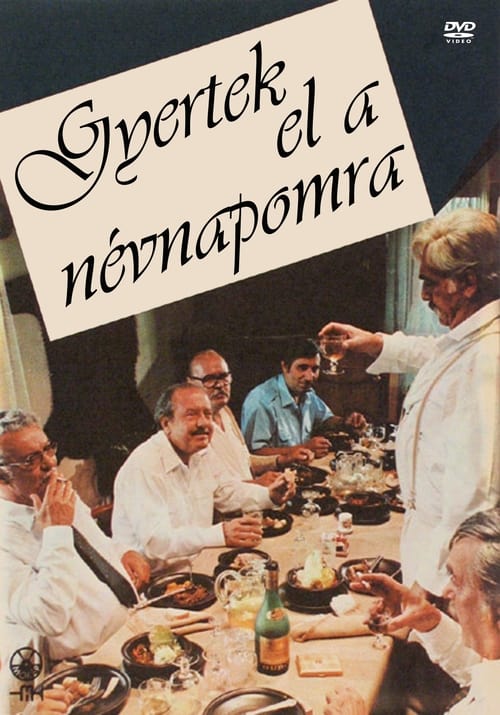
The elite of political and business life of the country town gather to celebrate the namesday of Haudek László in the luxury villa. Everything begins just as usual, but now an incident disturbs the stag party.
Mihály Zágon has been struggling with his conservative mother-in-law for a long time. Now, that his wife is pregnant, the old woman wants Piroska to stay in bed. Mihály is elected to be the president of the co-operative, but nobody is happy about this back home. His wife often pretends to be ill to keep him by her side.
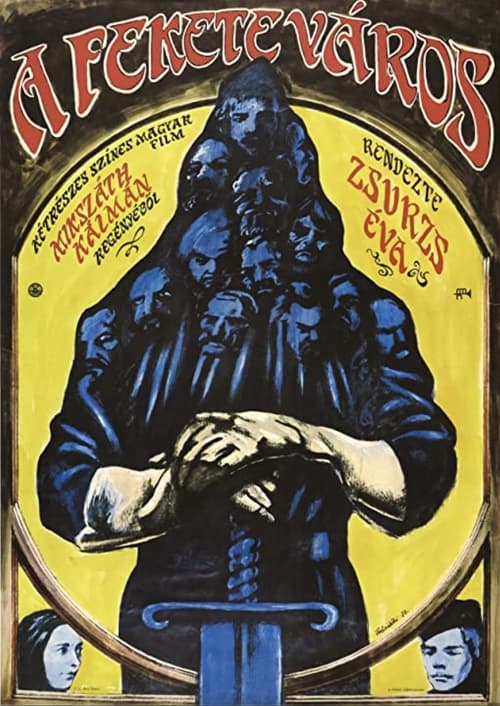
Feature film version of the 1971 series. On the eve of the 18th century, County Vicecomes Görgey Pál broods alone in his manor while the town of Leutschau celebrates New Year’s with lead‐casting omens and a disastrous hunt that sparks a bitter feud. As Görgey fights for his honor and life, and the townspeople defend their Saxon privileges, their mutual blind ambition prevents them from seeing the rising light of Rákóczi’s coming rebellion.
1946. Borok Vince, party secretary, and Holló Döme, former landowner, arrive in Nagybökény the same day at Easter. The latter wants to get back his castle and land with the help of his attorney. Albert József, the police-chief, wants to strengthen Communist power with tough actions. His R-guards disperse the clerical torch march.