FEEL IT.STREAM
Ana Carolina

Ana Carolina

Directing

Biography

Ana Carolina (born 27 September 1943) is a Brazilian film director and screenwriter. She directed seven films between 1969 and 2003. In 1978, she was a member of the jury at the 28th Berlin International Film Festival. Her 1982 film Heart and Guts was screened in the Un Certain Regard section at the 1982 Cannes Film Festival. Ana Carolina Teixeira Soares attended school with the intention of becoming a doctor, but instead changed direction and became a filmmaker. She graduated in 1964 from University of São Paulo Med School. Several years later she went to a School of Physiotherapy, taking special interest in university politics. She also spent a few of her early years in a Renaissance band called "Musikantiga". She was highly focused in her early years as a filmmaker, as she made 11 documentaries in her first eight years in the business (her first being in 1967, last in 1974). Her first film released in 1977 was titled Mar de Rosas, translated into Everything is Fine. The film is shot from a feminist perspective with interpretations open to the viewer. Mar de Rosas tells the story of a woman that slits her husband’s throat and flees with her child. It provides commentary on patriarchy and feminist discontent. This discontent is not strictly limited to the characters within the fictional landscape and speaks much more broadly to the nation at whole. In an interview based on audacity in cinema, Carolina had much to say in regards to the censorship she faced in her time making films in Brazil. She uses words such as hysterical and neurotic to describe the impact it had on her production of films. She claims that the limitations placed on her work actually caused her to be more rebellious and this influenced her work to be even more provocative. She goes on to admit that her work in Mar de Rosas is meant to be interpreted as an allusion to the outside world. Carolina had a highly influential role as a filmmaker in one of the most restrictive times in Brazil, the Military Dictatorship (1964-1985). Her battle against censorship trail-blazed a better path to social and political commentary in film. She fought against the censorship of films, but also the censorship of ideas. Description above from the Wikipedia article Ana Carolina (director), licensed under CC-BY-SA, full list of contributors on Wikipedia.

Known For

O Direito de Nascer
9.0

No description available.

O Direito de Nascer

1978
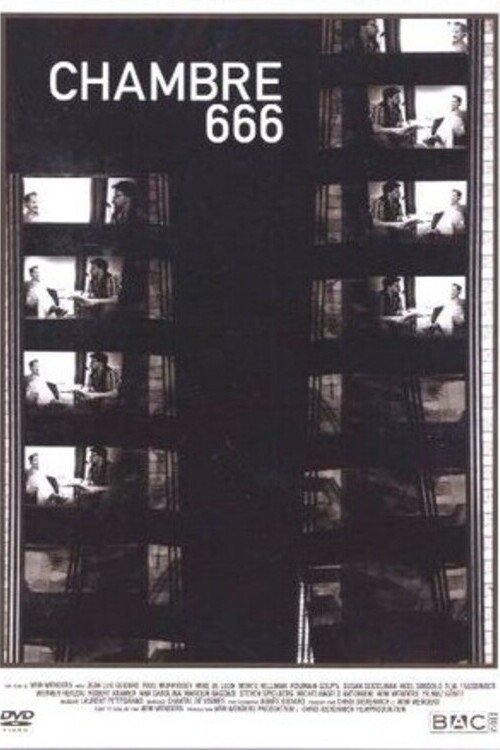
Room 666
6.6

During the 1982 Cannes Film Festival, Wim Wenders asked a number of global film directors to, one at a time, go into a hotel room, turn on the camera, and answer a simple question: "What is the future of cinema?"

Room 666

1985
Heart and Guts
6.4

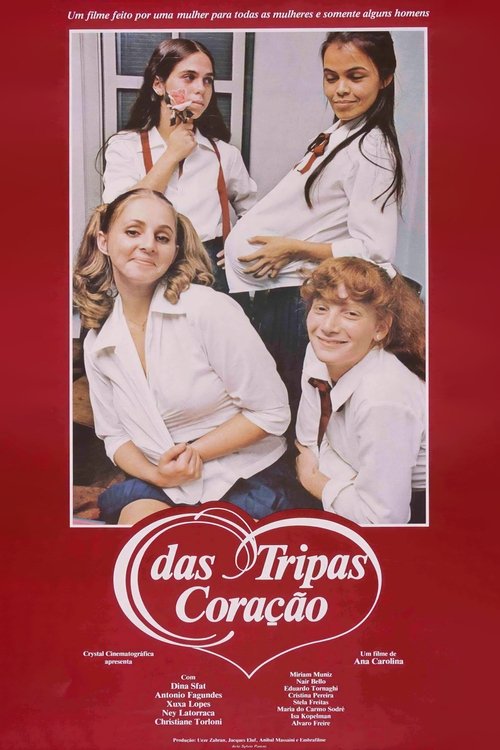
Financial problems in a religious school for girls force the government to interfere. While waiting in the conference hall to communicate the fact to the school administrators, the intervenor falls asleep and a crazy dream begins, involving teachers, students and strange characters.

Heart and Guts

1982
No image
5.5

What is the future of cinema? In 1982, in Cannes, Wim Wenders invited many movie makers to answer this question. 26 years later, the question remains, but Wenders is now on the other side of the camera.

Back to Room 666

2008
After Eight... Forever
3.8

Tereza tries to leave her past and forge her own destiny and happiness by going through several affairs.

After Eight... Forever

1987
Amélia
8.6

Fictional story based on Sarah Bernhard's visit to Brazil in 1905. The actress, experiencing a personal and professional crisis at the time, is induced by her personal Brazilian maid, Amélia, to make a performance in Rio de Janeiro. After arriving, she is forced to stand the company of Amélia's exotic sisters.

Amélia

2000
Sea of Roses
7.3

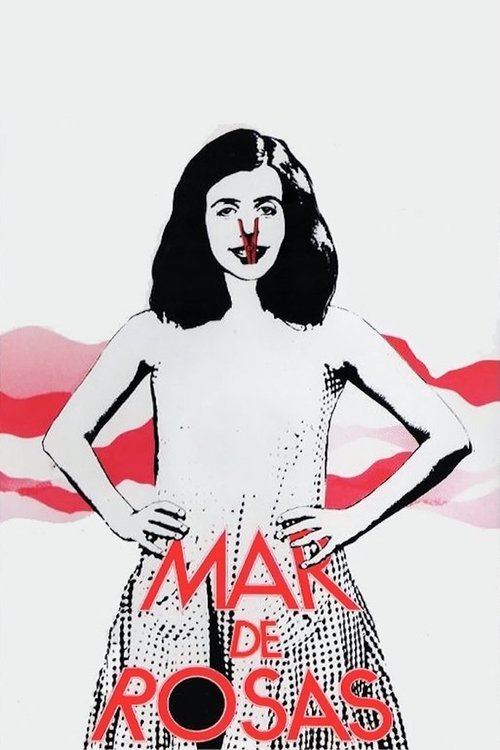
A woman runs away in the company of her daughter, the ultimate brat, in a journey full of bizarre events.

Sea of Roses

1977
Endless Passions
N/A

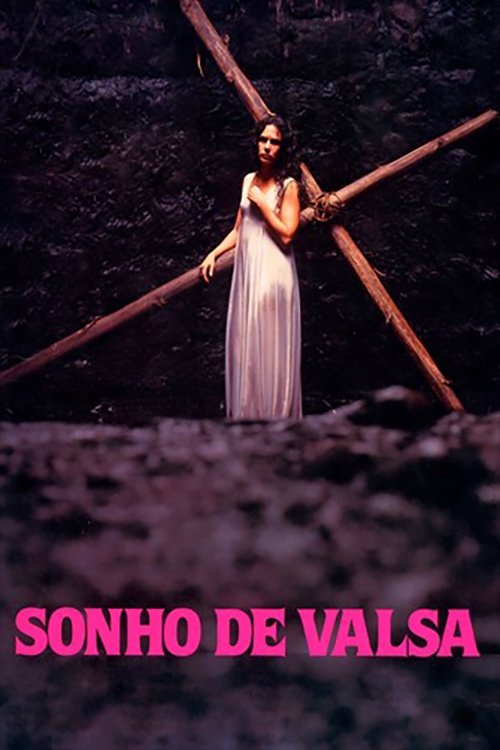
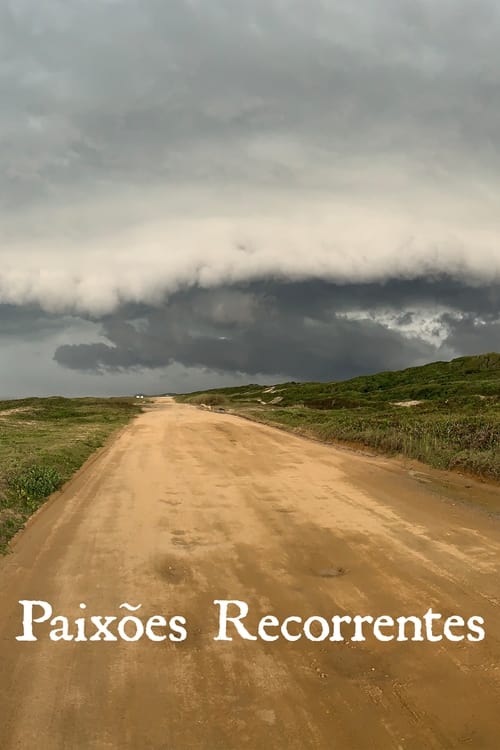
It’s 1939, and the world is teetering on the edge. On the day World War Two breaks out, a group of people discuss the state of the world in a little bar on a South American beach, far away from the front. A Brazilian communist faces off against a Portuguese capitalist; an Argentinian fascist against a Trotskyist French actress. On this remote sandbank, they all defend their ideologies that have been overtaken by reality. Parallels with the contemporary rise of extremist ideologies in Brazil (and around the globe) are hard to ignore.

Endless Passions

2022
Mulheres de Cinema
10.0

Documentary on famous Brazilian actresses, female directors and the role of women in Brazilian film history.

Mulheres de Cinema

1978
A Linguagem do Cinema
6.0

A 10-part documentary about 10 Brazilian filmmakers: Linduarte Noronha, Jorge Furtado, Ruy Guerra, Murilo Salles, Paulo Caldas, Walter Salles & Daniela Thomas, David Neves, Julio Bressane, Ana Carolina and Carlos Reichenbach.

A Linguagem do Cinema

2001
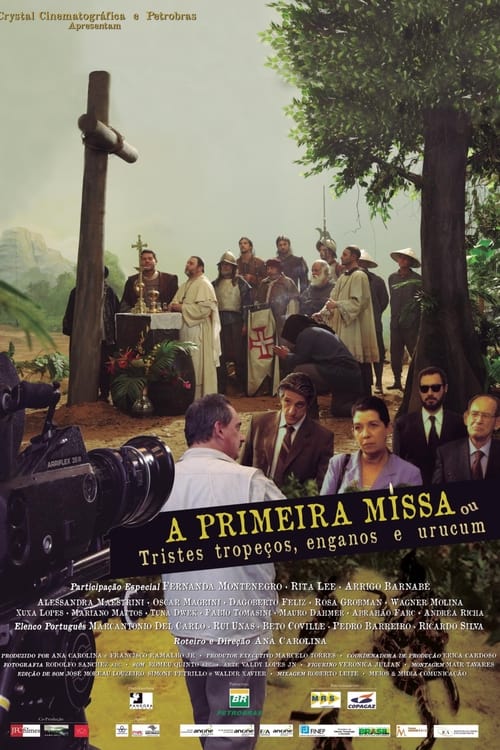
A Primeira Missa ou Tristes Tropeços, Enganos e Urucum
2.0

On set, in the middle of the Atlantic Forest, a stressed film director begins another day of filming, reproducing the celebration of the first mass in Brazil. Suddenly three strange agents emerge from the forest and abruptly interrupt the scene. Authoritarians, they confiscate the filmed negatives. The paranoid director grumbles: "Are they from the government?". The execution of the film is compromised. Will the director in trouble be able to complete his film?

A Primeira Missa ou Tristes Tropeços, Enganos e Urucum

2014
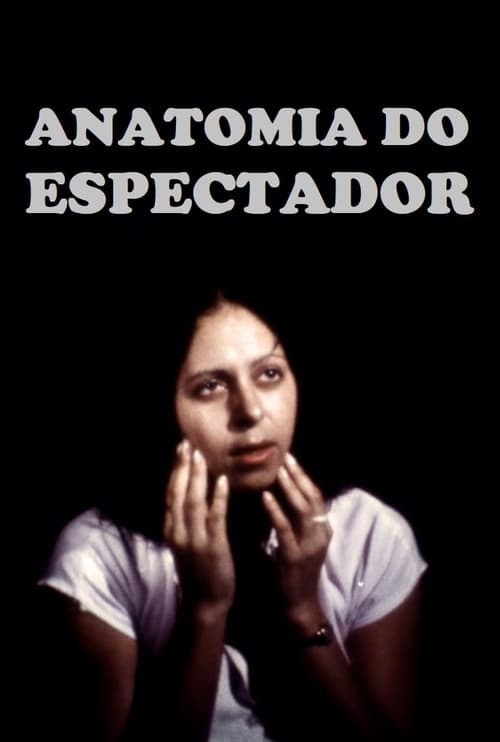
Anatomia do Espectador
N/A

Actress Stela Freitas answers a series of questions that seek to show the figure of the Rio de Janeiro movie spectator, their habits, their preferences, how and why they watches movies.

Anatomia do Espectador

1980
Lavra Dor
10.0

A debate about the agrarian reform in Brazil, in free and poetic form, showing the countrymen's struggles and hardships, and rural unionism issues after the military coup, kind of a nonlinear interpretation of Mário Chamie's poem "Lavra-Lavra".

Lavra Dor

1968
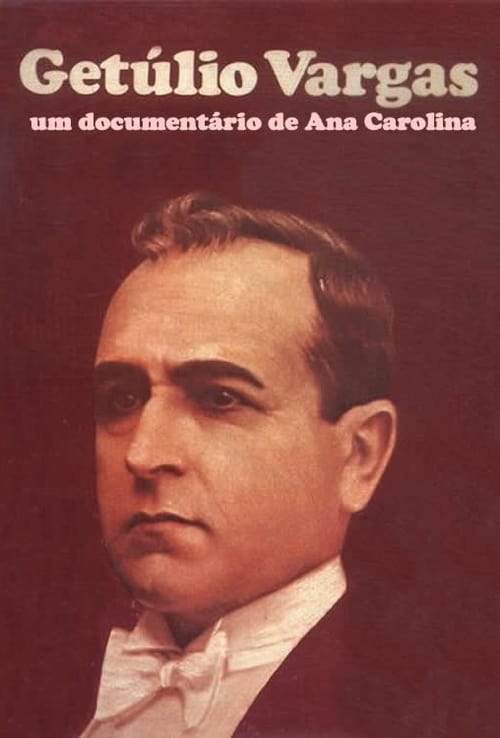
Getúlio Vargas
4.9

Documentary on one of Brazil's most controversial personalities: Getúlio Vargas, an ex-president.

Getúlio Vargas

1974
Indústria
9.0

Documentary that uses metaphors to deal with industrial development in Brazil. From the attempt to build a national industry to the almost immediate invasion of foreign capital.

Indústria

1969
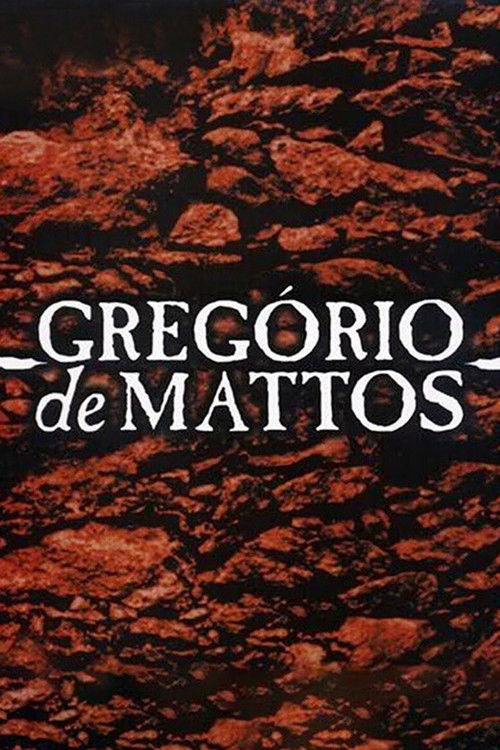
Gregório de Mattos
7.0

The life of irreverent poet Gregório de Mattos, who lived in Bahia, Brazil, in the 17th century. Nicknamed Mouth of Hell, he used his transgressive poetry against the élite of the time.

Gregório de Mattos

2003
Pantanal
N/A

No description available.

Pantanal

1971
SRTV - Nelson Pereira Dos Santos Saúda O Povo E Pede Passagem
N/A

No description available.

SRTV - Nelson Pereira Dos Santos Saúda O Povo E Pede Passagem

1978
No image
N/A

Brazilian Director Ana Carolina talks about her filmography.

Ana Carolina fala sobre Amélia

2010
Ana Carolina no País do Cinema
5.0

Documentary about the film director Ana Carolina.

Ana Carolina no País do Cinema

2001