Laura Sabatino
Writing
Known For

No description available.
Baciamo le mani: Palermo-New York 1958
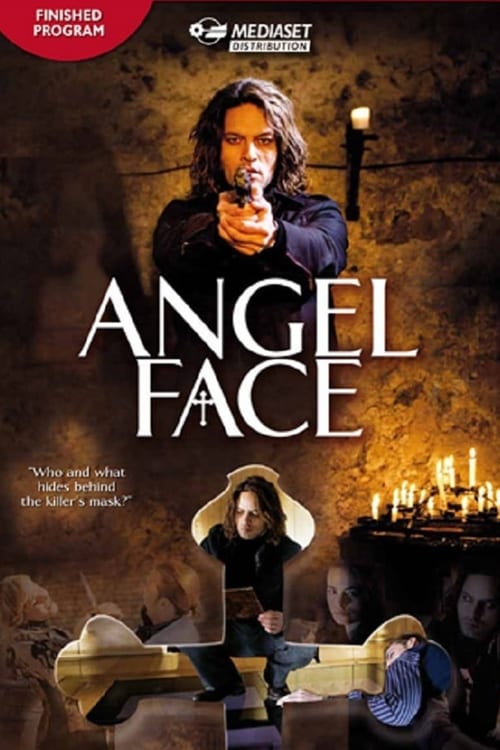
TV miniseries in four parts. A serial killer mysteriously leaves a signature species, a rosary in the hands of his victims. Inspector Roberto Parisi, a specialist in this type of crime, but that hides a dark past, will be responsible for conducting investigations.
Viso d'angelo
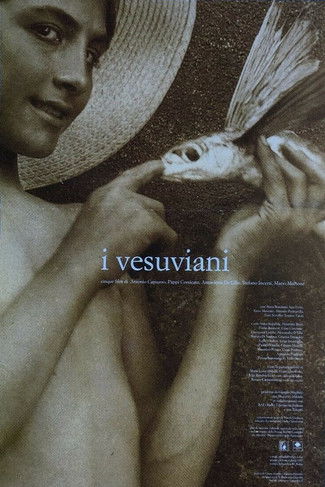
Five Neapolitan directors depict life in the city under the shadow of Mount Vesuvius for this anthology film of comedy, drama, surrealism, and political commentary.
The Vesuvians
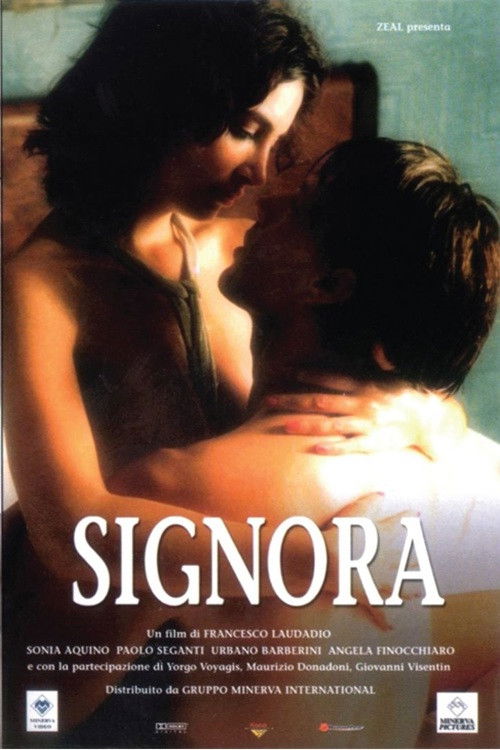
The story of Emma, a courageous woman who left home at a very young age. Emma's first job is working in a paddy field. There she meets Paride, and a romance begins. But amid a workers strike, Paride dies, leaving Emma alone and also pregnant. From this point on Emma struggles for survival.
Signora
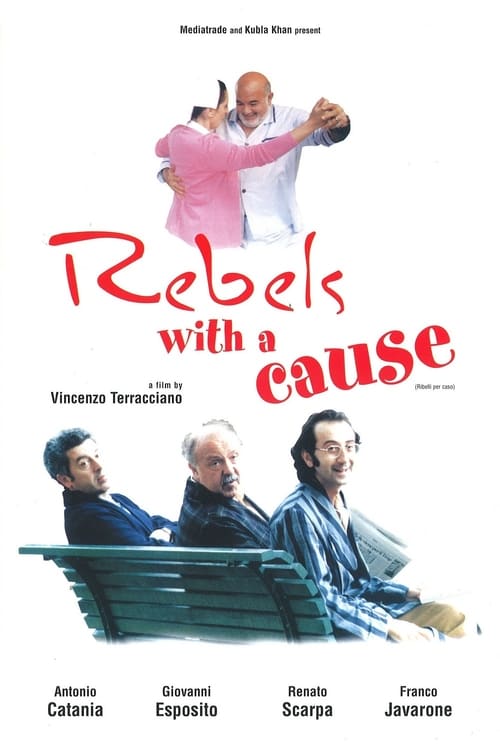
No description available.
Ribelli per caso
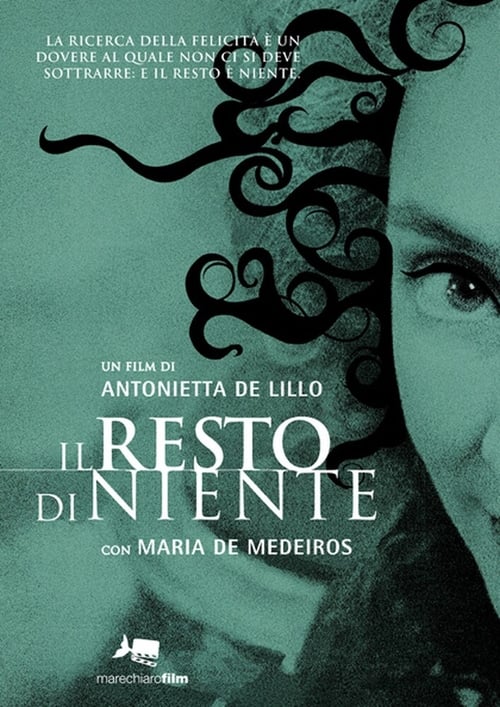
Set in the 1790s, this historical drama follows the travails of an idealistic noblewoman who helps lead a daring revolution in Italy.
The Remains of Nothing
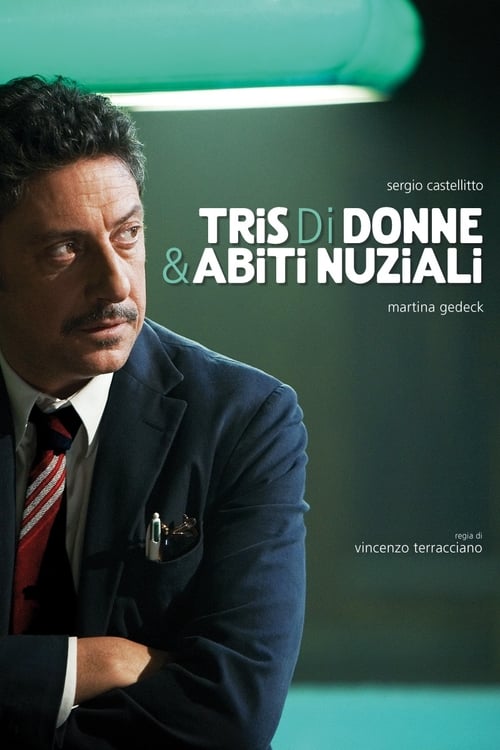
Franco Campanella, a former postal worker earning under €1,000 monthly, is devoted to his family but addicted to gambling. On his daughter Luisa’s wedding eve, he promises to save for expenses but, after being denied a loan, gambles away tens of thousands, ending up in debt to loan sharks and Camorra members.
Bets & Wedding Dresses
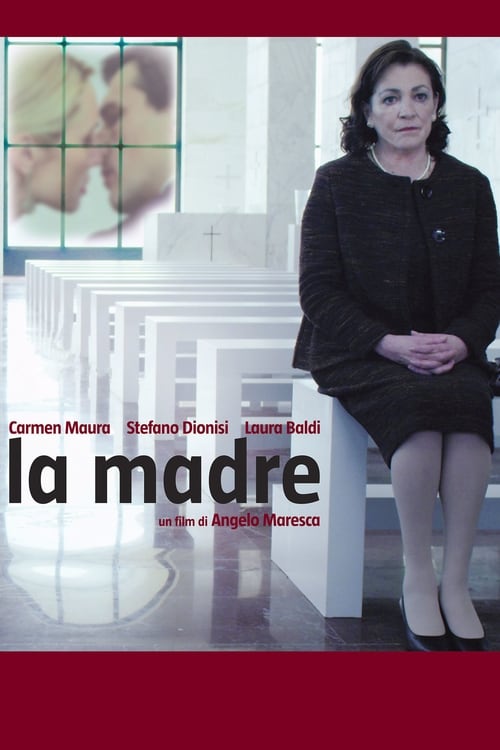
No description available.
La madre
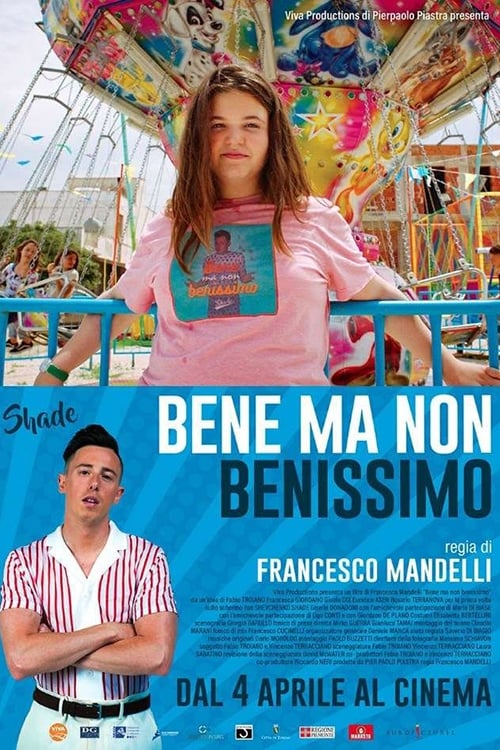
Candida is a fifteen year old from Sicily, who lives with her father Salvo. When he loses his job, they leave for Turin. Candida has to integrate in a new school where she is bullied, as does her partner Jacopo. But thanks to her positivity, it will be Candida who will let Jacopo out of his isolation, making him discover that everything is good, even when it is not great.
Good But Not Great
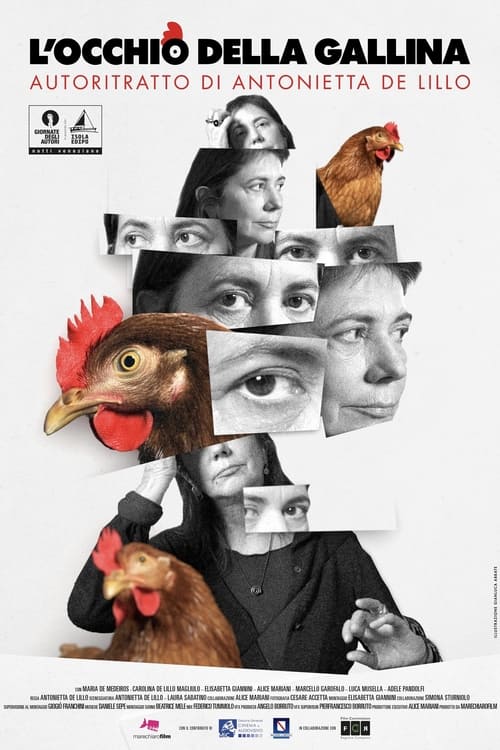
The Eye of the Hen is a story of violence and isolation without precedent in the Italian film industry. After twenty years as a filmmaker, with her best film released to critical acclaim and by some deemed a masterpiece that would cement her reputation with mainstream audiences as well, Antonietta De Lillo suffered an injustice that stopped her career in its tracks and relegated her to the backwaters of the industry, where she would be barred from making another feature film. Taking the form of a self-portrait, the film freely revisits the life and career of its subject, nearly forty years after her first film.