FEEL IT.STREAM
Peter Wintonick

Peter Wintonick

Directing

Biography

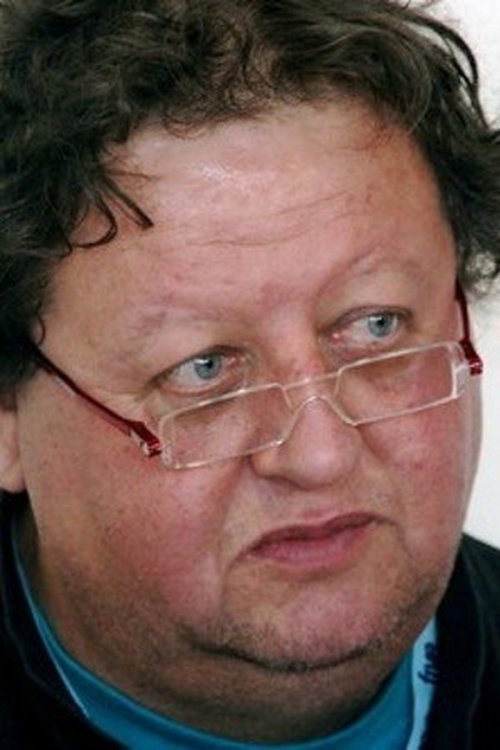
Peter Wintonick, director, producer, film editor, writer, director, journalist, and advocate, was a one-of-a-kind figure in the Canadian film industry. Wintonick started out as a precociously talented editor on commercial features before committing himself to documentary filmmaking. He became a highly regarded director-writer-producer and a mentor to numerous young filmmakers, as well as a globetrotting advocate and ambassador for socio-political documentaries. Involved in more than 100 films and media projects, he was perhaps best known for Manufacturing Consent: Noam Chomsky and the Media (1992). [The Canadian Encyclopedia]
Known For

In Praise of Older Women
5.3

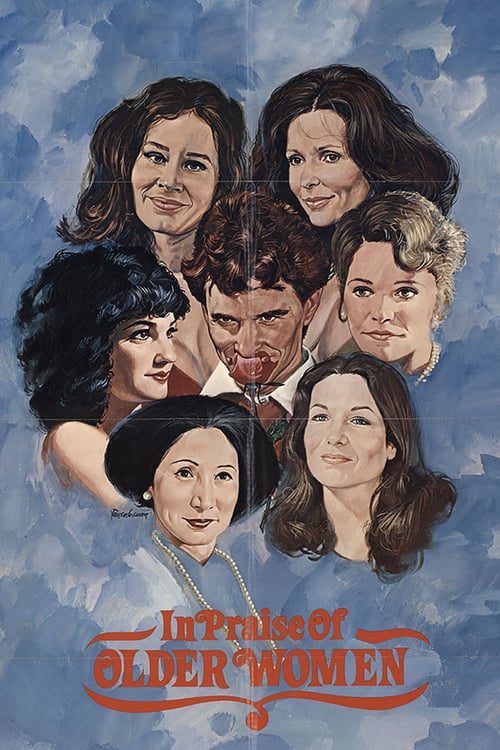
Andras Vayda grows up in a turbulent, war-torn Hungary, where he procures local girls for the occupying G.I.'s during World War II. Disappointed by girls of his age, he meets Maya, a married women in her thirties, who tutors him in the lessons of love and romance. Maya is only the first of many mature women that Andras will meet through his teenage and young adult life.

In Praise of Older Women

1978
Agency
6.5

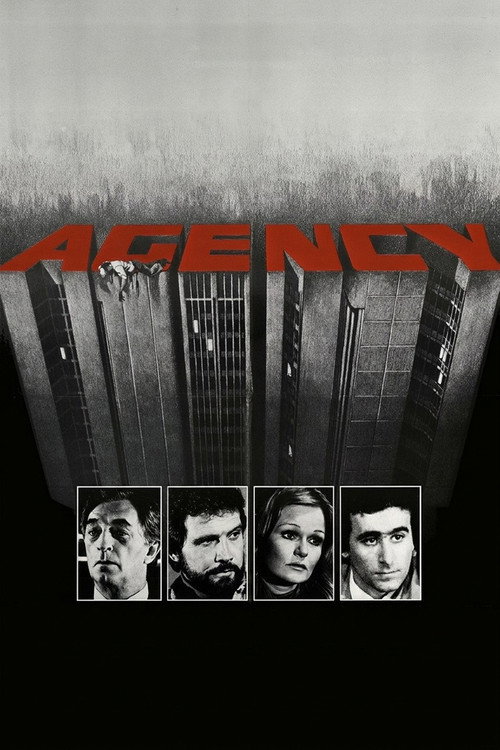
A mysterious millionaire buys an ad agency and begins to replace its employees with his own people, who don't appear to be advertising types at all...

Agency

1980
Manufacturing Consent: Noam Chomsky and the Media
7.6

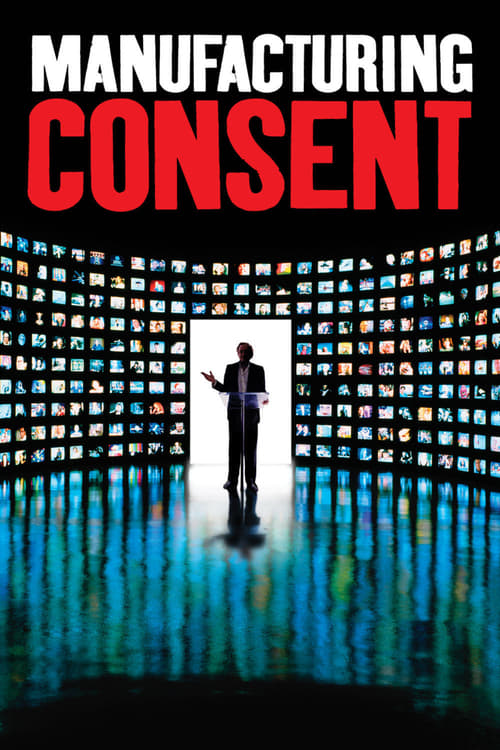
A film about the noted American linguist/political dissident and his warning about corporate media's role in modern propaganda.

Manufacturing Consent: Noam Chomsky and the Media

1992
No image
7.0

This video focuses on the formative influences in Noam Chomsky's life--those factors which enable him to become a politically engaged intellectual. Starting out as a linguist at the Massachusetts Institute of Technology, where his work revolutionized the study of language, Chomsky was radicalized by the 1960s anti-war movement and became a major critic of American policy. We learn about the important Jewish intellectual influences of his family, as well as those defining incidents in his early schooling that made a lasting impression.

Noah Chomsky: Personal Influences

1994
The Journey
4.6

Peter Watkins' global look at the impact of military use of nuclear technology and people's perception of it, as well as a meditation on the inherent bias of the media, and documentaries themselves.

The Journey

1987
No image
9.0

Beginning with Noam Chomsky's response to a college student who role-plays "Jane U.S.A."--someone who naively believes she lives in a democratic society in which she can create her own destiny--the viewer is presented with a cross-section of typically lively Chomsky encounters. Central to a functioning democracy is the necessity of free access to information, ideas and opinions. But what should be our democratic right turns out to be limited and shaped by the biases of insitutions and ideologies within the mass media. Chomsky shows how governments, corporations and other elites manufacture the consent of the public to serve their interests.

A Propaganda Model of the Media Plus Exploring Alternative Media

1994
Taqwacore: The Birth of Punk Islam
5.6

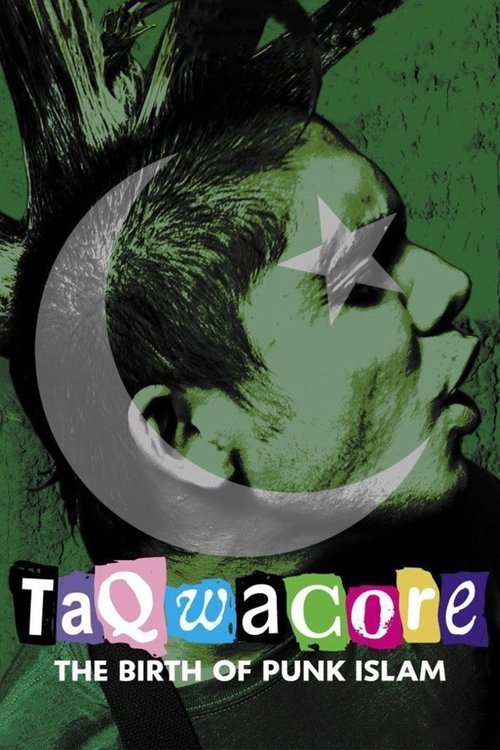
Three years in the making, this feature documentary follows the progression of the Muslim Punk scene: from its imaginary inception in a novel written by a white-convert named Michael Muhammad Knight to a full-blown, real-life scene of Muslim punk bands and their fans.

Taqwacore: The Birth of Punk Islam

2009
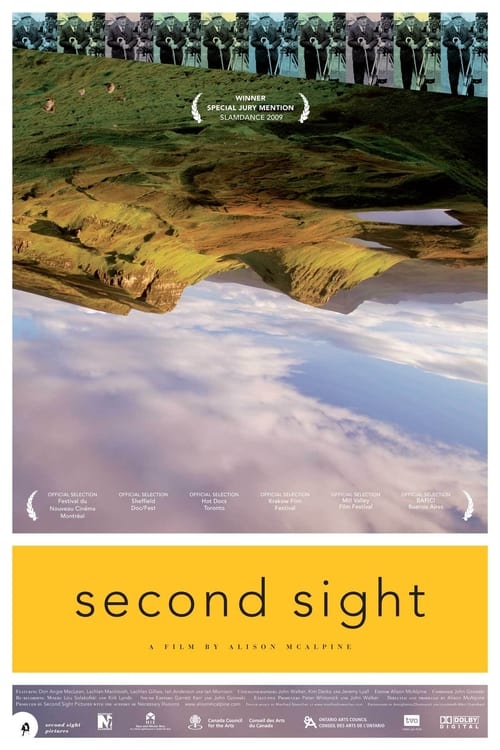
Second Sight
N/A

A non-fiction ghost story, featuring the last generation of Gaelic storytellers on Scotland's Isle of Skye.

Second Sight

2008
No image
7.0

This video focuses primarily on the implications of the structure and format of television, especially the consequences of concision, and how these factors can shape the messages of the medium. In addition, other issues, such as how democracies handle dissenters, and how the mainstream media have treated the challenges of Noam Chomsky's media critiques are explored. The media construct reality, and in the conclusion we see the author participating in that very process.

Concision: No Time for New Ideas

1994
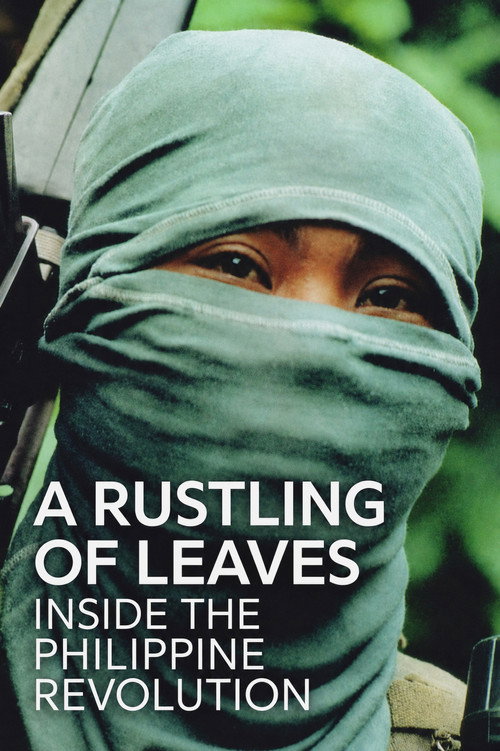
A Rustling of Leaves: Inside the Philippine Revolution
10.0

A chronicle of the three points of a political triangle — the legal left, the illegal (armed) revolution, and the enemy which threatens them both: the armed reactionary right. It is 1987. The dictatorship of Ferdinand Marcos has just been overthrown. Newly elected President Corazon Aquino struggles to wrench control of the country from her own military. A Rustling of Leaves poses the key question facing the revolutionaries and the Filipino Left: Should the People’s Movement continue the guerilla war, or do they dare enter legal politics and reveal the hidden face of the revolution?

A Rustling of Leaves: Inside the Philippine Revolution

1988
No image
10.0

No description available.

Holocaust Denial vs. Freedom of Speech

1994
No image
7.0

In this video, Noam Chomsky concentrates on the contemporary institutions and powers which have set limits on human progress and offers us some concrete ways of challenging them; in effect, he presents a vision of a future society. Chomsky's work is directed at developing intellectual self-defense for "ordinary people" who are often isolated in their struggles. States are seen to be violent through such strategies as the near-genocide of aboriginal peoples. Ultimately, Chomsky feels we must move beyond the myths of modern industrial civilization and the privileged elites who dominate mass communication, and instead foster the interests of a truly global community.

Toward a Vision of a Future Society

1994
Capturing Reality
6.1

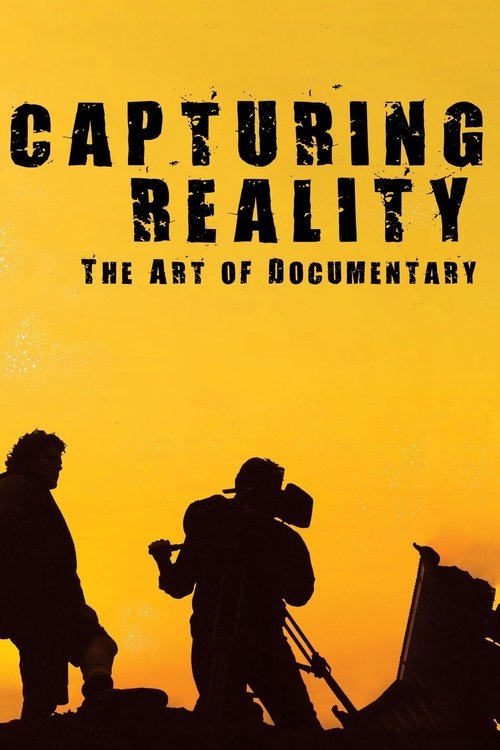
From cinema-verite; pioneers Albert Maysles and Joan Churchill to maverick movie makers like Errol Morris, Werner Herzog and Nick Broomfield, the world's best documentarians reflect upon the unique power of their genre. Capturing Reality explores the complex creative process that goes into making non-fiction films. Deftly charting the documentarian's journey, it poses the question: can film capture reality?

Capturing Reality

2008
No image
9.0

No description available.

A Case Study: Cambodia and East Timor

1994
Maneuvers in the Dark
8.5

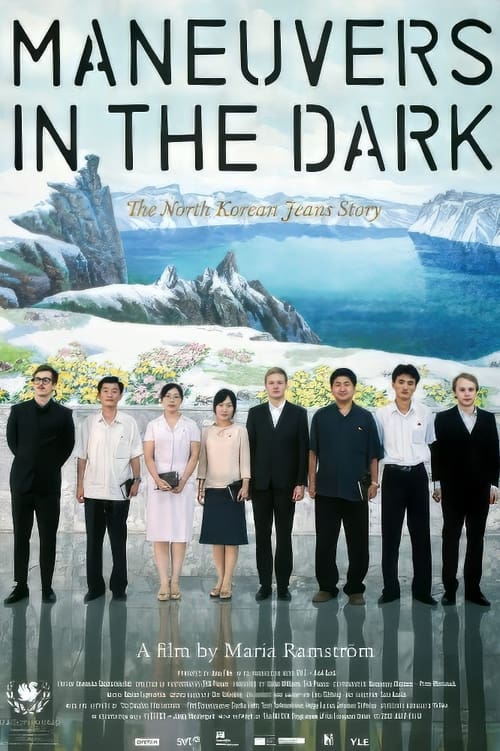
Maneuvers in the Dark is the story of how three young Swedish entrepreneurs manage to sneak through the backdoor of North Korea in an attempt to produce jeans in the country, and of the spiraling repercussions that follow as they begin to trade with the worlds most sealed dictatorship.

Maneuvers in the Dark

2012
Wintopia
10.0

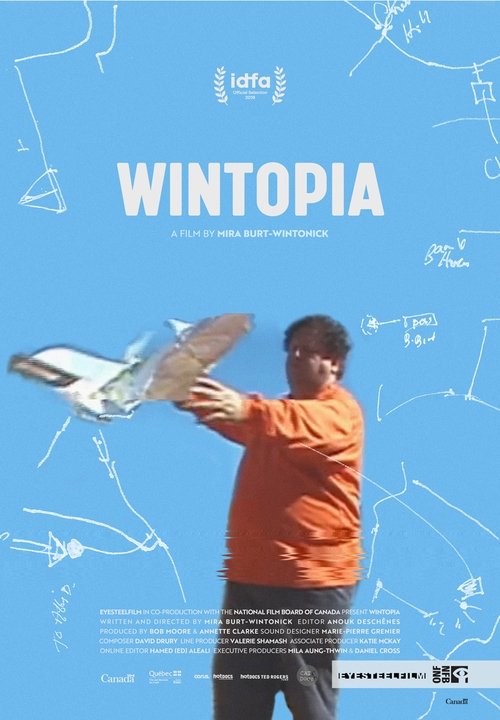
IDFA and Canadian filmmaker Peter Wintonick had a close relationship for decades. He was a hard worker and often far from home, visiting festivals around the world. In 2013, he died after a short illness. His daughter Mira was left behind with a whole lot of questions, and a box full of videotapes that Wintonick shot for his Utopia project. She resolved to investigate what sort of film he envisaged, and to complete it for him.

Wintopia

2019
No image
6.4

A documentary about direct-cinema from its very beginnings (Nanook of the North) to the fake-direct-cinema of the Blair Witch Project. All the important direct-cinema filmmakers are portrayed and/or interviewed: Leacock, Wiseman, Maysles, Pennebaker, Reisz and others.

Cinéma Vérité: Defining the Moment

2000
No image
N/A

What do the Japanese see in Canada? What's the magnetic pull from the Far East? And what's our take on this land of ours? Bolstering our feeling of national pride comes naturally after watching the Japanese embrace the country. The film follows Masaaki Kagami, a Japanese transplanted in Alberta. He specializes in making souvenir videos for Japanese tourists. HO! KANADA is an investigation of national stereotypes. The film records the way the Japanese see us, and how we see them and ourselves.

Ho! Kanada

1995
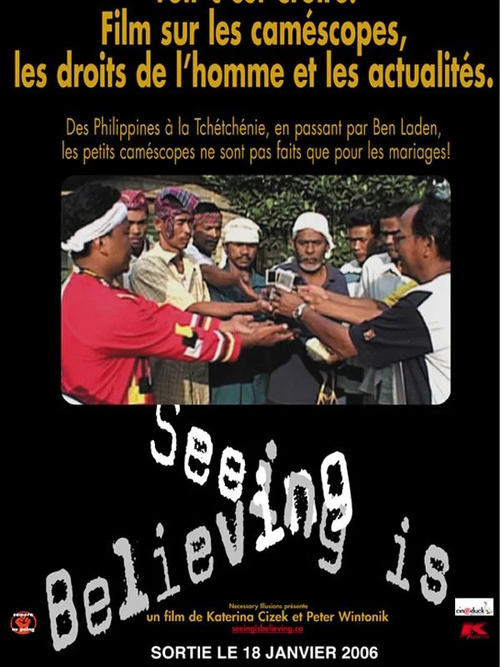
Seeing is Believing: Handicams, Human Rights and the News
8.0

The impact of consumer video equipment on international political activism efforts.

Seeing is Believing: Handicams, Human Rights and the News

2002
The Street
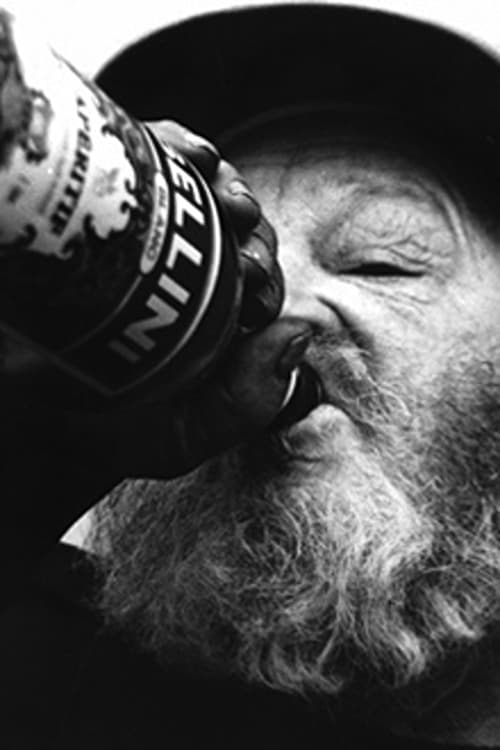
9.0

Every day, on the streets of Canada's cities, we pass them on our way to work or school. Bums, beggars, winos, bag people we call them. But who is the person at the end of that outstretched arm? What is life on the street really like? Is there a way off the street? For six years, director Daniel Cross followed the lives of three homeless men who spent much of their time in and around a Montreal subway station. Filmed in a cinema verité style, the film is unique: it humanizes the homeless, breaking down the barrier between us and them, neither moralizing nor offering easy answers. This is a gritty, compelling look at life on the streets that moves beyond the media stereotypes to show both the humanity of the homeless and the street-toughened aspects of their existence.

The Street

1996