Acting
Bálint Zeke, the honest old miller of the village, leaves his water-mill to Anna, his only daughter, while the will also provides for the mill to be managed by Forintos Mátyás, a young miller, whom he has been raising since he was very young and treats as his own son. The two young people seem to "like each other anyway", and their marriage would make the old man happy.
No description available.
This Hungarian musical comedy (English title: Spring Parade) was produced by Joseph Pasternak, who later remade the picture in Hollywood as a Deanna Durbin vehicle. The original 1934 version stars Franciska Gaal as a Hungarian serving girl who heads to Vienna to visit a relative. Stopping over at an outdoor carnival, Gaal is told by a fortune teller that she will enjoy a happy marriage with a handsome and wealthy stranger. Later on, she finds herself at a fancy dress ball, where a good-looking aristocrat, assuming that our heroine is a countess masquerading as a peasant, falls in love with her. Delighted that the fortune-teller's prophecy seems to be coming true, Gaal finds herself in a dilemma when she falls in love with poverty-stricken soldier Wolf Albach Retty. But things turn out OK when Retty, the regimental drummer, composes a hit song which brings him fame and fortune, thereby neatly fulfilling that prophecy.
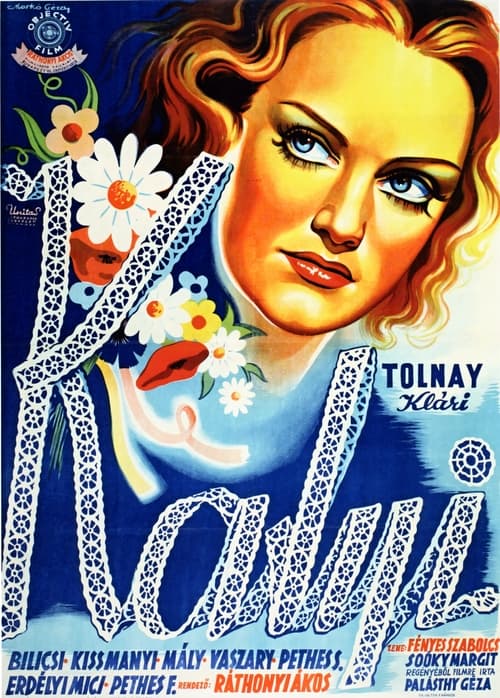
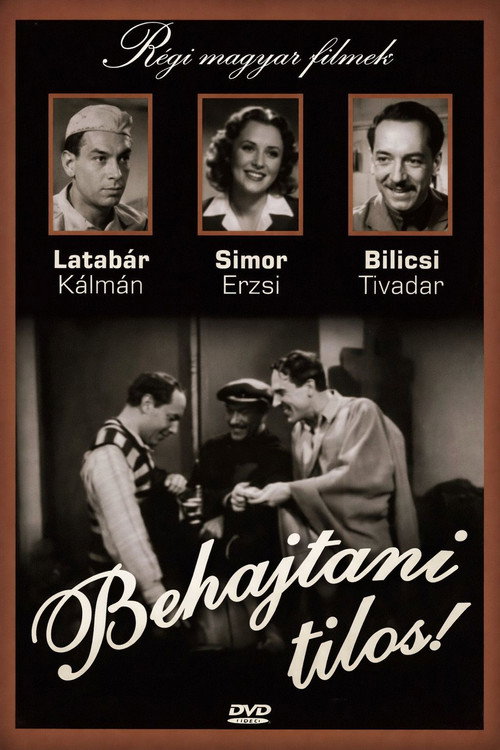
Kató Varga (Klári Tolnay) is unable to play its part in front of the Admissions Committee of the School of Dramatic Art. Geszty (Tivadar Bilicsi), severe President of the Commission maintains that she has no talent for acting and mercilessly tells you will never be an actress. Kató prepares to take revenge and under the false name of Katyi Csiba, dressed as a peasant village, obtains admission to the house Geszty. Turning everything upside down, she makes your life hell.
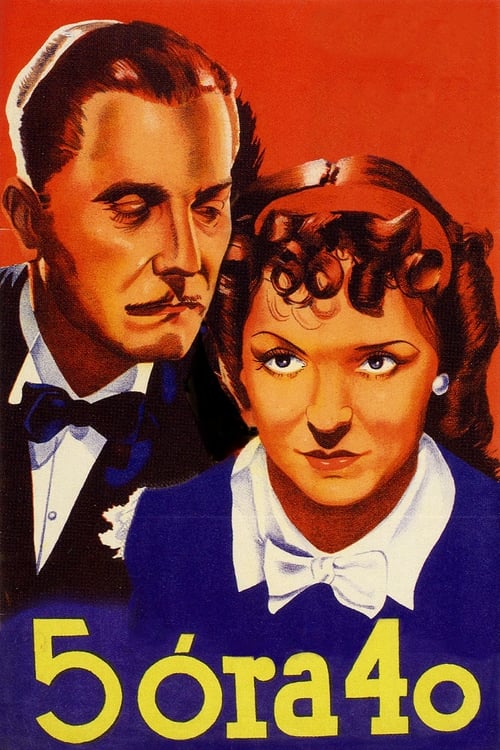
In a post office at Balatonföldvár, Pali, a spoiled young man, one who has good manners and knows the way of the world, falls in love on one lazy summer afternoon with Teri, a young post office clerk and an orphan.
Set in Paris (which looks more like Budapest), the story concerns a murder investigation conducted by one Judge Henri Tessier. The audience is led to believe that Robert Petrovich, estranged husband of Tessier's sweetheart Marion, is responsible for the murder.
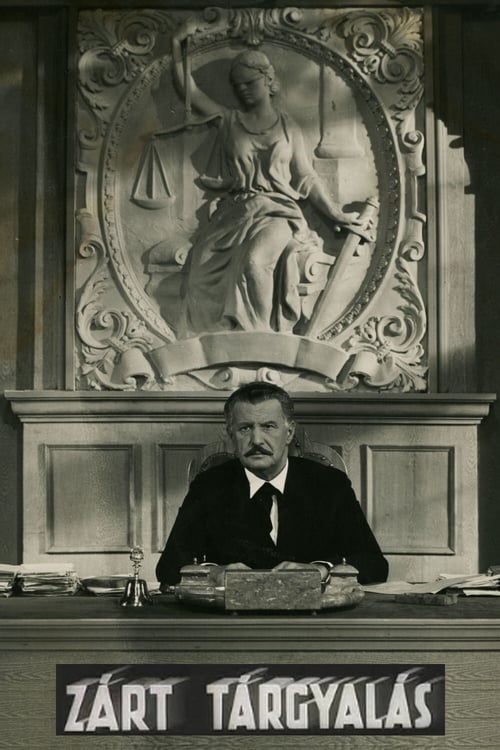
dr. Benedek Gábor, a famous solicitor in Eger, is the defense counsel of a murderer, who killed his wife out of jealousy. Gábor lives in a happy marriage with Anna. One day, however, Szentgyörgyi Péter, a famous pianist, comes to Eger. He once was loved by Anna, who in those days was training to become an artist herself. Gábor has no knowledge of these events of the past. He, therefore, associates the now renewed relationship with the story of the murderer he is the legal representative of.
Miklós Kátay, a spoiled, peppery gentleman, changes to his advantage when he joins the military. He is helped by his old acquaintance, Sergeant Menyhért, who is courting his cook, and a new recruit, Balázs, who becomes his friend. In the barracks, he chats and chats at first, but at the front, where he is now an ensign, he is a hero. He is welcomed back by his friend Éva, the Colonel's ugly niece, and by another Éva, the beautiful daughter of a retired Colonel.
Tóni is a delivery man in a furniture shop. As he has no place to go, he spends the nights in an antique bed in the shop window.
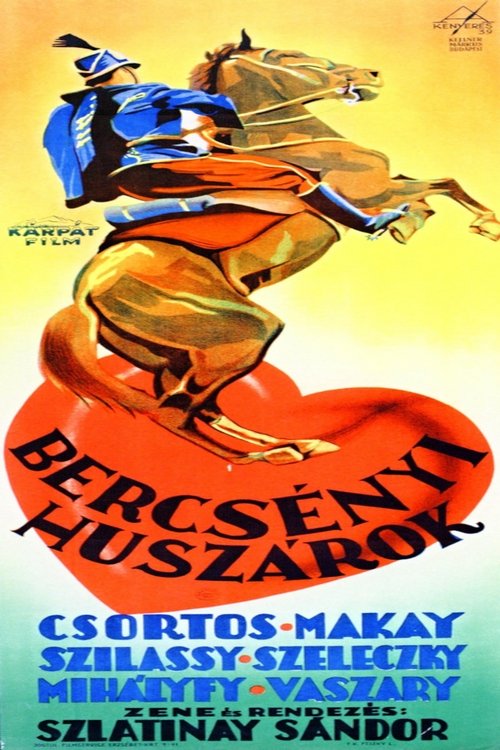
Everybody knows that the captains of the hussars are a wild bunch. This was no different for Gábor Bagodi, who was famous far and wide for his revelry. No wonder his wife left him after a day of revelry. He packed up their little girl and left. Bagodi didn't mourn her much, he went on with his life. As fate would have it, he met a beautiful lady, Baroness Eva Lichtenstein...
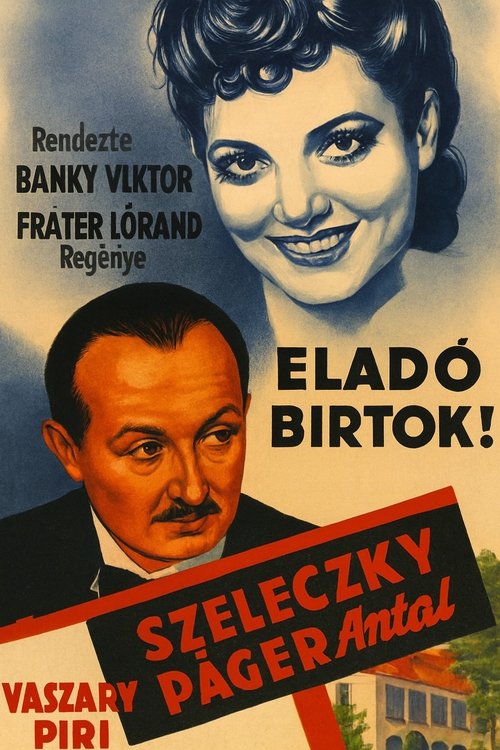
Pál Völcsöky comes home from Sweden to get his uncle's heritage, the castle. The valet, Joachim informs him that all members of the Völcsöky family have a right to spend two weeks of honeymoon here.
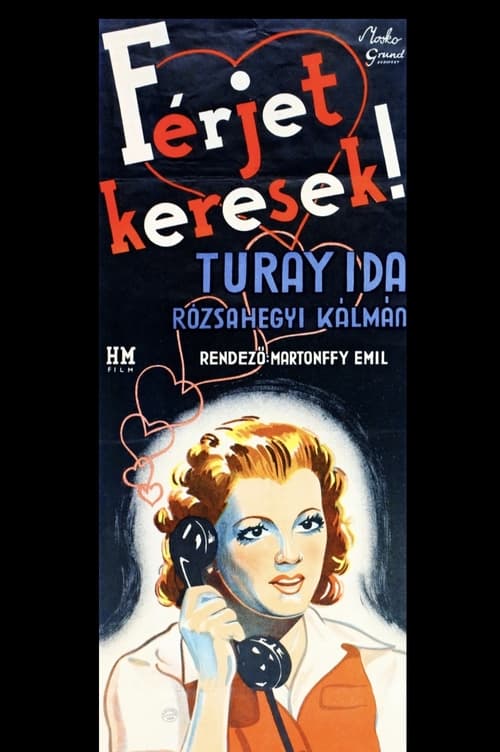
Kato is looking for a husband for her sisters so that she can marry. Mari helps her as a counsellor, but all their attempts end in scandal. Kato is left to focus on his own happiness. She is in love with Baron Koltay, but he also wants to win the hand of the actress Palma Nusi. Kató pretends to be Koltay's sister and wins Nusi's trust. The Baron soon forgets Nusi and falls in love with Kato. A tangle of lies and deceit finally leads Koltay and Kato to marriage.
The hero of the story, Gyuszi Ádám, the Jómadár, a lawyer's clerk in Pest, returns home to his parents in Kőhegy, and disrupts the stale, uneventful life of the small town with his mere appearance. He decides to revive his father's dying law firm and marry his 23-year-old sister, who is rapidly approaching the age of the "fair maiden". He successfully carries out his plans, tidies up the office and marries Sárika to their neighbour, with whom she has been hopelessly in love since she was a little girl. But in the meantime, she too falls into the trap of love...
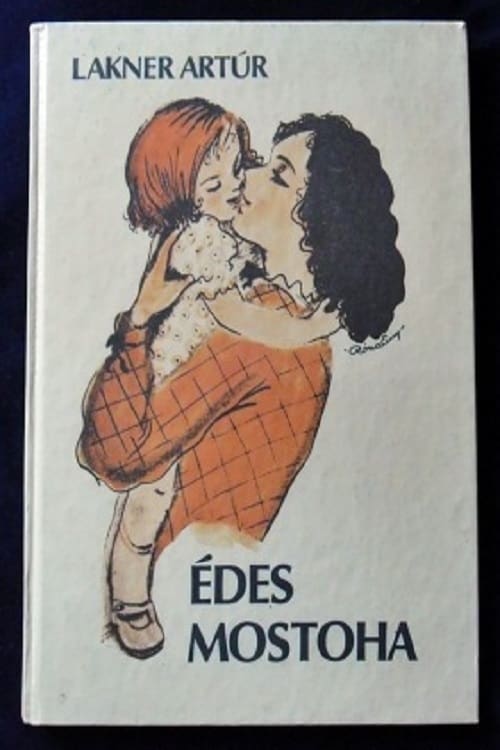
The child's must have a mother! - This is the doctor's instructions, and a young widow will do everything so that little girl's mood will change.
The director discusses film subjects with three screen-play writers. The three episodes are formed from readers' letters.