Acting
La série des Tatort, créé en 1970, est la plus ancienne et la plus appréciée des séries télévisées policières diffusées actuellement dans les pays germanophones. Au cours de l'année 2010, elle a été regardée chaque semaine par près de 8,5 millions de personnes en moyenne, d'après l'ARD.
Aucune description disponible.
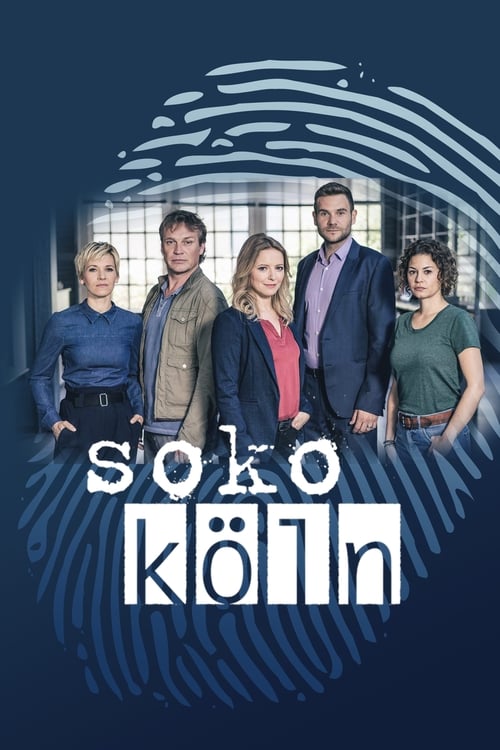
Daniela, Franck, Tobi et les autres sont des jeunes flics de la division criminelle de Cologne. Plutôt drôles et sympathiques, ils ne sont pas de parfaits héros mais plutôt des hommes et des femmes avec leurs hauts et leurs bas, personnels ou professionnels.
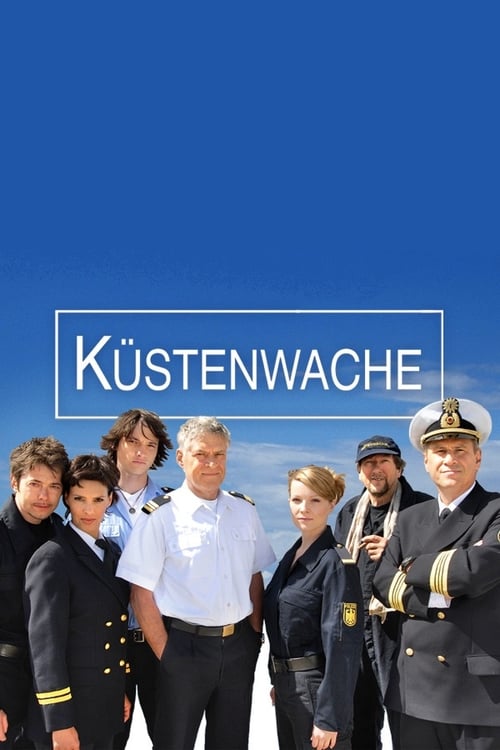
Un portrait des enquêteurs à bord de "L'Albatros". Les côtes d'un pays sont des frontières ouvertes, ouvertes pour le commerce et le tourisme, mais également pour les crimes. Pour maintenir la sécurité sur la mer a été créée la police des frontières fédérale. La douane et d'autres autorités de police se sont unies en une seule police en mer : ils ont tous en communs la garde côtière !
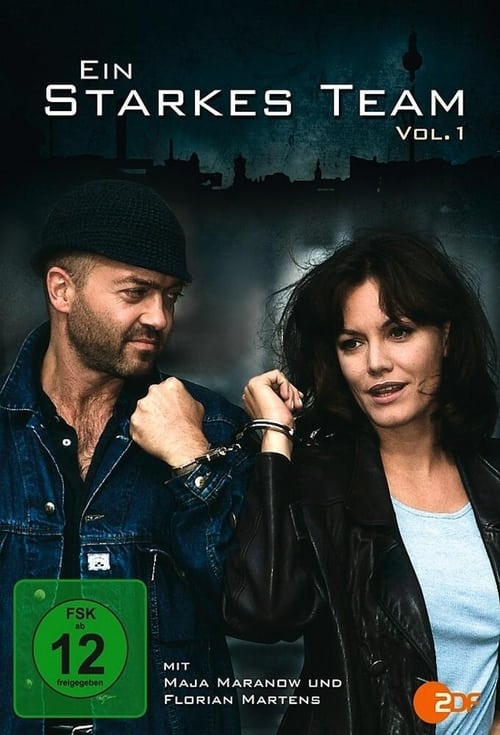
Après la réunification de l'Allemagne, Verena Berthold travaillant à la police criminelle de Berlin doit faire équipe avec Otto Garber, un policier de l'ex-Allemagne de l'Est. Ces deux flics, mal assortis résolvent avec doigté toutes les affaires. Ils sont secondés par Georg Scholz et Yücsel, un collègue de descendance turque. Humour et action sont au rendez-vous de la série.
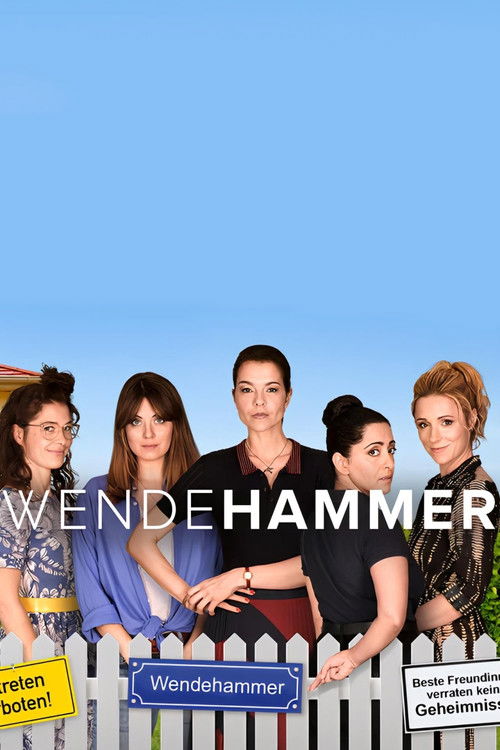
Franziska, Meike, Samira et Nadine sont amies depuis l'enfance et maintenant voisines dans la double moitié de la maison à Wendehammer. Julia, nouvellement recrutée, aimerait faire partie du trèfle.
La vie brève et tumultueuse de Rainer Werner Fassbinder, enfant terrible du cinéma allemand. Par Oskar Roehler (« Les Particules élémentaires »), un biopic audacieux qui explore différentes facettes de l’artiste, y compris les plus sombres.