Wolfgang Luderer
Directing
Biography
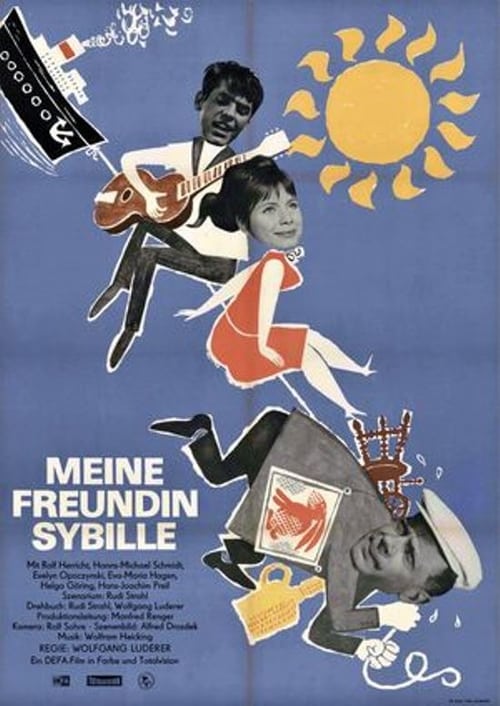
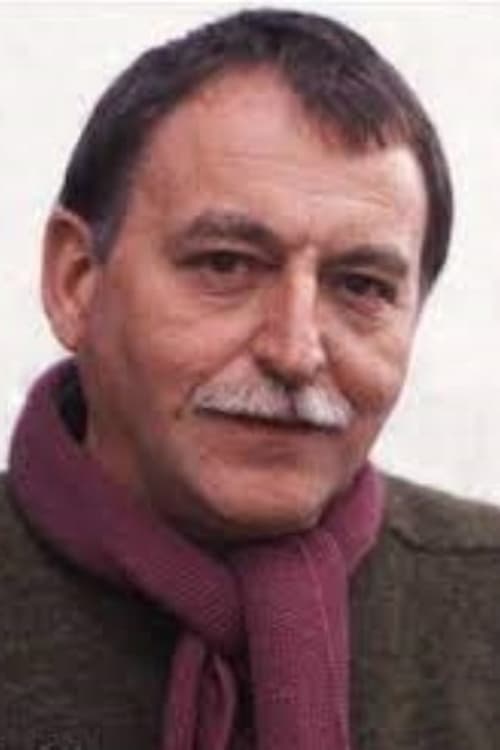
Wolfgang Luderer was born on September 4, 1924 in Dresden, Germany. He was a director and writer, known for Fernsehpitaval (1958), Meine Freundin Sybille (1967) and Tatort (1970). He was married to Gerlind Ahnert and Edith Volkmann. He died on March 2, 1995 in Berlin, Germany.
Known For

Tatort is a long-running German/Austrian/Swiss, crime television series set in various parts of these countries. The show is broadcast on the channels of ARD in Germany, ORF in Austria and SF1 in Switzerland.
Scene of the Crime

Polizeiruf 110 is a long-running German language detective television series. The first episode was broadcast 27 June 1971 in the German Democratic Republic, and after the dissolution of Fernsehen der DDR the series was picked up by ARD. It was originally created as a counterpart to the West German series Tatort, and quickly became a public favorite.
Polizeiruf 110

This series is about the "adventures" and problems of the crew of the East German cargo ship "MS-Fichte" at sea. In the first part, the main engine had a piston jam during a storm at sea, so that the piston had to be removed. Mutual recriminations ensue between the captain, who ordered a higher speed, and the chief, who is against it out of concern for the high fuel consumption and is also said not to have bothered to maintain the engine...
Zur See
No description available.
Felix und zweimal Kuckuck
No description available.
Fernsehpitaval
No description available.
...und immer wieder LEBEN

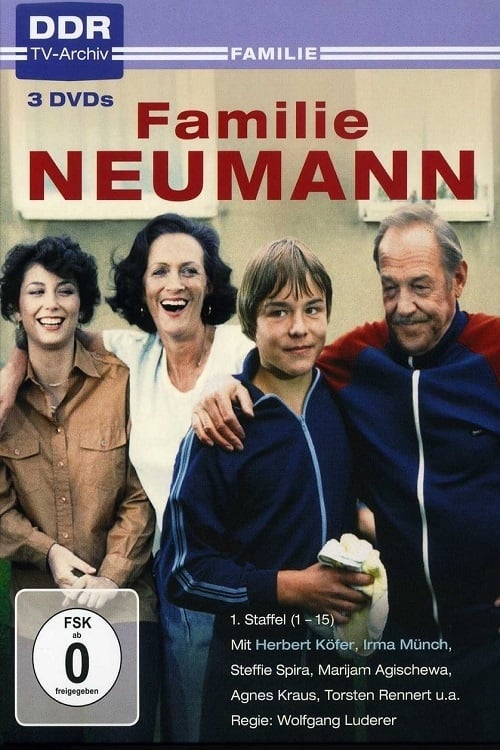
Familie Neumann is a German television series.
Familie Neumann

No description available.
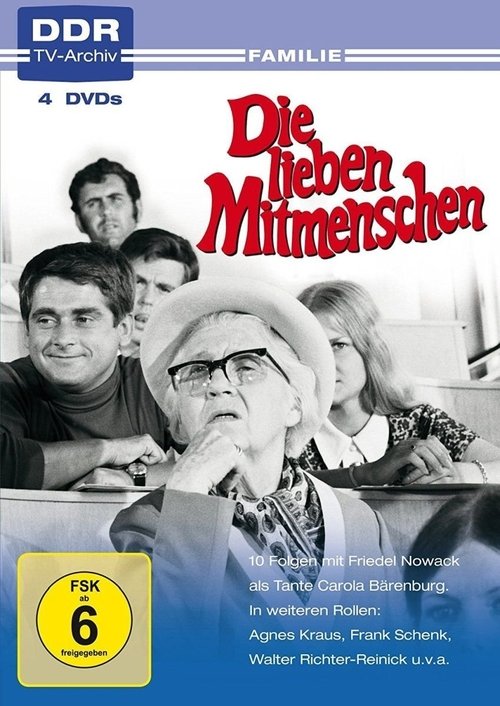
Die lieben Mitmenschen

The famous actor Ralf Horricht is a pain in his current director's butt while shooting a comedy about the army. So Horricht believes it a joke, when he receives an induction-order as reserve-officer... but the captain tries his best to make him realize this is no laughing matter.
Der Reserveheld

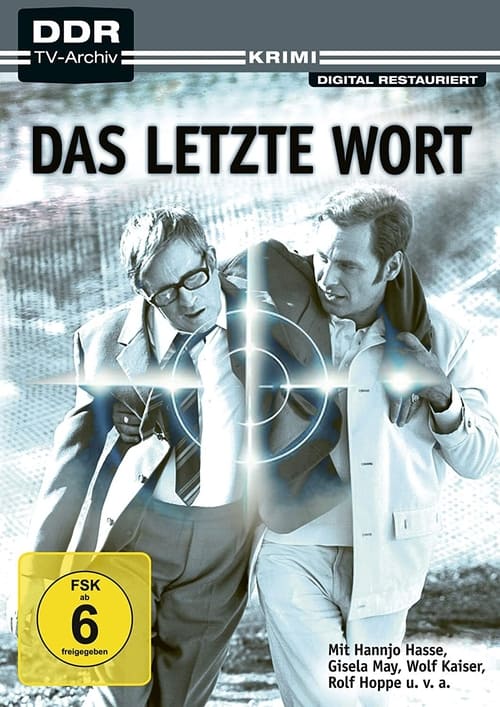
The starting point of the story is a scandalous affair that took place in West Germany at the end of the 1950s. It began with the unexpected death of a member of the Bundestag who was known to the public as a well-paid lawyer and influential man in politics. What was not known, however, was that he mysteriously died of poisoning in a foreign hospital for the poor. It was concealed that the deceased, as a contact person for a Swiss arms company, represented a West German arms contract worth 2.5 billion marks. The Military Counterintelligence Service tried everything to conceal the explosive events...
Das letzte Wort

In the nineteenth century, seventeen year old Effi Briest is married to the older Baron von Instetten and moves into a house that she believes has a ghost.
Effi Briest
No description available.
Die Erbschaft
No description available.
Toter Winkel

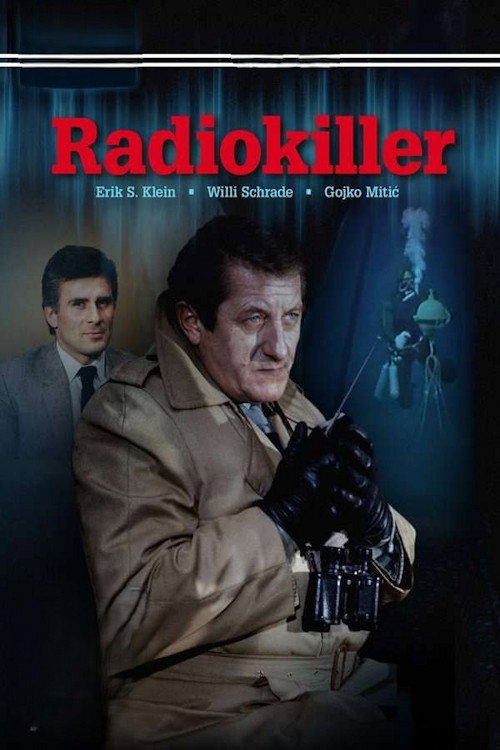
Enemy secret services from the West had used modern technology for the "cold war", i.e. the confrontation with the Eastern Bloc, and developed a device called COMMINT 3-72. Its nickname was "Radiokiller". This weapon was not much bigger than a soccer and could be easily camouflaged on the territory of the GDR, for example as a fieldstone, the remains of a wall or a lump of earth. These enemy objects were inconspicuous on the outside, but packed with complicated inner workings, i.e. highly sophisticated microelectronics.
Radiokiller

In 1944, SS-Obersturmbannführer Becher arrives in Budapest in order to obtain material for the Waffen-SS. At the same time, he starts to gather private property by offering an insidious choice to the corporation′s Jewish majority shareholder, Dr. Chorin: Either Chorin assigns the company to Becker "on his own free will" – thereby obtaining the permission to travel abroad - or he his family will end up in an extermination camp.
Lebende Ware

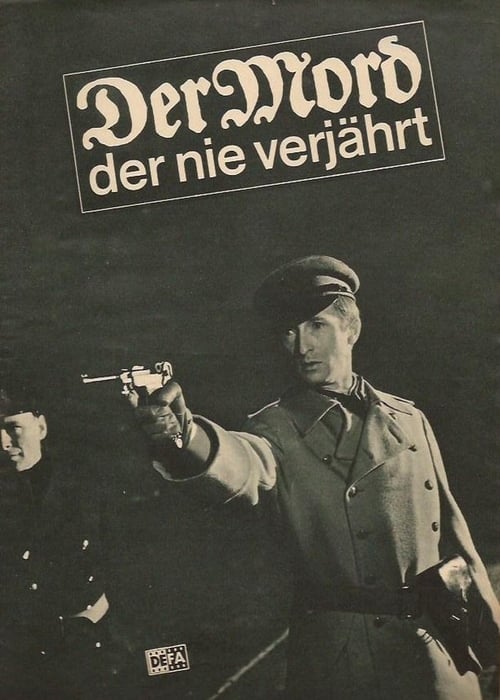
In 1929 Berlin, the progressive editor-in-chief Bornstein is on trial for libel. An article in his magazine attempted to uncover the role that Reichsanwalt Jörns had played ten years earlier in the "clarification" of the murders of Rosa Luxemburg and Karl Liebknecht. The article explained that the then court martial judge knowingly covered up for the murderers and delayed the trial. At the trial, the testimony of witnesses succeeded in proving the truth of the publication and exposing those behind the murders as those who were preparing fascism.
Der Mord, der nie verjährt

Four directors - four styles - four episodes, all relating the events of a single night which has entered the history books: August 12-13, 1961. There are thousands of complex narratives connected with the frontier drawn through the middle of Berlin, and each episode relates the story of a difficult decision made on that night...
Stories of That Night

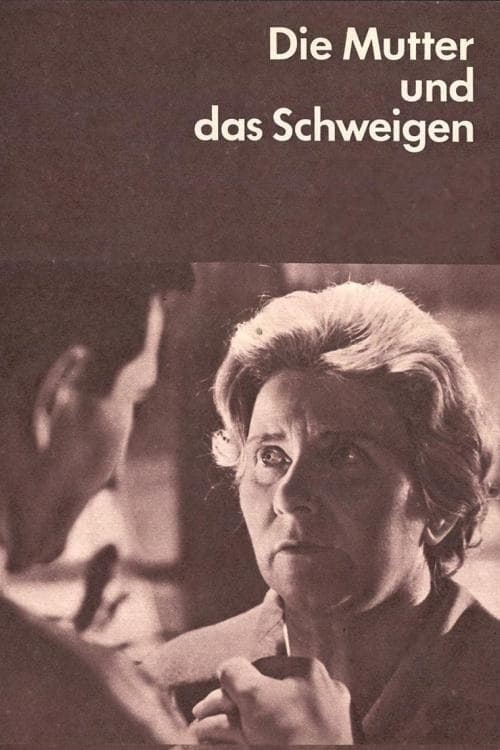
Based on a true story from 1936: Klara Baumann, a working-class woman, communist and mother, flees her German homeland for neighboring Czechoslovakia. When a party courier is arrested in Berlin, Klara agrees to return to Germany with illegal material. On behalf of the central courier service, she returned to Germany illegally many times, risking her life, in constant fear of being caught. When the illegal party cell in a large Berlin factory is arrested, Klara distributes the latest issue of the Red Signal on her own. She wants to prove to the Gestapo that she has imprisoned the wrong people. Authentic story of a communist and mother who flees her German homeland for neighboring Czechoslovakia in 1936.
Die Mutter und das Schweigen
No description available.
Projekt Merkur

The adventures of three friends from East Germany on the Black Sea.