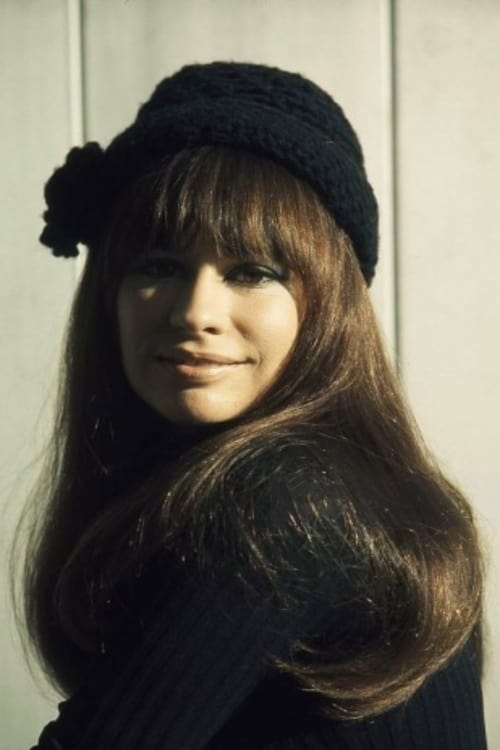
Astrud Gilberto
Acting
Biography
Astrud Gilberto (born Astrud Evangelina Weinert, 29 March 1940 - 5 June 2023) was a Brazilian samba and bossa nova singer. She gained international attention in the 1960s following her recording of the song "The Girl from Ipanema". Astrud Gilberto was born Astrud Evangelina Weinert, the daughter of a Brazilian mother and a German father, in the state of Bahia, Brazil. She was raised in Rio de Janeiro. Her father was a language professor, and she became fluent in several languages. She married João Gilberto in 1959 and had a son, João Marcelo Gilberto, who later joined her band. Astrud and João divorced in the mid-1960s. She has another son from a second marriage, Gregory Lasorsa, who also played with his mother. Later she began a relationship with her husband's musical collaborator, American jazz saxophone player Stan Getz. She immigrated to the United States in 1963, residing in the U.S. from that time. She sang on two tracks on the 1963 album Getz/Gilberto featuring João Gilberto, Stan Getz, and Antônio Carlos Jobim. While it was her first professional recording, Astrud "wasn’t a complete novice. She grew up steeped in music (her mother Evangelina Neves Lobo Weinert played multiple instruments) and sang regularly with her husband in Brazil, including in a concert at the Faculdade de Arquitetura, part of one of Rio de Janeiro’s top universities." Her "beguiling, whispery voice" and steadfast approach to singing played a significant role in popularizing "The Girl from Ipanema", earning a Grammy for Song of the Year and a nomination for Best Vocal Performance by a female. The 1964 edited single of "The Girl from Ipanema" omitted the Portuguese lyrics sung by João Gilberto, and established Astrud Gilberto as a Bossa Nova singer. It sold over one million copies and was awarded a gold disc. For the recording, it is reported Astrud only ever received the standard session fee, $120. However, according to Gene Lees in Singers and the Song II, Getz asked producer Creed Taylor to ensure she was paid nothing. In 1964, Gilberto appeared in the films Get Yourself a College Girl and The Hanged Man. Her first solo album was The Astrud Gilberto Album (1965). Upon moving to the United States, she went on tour with Getz. Beginning as a singer of bossa nova and American jazz standards, Gilberto started to record her own compositions in the 1970s. She has recorded songs in Portuguese, English, Spanish, Italian, French, German, and Japanese. In 1982, Gilberto's son Marcelo joined her group, touring with her for more than a decade as bassist. In addition, he collaborated as co-producer of the albums Live in New York (1996) and Temperance (1997). Her son Gregory Lasorsa played guitar on the Temperance album on the song "Beautiful You", which features singer Michael Franks. ... Source: Article "Astrud Gilberto" from Wikipedia in English, licensed under CC-BY-SA 3.0.
Known For
The Mike Douglas Show is an American daytime television talk show hosted by Mike Douglas that originally aired only in the Cleveland area during much of its first two years on the air. It then went into syndication in 1963 and remained on television until 1982. It was distributed by Westinghouse Broadcasting and for much of its run, originated from studios of two of the company's TV stations in Cleveland and Philadelphia.
The Mike Douglas Show
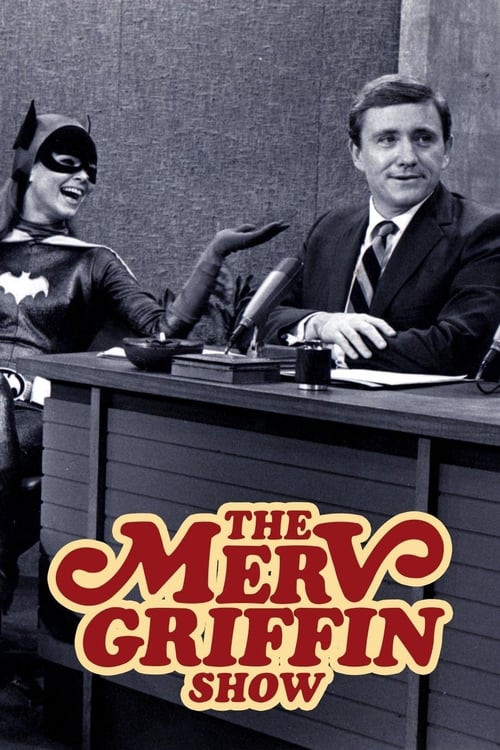
No description available.
The Merv Griffin Show

No description available.
Discorama
Kraft Music Hall is an umbrella title for several television series aired by NBC in the United States from the 1950s to the 1970s in the musical variety genre, sponsored by Kraft Foods, the producers of a well-known line of cheeses and related dairy products. Their commercials were usually announced by "The Voice of Kraft", Ed Herlihy.
Kraft Music Hall
The Hollywood Palace is an hour-long American television variety show that was broadcast weekly on ABC from January 4, 1964 to February 7, 1970. Originally titled The Saturday Night Hollywood Palace, it began as a mid-season replacement for The Jerry Lewis Show, another variety show which had lasted only three months. It was staged in Hollywood at the former Hollywood Playhouse on Vine Street, which was renamed The Hollywood Palace during the show's duration and is today known as Avalon Hollywood. A little-known starlet named Raquel Welch was cast during the first season as the "Billboard Girl", who placed the names of the acts on a placard.
The Hollywood Palace
Cachitos de hierro y cromo is a Spanish musical-themed documentary program, directed by Jero Rodríguez and hosted by Virginia Díaz. It is an unapologetic musical display of RTVE's sound legacy in the form of performances on the set of programs such as 'Aplauso', 'Galas del Sábado', 'Mapa Sonoro', 'Zona Franca' or 'Los Conciertos de Radio 3'. For nearly 60 years, artists and other specimens have stormed viewers' screens. The result is a polyphony of images and memories that includes everything from James Brown to Camela, from Perales to REM, from Gabinete to Violent Femmes. And so all the time. Our secret weapon has been the historical archive of TVE, the repository of Spanish collective memory for more than half a century.
Cachitos de hierro y cromo
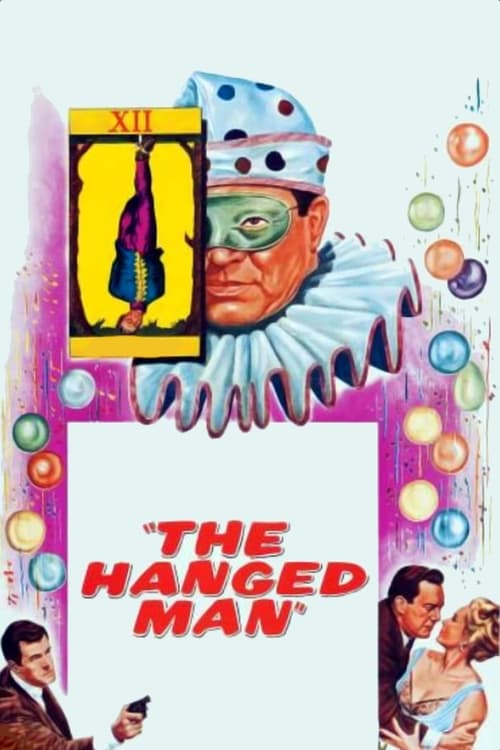
A gunman whose best friend has been murdered enacts a plan to blackmail the corrupt labor union leader responsible but finds he isn't the only one after his money.
The Hanged Man
Documentary about the birth of bossa-nova, in Brazil, and the major stars of this musical style.
Coisa Mais Linda - Histórias e Casos da Bossa Nova
No description available.
Don-Lurio-Show
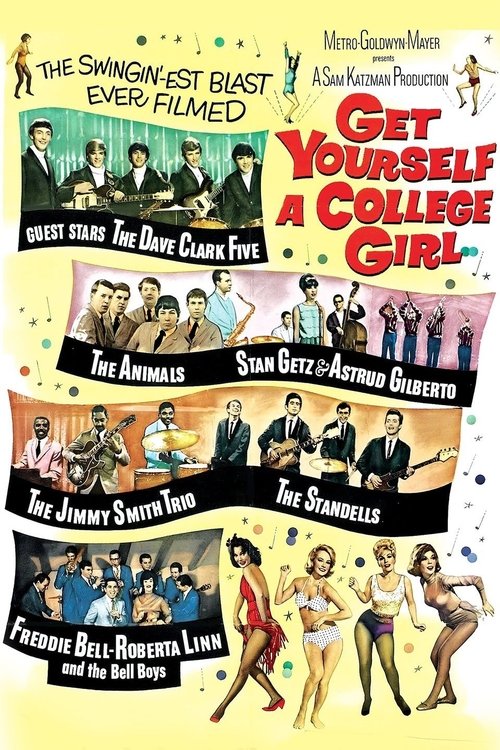
A young music student faces expulsion after her instructors learn she is moonlighting as a pop-music writer.
Get Yourself a College Girl
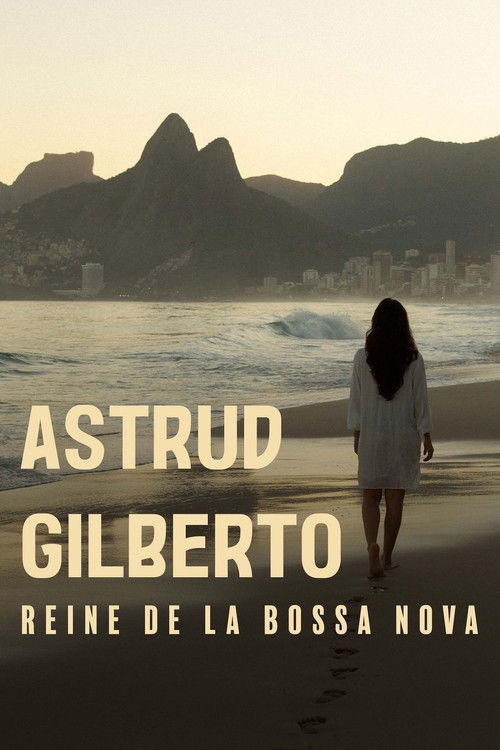
The Girl from Ipanema charts the progress of bossa nova (new wave), and the Brazilian singer Astrud Gilberto's musical development and rise to fame. Best of all, at the end of the documentary the mature Astrud answers the question that must surely be on every viewer's mind: Was she sick to death of singing The Girl from Ipanema?
The Girl From Ipanema: Astrud Gilberto, Queen of Bossa Nova
Mixing Samba, Jazz and sophisticated lyricism, the sultry Bossa Nova sound was spawned in the beaches and bars of Rio, Brazil in the late '50s, and quickly seduced the world when anthems like 'The Girl from Ipanema' became huge international hits. This compelling documentary, filmed on location in Rio, and featuring rare live clips of Bossa legends' Tom Jobim and Astrud Gilberto, traces the legacy of the seductive Bossa Nova sound through interviews with the key players from the era including Sergio Mendes, Carlos Lyra and Paulo Jobim.