
Norton Nascimento
Acting
Biography
Norton Nascimento (Belém, January 4, 1962 — São Paulo, December 21, 2007) was a Brazilian actor.
Known For

Malhação is a Brazilian television series for the teenage audience. The soap started in 1995, and was set in a fictional Gym Club called Malhação on Barra da Tijuca, Rio de Janeiro. Through the years the location varied slightly. Although the name of the soap remains the same, it is now set in the Múltipla Escolha High School.
Young Hearts
No description available.
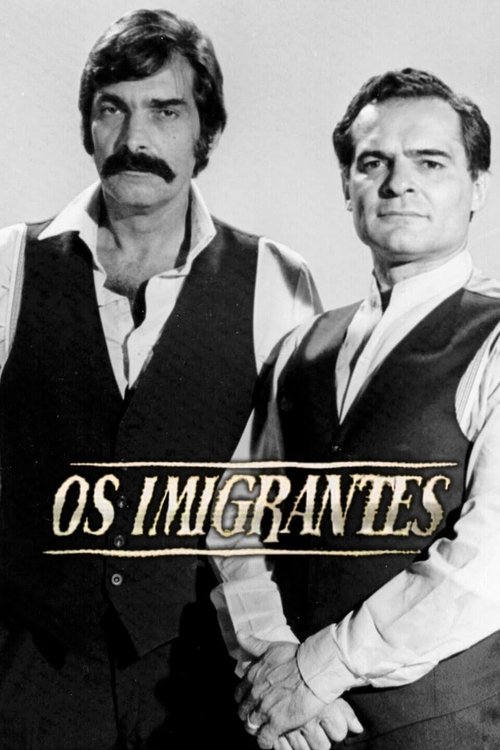
Os Imigrantes

Brava Gente was a television series aired by TV Globo in Brazil between 2000 and 2003, initially as a special year-end. The program was adapted from stories and national stories, and plays by famous playwrights, screenwriters and signed by a number represented by several actors and actresses. The genres of the stories varied each week with the style of each director or author. Brava Gente in the stories ranged from comedies and dramas. In all 53 episodes were shown, broadcast on Tuesday nights.
Brava Gente

A young law student starts to work as a detective, decided to uncover the identity behind a series of murders, as well as who is next.
The Next Victim
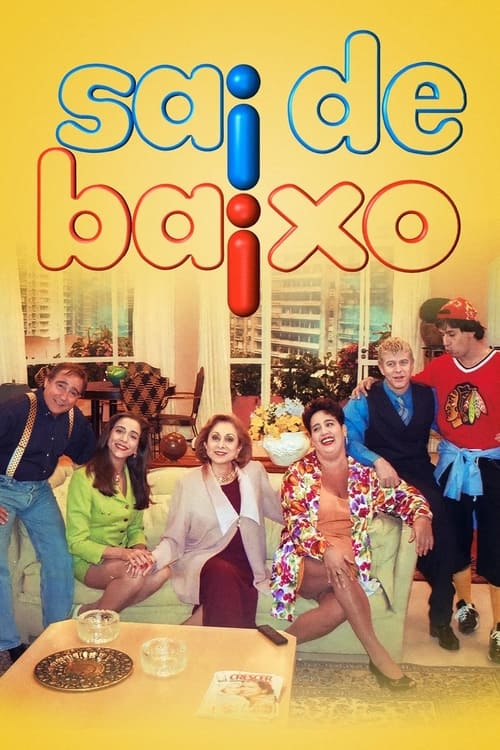
It follows the lives of the members of a dysfunctional family, their maid and the doorman of the apartment building in which they lived.
Sai de Baixo

Marked by tragedy, Feliciano Júnior returns to Tubiacanga as Raimundo Flamel, driven by the desire to avenge the death of his parents.
The Injured Beast
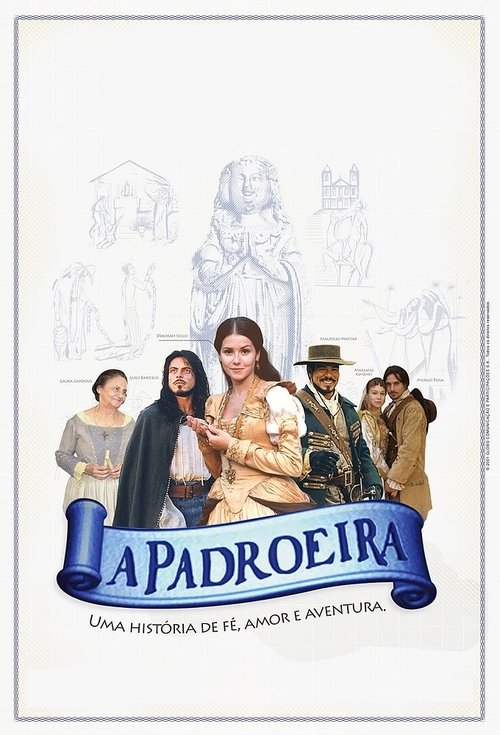
A Padroeira was a Brazilian soap opera produced and displayed at the time of 18 hours by Rede Globo, between June 18, 2001 and February 23, 2002, and presented in 215 chapters. It was written by Walcyr Carrasco collaboration with Duca Rachid and directed by Walter Avancini, and had Deborah Secco, Luigi Baricelli, Elizabeth Savalla and Maurício Mattar in leading roles.
A Padroeira
No description available.
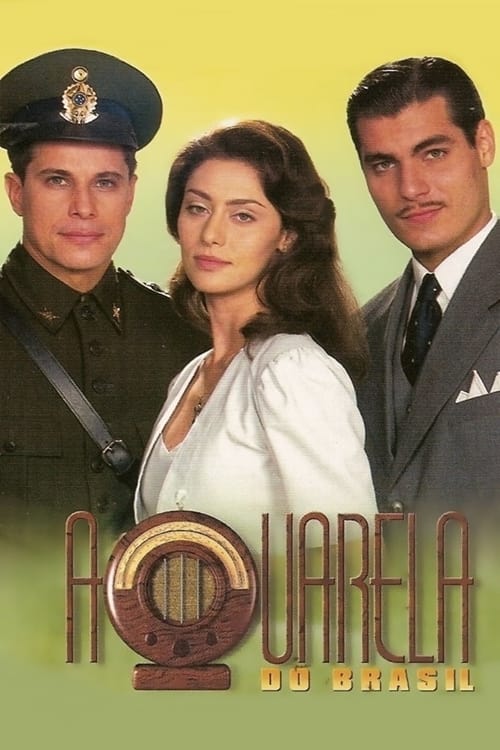
Aquarela do Brasil
No description available.
O Fim do Mundo
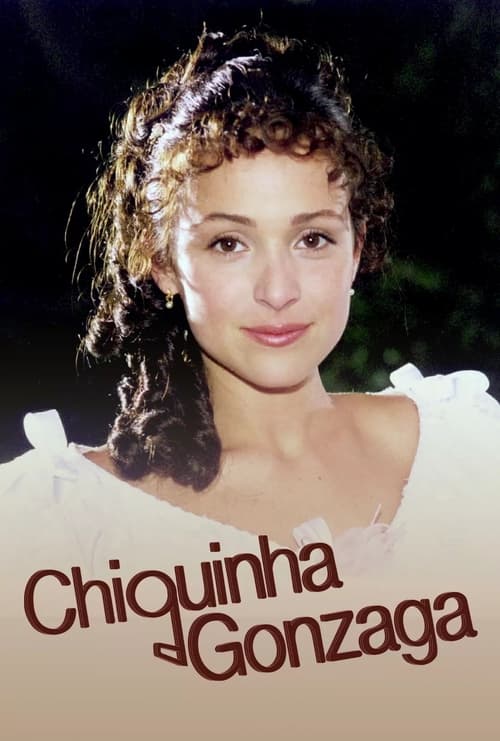
It tells the story of Chiquinha Gonzaga, a revolutionary musician who marked the history of music in Brazil, and challenged the social standards of her time. Chiquinha was raised very comfortably and had an excellent education provided by his father, Jose Basileu, who expected his daughter to be a lady of the imperial court. But after listening to songs played in a black yard and influenced by friends, such as composer Joaquim Callado, Chiquinha begins to make compositions mixing polka and lundu. By imposition of her father, Chiquinha is forced to marry Jacinto, with whom she has three children. However, Jacinto forbids her to play, and she decides to separate from her husband, going against social standards. Chiquinha, then, fights for his freedom to play and will live with the great love of his youth, João Batista de Carvalho Jr., with whom he has a daughter, Alice.
Chiquinha Gonzaga
No description available.
Retrato de Mulher

No description available.
Maria Esperança
The series tells the story of a criminal investigation into the murder of businessman Paulo Gomes de Aguiar at the beginning of August. In the midst of the Vargas government crisis, the murder case is taken by police commissioner Alberto Mattos, an honest and incorruptible man who is not well regarded by his co-workers, as the place is totally turned over to corruption.
Black August
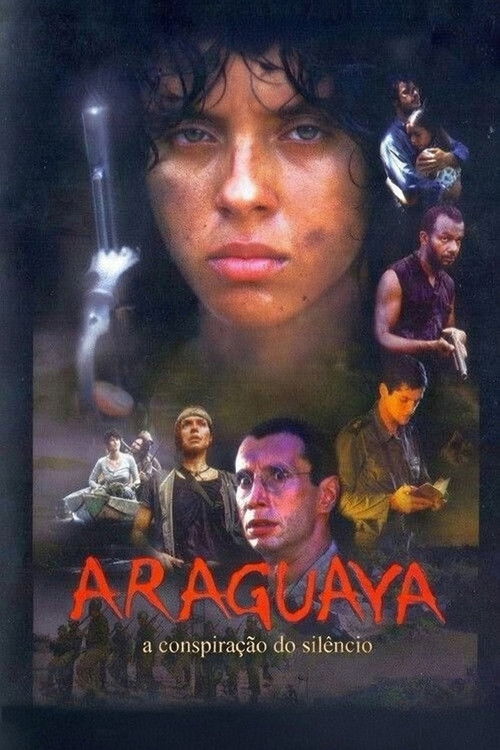
Film about an important episode in Brazilian History: the Araguaya guerrilla. In the 1970s, when Brazil was ruled by a military dictatorship, some left-wing militants and peasants took arms against the Army, in the Amazon. Right in the middle of the conflict, there stood a French priest who had come to the region in the 1960s, and got involved in the events leading to the rebellion.
Araguaya - A Conspiração do Silêncio
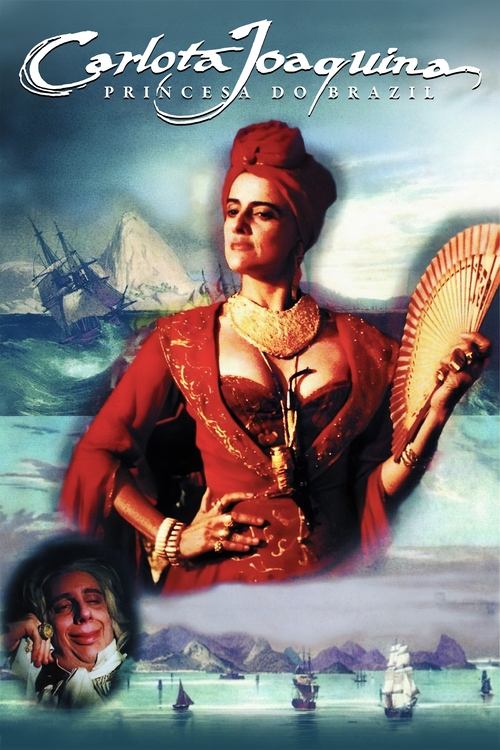
The Spanish Infanta Carlota Joaquina is promised to D. João VI at the age of 10. Forced to leave for Portugal, Carlota suffers a great disappointment when she meets her promised prince. With the death of D. José, Carlota Joaquina and D. João VI inherit the Portuguese crown. However, frightened by the French Revolution and the approach of Napoleon's army, they decide to flee to their colony: Brazil.
Carlota Joaquina, Princess of Brazil
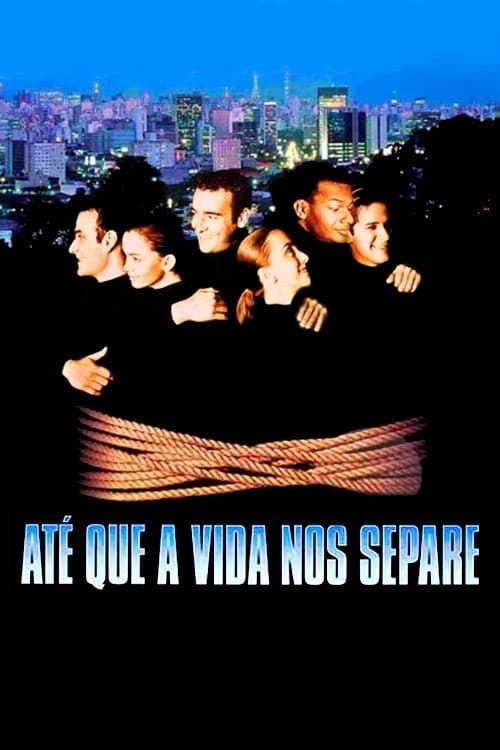
A group of friends in Sao Paulo see each other regularly in different venues of this huge metropolis, and act as their own de-facto family. They are similar in many ways, all upper middle class professionals between 28 and 32 years of age, and very conscious of their psyche and lives. The diversity within the group however, is also remarkable. It's made up about half men and half women. The men are the most diverse, ranging from your average guy looking for love to an Afro-Brazilian womanizing rich playboy, to a conflicted homosexual, heir to a business empire. It is the friendship (Amizade) and bond between these people that the film exposes, and at the same time it explores the different personalities of this apparently homogeneous, but actually psychologically diverse group of Sao Paulo yuppies. They stick together "'til friendship should ever separate them"
Até Que a Vida nos Separe
A tender story, in which Santa Claus helps to preserve a family. Dudu (David Lucas), a very naughty boy, makes a wish full of hope on Christmas Eve, seeking the reconciliation of his parents, Luciana (Carolina Kasting) and Roberto (Daniel Boaventura), who are determined to separate. Dudu looks for a Santa Claus in a store and insists that his order be fulfilled. However, the good old man, who in fact is Jonas (Reginaldo Farias), who lives making beaks to survive, at first does not take the boy very seriously, as he does not have a past of family joy, much less on Christmas Eve.