Acting
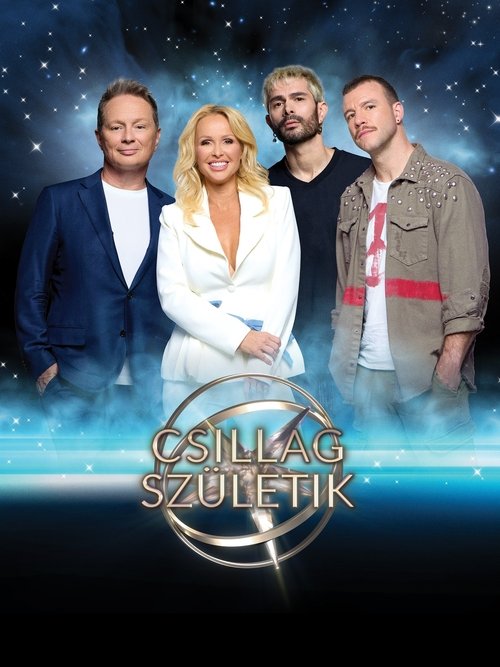
Csillag születik is a Hungarian talent show. It aired on RTL Klub between 2007 and 2012. Singers, dancers, comedians, variety acts, and other performers compete against each other for audience support.
No description available.
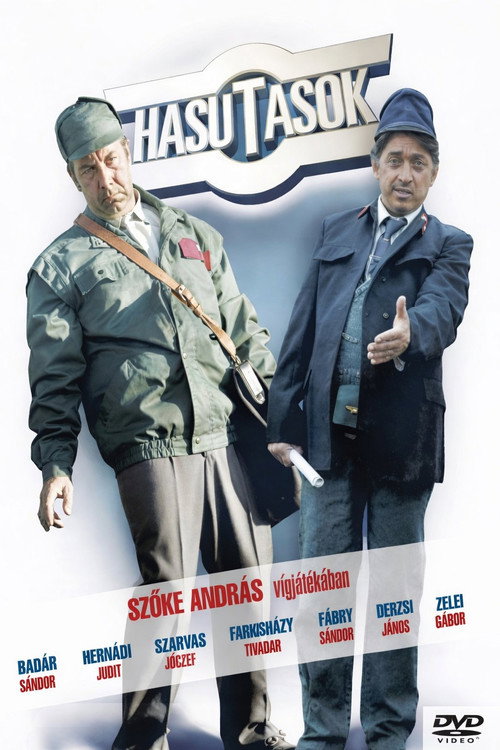
Four good old friends - all railwaymen until the change of regime - will be the victims of the cutbacks. Many years later, when the old station has been removed by thieves, the former stationmaster of Honos village, Lajos Zsuzsa, receives a notice from the town to go to the station office. Lajos Zsuzsa, in order to get the four friends occasionally back to work, lies that the station still exists and that they are able to carry out their duties.
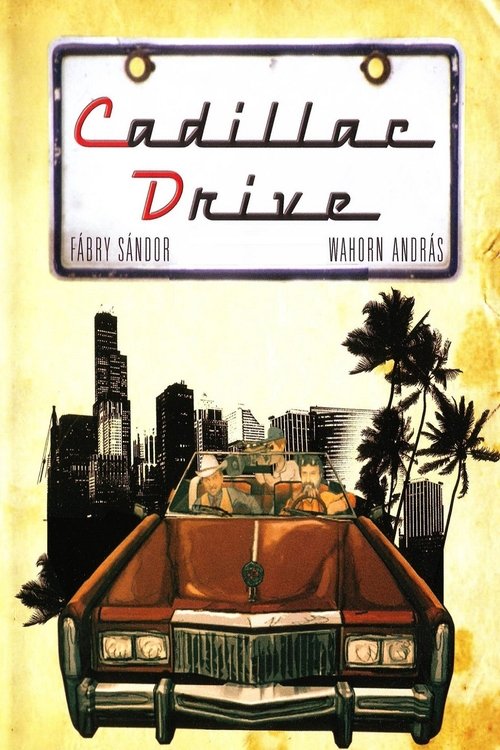
At the time of the regime change, Imre Kopa travels to Austria with three suspicious characters to buy various items for his client. But in Vienna, nothing goes as planned.
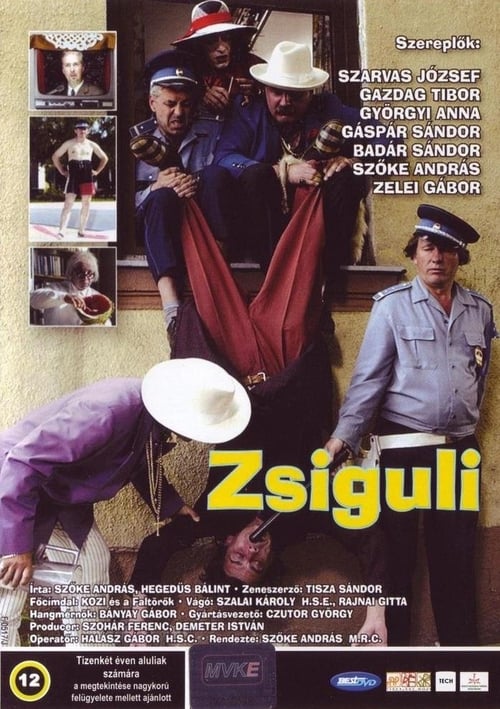
The investigation of the melon affair, to remain undisclosed for thirty years, is led by Major Piroska Szabó, the secret girlfriend of Mr. Kálmán, the boss, with a charge against the policemen Lajos Endúros and Richard Wagner. Sitting on the terrace of their favourite snack bar, the two policemen, along with Sergeant-Major Badár, take an oath not to testify against each other, and to mislead the authorities by giving false evidence.
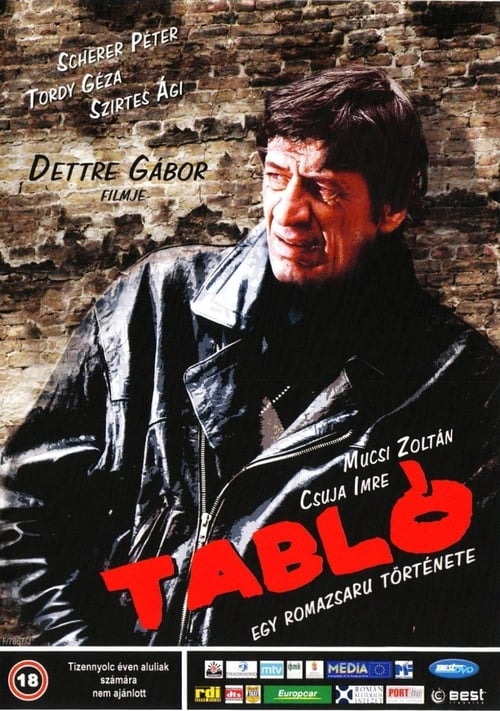
Karcsi, a Roma policeman, lives with Eva, a Swede. One day he is called to the scene of the murder of a wealthy trafficker named Schulter. He begins to investigate the crime, interrogate neighbours and suspects, and untangle a complex situation - one that he, himself, complicates even further. For he is a gypsy, who despite being adopted and raised by "regular" Hungarians, has his nose rubbed in his minority status every day. The film, which is based on the novel by Ákos Kertész, is a shrewd genre work full of dusky humour and surreal situations. Tabló follows a vivid succession of strange images that eventually lead to the emergence of the central story about a charismatic police officer on a tireless quest for the truth, though he must fight against virtually everyone and is just as fallible as the next person. Tabló makes a statement on the issue of race and racism - or, indeed, relations between any minority and majority.
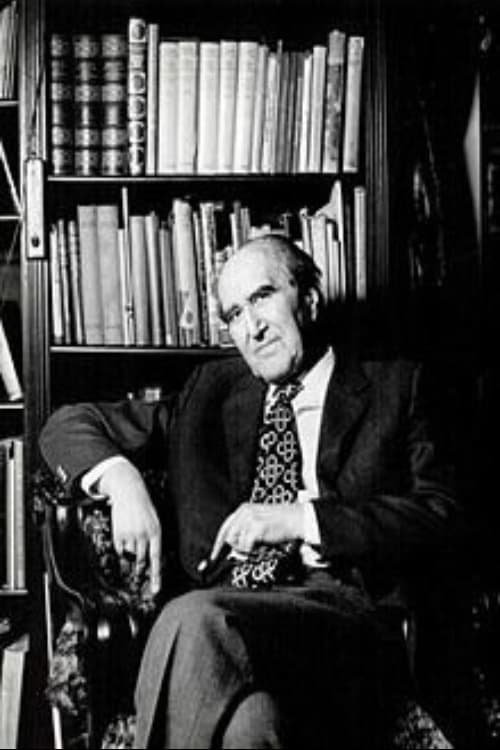
Miklós Szentkuthy reports on his life, his works, the Holy Trinity, Karl Marx, and the time he became a cardinal.
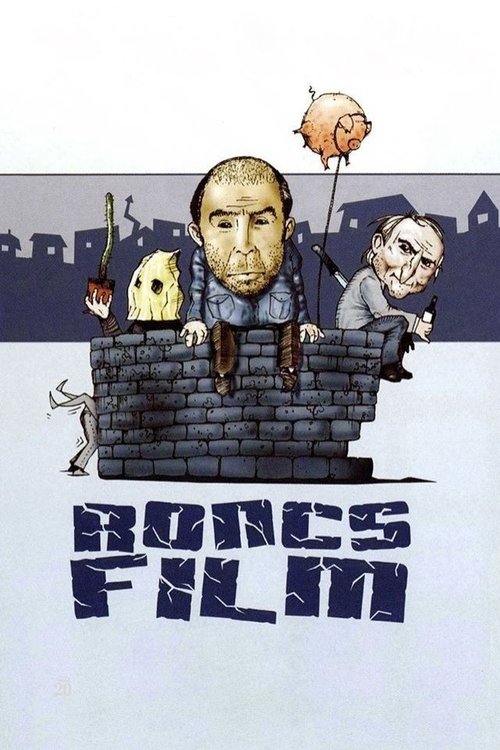
It is 1989, the year of the demise of socialism in eastern Europe. Nevertheless, the one theme of Junk Movie does not refer to this historical moment of high ideals, quite the contrary, the wild, burlesque of a motif-mozaic seems merely to stick it’s tongue out at the arrogant players of politics who have their heads stuck in the clouds. The film rudely points out the mystery and unapproachability surrounding the every-day existence of politics. The scene is a greasy, falling-down block of a pub called the Gólya and its immediate surroundings.
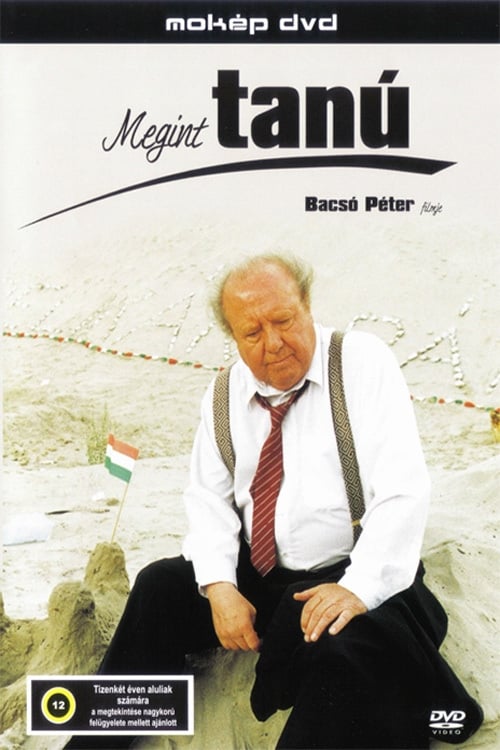
The Witness (Hungarian: A tanú, also known as Without A Trace), is a 1969 Hungarian satire film, directed by Péter Bacsó. The film was created in a tense political climate at a time when talking about the 1950s and the 1956 Revolution was still taboo. Although it was financed and allowed to be made by the communist authorities, it was subsequently banned from release. As a result of its screening in foreign countries, the communist authorities eventually relented and allowed it to be released in Hungary. It was screened at the 1981 Cannes Film Festival in the Un Certain Regard section.[1] A sequel was made in 1994 named "Megint tanú" (English: Witness Again).
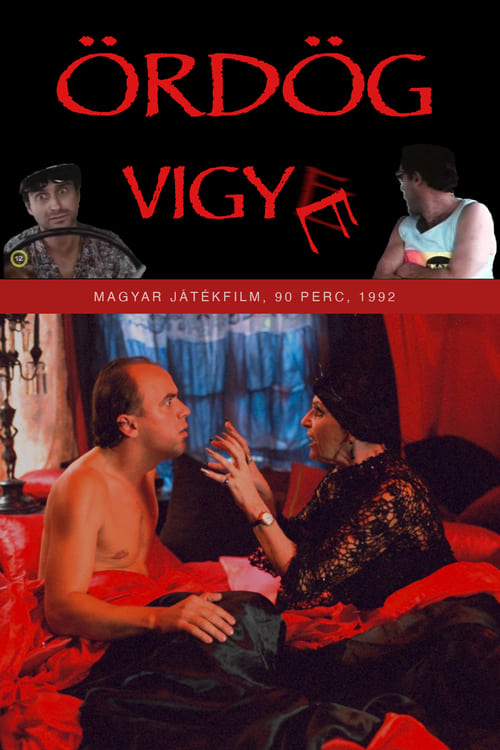
The devil arrives in Budapest because he has got wind that a hermit scientist has discovered the elixir of eternal life. Soon the lives of oh-so-some upstanding citizens living in the peace of the peaceful little people are in turmoil. Irén Psota, Zoltán Bezerédy and the unforgettable Buczella brothers.
The heroes of the film are manual workers, members of a Socialist Brigade. Gyula, the brigade leader once has a dream where the gate-keeper searches through Lenin, about to leave the factory. He decides to stage Gelman's play, Premium, with his brigade, since the drama very effectively depicts what they see in the world around.
The director, with his usual bittersweet style, began to present a slice of the regime change, using the original diary of the Petőfi Socialist Brigade in Szentes. The film focuses on community cohesion, survival and creative solutions in the era of the deficit economy and socialist planned economy, aiming to not only delve into the past, but also to appeal to the younger generation with its humour and to show them the sometimes burlesque-like everyday life of the 1970s and 1980s.
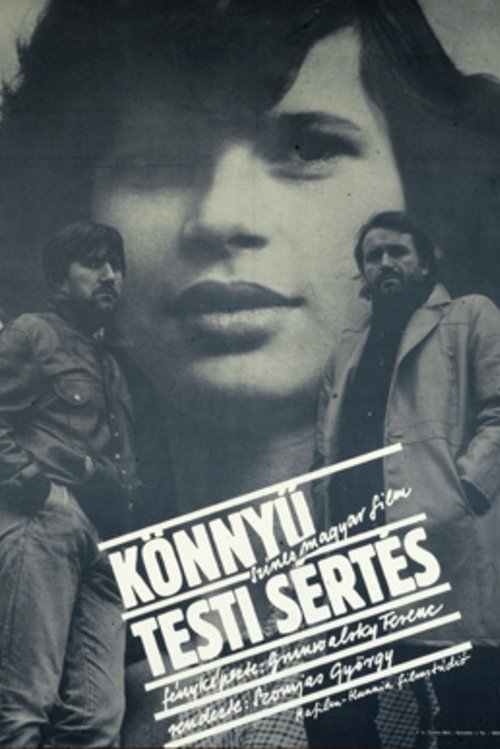
After serving a prison sentence for a street fight, Csaba returns home to find his wife, Éva, now living with another man, Miklós. With nowhere else to go, Csaba is forced to share their small apartment, leading to constant friction and escalating provocations.
The film is a story of parallel biographies. In 1944, three generations of a Jewish family of pharmacists live in a small Hungarian town. Eva, the 13-year-old granddaughter, keeps a diary and reads Dickens' Copperfield's David. From time to time, the hero of the novel appears in her life, or Eva enters the world of the novel. First, Eve's cousin is taken away. Then Eva's mother and her boyfriend arrive from Pest. They seize Grandpa's shop, arrest her father, and the ordeal doesn't end there...