Acting
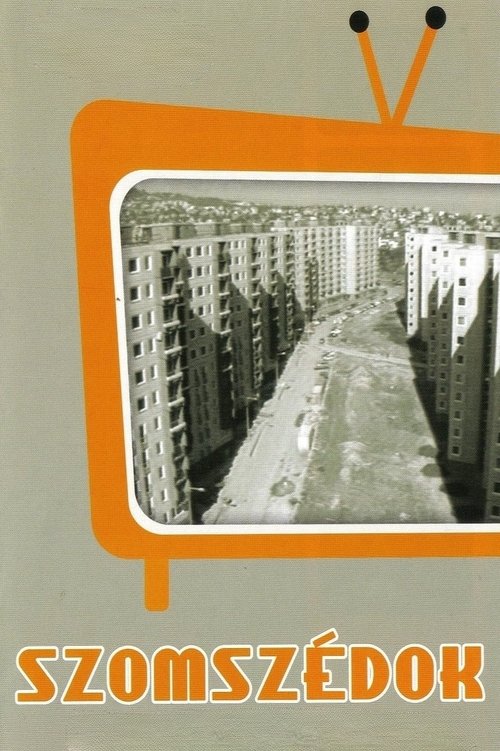
Szomszédok was a Hungarian television series, occasionally called the Hungarian Dallas, that ran from 1987–1999 and produced 331 episodes, airing its grand finale on December 31, 1999. The series was a soap opera, dealing with the lives of ordinary people, living and working in or around an average lakótelep. Its characters were explored, over time, in equal depth: ranging from elderly pensioners, busy middle aged professionals, up-and-coming young people, and children growing into their teens. Many consider Szomszédok to be the definitive Hungarian television series, being a period piece of sorts that covers the last few years of the communist era, the rendszerváltozás, and nearly a decade of the new market economy Hungary thereafter.
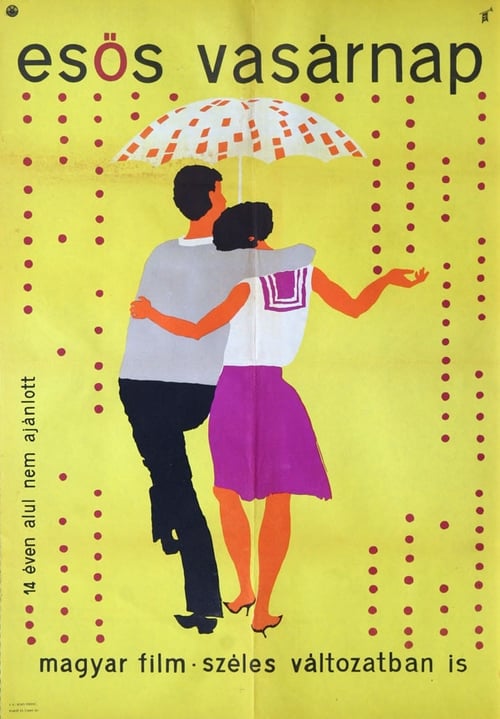
A new teacher arrives at the secondary grammar school. The girls are all crazy for the handsome, blonde young man, except for the most excellent pupil, Balázs Ági. Yet Pali starts paying his attentions to no one else but her.
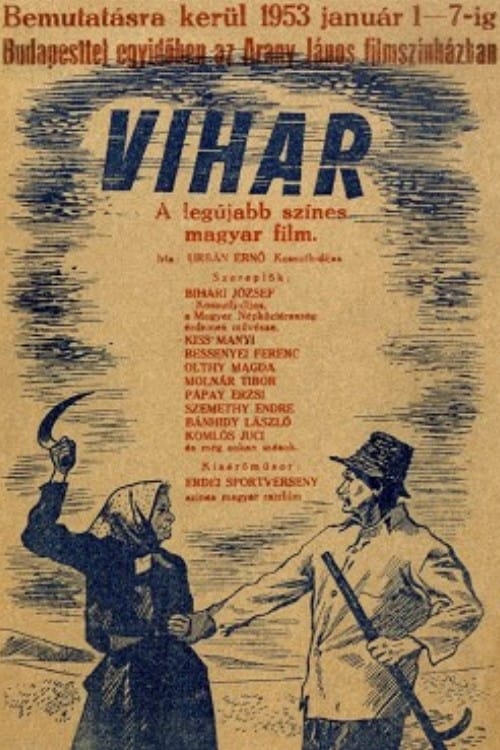
Vörös Hajnal (Red Dawn), a co-operative is the venue of skylarking, while the storm destroys the wheat which is to be harvested soon. Árendás, a middle-peasant, voices severe accusations against members of the co-operative: out of negligence, they failed to keep the ditches clean. It is always the soft option they seem to favour, while the necessity of properly taking care of the farmlands is long-forgotten. Members of the co-operative and the village people are deeply divided.
No description available.
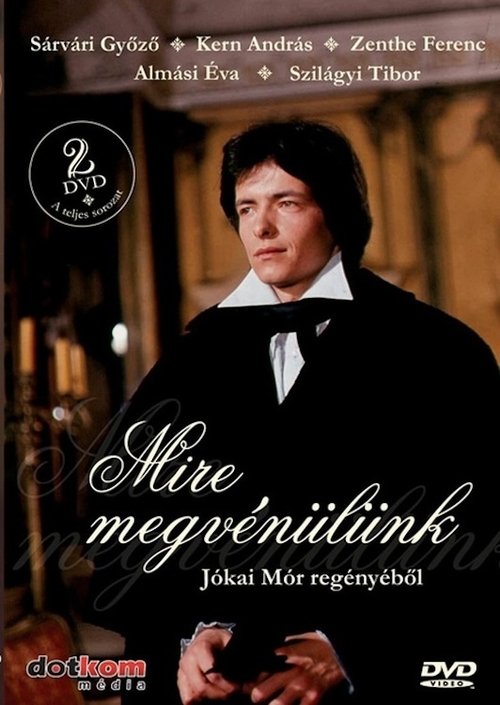
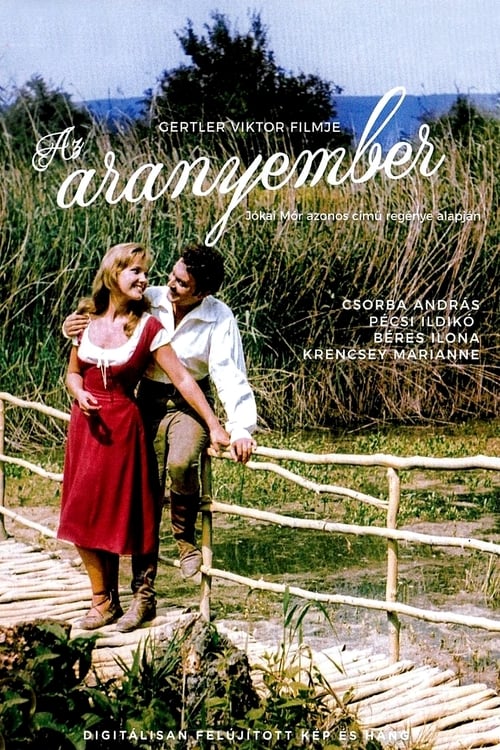
Adaptation of Mór Jókai's classic 19th century novel on Mihály Tímár, the captain of a commercial Danube ship in the 1830s, who finds unexpected fortune by meeting a Turkish aristocrat fleeing from his home country with his daughter Tímea. On their journey, they find an unknown island on the Danube, called the Senki szigete (the Island of No-one), a sort of earthly paradise, with only an old woman and her young daughter Noémi living on it.
A TV movie version of István Örkény's short novel. The fate of Sister Glória, or Ilona Tarr, who has lived in a convent since her childhood, in the historical situation after 1948, when the nuns' orders were dissolved in our country. The film presents the reality of this extraordinary fate with lyrical beauty. At the age of 26, Gloria is taken out of the closed and safe world of the convent - both spiritual and everyday - and into a changing reality with shifting values. In the course of conflicts, while maintaining her individuality and integrity, she finally finds her place among everyday people.
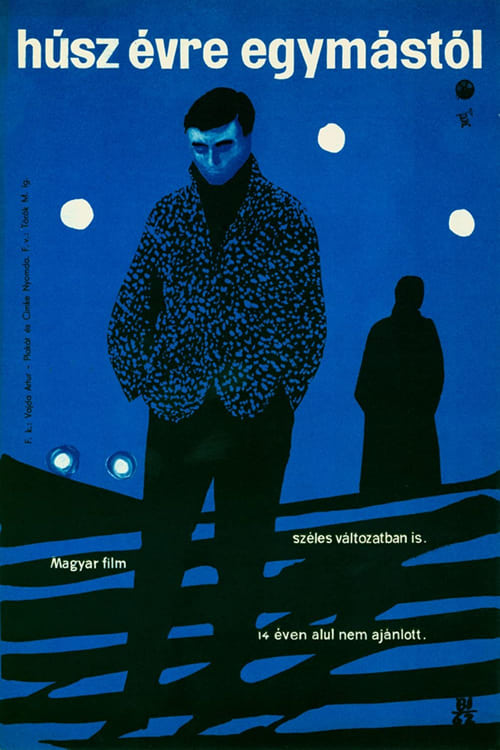
András has been living away from his village for over twenty years, he is still appointed as the new chairman of the local agricultural co-op.
The hero of the story taking place at the end of the twenties is the modest civil servant, doctor Kopjáss who is suddenly appointed to be the chief attorney of Zsarátnok city. He realises slowly that his immaculate name was needed as a cover for the corrupt loan transactions handled by the lords of the city.
Vienna, 1846. At night, the good-hearted coachman Hammer finds a young woman in labour at one of the gates and takes her to doctor Semmelweis at the women's clinic, whom he knows well. The woman is crazy with fear; mothers die there. Doctor Semmelweis finds no peace because of the surprisingly high number of death-cases at the clinic.
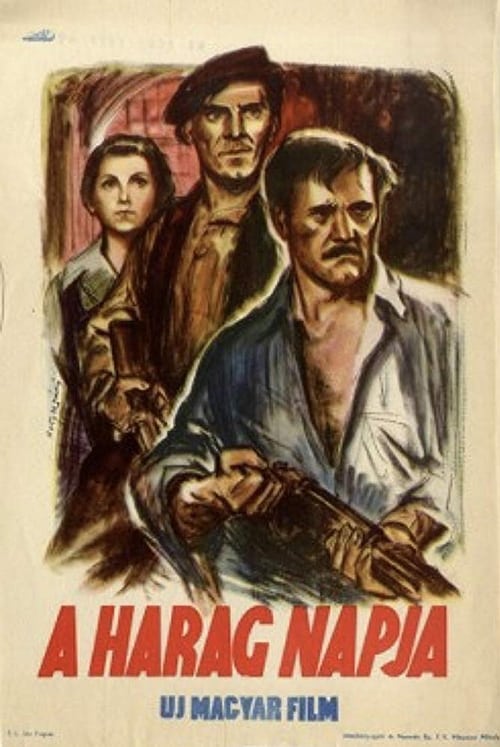
In May 1919 in a small rural town beside Salgótarján the local high society wants to get the power back with the leadership of dr. Máriáss, exploiting the outside attack launched against the Republic of Councils.
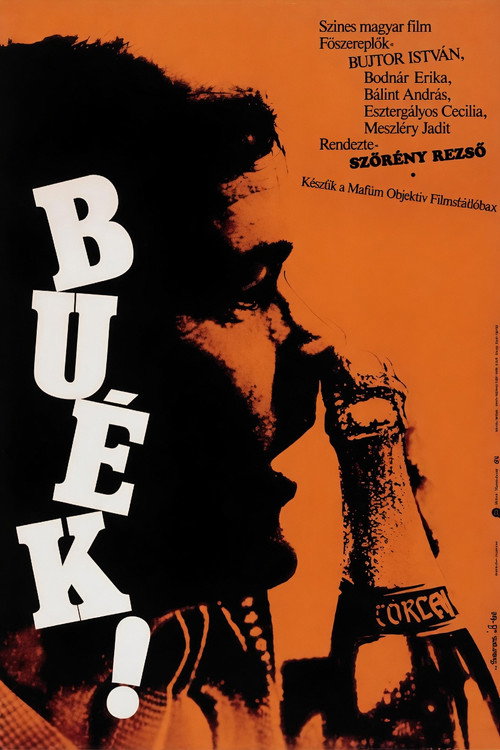
Three thirtysomething chemical scientists, Laci, Gyuri and Kati celebrate the success of their development program before New Year's Eve with drinking for several days. But the morning of New Year's Eve does not bring the expected recognition, because the nice, bald, old director is replaced by a young, bald, but disagreeable one. In a sodden atmosphere it becomes clear that everybody has an axe to grind in the informative discussions.
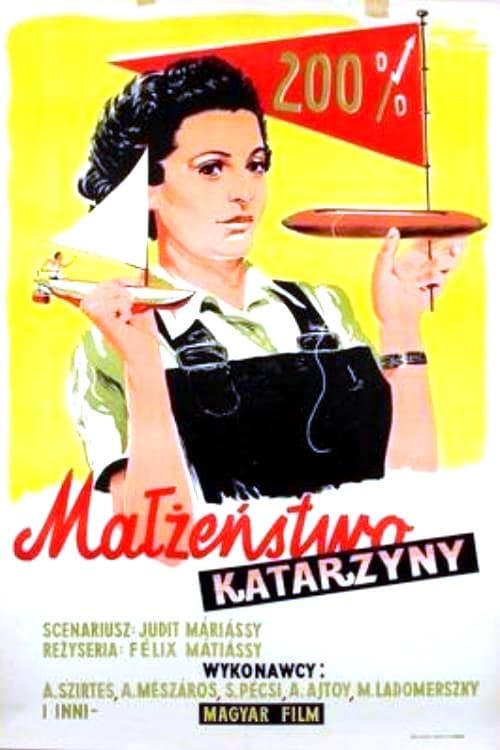
Kis Katalin and Varga Jóska are getting married. During their honeymoon they are preparing plans for the future. Katalin, however, seems to lag behind both in her studies and the work competition, becoming a couch potato version of a wife. Jóska, instead of trying to help, does nothing else than his work.
Hungarian TV movie based on the play by Robert Thomas (also the basis for '8 femmes', 2002).
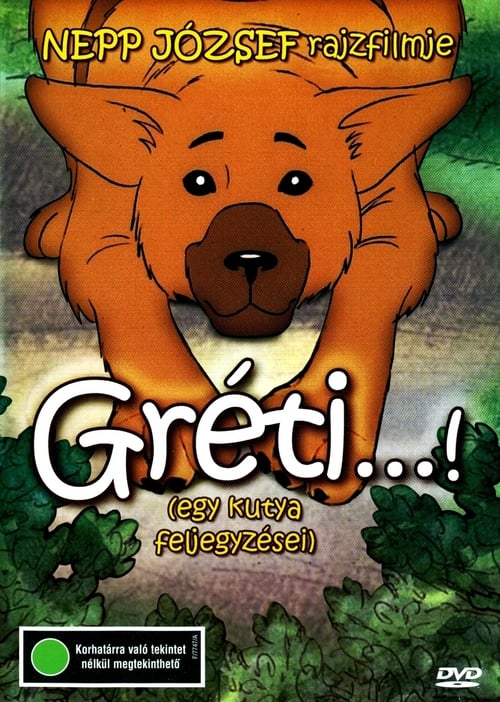
Gréti, a German shepherd, searches for her missing puppy.
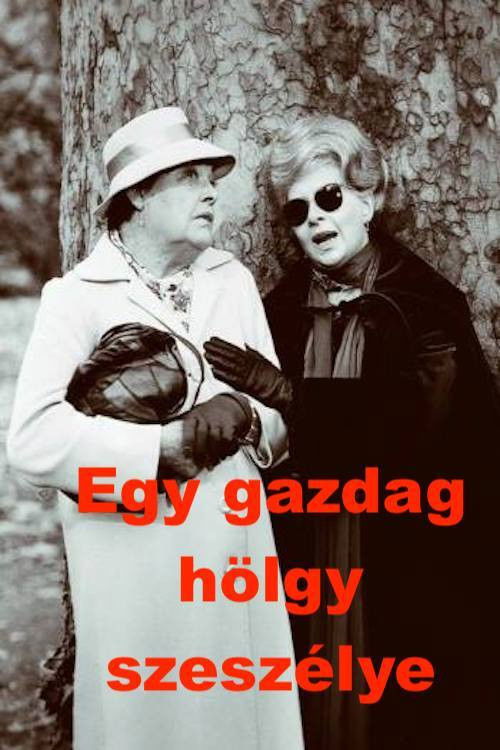
Emese, a wealthy old lady returning from Switzerland, invites her seven surviving classmates, all graduates of the 1930s, to a belated 50th reunion at her own expense. All but one of them live abroad, and they gather at the hotel on Margaret Island from all over Europe, where the hour of honesty arrives for all. During their days together, they confront themselves and their sins of the past decades. This is Hédi Váradi's last work for television, and her classmates Hilda Gobbi, Zsuzsa Gordon, Teri Náray, Juci Komlós, Erzsi Pártos and Zsuzsa Bánki all give excellent and long-lasting character performances.
A father tries to deal with his troubled son who is involved in a hit-and-run accident.
Vetró János, the lorry driver, is an alcoholic. His marriage is in pieces, his wife has a lover. Their son suffers an accident. The next day his wife moves out. In his desperation, Vetró drinks even more, and leaves his work as well.