Acting
No description available.
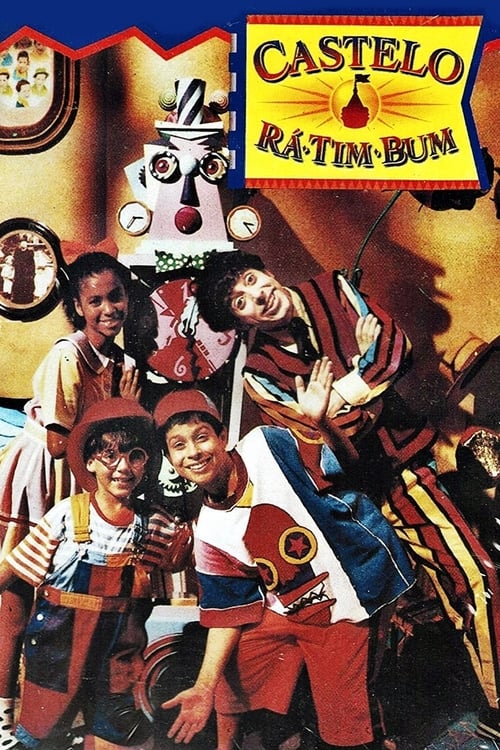
Nino is a 300-year-old boy who lives with his uncle, Dr. Victor, a sorcerer and scientist, and his great-aunt Morgana, a 6,000-year-old witch. The three of them live in a castle in the middle of the city of São Paulo. Apprentice sorcerer, Nino has never attended a school, because of the unusual age of 300 years. His parents left him living with Victor and Morgan, because they needed to travel on an expedition into outer space, taking their two younger brothers. In spite of having animal and supernatural friends in the Castle, Nino, feeling lack of friends like him, decides to do a spell he learned with his Uncle Victor, and ended up bringing to the Castle, three children who had just left school. Free of loneliness, Nino receives the visit of the three daily.
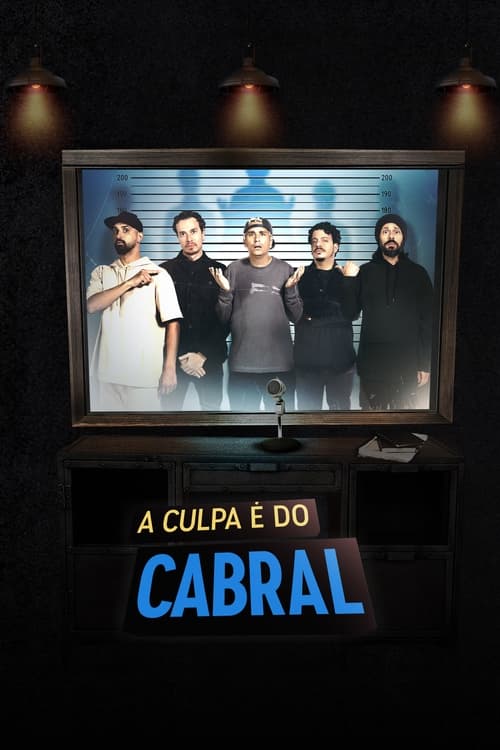
Five great names from the Brazilian stand up, from different regions of the country, come together to share everyday matters and the particular characteristics of Brazilians in a comical, acidic and fun way.
Custe o Que Custar is a Brazilian television comedy show, produced by Eyeworks and aired weekly by Rede Bandeirantes since March 17, 2008. It is presented by Marcelo Tas, and has in its team Marco Luque and Oscar Filho. The news reports are conducted by Felipe Andreoli, Monica Iozzi, Mauricio Meirelles, Ronald Rios and Dani Calabresa. The program covers weekly events from Politics, Arts and Sports, from a humorous and satirical viewpoint. It oftens uses metalanguage by satyrizing the very program on live transmissions, and introducing graphics and sound effects from the subjects. The format comes from Argentina, when it was originated under the name Caiga Quien Caiga, created in 1995 by Mario Pergolini
Reunion of four reportages made by production company "Olhar Eletrônico" between 1983 and 1986, in which an irreverent reporter, Ernesto Varela, a creation of actor/director Marcelo Tas, tackles some hot topics, such as money evasion in Brazil, gold-digging at Serra Pelada, the homeless in São Paulo and a love story spoof.
In each episode, a story unfolds about how a couple's passion turned sour, as love succumbed to jealousy, hate and even crime.
Vídeo Show is a long-running Brazilian TV program on Globo TV. From its debut in 1983 to 1994, the show aired weekly. Since then, it has been airing from Monday to Friday at 1:45 pm, following the lunchtime news, Jornal Hoje and being one of the most-watched afternoon shows. Currently hosted by the actor André Marques, its format is that of a daily "electronic magazine", where the network's backstages are shown, with on-set and behind-the-scenes footage on Globo's series and telenovelas, including bloopers, interviews with the actors, directors and authors, funny segments with scenes from soaps, and old videos from the network's archives. At the end of the show, there is the Vídeo Game segment, consisting on a week-long game show hosted by Angélica, where actors, divided into two teams, must answer questions and complete funny tasks related to the network's current and/or past shows. The winner team is announced on Friday, and donates the prize to a charity of their choice. The opening theme is based on Don't Stop 'til You Get Enough, by Michael Jackson.
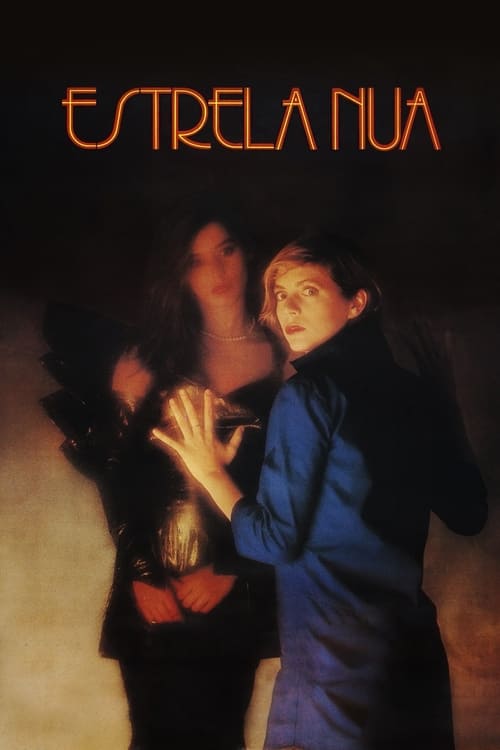
An aspiring actress is hired to dub a recently deceased movie star in an upcoming erotic thriller. As the recording sessions go on, the voice actress finds herself slowly being influenced by the dead star’s presence.
Cosmo is a taxi driver who loves traveling around São Paulo. One day, when he meets Mauro in a bar, he receives an unusual proposal: to record testimonials from passengers in his taxi, in which people would talk about what they like in São Paulo.
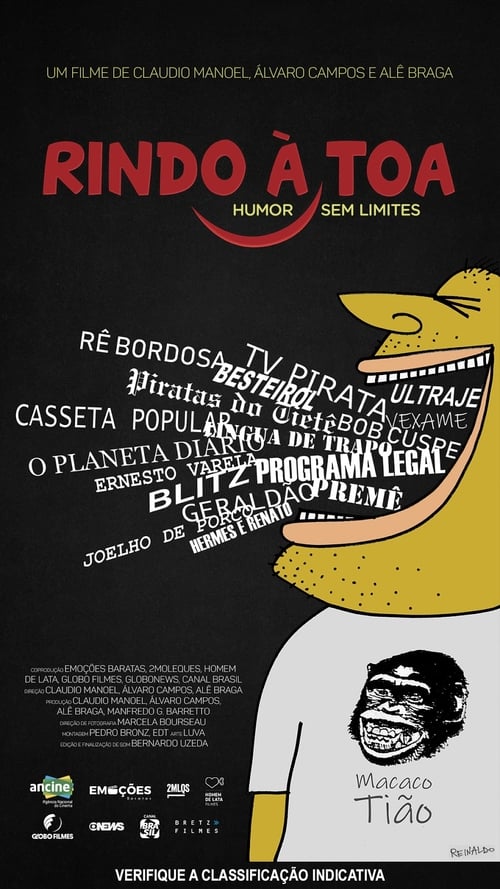
A portrays of the period in which Brazilian humor had fewer limits (1986-2003), free from military dictatorship.
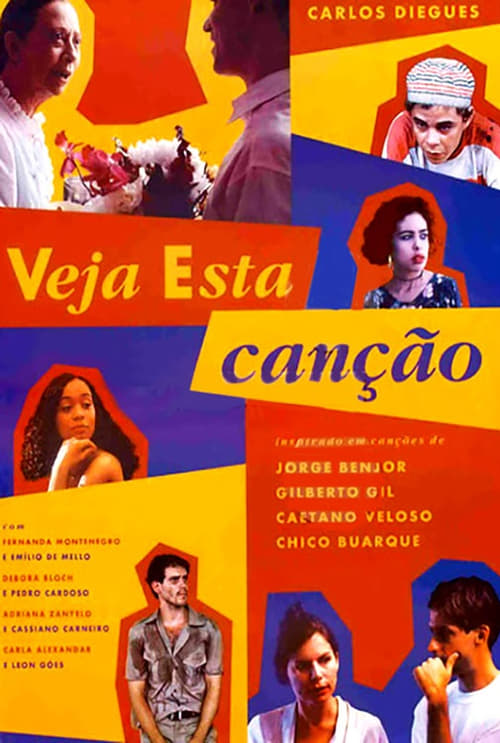
Four love stories which portray a wide gamut of emotions and desires against the backdrop of Rio de Janeiro. "Elephant's Stomp" : the story of a highway patrol officer who is infatuated with a mulatto dancer at a local nightclub. "Drao" : a publicity man and a boutique owner who face a crises in their marriage. "You Are Beautiful" : two homeless teenagers seek love amidst their personal misery. "Samba of the Great Passion" : a book maker who is charmed and captivated by the voice of a female singer coming from a building across the street. Characters in search of love in order to escape from the boredom, loneliness and helplessness of their lives.
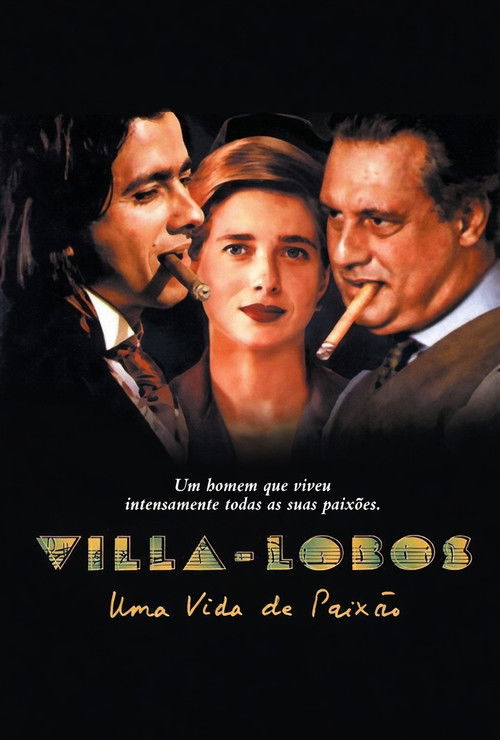
The film tells the story of an intuitive, adventurous man who loved his country and being Brazilian. This man fought to be loyal to himself. His music is a transparent portrait of his genius, intuition, freedom, adventure and passion for Brazil.
Three young friends, Tita, Mari and Aninha decide to change their situations and travel to a beach place for a weekend. On the road, they meet Estrella, a hippie that wants a hide to try to find her unknown father. Together, they will live hilarious, absurd and moving situations. More than a change the air, they change themselves.
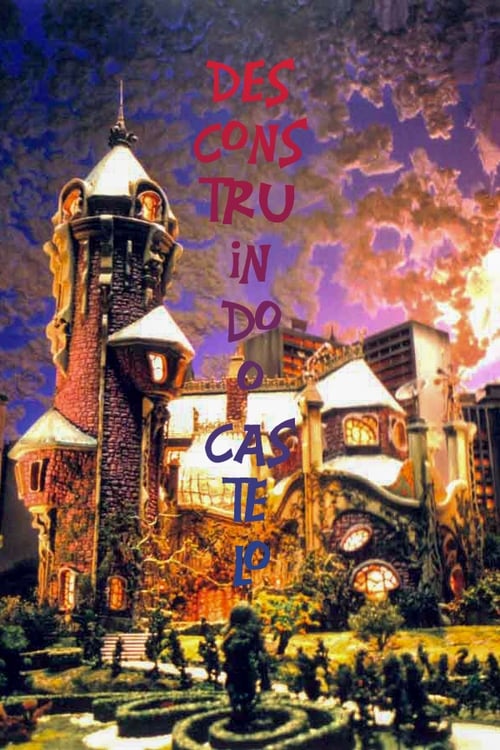
A documentary about the educational children's TV show Castelo Rá-Tim-Bum that originally ran from 1994 to 1997 and shown to this day on Brazilian public television.
The day a man almost runs-over a puppy, he meets the love of his life. The couple and their dog live the dream, until she wants out.