Acting
Based on Lermontov's poem of the same name, Boyarin Orsha (Peter Chardynin) leaves the service of Ivan the Terrible.
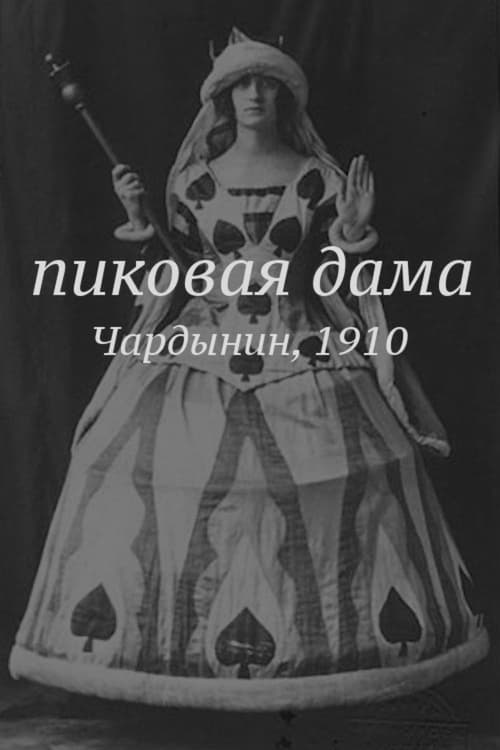
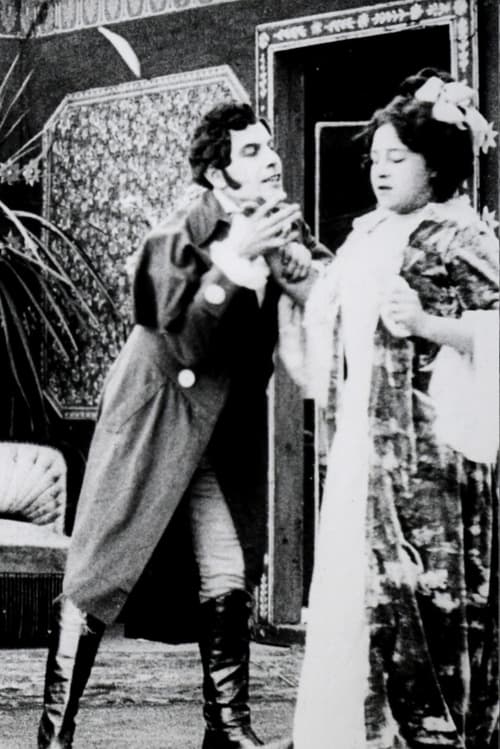
Based on Pushkin's short story: When his friends play faro, Germann always enjoys watching, but he never gambles himself. One day, as he is watching their game, he learns that an elderly countess staying nearby is said to possess a secret for winning a fortune at the game. Germann is determined to learn this secret from her, and he initiates a romance with her grand-daughter Liza, in order to improve his chances.
No description available.
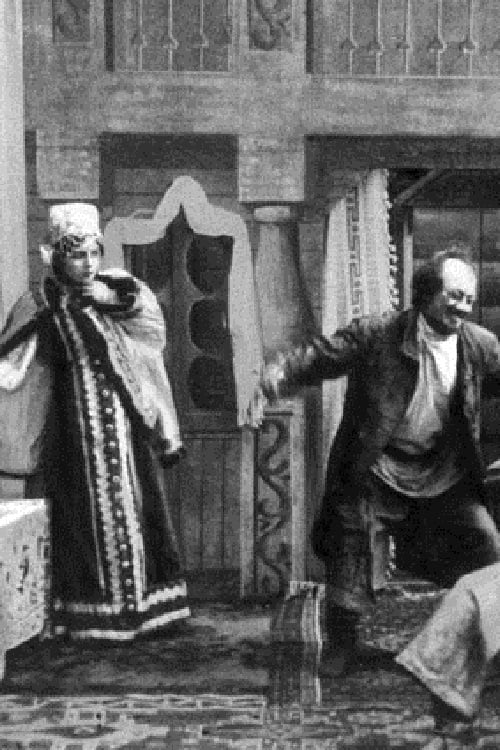
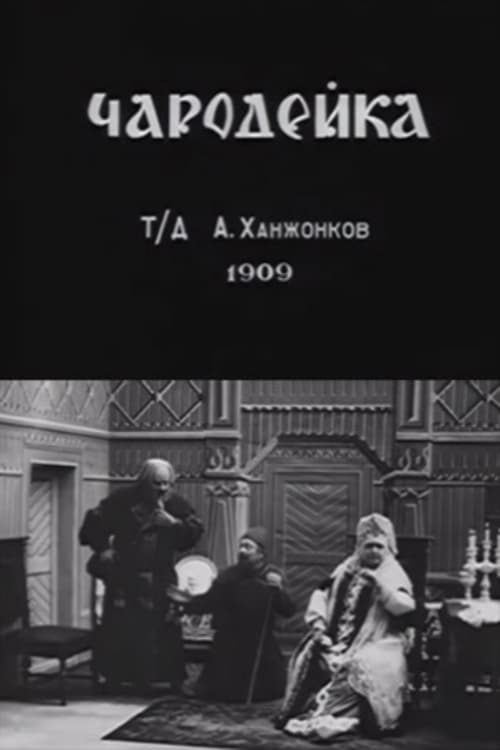
A dramatization of a wedding in 16th-century Russia, between members of two prominent boyar families (based on paintings by Konstantin Makovskii): Three matchmakers first visit the family of the prospective bride, and then do the same with the prospective bridegroom's family. Later, as the time of the wedding draws near, the bride is dressed with great formality and prepared for the ceremony, as the guests get ready to celebrate the upcoming wedding.
Made in 1912, this film has become known as one of the greatest pieces of pre-Soviet cinema. The silent film tells the story of the Patriotic war of 1812 when Napoleon attempted to invade Russia. This joint French and Russian film sparked major excitement in Moscow at its premier screening and continues to entertain audiences throughout the world today. The 32-minute silent film was the point of origin for some of the more advanced camera techniques used today. Sirotin of the Voice of Russia said that, “The film is interesting to spectators even today and is frequently shown both in Russia and abroad.”
Mazepa, the Ukrainian governor is in love with his goddaughter Maria. He quickly wins her heart. But her old father treats the wooer harshly… Maria runs away. The furious father won’t submit. This intrigue makes the most of the ingredients of historical drama. Maria is confronted to the arbitrary; the young woman is in a dilemma between her love and her family. The tragic outcome is equal to her destiny.
A historic milestone in Russian cinema, recognized as the very first film adaptation of Fyodor Dostoevsky's famous 1869 novel.
Film adaptation of excerpts from Nikolai Gogol's novel of the same name. Only two episodes are recreated faithfully: Chichikov's visit to Sobakevich and Chichikov's visit to Plyushkin. These episodes are followed by a series of scenes in which other characters appear without any connection with the plot. In the finale, everyone is photographed next to the bust of Gogol.
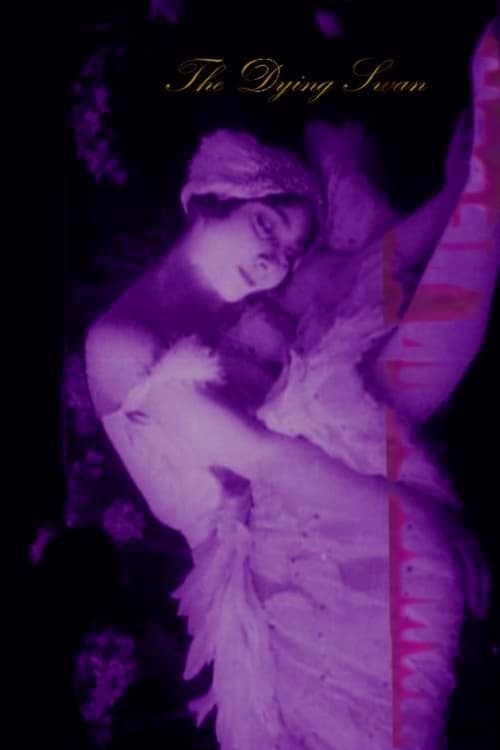
After being betrayed by her playboy lover, a heartbroken mute young woman joins a ballet company; during a performance of “The Dying Swan,” she enraptures a painter obsessed with portraying death genuinely.
Drama: the heartbreak of a man doomed by heredity to madness. The movie has not been preserved.
This tragedy depicts a father and son in love with the same woman, who is an enchantress. She keeps them both in subjection with her charms, butthe mother and wife of the victims kills the seducer. However, both the father and the son are severely affected by her actions, which they cannot forgive.
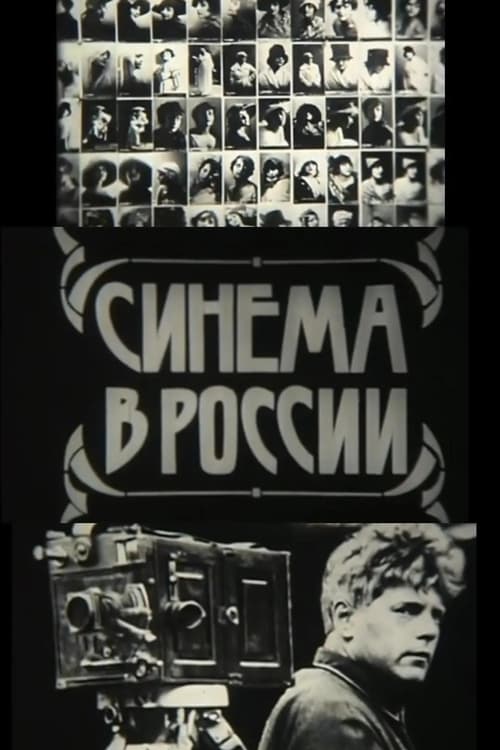
Documentary film about early years of Russian cinema: its first directors, cameramen, producers and actors. Includes rare fragments of pre-revolutionary feature films, newsreels and Starewicz's animation.
Based on the story "The Man from the Restaurant" by I. Shmelev. The creators of the movie are unknown. The movie is preserved without inscriptions.
A silent feature short film by Vasily Goncharov based on a folk song of the same name. It was filmed with actors from the Vvedensky Folk House troupe. The movie is preserved without inscriptions.
Based on the drama by Dmitry Averkiev. The reign of Tsar Ivan Vasilyevich the Terrible. Boyar Vorotynsky loudly expresses his indignation at the untruth. Many agree with the boyar in their hearts, only Malyuta hates him and dreams of revenge. Having whispered to Grozny about Vorotynsky, he receives an order to arrest him.
Not finished.
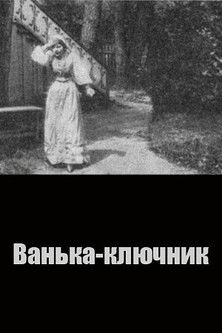
Mid-19th century. An elderly landowner, bored with life, organizes balls, hunts, fistfights, and banquets. Among other things, he offers his serfs and serf women to his guests for sale or entertainment. One of them, Vanka Krasnov, dreams of marrying the noblewoman Aksyusha. To do so, he must defeat the village strongman Mitka in a fistfight. But even after a fair victory, the landowner himself tries to take possession of Aksyusha. Vanka must challenge the master himself. Considered lost.
First film ever that was shot by two cameras. Set in 1854-1855, in Sevastopol and Yalta during the Crimean War. Admirals Kornilov (Mozzhukhin) and Nakhimov (Gromov) organize the defense during the siege of Sevastopol. Both admirals are killed during the battle, and the city of Sevastopol is taken by the alliance of British, French, Sardinian, and Turkish troops. The legendary feat of Sailor Koshka (Semenov) was staged at original location. The 100 minute-long film was premiered in 1911 at the Livadia, Yalta, palace for the Tsar Nicholas II.
Based on the plot of L. Mey's play "The Pskovite Woman". A poetic legend about the arrival of Tsar Ivan the Terrible and his oprichniki in Pskov. Having destroyed Novgorod, the tsar moved to free Pskov, the city was waiting for the same fate. But the city was not ruined - the Terrible met in Pskov his illegitimate daughter Olga, whose existence he did not even suspect.