Acting
No description available.
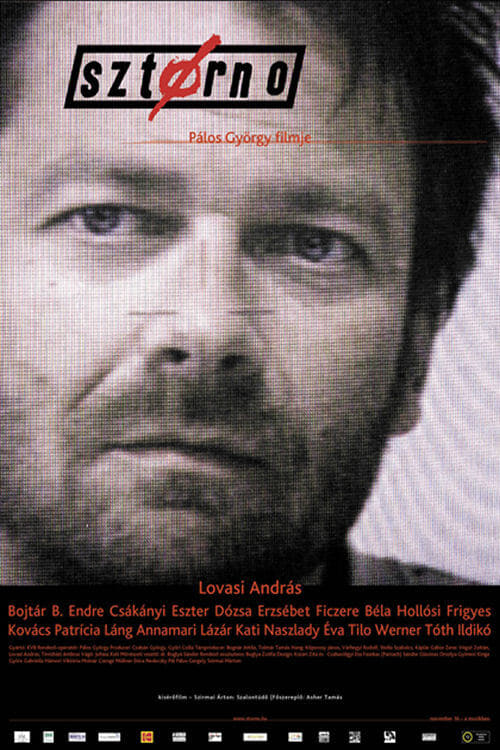
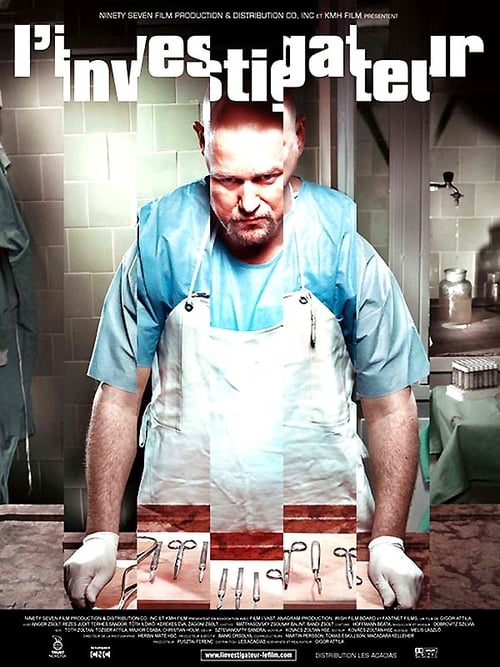
Underrated in light of its current (February 4, 2007) IMDb score of 6.4, this film reminded me of what Joseph Heller's 'Something Happened' could look like if a film was to be made out of it. Our middle-aged character's life is in a fragile balance at the start and soon that balance will, of course, be disturbed. Even without much in the way of drama at first, an at times nightmarish reality intermingles with nightmares, and, typically for a movie from this region, state bureaucracy and the absurdities of a semi-legal order play a role in moving developments along. So what is it that awaits our hero down the informal road he is officially sent? Complete deconstruction? Or the 'unbearable lightness of being'? If you give the movie the time to unfold, it will reward you revealing an entertaining concept by the end.
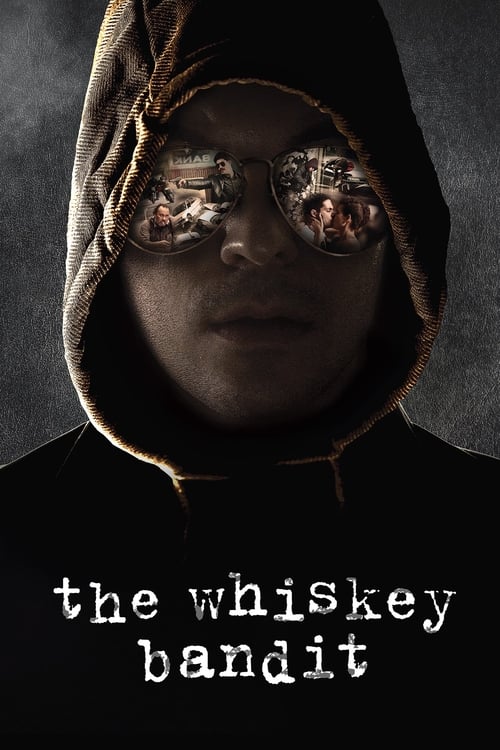
Between 1993 and 1999, one man robbed 29 financial institutions in Budapest. Banks, post offices and even travel agencies fell victim to his crime spree. The police had no leads and no hope of finding him during his six-year stint. The only clue left behind at the crime scenes was the distinct aroma of whiskey. The media christened him the “Whiskey Bandit”. Never physically harming anyone, many began to eagerly follow his escapades through the media. A Transylvanian immigrant, who also happened to be a goalie for one of the city's largest hockey teams, named Attila Ambrus, was finally identified as the “Whiskey Bandit”. The police had finally captured him... or so they thought.
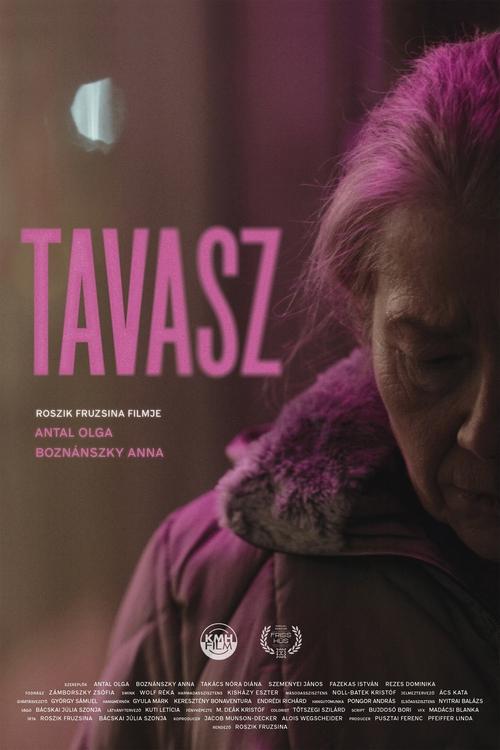
For old Margaret, who lives alone, unexpected and tragic news bring positive change in her life. Doctors predict that she has only a few months left, but she starts to live again just now.
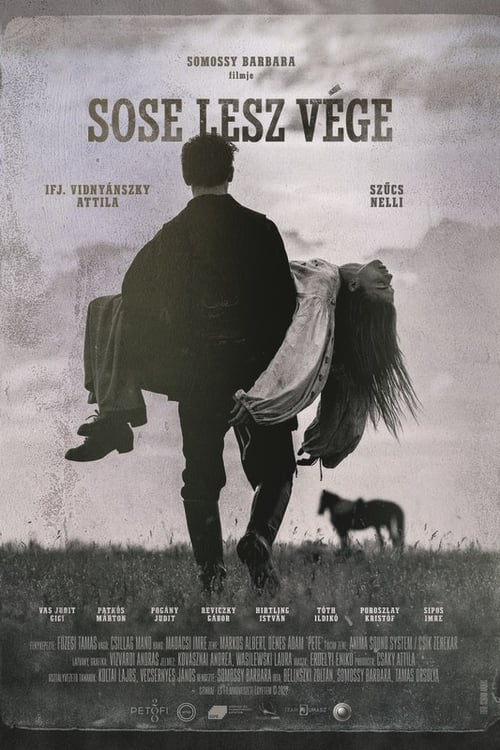
A post mortem photographer and a little girl confront ghosts in a haunted village after the First World War.
The movie is set in the actual "Ki Mit Tud?" talent contest in 1962. In reality the contest in dance music category was won by an army brass band. "Omega" which later became one of the most successful Hungarian rock bands came out in the second place.
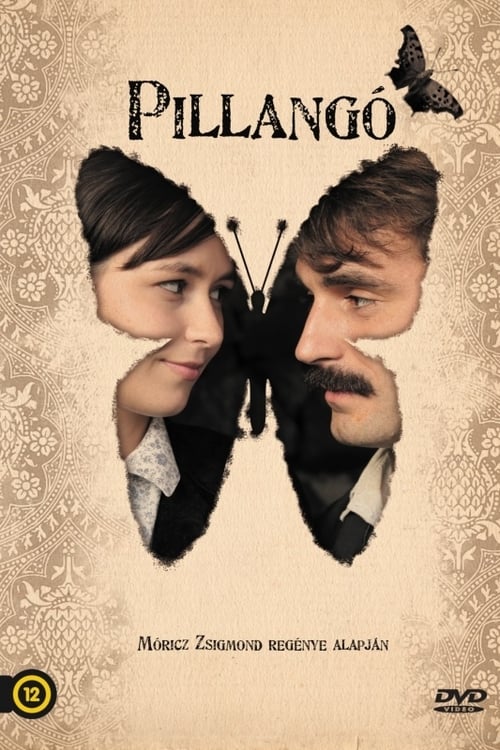
Zsigmond Móricz wrote his novel Butterfly in just a few days in 1924. Móricz tells the story of a mighty love that triumphs over adversity and is all-powerful in the language of ordinary people. The love of Zsuzsika and Jóska is presented through the "lightning and veil-soft" emotions of the director, László Vitézy's television adaptation. After The Legend of Hortobágy (Komorló) and The Sky Bird, this is the third film made by László Vitézy based on the writings of Zsigmond Móricz.
Zsuzsa, a furniture shop assistant, escapes into her daily routine to avoid her monotonous life without human connections. One day something happens that makes her question her choices and reminds her that she is the one responsible for her own happiness.
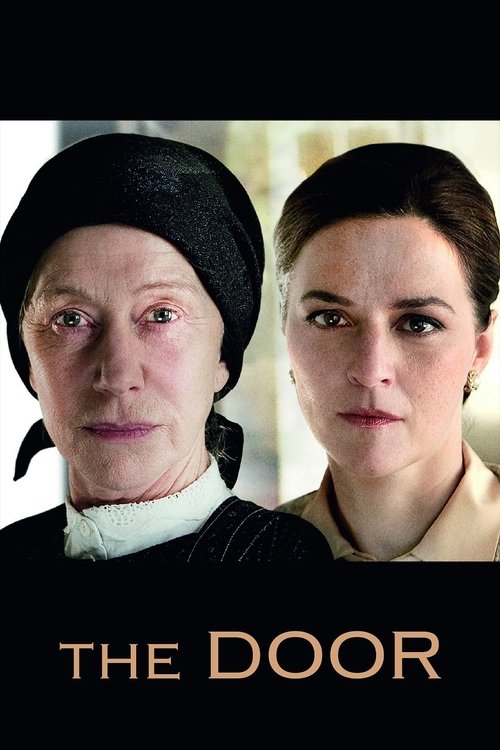
Emerenc, an elderly and private woman, is hired to be the housekeeper of a struggling writer, Magda. An event in the writer's life prompts Emerenc to disclose details of her traumatizing past, which will bond the two women forever. Based on the novel by Magda Szabó.
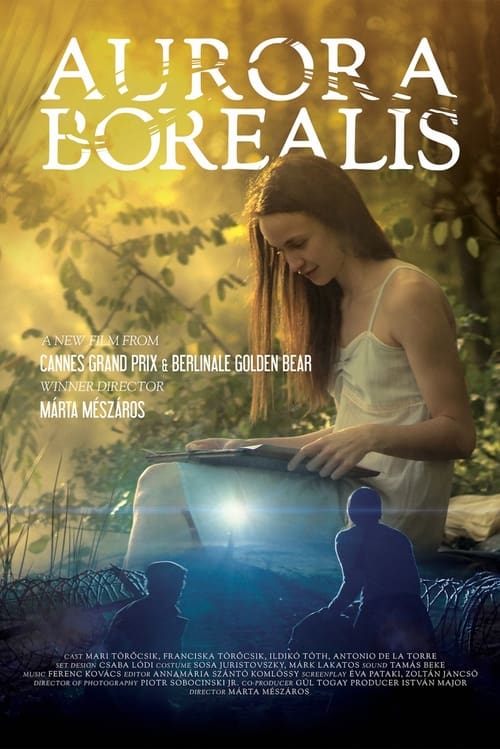
The Aurora Borealis is a story of family that is rich in twists and turns. It breaks the depths of the relationship between mother and daughter. A successful lawyer in Vienna, Olga is called back to Hungary when her old mother, Mary suddenly falls into a coma. While Mary is floating between life and death, Olga finds a deeply silent secret. The increasingly passionate research leads back to the post-war Europe of the '50s.
Ambrus, the canon pretender and Gerzson, the stinking rich lawyer, taking advantage of a sect and a fake hospice, are engaged in doing unsuspecting old people out of their money.
Olga and Márta take possession of the old family estate after the political transition. Márta and Viktor arrive from abroad, Olga and her daughter come from Budapest in order to spend the summer there and have the house renovated.
Hilda is forced to follow helplessly the tragic death of her mountaineer husband Zsolt Eröss. As the heir of the deceased Hilda tries to cope with public expectations with her husband's attitude. It takes time for her to admit, that she needs help in dealing with the tragedy.
Tibor Malkáv is an andaverage 37-year-old man, who though not rich, leads a comfortable and uncomplicated life. All this changes when he finds out his mother is dying of cancer and the cost of surgery is well beyond his means. A one-eyed man known as the Cyclops offers Tibor a solution to his financial woes, however, there is a catch and Tibor has to kill someone in return. What follows is a chain reaction that has long-lasting and unexpected results.
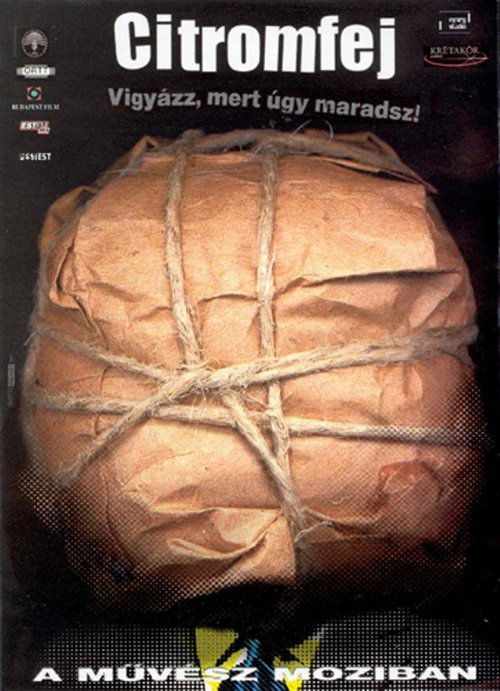
Comedy about a man whose face is stuck in a grimace after making a ‘lemon face’.
A romantic drama in the Hungarian plain in the 19th century. A great love between the bandit and the poor girl, however the jealousy of Kitty the tavern keeper can destroy everything.
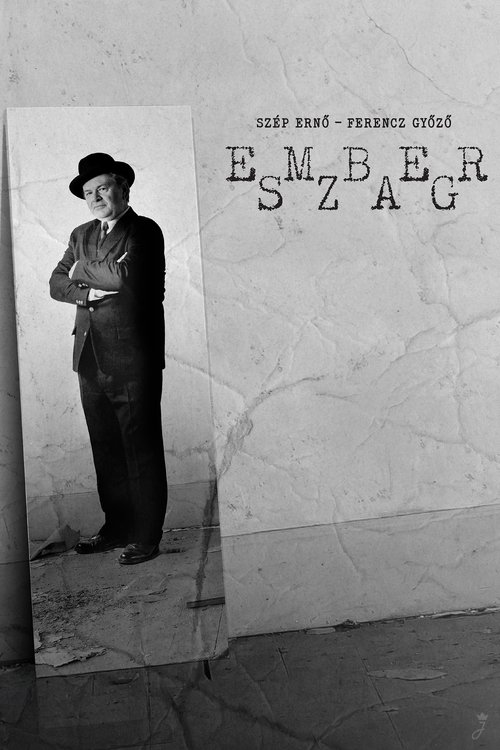
The profound depths of Ernõ Szép's life and poetry are revived in a new film adaptation of the poet's novel, 'The Smell of Humans'. This stoic and lyrical narrative of twenty fateful days offers an authentic account of an inhuman era.
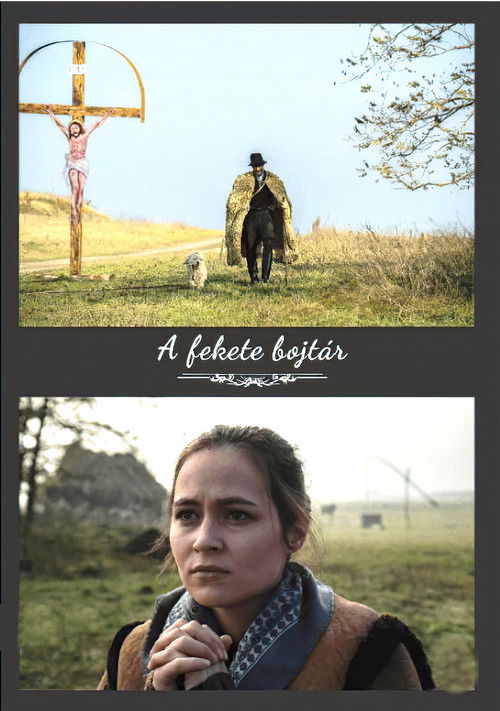
István Sinka, known in the farm world of the Great Plains only as Black Burdock, is a decent, honest fellow. He stands out among his peers with his education and literacy. He and his love, Piroska, are happily planning their lives when an unexpected tragedy occurs.
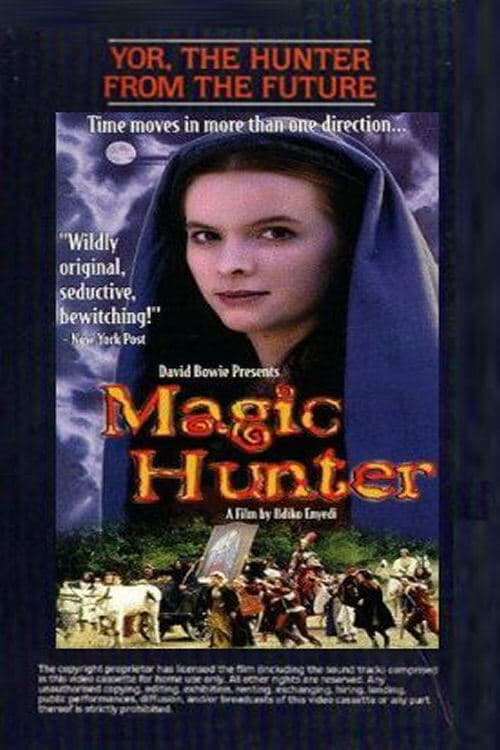
A battle-scarred, has-been Hungarian cop, tormented by his memories of nearly killing an innocent woman in his custody, enters into a Faustian pact in which he trades his soul for a handful of "magic" bullets that always hit the mark. A mysterious and mythical story.
In a futuristic society, rebels fighting against a fascist state are aided by a group of roller-skating nuns called the Bod Sisters.