Acting
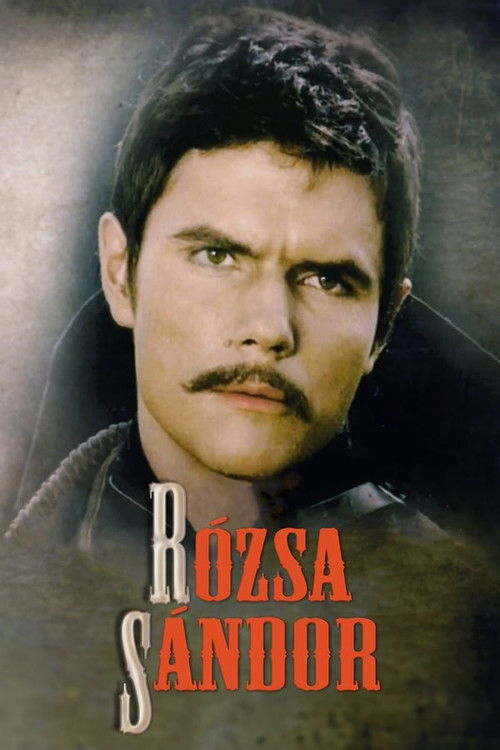
The rise and fame of Sándor Rózsa, the infamous outlaw of 19th century Hungary.
No description available.
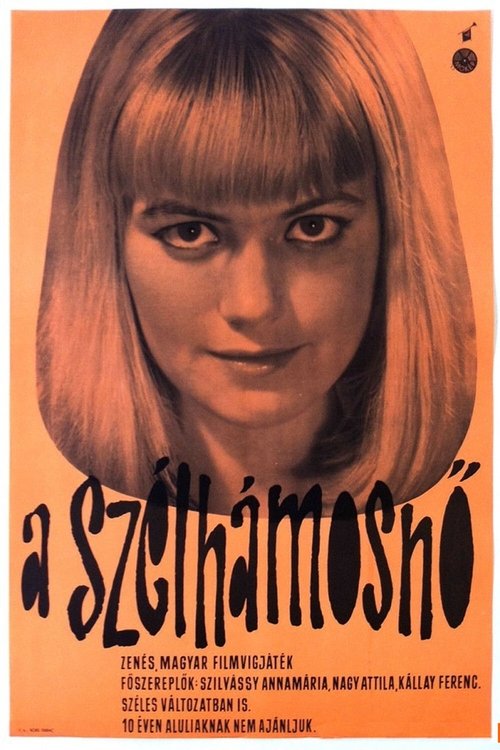
Éva, the pretty housekeeper is preparing to take an entrance exam at the Faculty of Law. In addition to this, she also has energy to arrange the day-to-day matters of the committee of tenants. Soon, she discovers that her beauty and cocksure behaviour finds its way not only at the exam, but in the mazes of bureaucracy, too. She helps get trade licences, flat allocations, and shop premises for those in need.
The top management of the co-operative in the rural community at Lake Balaton goes on coaches everywhere to irritate Mrs. Peczöli, the snobbish wife of the only individual farmer. Peczöli would readily join the co-operative, should it not oppose his apple improving experiments.
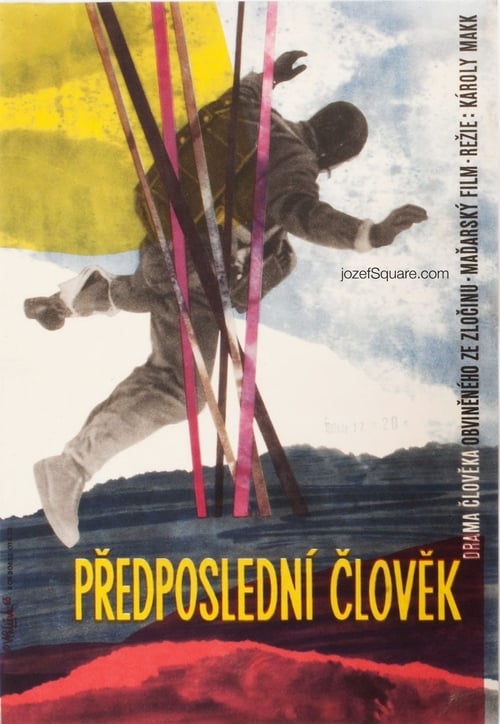
Peti, the young parachutist starts concurring with his fellows during the training sessions: who dares to fall free longer? Orodán, his coach decides that if needed, he would use force to make him give up this perilous rowdiness.
István Pongrácz, lord of the castle of Nedec, is a strange man. He does not like his own time, so he imagines himself as a medieval lord of the castle. His surroundings also accept his whimsy, and in this way they give him a horse to ride. Like centuries before, he launches a campaign against the disobedient city of Banská Štiavnica. In their great embarrassment, the serious city fathers offer the haughty warlord a ‘hostage’: Apolka, the city’s orphan. Her presence changes Count Pongrácz, who grows fond of the beautiful and innocent creature. But Apolka’s heart belongs to another.
A priest who has been set free from prison recently joins a spy organization.
The characters of the 15th-century Hussite War – the Hussite mercenary, the imperial soldier, the priest, and the peasant – appear in a writer's home, and engage in a debate. The main question of their conversation: who among them is a traitor, and who has a just cause in the conflict. This movie is a television adaptation of Ferenc Sánta's drama of the same name, based on his novel "Az Áruló".
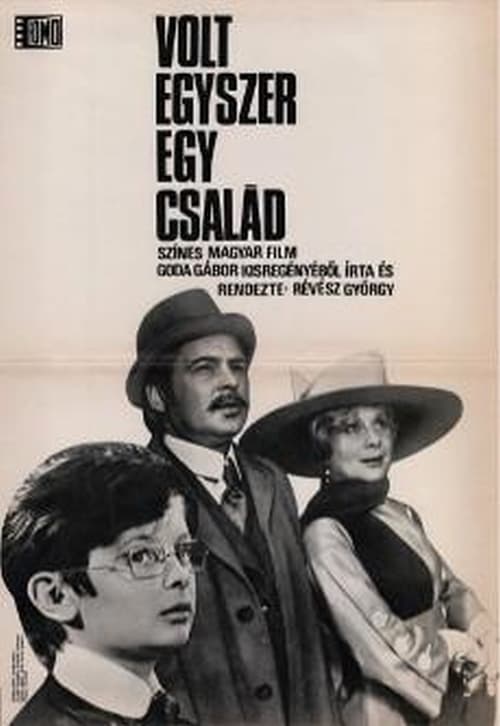
Based on the novel of Mór Jókai. During the Hungarian independence war 1848-49 mother and her three sons trying to leave the road precisely designated by their conservative, stone-hearted father. The way-seeking and rivalry of brothers, Jókai's masterpiece, the cast, delightful scenes give an unforgettable experience.
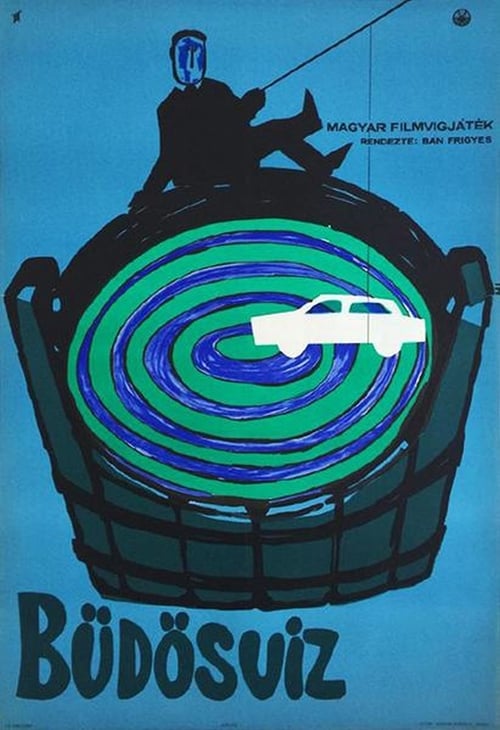
In a little town named Lombos, suddenly a smelly, sulphonic thermal water gush out. Félix Szombathy, a swindler sees a great business opportunity in this. He founded a fraud company and promised to revive the town.
A young man has his hepatic duct replaced with a plastic tube after an accident but starts to get worried how this will affect his manliness.
Torday Géza, a new engineer arrives at the ammunition factory disguised as if manufacturing camping gears. His appearance upsets existing patterns. The director sells the products at a low price in the West. In the meantime diversionaries attempt to destroy the plant. It turns out that Torday is a man of the intelligence built in among the reconnaissance people, as is his childhood lover, Magda. Agents and policemen play the game.
This film describes the narrator's childhood, the years before and after the Hungarian Soviet Republic, in a burlesque and fabulous style and with the humour of a child's fantasy.
Lajos Tót, municipal firefighter at the Mátraszentanna. His house is clean, his garden bathed in sunshine. If his son weren't serving on the Russian front, Lajos Tót would only know there was a war on from the radio. When his son's commanding officer turns up one fine day to rest from the shocks of war at the Tót's, Lajos Tót and his family do everything to make the Major feel at home. Everything that is humanly possible. But what is humanly possible, in times of hardship at least, is a matter of opinion. "If a snake (a rarity) devours itself, is there a snake-sized void left behind? And is there any power that can feed a man his being? Is there? No? Is there? A toothy question!"
Don Juan Tenorio finds himself at the gate of Hell, where he is confronted with the consequences of his 1003 seductions.
After the failure of the Kossuth's revolution of 1848, people suspected of supporting the revolution are sent to prison camps. Years later, partisans led by outlaw Sándor Rózsa still run rampant. Although the authorities do not know the identities of the partisans, they round up suspects and try to root them out by any means necessary.