
Géza Tordy
Acting
Known For
No description available.
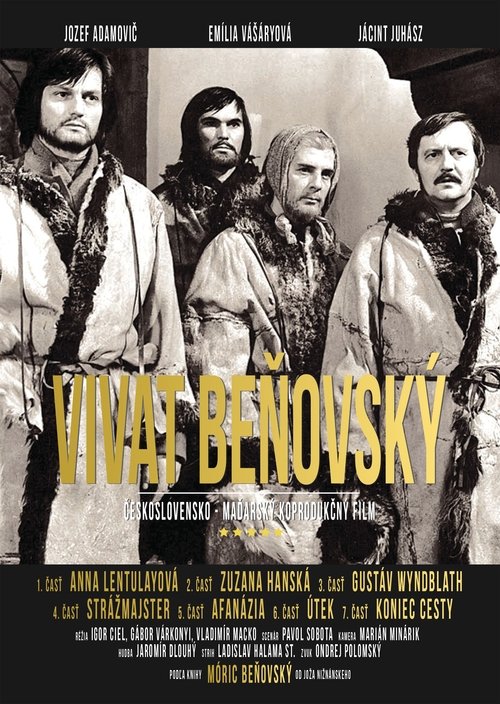
Vivat Beňovský!

The true story of Giorgio Perlasca, an Italian cattle dealer and avowed fascist who — trapped in Nazi-occupied Budapest after Italy's armistice with the Allies — nevertheless saved more than 5,000 Hungarian Jews from the Holocaust through a combination of lies, bribery and derring-do.
Perlasca: The Courage of a Just Man

During the Seven Years War, Austrian Queen Maria Theresa sends her best general, András Hadik and his Hussars to raid Berlin and humiliate the Prussian King, Frederick the Great.
Hadik

No description available.
Sobri, ponyvafilm

The German national swimming team travels to Budapest for a competition. However, the teenagers are more interested in flirting with each other than training. Their coach is less than thrilled with his team's behavior.
Popcorn und Paprika
No description available.
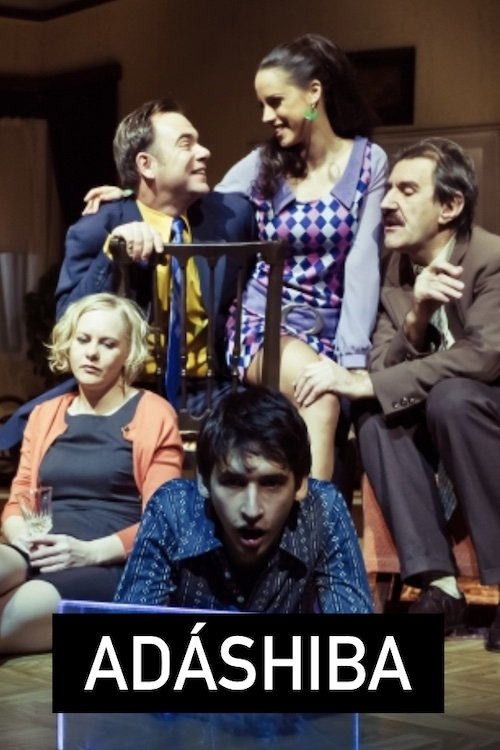
Adáshiba
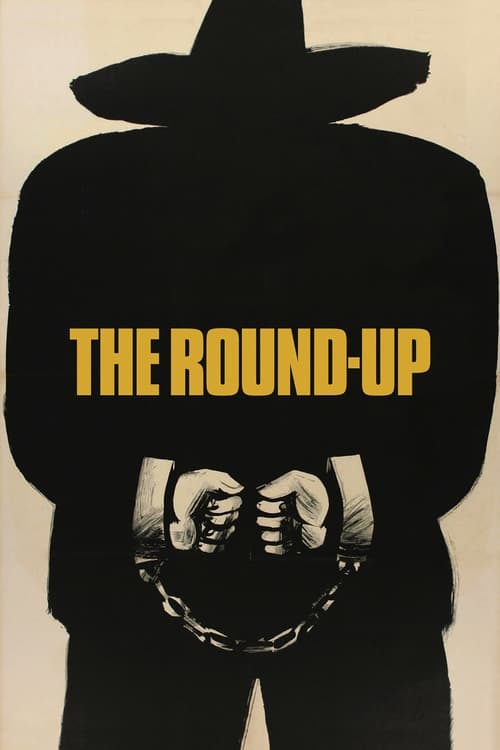
After the failure of the Kossuth's revolution of 1848, people suspected of supporting the revolution are sent to prison camps. Years later, partisans led by outlaw Sándor Rózsa still run rampant. Although the authorities do not know the identities of the partisans, they round up suspects and try to root them out by any means necessary.
The Round-Up
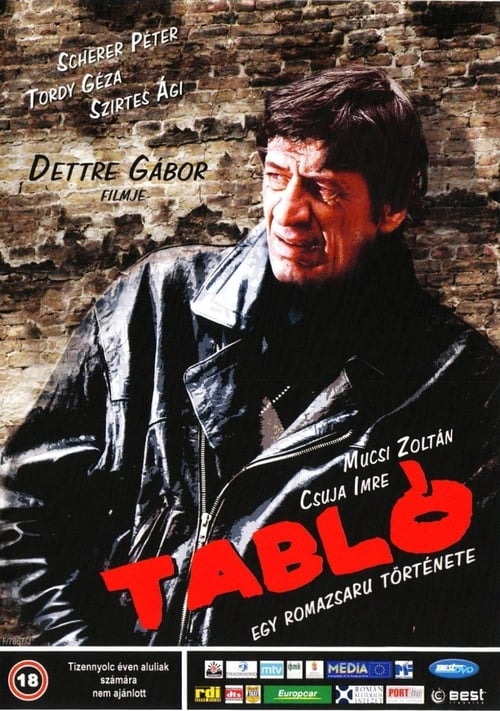
Karcsi, a Roma policeman, lives with Eva, a Swede. One day he is called to the scene of the murder of a wealthy trafficker named Schulter. He begins to investigate the crime, interrogate neighbours and suspects, and untangle a complex situation - one that he, himself, complicates even further. For he is a gypsy, who despite being adopted and raised by "regular" Hungarians, has his nose rubbed in his minority status every day. The film, which is based on the novel by Ákos Kertész, is a shrewd genre work full of dusky humour and surreal situations. Tabló follows a vivid succession of strange images that eventually lead to the emergence of the central story about a charismatic police officer on a tireless quest for the truth, though he must fight against virtually everyone and is just as fallible as the next person. Tabló makes a statement on the issue of race and racism - or, indeed, relations between any minority and majority.
Tabló

No description available.
Nyolc évszak
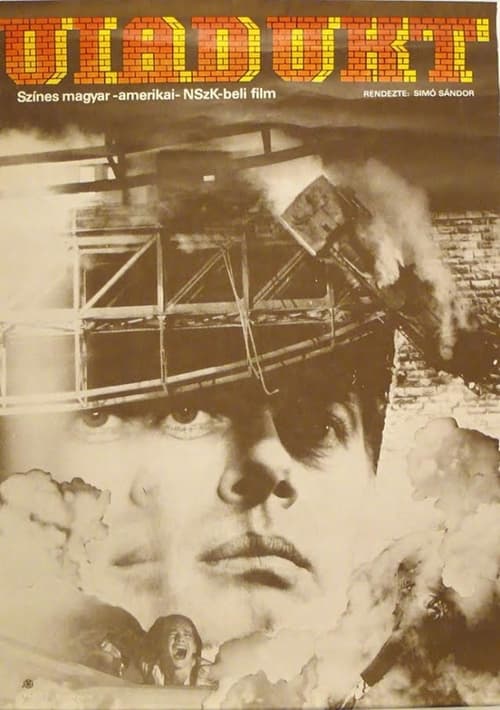
Based on a true story, this film is a dramatization of the events that led to the destruction of one of the most famous trains in history, the Orient Express.
The Train Killer
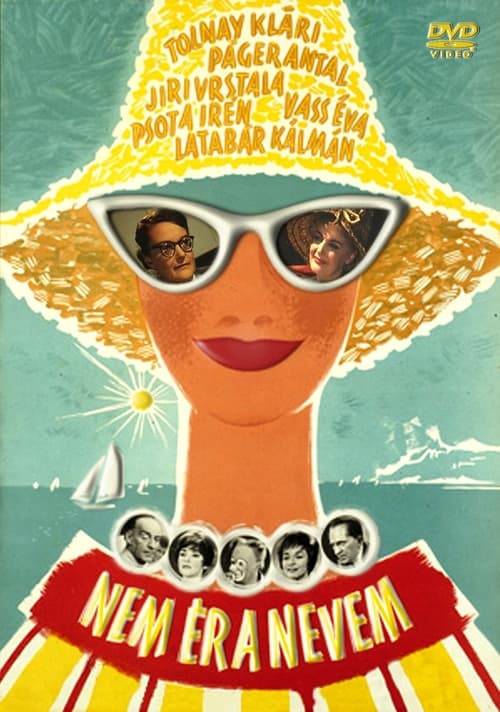
The grey hero of grey workdays, the divorced cashier of a cinema who is always willing to sacrifice herself for others, Etelka, is awarded a two-week-holiday at Lake Balaton. Following the advice of her female friend, she tries to live life at full speed.
Just a Joke
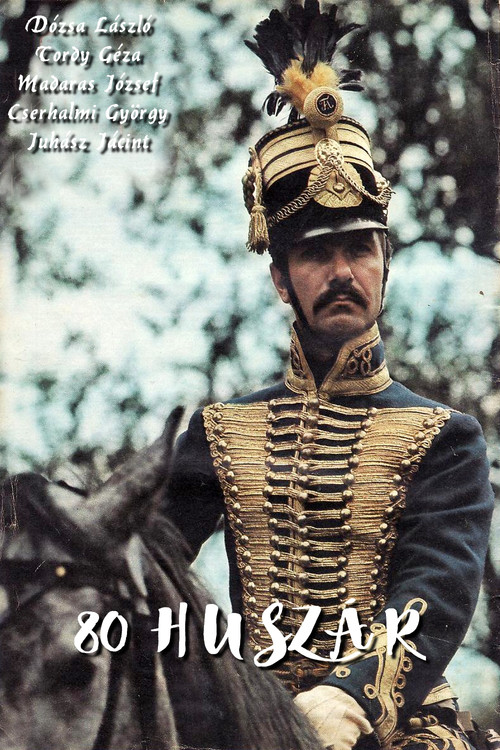
The film tells the story of a regiment of Hungarian hussars stationed in Poland. The hussars, mostly ordinary men, have heard news of the uprising and wish to return to the homeland to defend the newly independent country. The Empire, on the other hand, is firmly resolved that all Hungarian troops in the imperial army should be kept as far away from the trouble spot as possible, knowing that most soldiers would be loyal to Budapest rather than Vienna.
80 Hussars
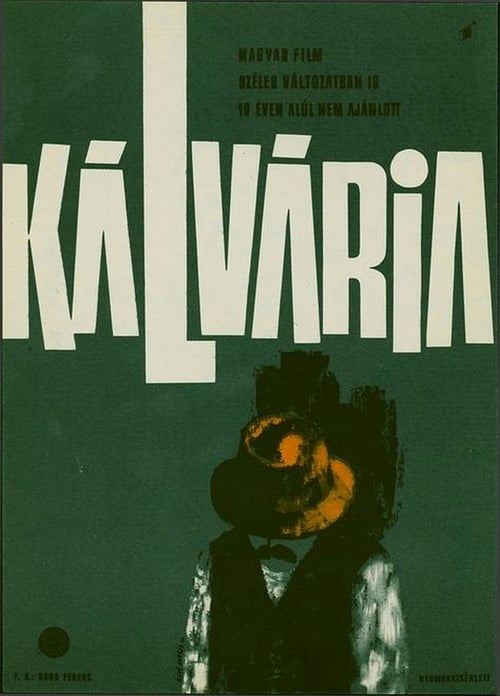
Following his wedding, Feri left the co-operative and is now working on the land of his father-in-law. Tóth is extremely wilful and thrifty, working from early morning to late night, pushing his family as well.
Calvary
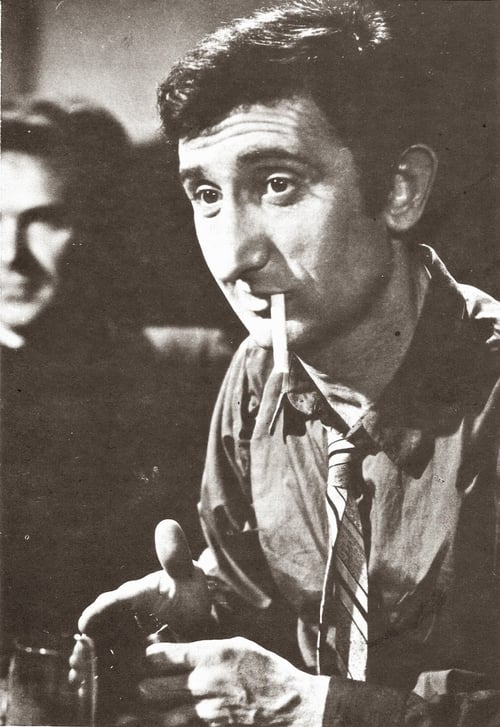
Mocorgó, the well-meaning worker boy, is a tough guy. In his 40s he is still a mechanic's apprentice, but he is disappointed by his family, women and friends, and becomes a criminal. He goes to prison several times and tells the story of his life to the writer, who follows his story until 1956, until Mocorgó's death.
Mocorgó
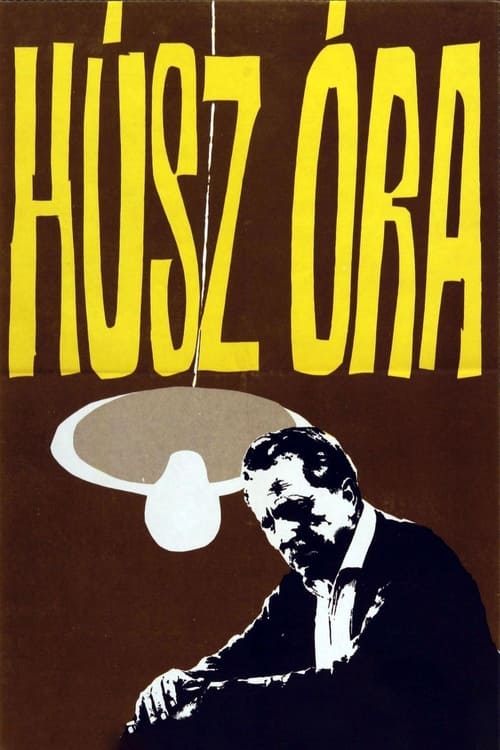
A crusading newspaper reporter covers the Soviet invasion of Hungary in 1956. Initially critical of the communists, the feature later espouses the virtues of the social changes implemented since the invasion. The title refers to the period of time the reporter spent interviewing witnesses to the invasion.
Twenty Hours
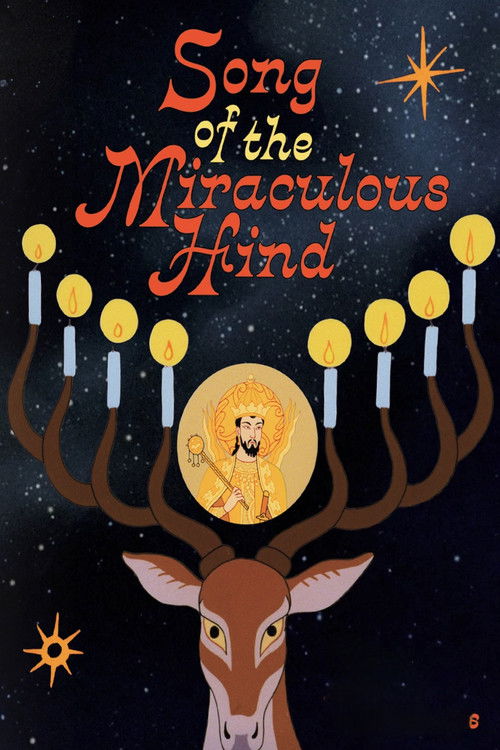
Divided into four sections, "Song" is inspired by the Siberian and Finno-Ugric legends about Creation, in which the world begins with characters who are only half-human, one being half-bird, the other half-bear. The narrator delves into the origins of Hungarian culture, the Iranian and Turkish influences that impacted the society, and finally the story of Stephen, the emperor who brought Christianity to the country and shifted the capital west in an attempt to link with Europe.
Song of the Miraculous Hind
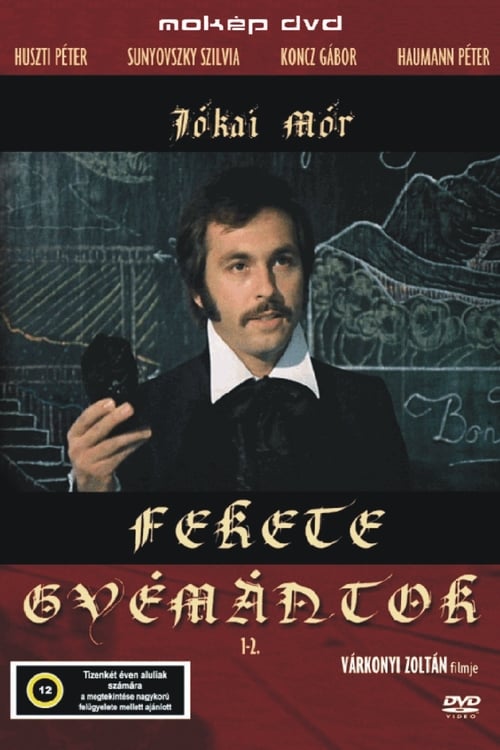
Iván Berend is a nobleman from the countryside, owner of considerable wealth. If necessary, he duels and plays cards like his fellow gentry, if necessary, he dances and compliments like most cavaliers. But far from him is this high life. He prefers to lecture on natural history, and does not hesitate to prove his claims by burning a diamond. He runs the Bondavar mine and experiments on a fire extinguishing agent. Evila, the beautiful starlet, and her impetuous fiancé, Peter Szaffrán, work in the mine. They are hired by the Viennese banker Félix Kaulmann to help him with his grand plan for the coal basin, which will ruin Ivan Berend.
Black Diamond
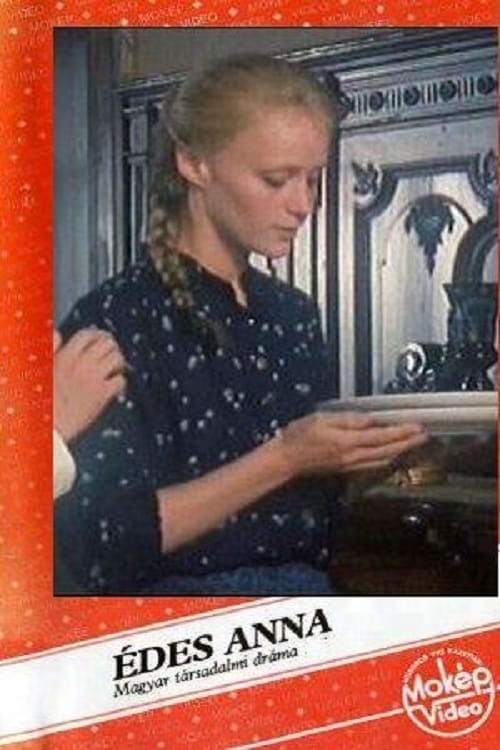
Sweet Anna is sent as a maid to the Vizys immediately after the fall of the revolution in 1919. Since the death of her daughter, Mrs. Vizyné has devoted all her emotions and energy to the "education" of the servants. Anna is sometimes pampered, sometimes humiliated. Her nephew Jancsika seduces the young girl, who wastes all her repressed love on him. Jancsika leaves him, and when Anna wants to leave the Vizys, Vizyné, in a fit of hysteria, blackmails her and holds her back. The morning after a house party, Anna murders her hosts.
Édes Anna
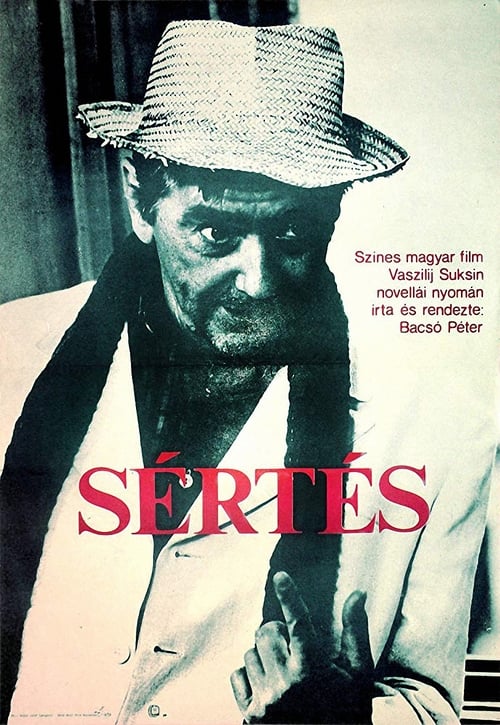
Szása on his day off mends the old automobile of a young couple and goes shopping with his son. In the shop the saleswoman mistakes him to be a drunken customer of the other day and begins to offend him. Szása, for the sake of his son on the first place, wants to clear the misunderstanding up. At the end he is beaten up and humiliated.
The Insult
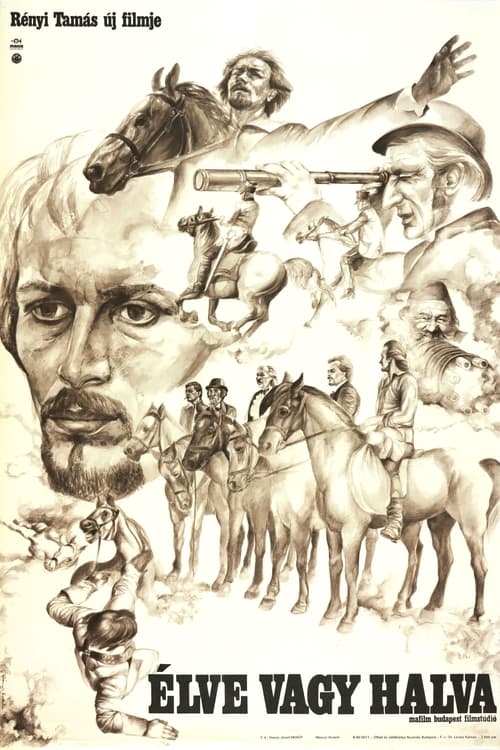
1852. Gáspár Noszlopy escapes from prison in order to capture the emperor, who is to visit Hungary, with his companions and force him to sign the Declaration of Independence. He is only able to find four fanatic men, as his one-time soldiers have already accepted the established order as unalterable, each of them having found a satisfactory way of life and unwilling to undertake a suicidal experiment.