Acting
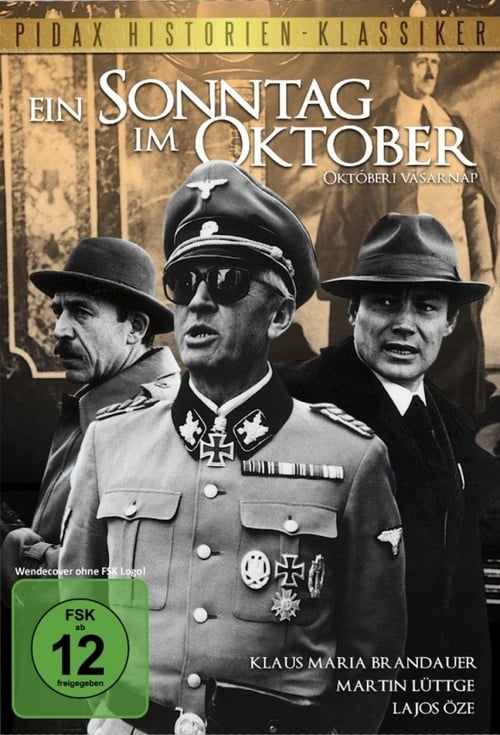
The film is a true account of the drama of "non-action" on 14th and 15th of October, 1944. The Nazis, having a straightforward program, occupy Hungary with little or no difficulty, as the Hungarian political leadership had no unambiguous program for responding to possible steps of the Nazis. In spite of the secretly signed cease-fire agreement and proclamation, Horty gives up all plans of resistance at the news of the kidnapping of his son. The Nazis take over power and roll up the so-called conspiracy aimed at Hungary's breaking away from the German alliance.
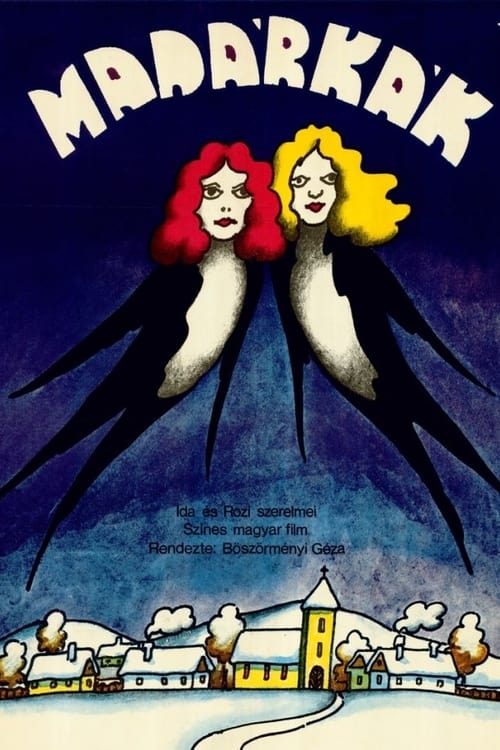
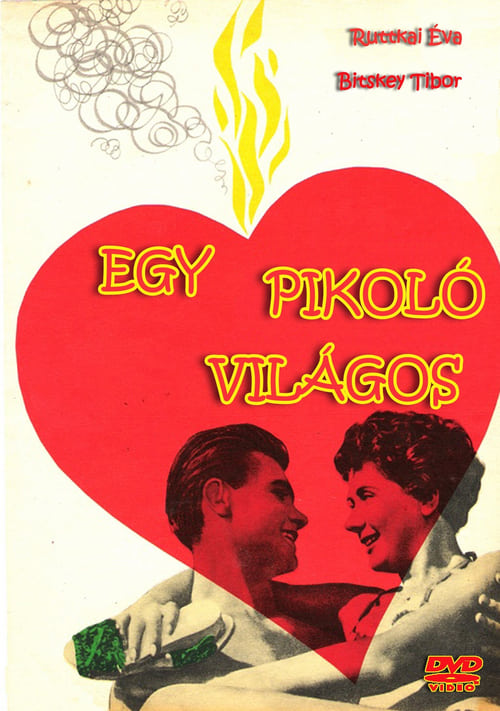
The heroines of this lyric comedy full of burlesque elements are two girls from a village who get totally engrossed in their day-dreaming. Ida and Rozi escape to the city to catch husbands for themselves.
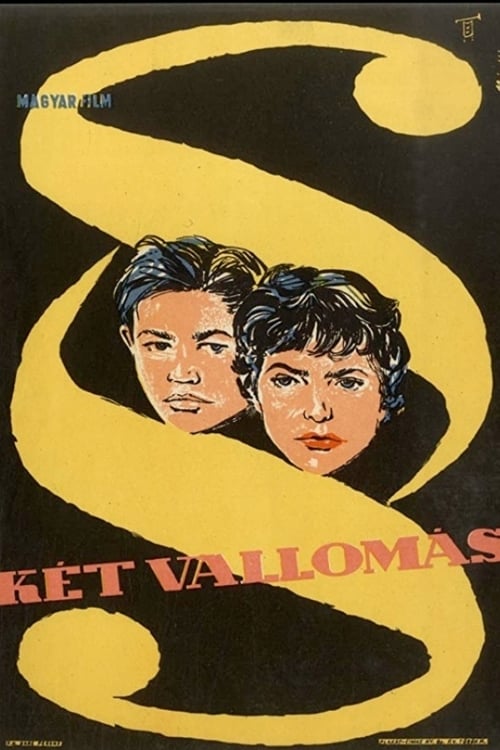
This easy-to-take Hungarian drama is also known as Two Wishes. The prinicipal characters are a pair of juvenile delinquents, who may still be redeemable. The sullen duo is befriended by a kindly police inspector, who takes it upon himself to straighten out the boys. What follows cannot be termed surprsingly or innovative, though it is immensely satisfying. Of interest is the fact that a Communist-bloc film would admit to a delinquency problem in the so-called Worker's Paradise. Ket Vallomas was the Hungarian entry in the 1957 Cannes Film Festival.
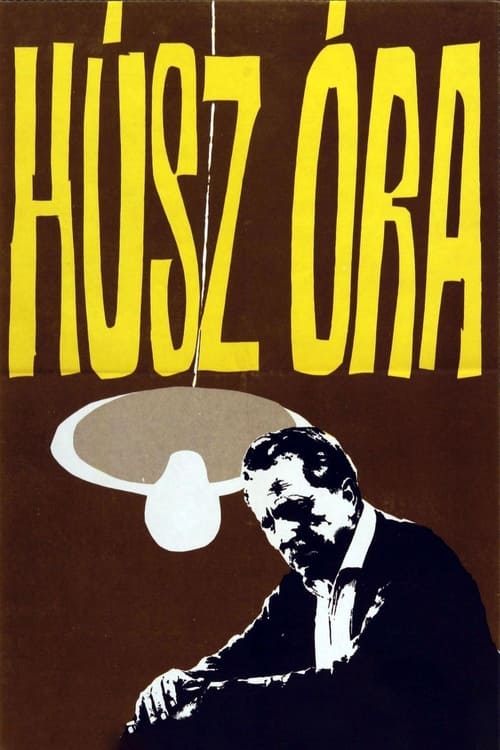
In 1956, a crusading newspaper reporter covers the Soviet invasion of Hungary. Initially critical of the communists, the feature later espouses the virtues of social changes implemented since the invasion.
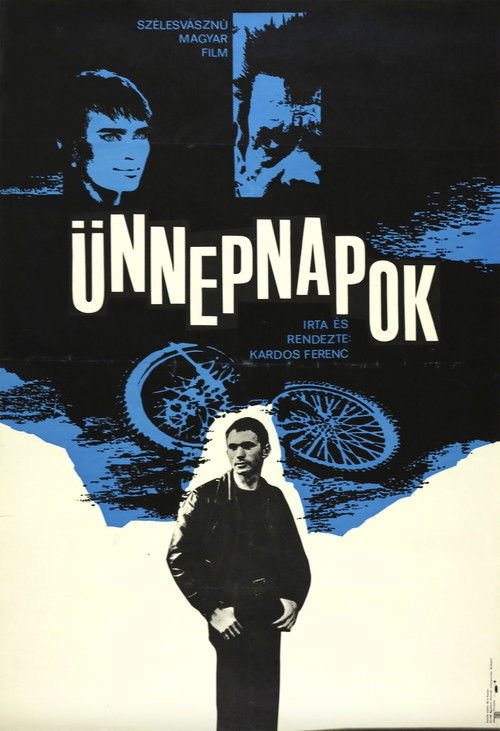
Mihály, a retired foundryman has brought up his sons in a very disciplined and strict way, and as a result they have become a doctor, an engineer, and a teacher. However, his half orphan grandson, Misi, has been spoilt, and become skilled in nothing else really but riding his motorbike and going to parties. He has been involved in shady businesses a number of times already. Having experienced so many difficulties, privation and hardship in his own life and now seeing Misi's irresponsible lifestyle, the old man's bitterness is growing day by day.
No description available.
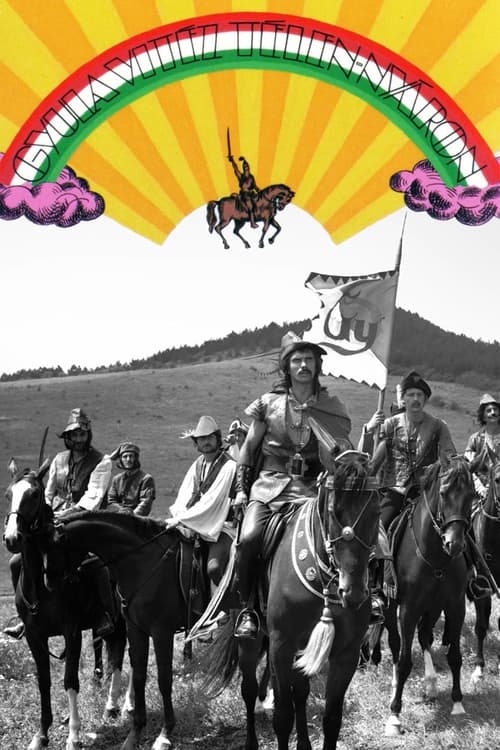
This mocking criticism of public life and the media focuses on a TV series. The protagonist of the film, depicting the battles fought for Hungarian castles during the Ottoman occupation, is chosen to be the amateur Prohászka Feri, a worker in the beer-factory.
Marci is drafted from a typical block building in the 6th district in Pest. He says good-bye to Juli living in the same house, with whom they are both very much fond of each other, but neither of them makes a confession. Juli works in a factory, and with her friend Gizus she goes out in the evening for dancing and drinking. After a year, Marci comes back for holiday, he is full of love.
Mocorgó, the well-meaning worker boy, is a tough guy. In his 40s he is still a mechanic's apprentice, but he is disappointed by his family, women and friends, and becomes a criminal. He goes to prison several times and tells the story of his life to the writer, who follows his story until 1956, until Mocorgó's death.
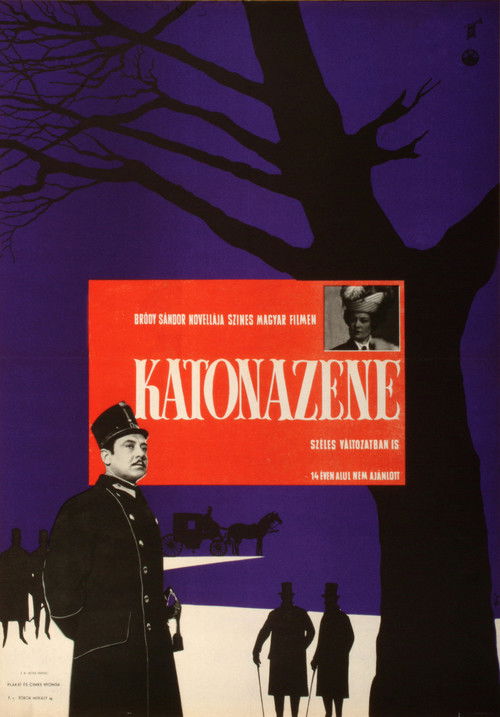
Merry soldiers arrive in the sleepy Transdanubian town. The cynical woman-hunter, Ferdinándy, learns to know doctor Barlay's beautiful wife at a carnival. She lives a happy married life, and the attentions of the lieutenant are all in vain.
Two arts students, András and Viktor who are writing their thesis on detective stories, make up a story and keep nagging the famous film-director, who just came back from Hollywood, until he undertakes the job. At night they work on the film, in which two youths kill a director returning from the US. In the morning the director is found dead - a knife in his back.
Hungary in the 1930s. The world suddenly changes around the peaceful office-clerk and regular, average petit-burgeois Kornél Cassius. Friends and relatives turn up in his home, who soon establish themselves there and even take the upper hand. They continue to arrive in increasing numbers, and turn the well-known objects and patterns of relationships upside down.
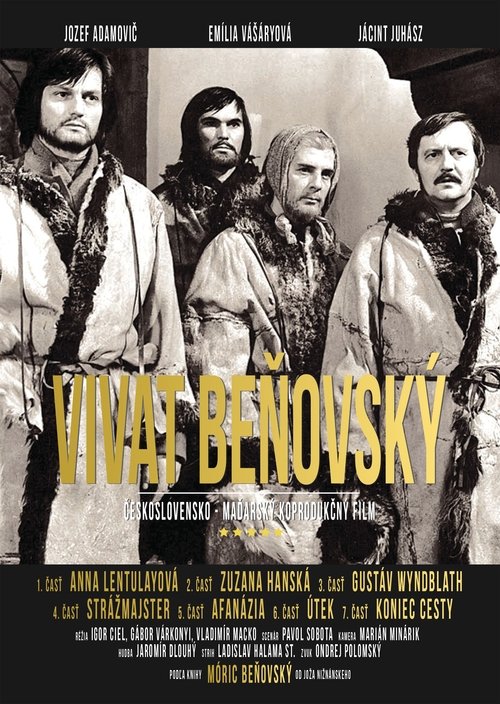
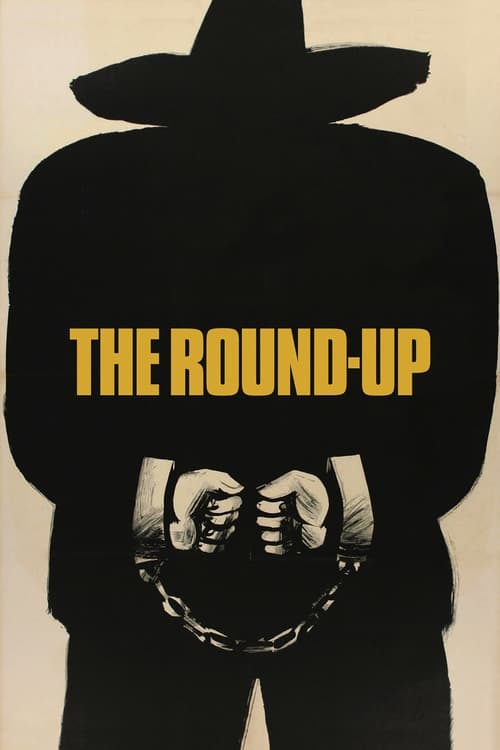
After the failure of the Kossuth's revolution of 1848, people suspected of supporting the revolution are sent to prison camps. Years later, partisans led by outlaw Sándor Rózsa still run rampant. Although the authorities do not know the identities of the partisans, they round up suspects and try to root them out by any means necessary.
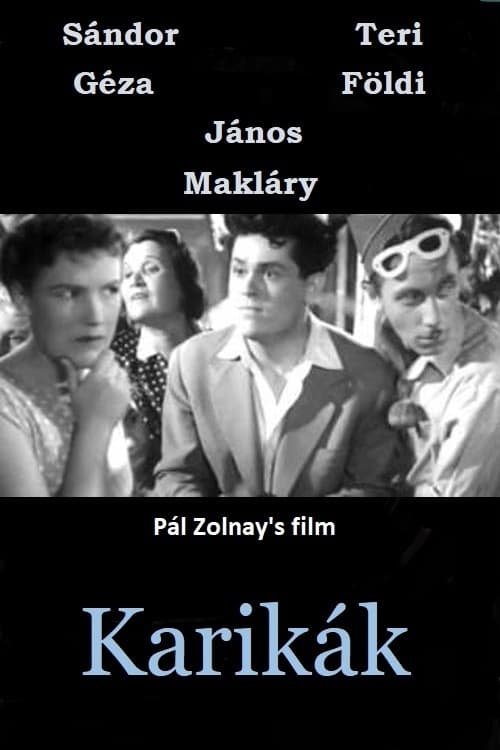
The movie is based on a short story by V. Kataev. A young tractor driver Duri loves Dorka, the daughter of the owner of a ring-throwing attraction. The girl's father is against the marriage. Durie makes a cunning plan: he starts practicing ring throwing. At the opening of the attraction, Durie takes part in the ring toss and wins prize after prize, which he immediately hands out to the people around him. Dorka's father allows Dury to marry Dorka to save his business from ruin.
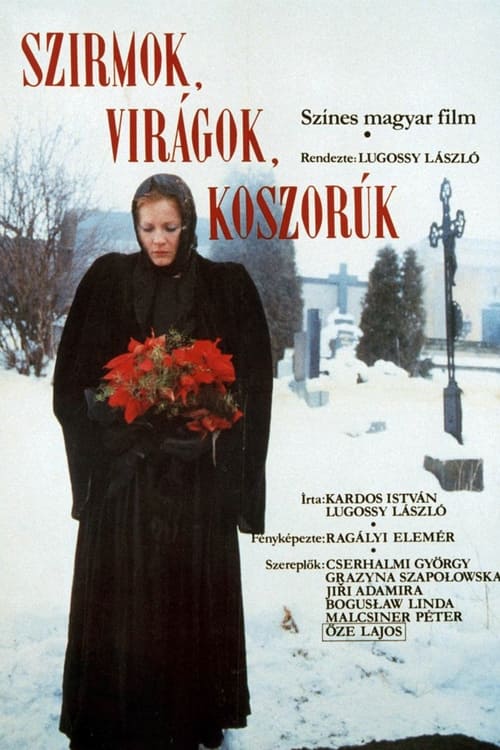
The seeming hopelessness of combatting an all-powerful government that will not tolerate political dissension is the focus of this excellent historical drama set in the mid-19th century in Hungary. In the opening scenes, Hungary has just lost its bid for independence from Austria and a Magyar officer, unable to bear the tragedy of defeat and what it means, says an affectionate good-bye to his beloved horse and then shoots the animal and himself. Two years later, Ferenc (Gyorgy Cserhalmi) is trying to eke out a living for his wife and her family -- and at the same time avoid any hint of sympathy for Hungarian independence because the Secret Police are everywhere. Just as life seems to be going well, Ferenc's former commanding officer (Lajos Oze) arrives and begins discussing revolution again -- a futile pursuit at this point in time. The next day, Ferenc is thrown into an insane asylum and everyone else is arrested as well.