Acting
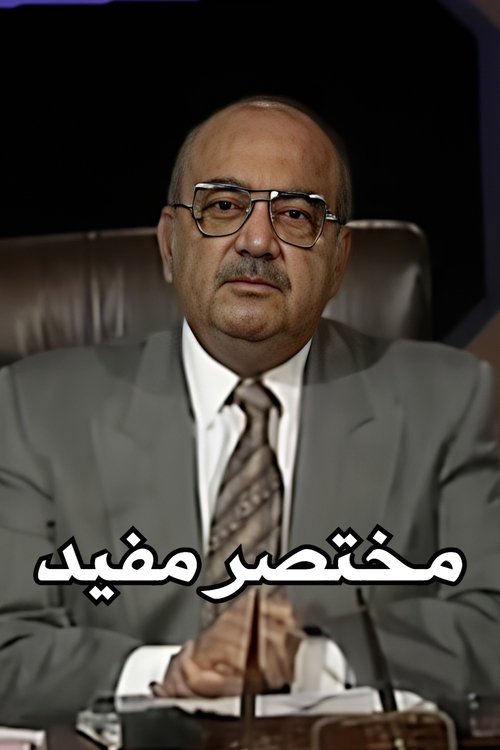
Mukhtasar Mufid is a 1992 Syrian socio‑political dramedy blending drama, light comedy, and documentary‑style observation. Through episodic stories led by Abbas Al‑Nouri, the series examines everyday Syrian life, civic behavior, and the pressures shaping social and political awareness. With sharp commentary and grounded performances, it explores moral dilemmas, public institutions, and the contradictions of ordinary citizens navigating a changing society.
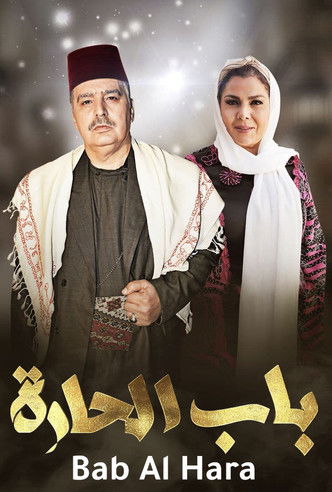
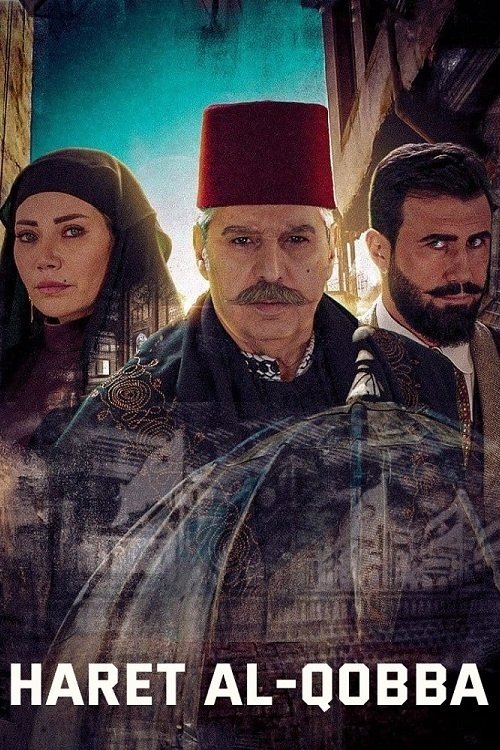
A modern classic of Arab television. A social drama set in the 1920s in Damascus- It highlights Damascene life, noble values, and ancient customs and traditions represented by the people of Harat al-Dabeh who fled to Harat al-Salihiyah after the French bombed Harat al-Dabeh. The events take place after the gold is stolen from the house of the cloth merchant Abu Ibrahim, and the guard Abu al-Samu is killed. The men of the neighborhood try to find the thief.
No description available.
A dying man entrusts his brother-in-law with a small, tightly-concealed box that wreaks havoc as it evokes a deep hatred and sparks sick ambitions.
A man entrusts Abu Al Makhraz with a huge sum of money and disappears. When Abu Al Makhraz dies, his family finds themselves pitted against his relatives.
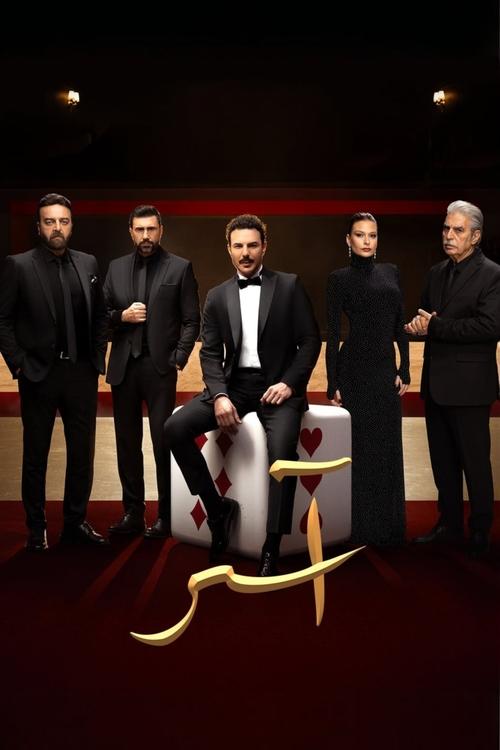
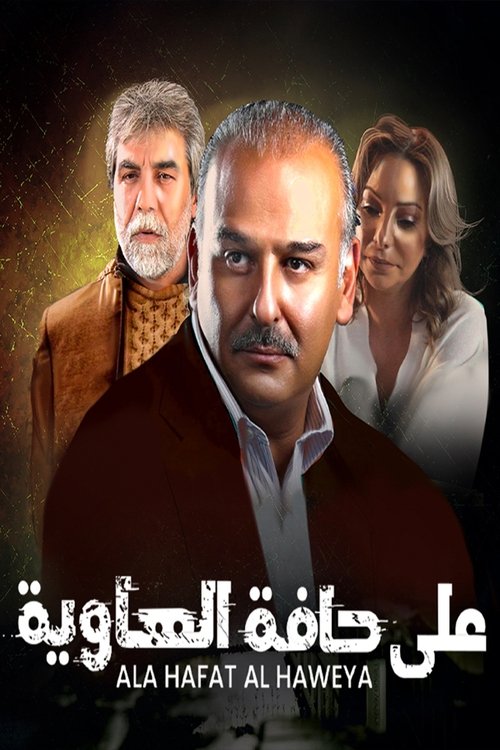
Betrayed by his friends and the woman he loved, Majd is imprisoned but not broken. After escaping with a new face and name — Aser — he’s back with one goal: revenge.
Set in one of Damascus’s neighborhoods during the late Ottoman period and the early Renaissance, depicting the customs, traditions, and social relationships that prevailed at that time.
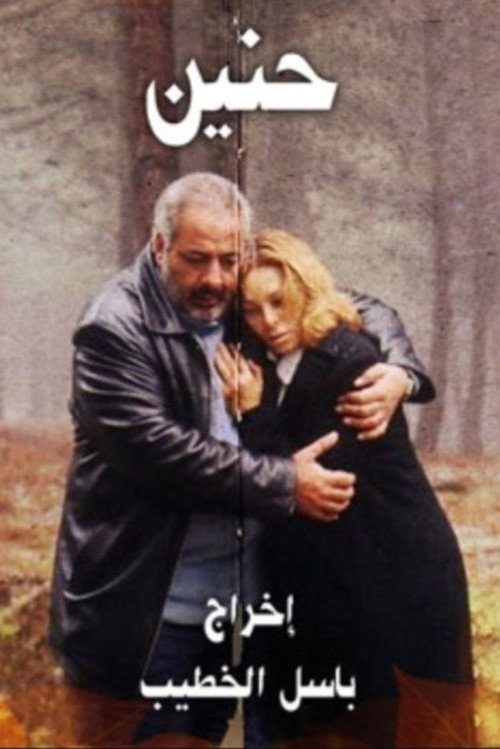
The show tells the story of a playwright, Jalal, who holds secular views, and his close friendship with Michel, his childhood friend. Michel initially worked as a lawyer but later transitioned to journalism, founding his own magazine in which he boldly addresses societal issues, drawing significant criticism. Additionally, the narrative explores themes of separating religion from civil and political life through a love story between a man and a woman from different faiths: Jalal (a Muslim) and Hanan (a Christian). Their relationship culminates in a secret marriage, which lasts until Jalal’s sudden passing. Throughout the story, the work focuses on two major issues related to secularism: the demand for a civil personal status law that permits civil marriage, and the call for a secular education system that allows students the freedom to seek their own truths instead of being indoctrinated with a predetermined "absolute truth." It also tackles issues of political and social corruption.
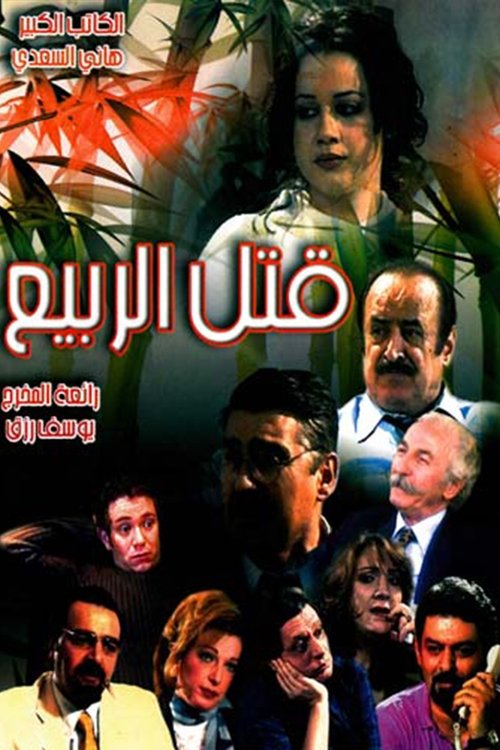
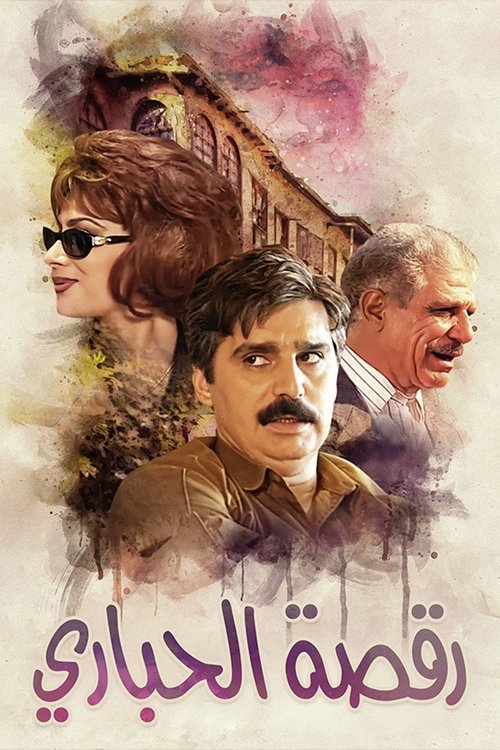
The series revolves around the exploitation of women by men in society, through the stories of three friends—Rateb, Wahib, and Abu Adnan—who are involved in illegal activities, and the story of Zuhair, who exploits runaway girls in immoral activities.
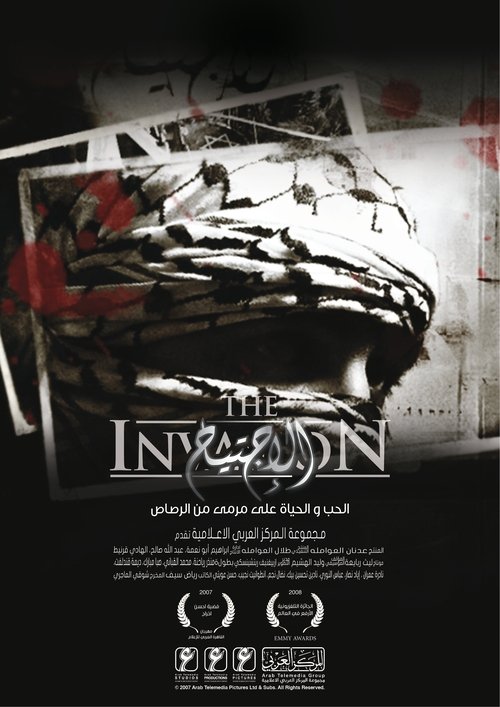
A socio-political series which highlights the horrific events that accompanied Operation “Defensive Shield” in 2002 when the Israeli army invaded Palestinian cities
The events take place in Al-Attarin neighborhood after Etab flees for being accused of adultery by her brothers, while Fawzan is ready to do whatever it takes to extend his power.
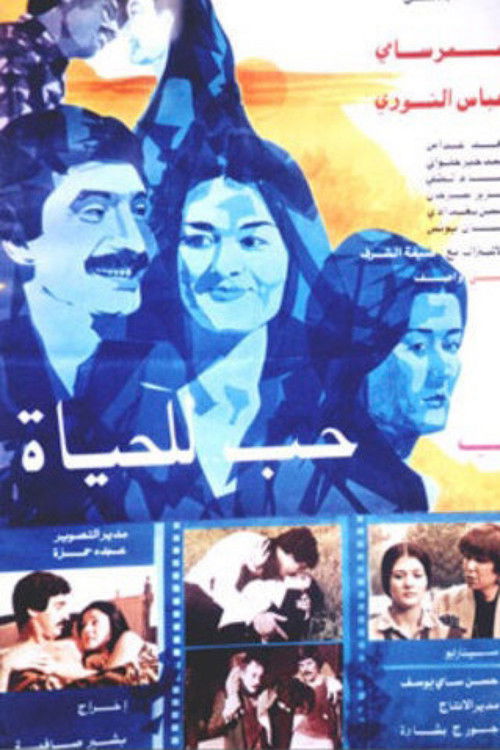
A poor girl, an employee in a company and living in a conservative, popular neighborhood, her character is strong, she loved a teacher, but the story of this love does not continue because of the surrounding circumstances that surround them
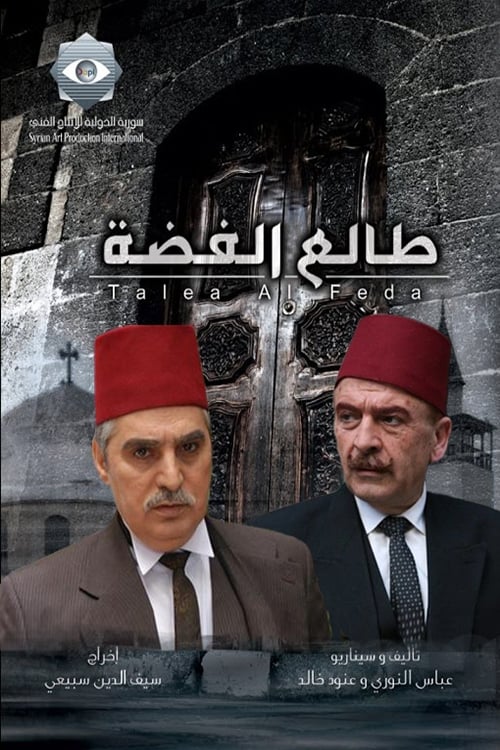
A story that examines the unique social fabric of the city of Damascus through the neighborhood of Talea Al Feda, where Muslims live alongside Christians and Jews, coexisting in tolerance and peace.
Eighteen years after the children of three Damascene leaders were kidnapped, the truth begins to surface, tipping the balance in an intense battle between good and evil.
Nader is lost between his parents, who are experiencing a struggle between love and hate, Lulia, who is persecuted by her stepmother, Dalal, whose hatred for her stepdaughter reaches the point of attempting murder. Dalal considers Lulia the reason for her unhappiness, but when Lulia leaves her life, she discovers her mistake. Tahseen her husband can only run away from problems and cannot solve any of them.
Set in the town of Al-Rukniya in the early 1930s, the work explores the conflict between Bedouin and urban communities, the impact of World War II on Syrian politics, the outbreak of the Great Syrian Revolution, and the subsequent withdrawal of the French occupation from the country. The work also highlights the opportunists who continue to spread colonialist ideas, in contrast to the strength and unity of the people as they confront tyranny despite the conspiracies plotted against them.
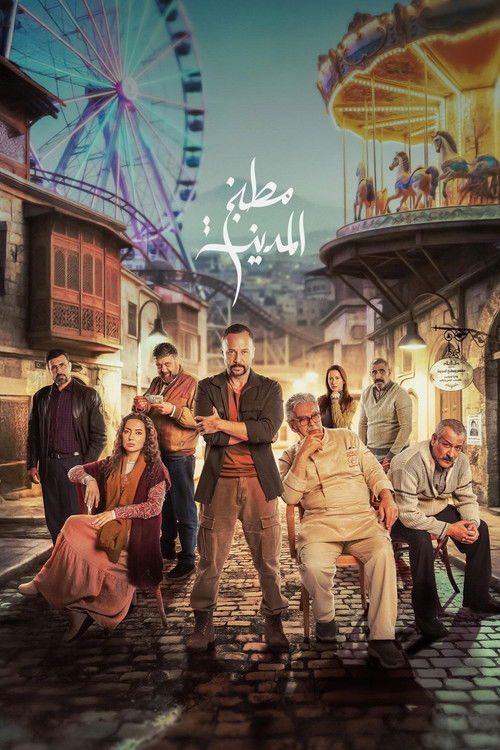
A Damascene chef finds sanctuary at the restaurant he works in, nurturing both his craft and his four children. But when his daughter goes missing, their world unravels, testing their morals and the bonds that hold them.