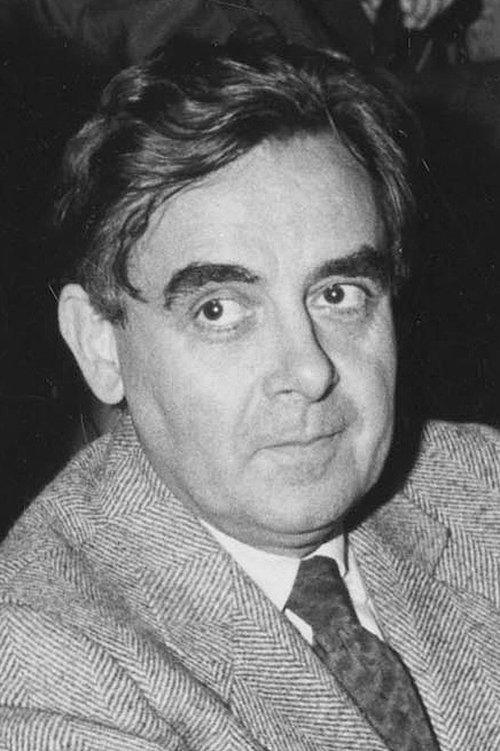
Bernard Pivot
Acting
Biography
Bernard Pivot was a French journalist, interviewer and host of cultural television programmes. In 1985, Pivot created the Championnats mondiaux d'orthographe (world spelling championships). He has been Chairman of the Académie Goncourt from 2014 to 2019.
Known For
No description available.
Champs-Elysées
No description available.
Vivement dimanche
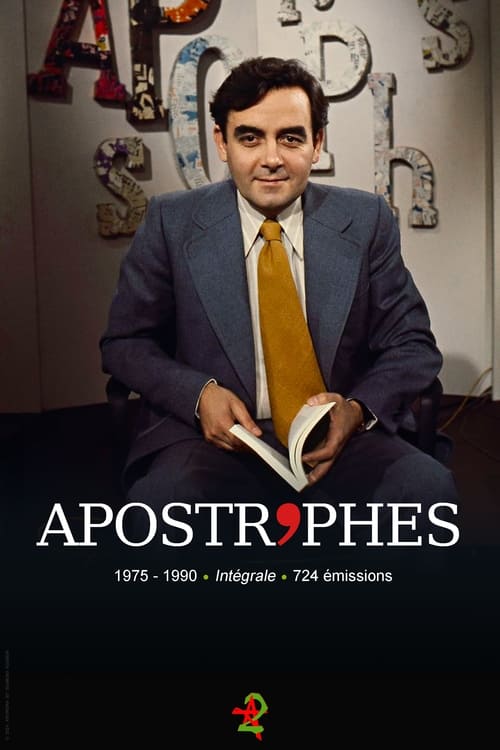
Apostrophes was a live, weekly, literary, prime-time, talk show on French television created and hosted by Bernard Pivot. It ran for fifteen years (724 episodes) from January 10, 1975, to June 22, 1990, and was one of the most watched shows on French television (around 6 million regular viewers). It was broadcast on Friday nights on the channel France 2 (which was called "Antenne 2" from 1975 to 1992). The hourlong show was devoted to books, authors and literature. The format varied between one-on-one interviews with a single author and open discussions between four or five authors.
Apostrophes
No description available.
Sacrée soirée
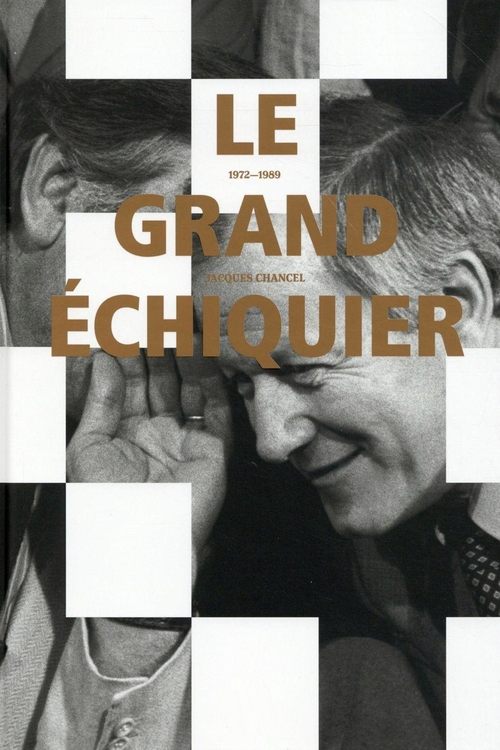
Le Grand Échiquier is a French variety television program created and presented by Jacques Chancel. It aired at 8:30 pm on the first channel of the ORTF from January 12, 1972 to July 12, 1972, then on the second color channel of the ORTF from September 1972 to December 1974, and finally on Antenne 2 from January 1975 to December 21, 1989. The program returned to France 2 on December 20, 2018 and is hosted by Anne-Sophie Lapix.
Le Grand Échiquier
No description available.
Nulle part ailleurs
No description available.
28 minutes

No description available.
Téléthon

No description available.
Rembob'Ina
No description available.
Una belleza nueva
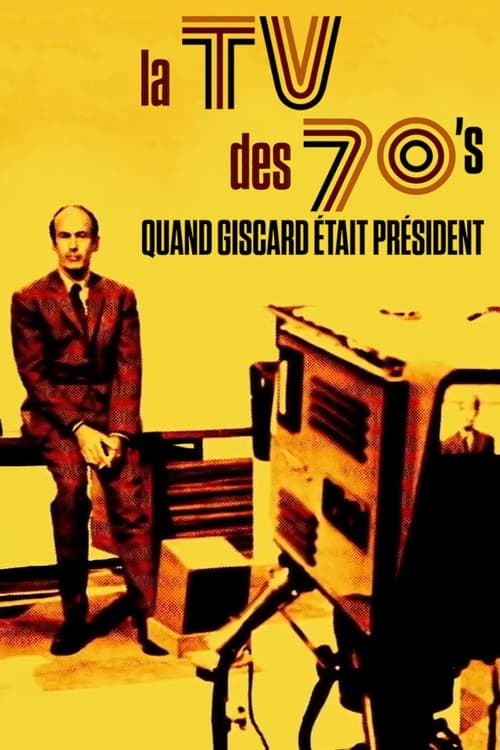
In May 1974, Valéry Giscard d'Estaing became President of the Republic and wanted to bring about a new era of modernity. One of his first decisions was to break up the ORTF with the creation of three new television channels: TF1, Antenne 2 and FR3. Three new public channels but autonomous and competing. It is a race for the audience which is engaged then, and from now on the channels will make the war! This competition will give birth to a real golden age for television programs, with variety shows in the forefront. The stars of the song are going to invade the living rooms of the French for their biggest pleasure. This unedited documentary tells the story of the metamorphosis of this television of the early 1970s, between freedom of tone, scandals, political intrigues and programs that have become mythical.
La TV des 70's : Quand Giscard était président
Jean-Marc is a man without qualities living in times that are out of joint. His wife and children ignore him; he's a mid-level government functionary in Montreal doing his job without care. He has an active imagination of sexual conquest, but his only real feelings come when he visits his aged mother, whose health is failing. When his wife leaves abruptly to work in Toronto, Jean-Marc sets out to reorder things with his daughters, his social life, and at work. In a world that at best is a farce, does he stand a chance?
Days of Darkness
Salomé Lerner just finished writing an autobiography. She goes to a TV show called "Apostrophes", hosted by French TV showman Bernard Pivot. Pivot then imagines a film that could be created from her gripping story. A film entirely made of music because after seeing the young pianist Erik Berchot, Salomé believes seeing her long lost brother, who was a musician as well. A brother she had lost along with her parents in 1943. However, the Lerners did in fact escape the gestapo and might have based themselves in Paris...
Going and Coming Back
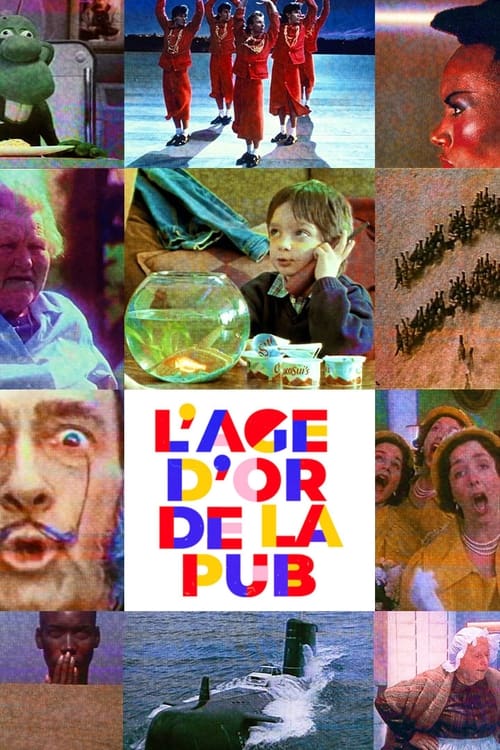
55 years ago, on October 1 1968, the first brand advertising spot appeared on the French television screen. Over the next three decades, thousands of creative little films would seduce and build our collective memory. Kitschy or cult spots, humor, slogans, music, stars, gimmicks, grand spectacle or sex appeal: during its golden age, how did advertising convince? Thierry Ardisson has brought together almost 400 advertising clips to relive the era of the conquest of minds and wallets.
L'Âge d'or de la pub
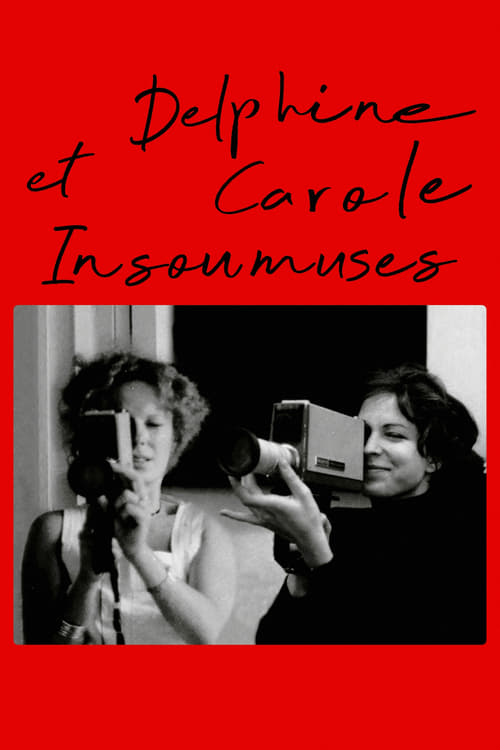
In the 70s, actress Delphine Seyrig and director Carole Roussopoulos, both militant feminists, were the pioneers of video activism in France. They documented the demonstrations of French feminists and used the new technologies to counter the poor representation of women in the public media.
Delphine and Carole
A priceless statuette "Dancing God" is transfered from Africa to France. Scoundrels of all stripes are dreaming of steeling it. The most clever of them are trying to replace the original with the copy. Chases, adventures, breathtaking stunts, shootouts - life is not worth a penny, when the priceless treasure is on stake.
The Gods Must Be Daring

The year 1975 is declared “year of the woman”. On this occasion Bernard Pivot invited Françoise Giroud on television, then Secretary of State for Women. Faced with statements, a group of women filmmakers parody the issues in a provocative way.
Maso and Miso Go Boating
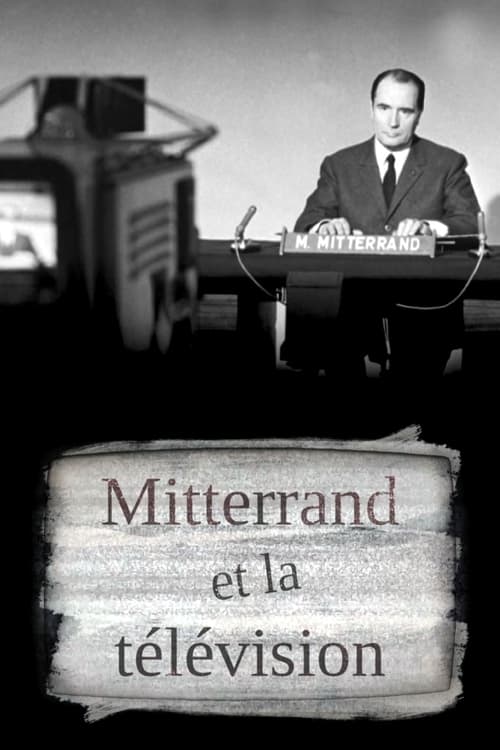
May 10th, 1981. François Mitterrand is elected President of the Republic. The “soviet tanks” supposedly coming upon the Champs-Élysées dressed in red, feared by some, did not march. Serge Moati takes a personal look at this episode, focusing on the relationship the president had with television, that he witnessed and played a role in.
Mitterrand et la télé
No description available.
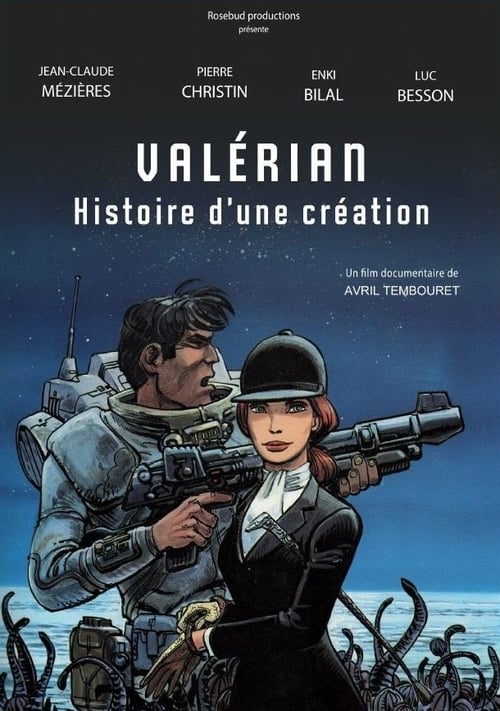
Valérian, histoire d'une création
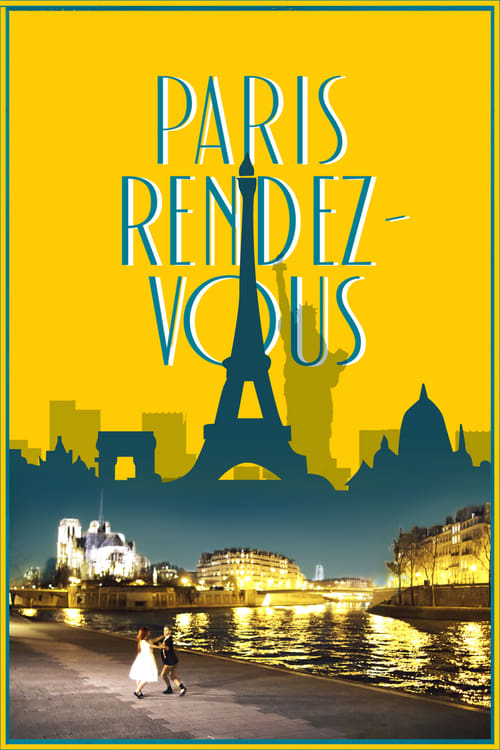
Théodore, a strange and shy parisian man, discovers a song with supernatural power. An old jazz classic from the 1920s which will be make instantaneously make two people love each other. He has to find this song to seduce Amandine, the love of his life. His investigation leads him to New York City, where he meets a community of young jazzmen.