Robert Hughes
Acting
Biography
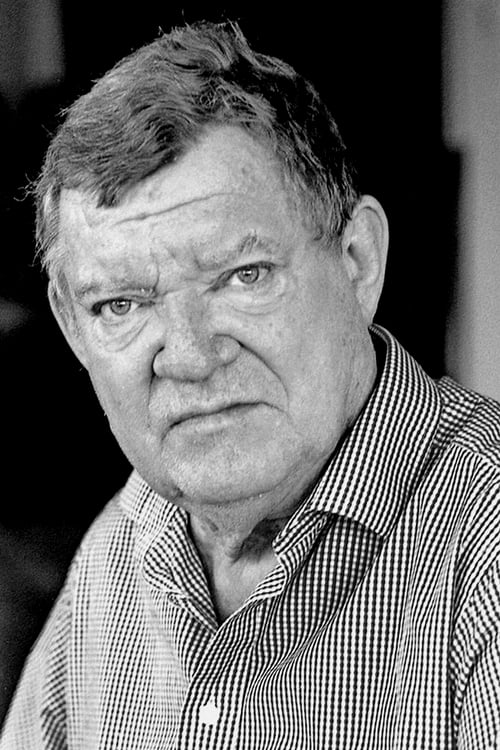
Robert Studley Forrest Hughes AO was an Australian-born art critic, writer, and producer of television documentaries. He was described in 1997 by Robert Boynton of The New York Times as "the most famous art critic in the world."
Known For

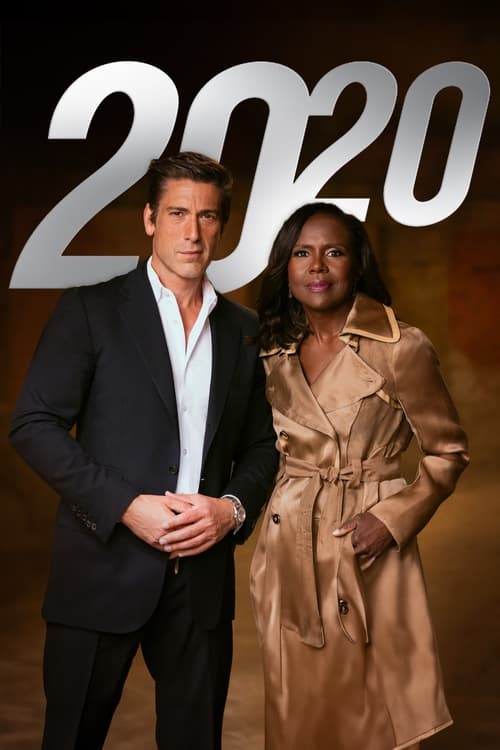
20/20 is an American television newsmagazine that has been broadcast on ABC since June 6, 1978. Created by ABC News executive Roone Arledge, the show was designed similarly to CBS's 60 Minutes but focuses more on human interest stories than international and political subjects. The program's name derives from the "20/20" measurement of visual acuity. The hour-long program has been a staple on Friday evenings for much of the time since it moved to that timeslot from Thursdays in September 1987, though special editions of the program occasionally air on other nights.
20/20

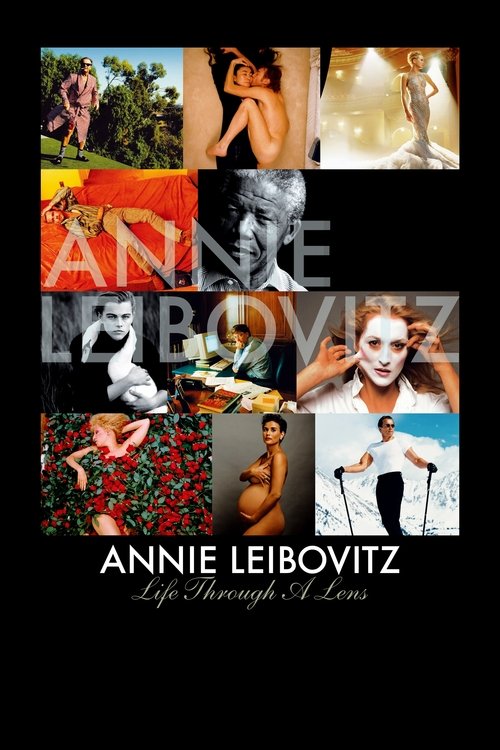
An account of the professional and personal life of renowned American photographer Annie Leibovitz, from her early artistic endeavors to her international success as a photojournalist, war reporter, and pop culture chronicler.
Annie Leibovitz: Life Through a Lens

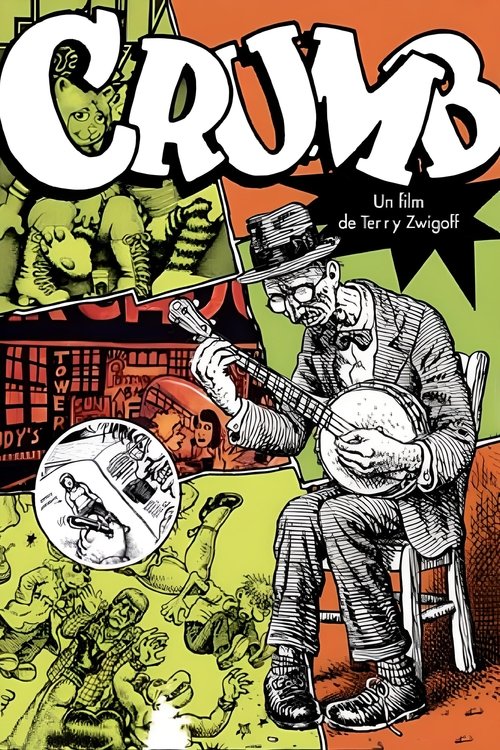
This movie chronicles the life and times of R. Crumb. Robert Crumb is the cartoonist/artist who drew Keep On Truckin', Fritz the Cat, and played a major pioneering role in the genesis of underground comix. Through interviews with his mother, two brothers, wife, ex-wife and ex-girlfriends, as well as selections from his vast quantity of graphic art, we are treated to a darkly comic ride through one man's subconscious mind.
Crumb
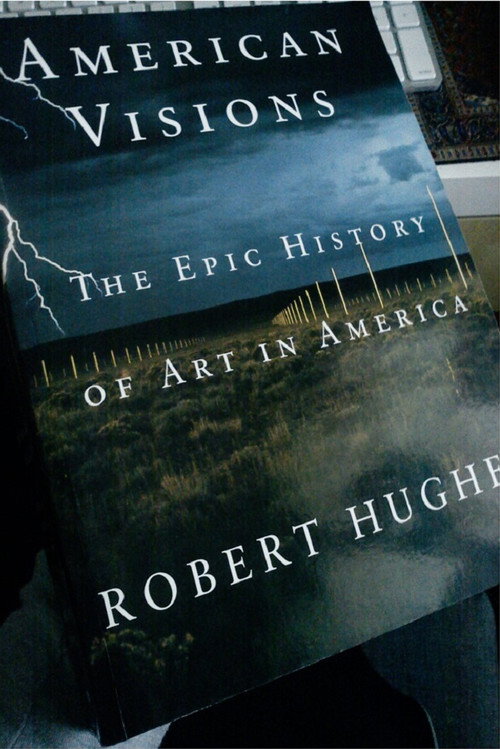
Time magazine critic and writer of the highly acclaimed study of modern art, The Shock of the New, Robert Hughes now addresses his largest subject: the history of art in America.
American Visions

The renowned definitive eight part series on the rise and fall of the modern art movement presented by Australian art critic Robert Hughes.
The Shock of the New

Documentary about Spanish architect Antoni Gaudi made for the BBC series "Visions of Space".
Antoni Gaudi: God's Architect

This documentary premiered at the 1970 Cannes Film Festival and combines black and white with color photography. Director Arthur Penn is the subject of the film. He is shown being interviewed along with his two children, 12 year old Mathew and 8 year old Molly. Scenes are shown from The Left Handed Gun, The Chase, The Miracle Worker, Bonny and Clyde, Alice's Restaurant and Little Big Man. Penn recalls how Warner Brothers insisted he change the ending for The Left Handed Gun and talks about the violence in Bonny and Clyde. His work from 1958 to 1970 received three Academy Award nominations. The director attended the world premiere of this film at Cannes and was pleased with the final effort.
Arthur Penn, 1922-: Themes and Variants

Twenty-five years ago the renowned art critic Robert Hughes made The Shock of the New, a landmark television series that examined the key cultural movement of the 20th Century. Now he's back to look at more recent work and to question whether modern art can still be shocking in its originality and understanding. In an age of media saturation it's perhaps even harder to tell what is good art and what is bad; but Hughes cuts through the marketing and the hype to reveal the art that is vital and will last; the art which defines the times in which we live. In a film which features interviews with David Hockney, Paula Rego, Jeff Koons and Sean Scully, Robert Hughes makes the case that painting, drawing, and the search for beauty matter more than ever before.
The NEW Shock of the New

Robert Hughes tackles the work and lives of three remarkable 20th-century architects: Albert Speer, Mies van der Rohe, and Antonio Gaudi - whose work did so much to shape the modern world. Hughes looks at how each one used space in different ways to express our response, respectively, to the power of religion (Gaudi), the power of the State (Speer), and the power of the corporation (Mies van der Rohe).
Visions of Space
Writer, historian and art critic Robert Hughes presents a survey of Australian art from the time of the First Fleet to the present day, based on the social background of the times and the overseas prototypes from which much of Australia’s art revealed.
Landscape with Figures

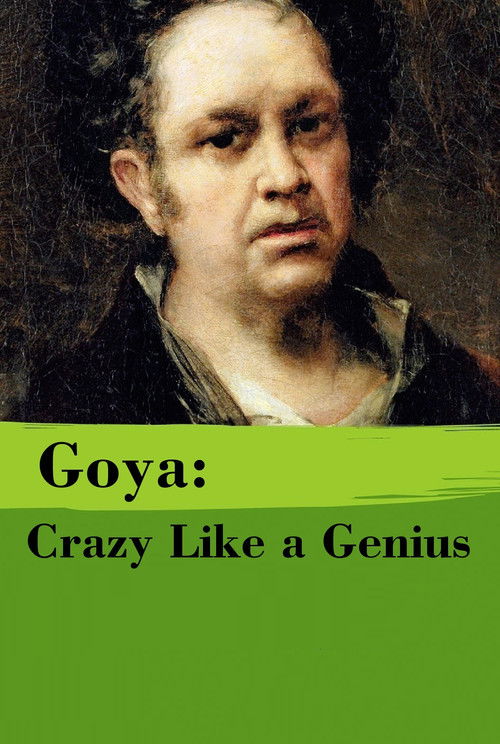
Join art historian Robert Hughes for a fascinating journey into the life of Spanish painter Francisco Goya. Using the artist's works as the benchmarks in this biographical profile, Hughes follows Goya from his role as painter to the royal court through his maturity as a war reporter and into his troubled final years. Hughes reveals how the upheaval of Goya's life can be traced through his paintings that range from the fanciful to the insane.
Goya: Crazy Like a Genius

Writer, historian and art critic Robert Hughes presents a survey of Australian art from the time of the First Fleet to the present day, based on the social background of the times and the overseas prototypes from which much of Australia's art revealed.