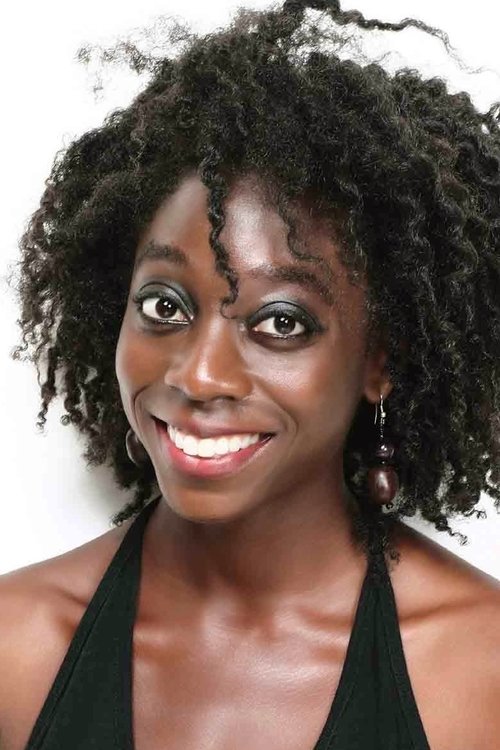
Akosua Adoma Owusu
Directing
Biography
Akosua Adoma Owusu (b. 1984) is a Ghanaian-American filmmaker, producer, and cinematographer whose films address the collision of identities. Interpreting the notion of "double consciousness," coined by sociologist and civil rights activist W. E. B. Du Bois to define the experience of black Americans negotiating selfhood in the face of discrimination and cultural dislocation, Owusu aims to create a third cinematic space or consciousness. In her works, feminism, queerness, and African identities interact in African, white American, and black American cultural environments. Named by Indiewire as one of 6 pre-eminent Avant-Garde Female Filmmakers Who Redefined Cinema, she was a featured artist of the 56th Robert Flaherty Film Seminar programmed by renowned critic and film curator Dennis Lim. Owusu has exhibited worldwide including at the Berlinale, Rotterdam, Locarno, Toronto, New Directors/New Films (New York), and the BFI London Film Festival. She has won numerous fellowships and grants including from the Guggenheim Foundation, Westridge Foundation, Knight Foundation, Creative Capital, MacDowell Colony, Camargo Foundation and most recently from the Residency Program of the Goethe-Institut Salvador-Bahia. Currently, she divides her time between Ghana and New York, where she works as an Assistant Professor at the Pratt Institute in Brooklyn. Akosua Adoma Owusu is represented by Andrew Farber at Farber Law LLC.
Known For
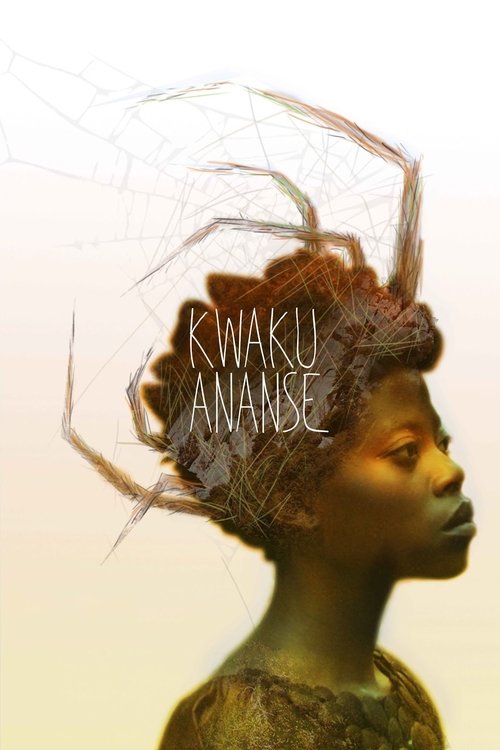
This short by Akosua Adoma Owusu offers a spellbinding, semi-autobiographical interpretation of a traditional Ghanaian folktale in which the contemporary collides with the mythological in both content and form.
Kwaku Ananse
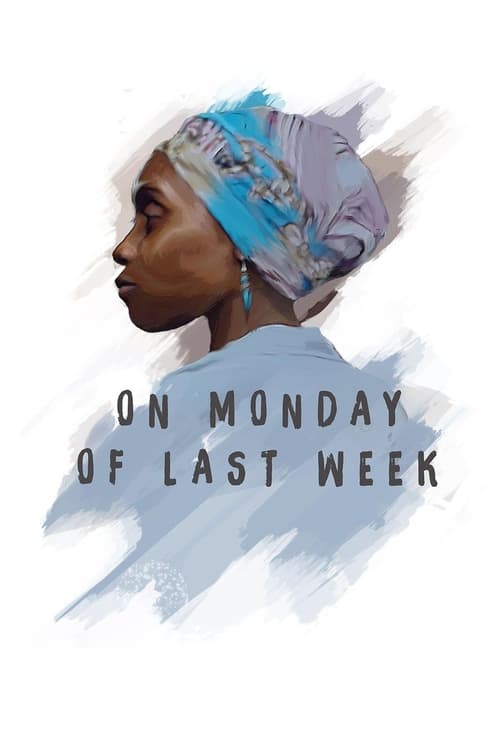
This film follows Kamara, a Nigerian woman, on her journey to self-realization. When Tracy, an artist, finally emerges from her studio one afternoon, Kamara, her son's nanny, is inspired to become Tracy's muse
On Monday of Last Week
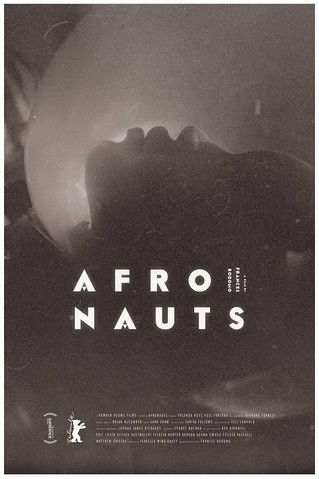
16th July 1969: America prepares to launch Apollo 11. Thousands of kilometers away, a ragtag group of Zambian exiles is trying to beat America to the Moon.
Afronauts
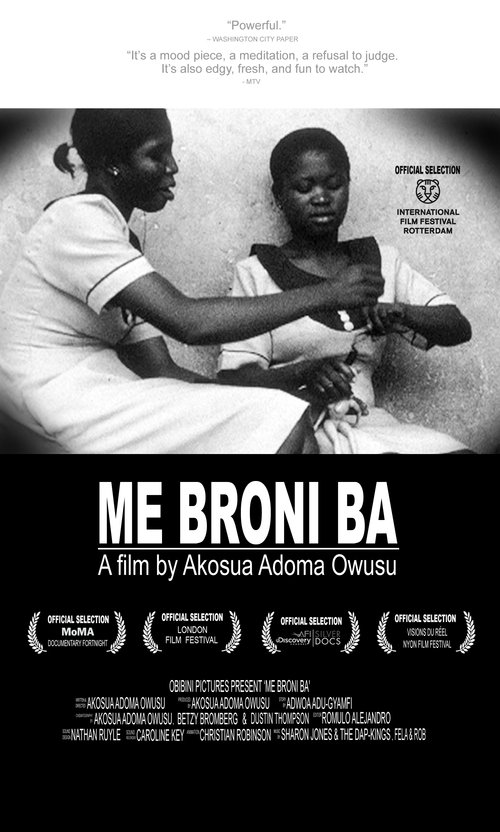
Me Broni Ba is a lyrical portrait of hair salons in Kumasi, Ghana. The tangled legacy of European colonialism in Africa is evoked through images of women practicing hair braiding on discarded white baby dolls from the West. The film unfolds through a series of vignettes, set against a child's story of migrating from Ghana to the United States. The film uncovers the meaning behind the Akan term of endearment, me broni ba, which means “my white baby.”
My White Baby
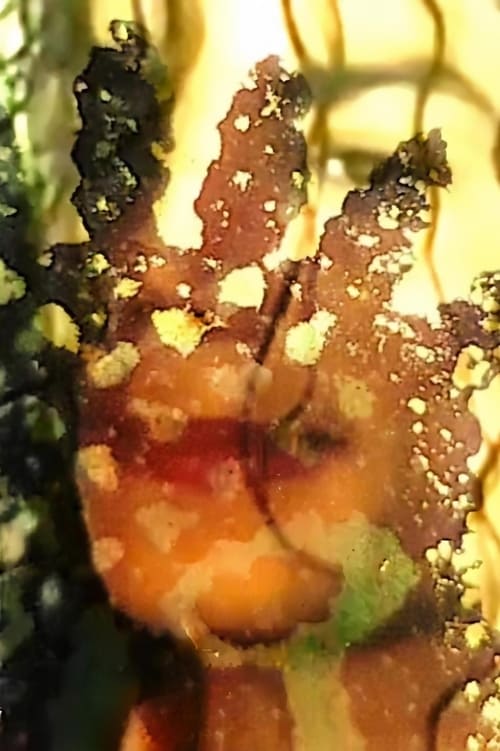
A companion piece to Pelourinho: They Don’t Really Care About Us (NYFF57), King of Sanwi continues Akosua Adoma Owusu’s exploration of Michael Jackson as a global pop icon. Here, Michael’s long affinity with the African continent—from the Jackson 5’s arrival in Senegal in 1974 to Michael’s coronation as an Ivorian king in 1992—is captured in vibrant, fuzzy archival video, made visceral by Owusu’s funky audiovisual collage and richly material direct animation effects.
King of Sanwi
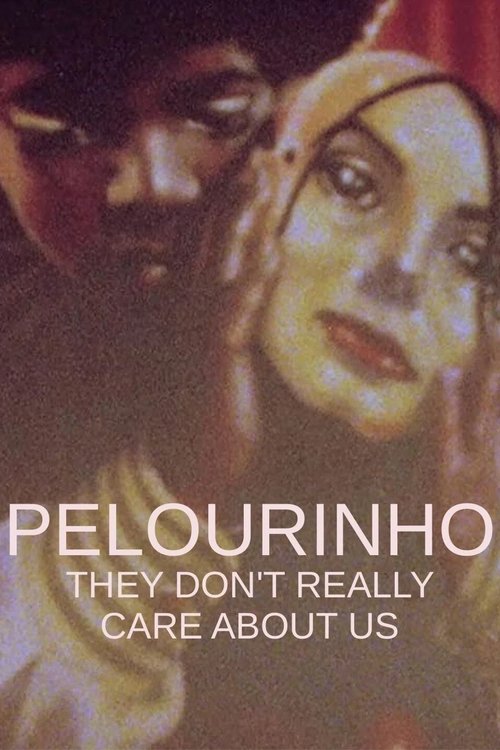
The starting point for this colourful film is a letter from human rights activist W.E.B. Du Bois to the American embassy in Brazil. The fact that in 1927 it was impossible for African Americans to travel to Brazil reminds us of the inequality still faced by that country’s black inhabitants.
Pelourinho, They Don’t Really Care About Us
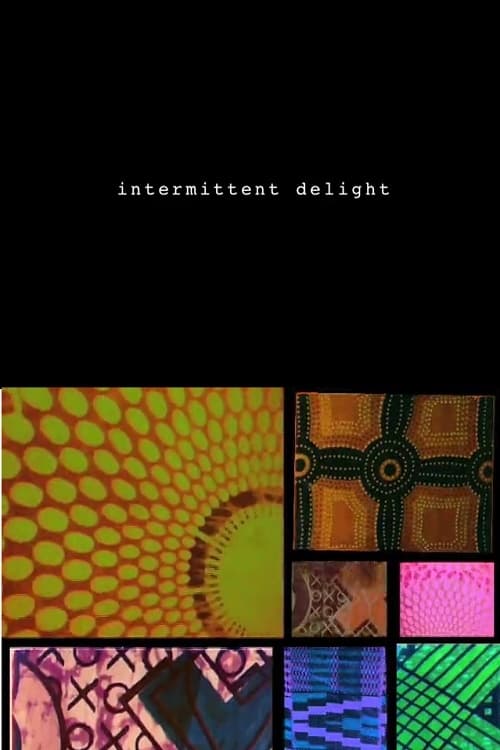
Intermittent Delight juxtaposes close-ups of batik textiles, fashion and design from the 1950s and 1960s, images of men weaving and women sewing in Ghana, and fragments of a Westinghouse 1960s commercial- aimed to instruct women on the how-to of refrigerator decoration.
Intermittent Delight
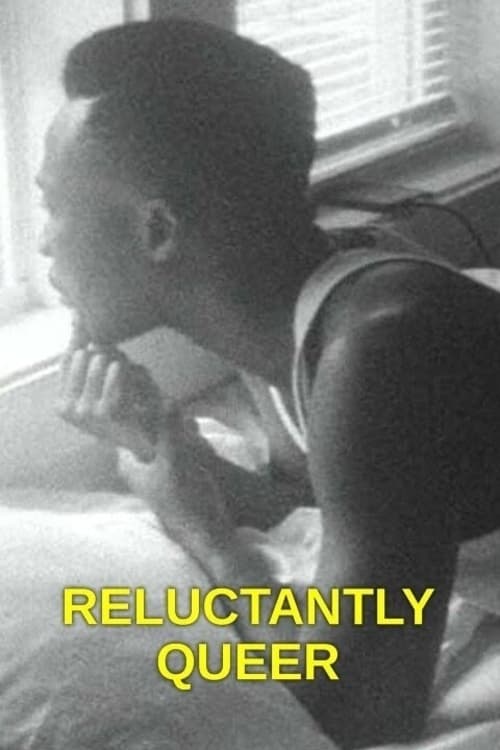
This epistolary short film invites us into the unsettling life of a young Ghanaian man struggling to reconcile his love for his mother with his love for same-sex desire. Berlin International Film Festival 2016: Nominated Golden Berlin Bear for Best Short Film and Teddy Best Short Film.
Reluctantly Queer
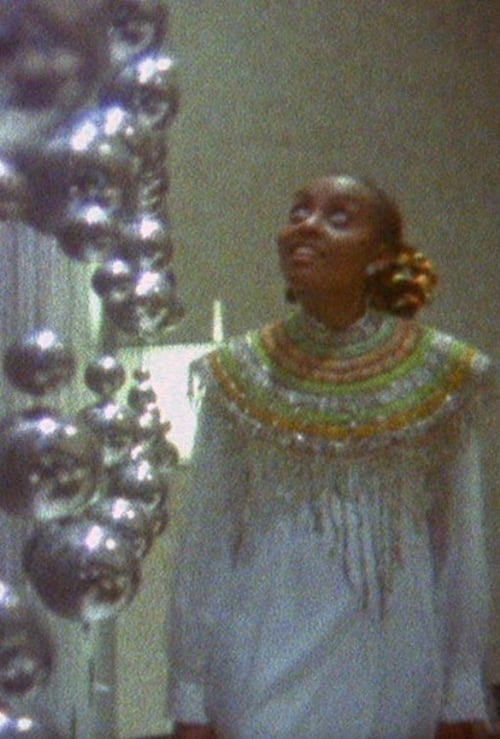
Mahogany Too takes the 1975 cult classic Mahogany – a fashion-infused romantic drama – as its base. The film examines and revives Diana Ross's iconic portrayal of Tracy Chambers. Analogue film provides vintage tones, which emphasises the essence of the character, re-creating Tracy’s qualities through fashion, modelling, and styling.
Mahogany Too
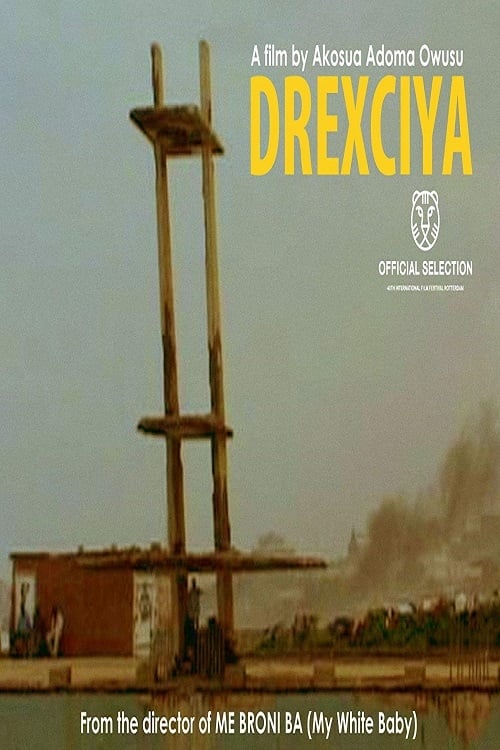
A portrait of a dilapidated Olympic-sized pool in Accra, Ghana.
Drexciya
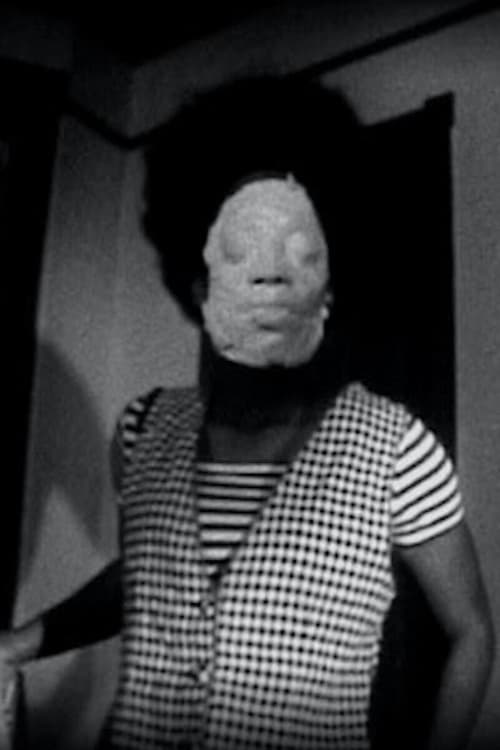
Beautiful Chrissy plays with Miss Mary Mack.
Tea 4 Two
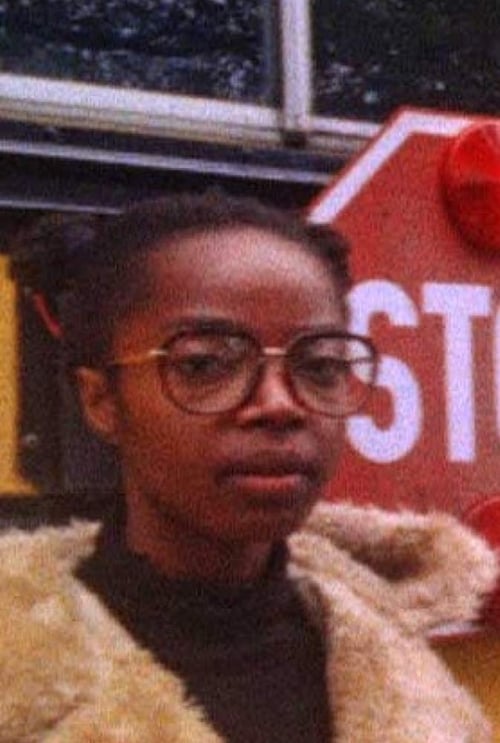
Bus Nut rearticulates the 1955 Montgomery Bus Boycott, a political and social protest against U.S. racial segregation on the public transit system of Montgomery, Alabama, and its relationship to an educational video on school-bus safety. Actress MaameYaa Boafo restages a vintage video while reciting press-conference audio of Rosa Parks on a re-created set in New York City.
Bus Nut
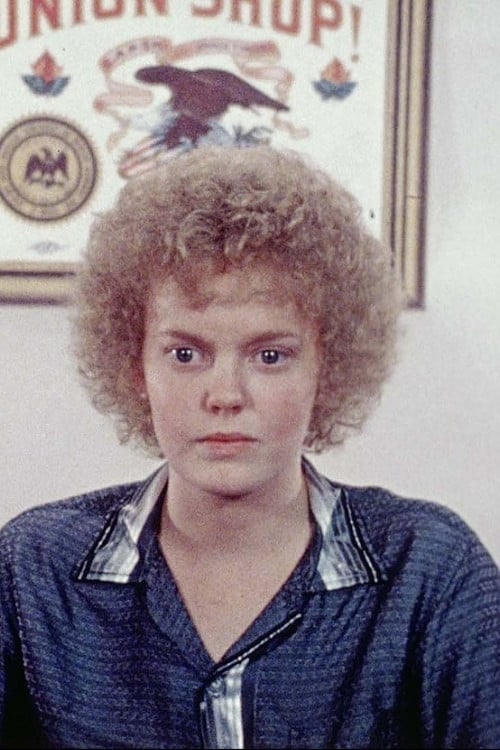
White Afro employs an archival instructional video on how to offer curly perms or body waving services to their white clientele, ostensibly for financial gain.
White Afro
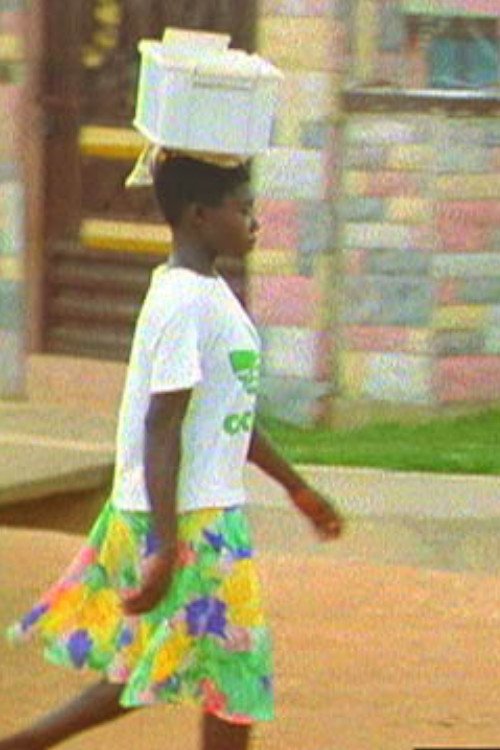
Part documentary, part fiction, Ajube Kete is positioned as a day in the life of a West African girl. Filmed in the village of Kumasi, Ghana the story follows a young girl as she works on chores throughout the day. The girl attempts to complete her chores amidst ridicule by older voices heard off-screen.
Ajube Kete
A small girl's nightmare. Untitled No.1 is part of Mike Plante's Lunchfilm series of commissioned shorts (made for the cost of a lunch between Plante and filmmaker Nina Menkes).
Untitled #1
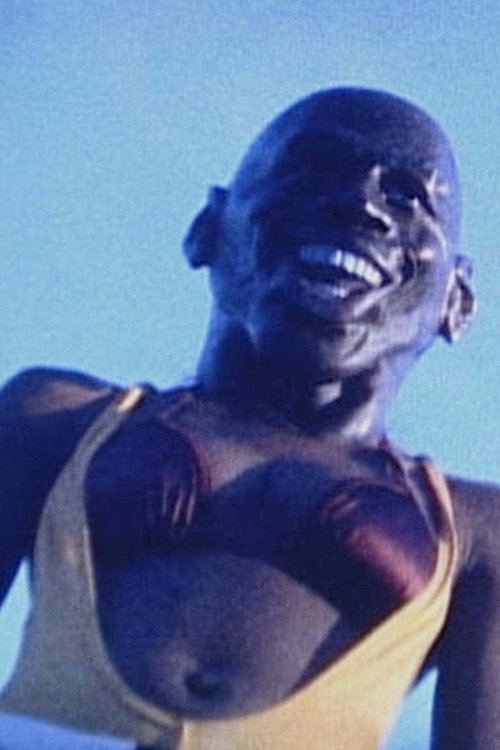
Michael Jordan learns how to swim.
Boyant
A unique exploration of fashion and hairstyles in the 1970s using found footage as the subject matter.