Directing
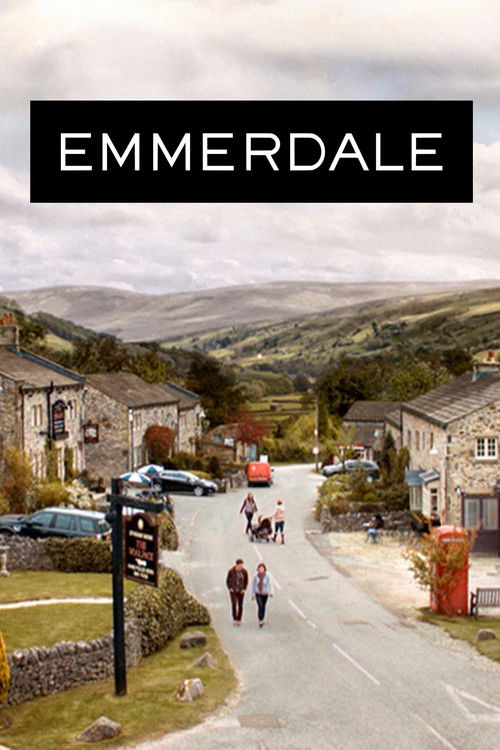
The lives of several families in the Yorkshire Dales revolve around a farm and the nearby village. With murders, affairs, lies, deceit, laughter and tears, it's all there in the village.
Drama series about the staff and patients at Holby City Hospital's emergency department, charting the ups and downs in their personal and professional lives.
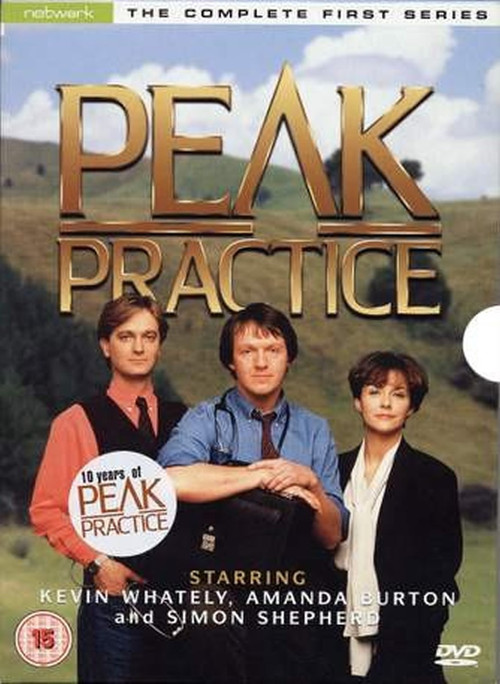
Peak Practice is a British drama series about a GP surgery in Cardale — a small fictional town in the Derbyshire Peak District — and the doctors who worked there. It ran on ITV from 10 May 1993 to 30 January 2002 and was one of their most successful series at the time. It originally starred Kevin Whately as Dr Jack Kerruish, Amanda Burton as Dr Beth Glover and Simon Shepherd as Dr Will Preston, though the roster of doctors would change many times over the course of the series. Cardale was based on the Staffordshire village of Longnor for the final series, but was previously based in the Derbyshire village of Crich, although certain scenes were filmed at other nearby Derbyshire towns and villages, most notably Matlock, Belper and Ashover.
Sherlock Holmes uses his abilities to take on cases by private clients and those that the Scotland Yard are unable to solve, along with his friend Dr. Watson.
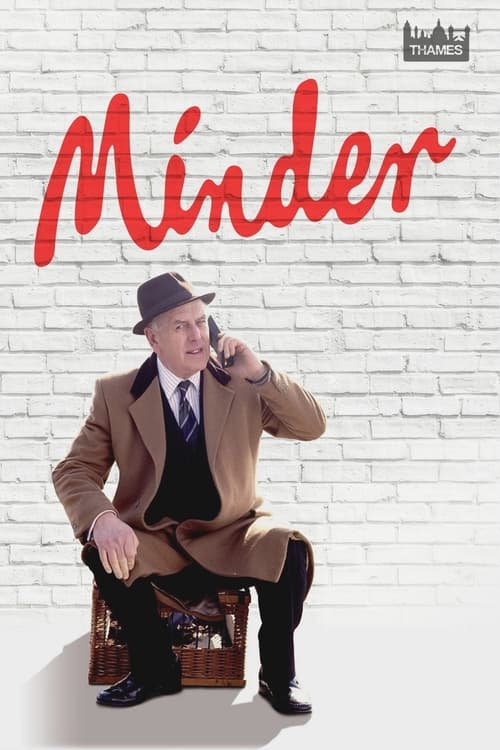
Roguish comedy drama following the misadventures of small-time crook Arthur Daley.
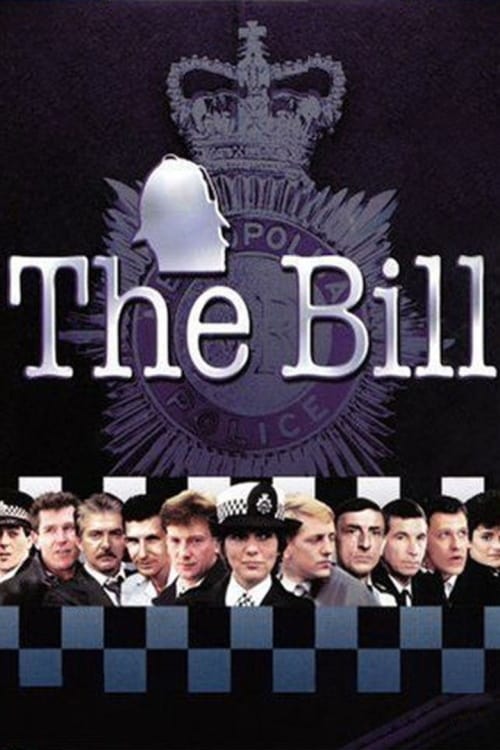
The daily lives of the men and women at Sun Hill Police Station as they fight crime on the streets of London. From bomb threats to armed robbery and drug raids to the routine demands of policing this ground-breaking series focuses as much on crime as it does on the personal lives of its characters.
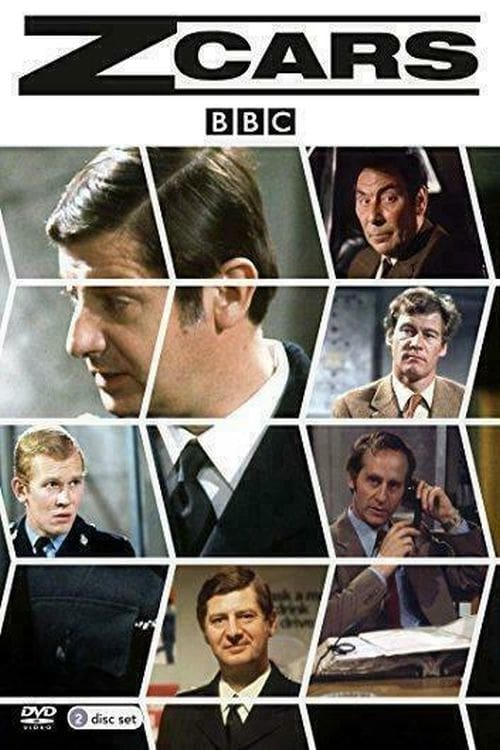
Z-Cars or Z Cars is a British television drama series centred on the work of mobile uniformed police in the fictional town of Newtown, based on Kirkby, Merseyside. Produced by the BBC, it debuted in January 1962 and ran until September 1978.
An anthology of short plays shown on BBC Television between 1965 and 1973, used in part at least as a training ground for new writers, on account of its short length, and which therefore attracted many writers who later became well known.
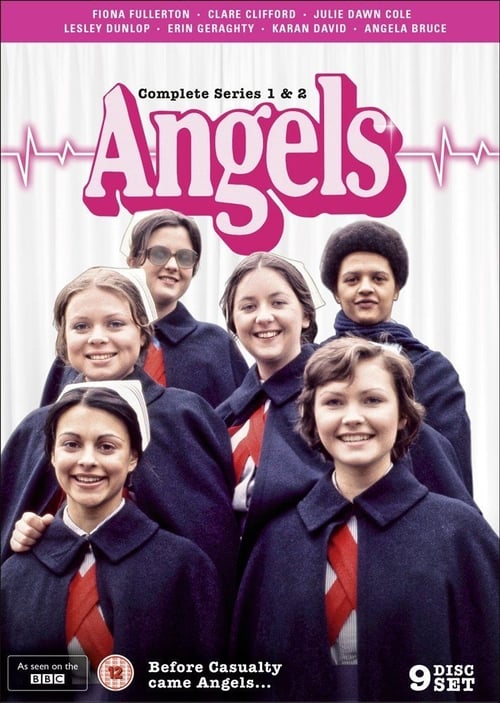
Angels is a BBC medical soap-opera which launched on 1st September 1975 and was the blue print for such medical soaps as Casualty, Holby City, plus daytime soap, Doctors. The medical soap focuses on different departments within Heath Green Hospital and was a highly successful continuing drama.
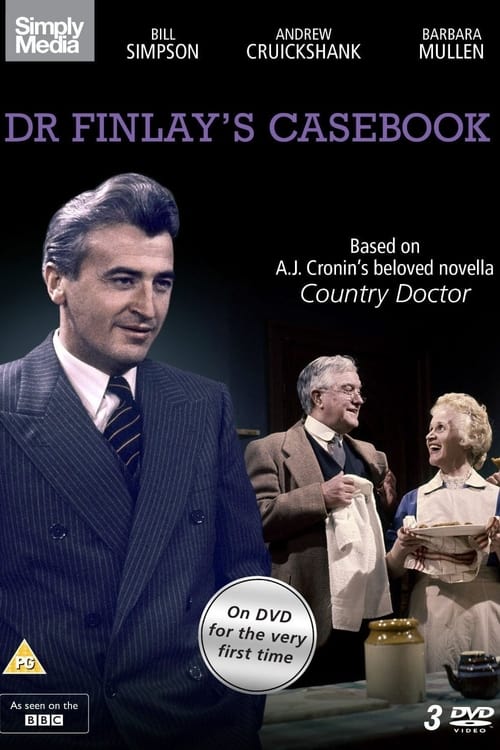
Dr Finlay's Casebook is a BBC television series that was broadcast from 1962 until 1971. Based on A. J. Cronin's novella Country Doctor, the storylines centred on a general medical practice in the fictional Scottish town of Tannochbrae during the late 1920s.
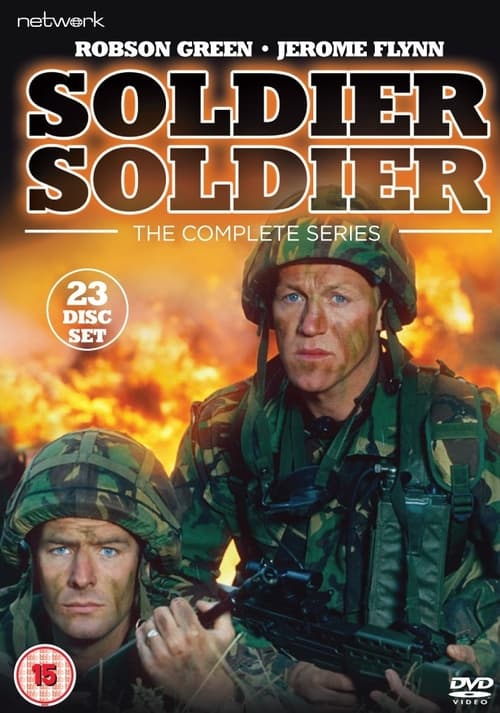
The daily lives of a group of soldiers in 'B' Company, 1st Battalion The King's Fusiliers.
Boon is a British television drama and modern-day western series starring Michael Elphick, David Daker, and later Neil Morrissey. It was created by Jim Hill and Bill Stair and filmed by Central Television for ITV. It revolved around the life of a modern-day Lone Ranger and ex-firefighter, Ken Boon.
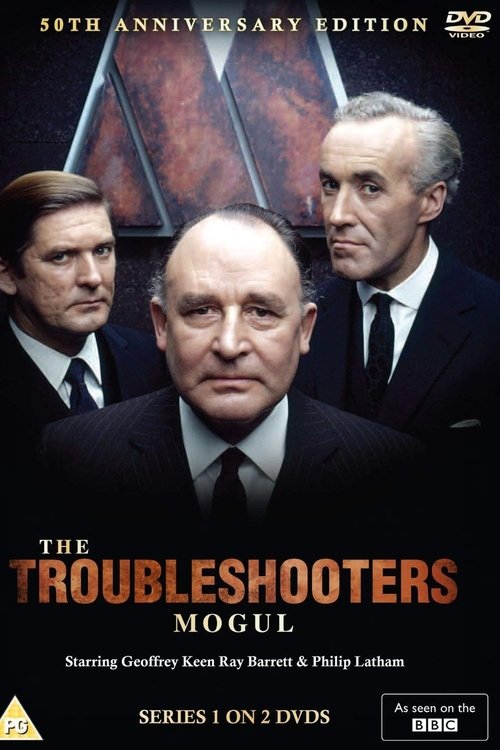
The Troubleshooters is a British television series made by the BBC between 1965 and 1972, created by John Elliot. During its run, the series made the transition from black and white to colour transmissions. The series was based around an international oil company – the "Mogul" of the title. The first series was mostly concerned with the internal politics within the Mogul organisation, with episodes revolving around industrial espionage, internal fraud and negligence almost leading to an accident on a North Sea oil rig.
Two sisters who set up a London fashion house for society of the early 1920s.
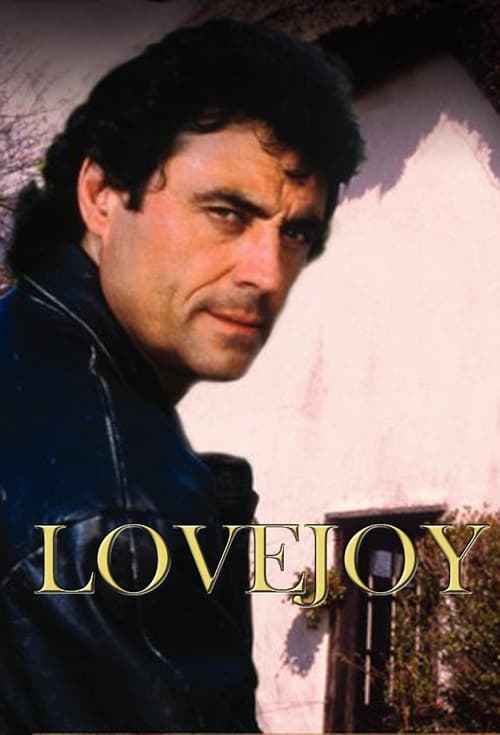
The adventures of the eponymous Lovejoy, a likeable but roguish antiques dealer based in East Anglia. Within the trade, he has a reputation as a “divvie”, a person with an almost supernatural powers for recognising exceptional items as well as distinguishing genuine antique from clever fakes or forgeries.
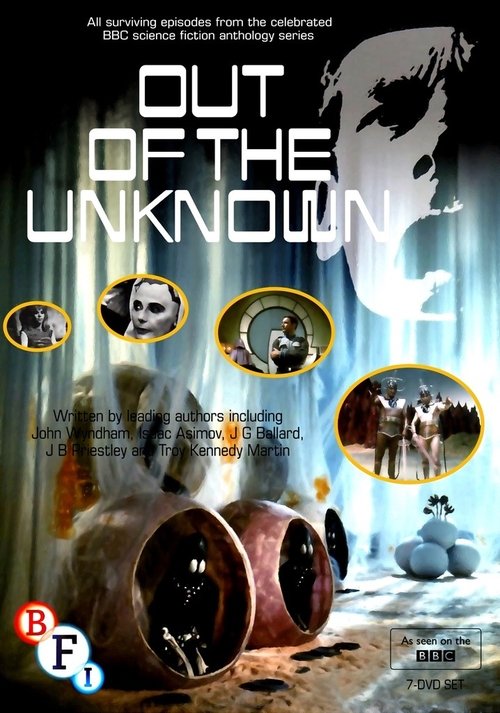
Out of the Unknown is a British television science fiction anthology drama series, produced by the BBC and broadcast on BBC2 in four series between 1965 and 1971. Each episode was a dramatisation of a science fiction short story; some were created for the series, but most were adaptations of already published stories. The first three years were exclusively science fiction, but that genre was abandoned in the final year in favour of horror and fantasy. A number of episodes were wiped during the early 1970s, as was standard procedure at the time.
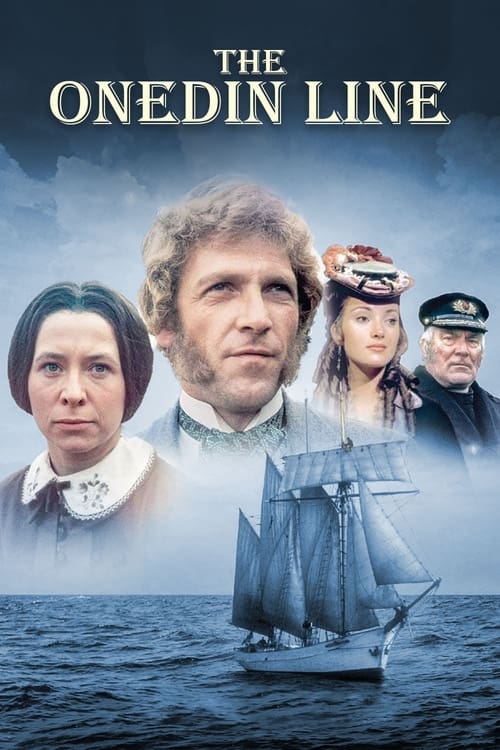
The Onedin Line is a BBC television drama series which ran from 1971 to 1980. The series was created by Cyril Abraham. The series is set in Liverpool from 1860 to 1886 and deals with the rise of a shipping line, the Onedin Line, named after its owner James Onedin. Around this central theme are the lives of his family, most notably his brother and partner, shop owner Robert, and his sister Elizabeth, giving insight into the lifestyle and customs at the time, not only at sea, but also ashore. The series also illustrates some of the changes in business and shipping, such as from wooden to steel ships and from sailing ships to steam ships. It shows the role that ships played in affairs like international politics, uprisings and the slave trade.
Anthology series of half hour plays produced in BBC's Television Centre's studios.
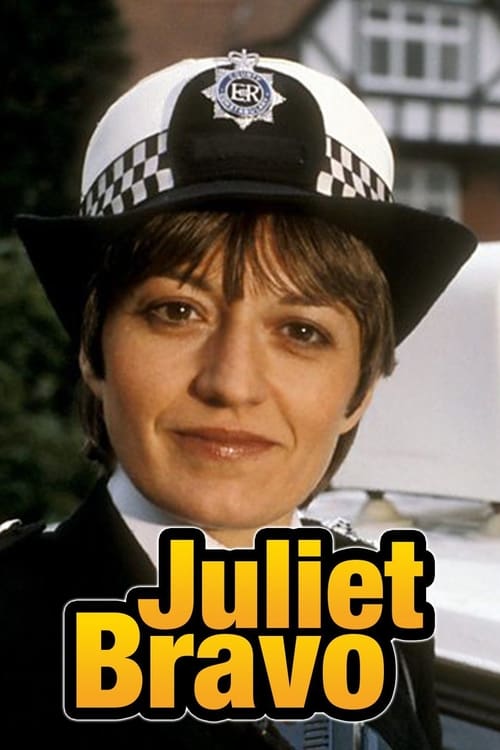
Juliet Bravo was a drama that focused on two female police inspectors, neither of whom were called Juliet Bravo! These two inspectors worked in the small fictional town of Hartley, Lancashire. Jean Darblay was on the scene first and had trouble with her sexist colleagues. However she soon managed to gain their trust and prove a woman could be a successful police officer and housewife. Jean's call sign was Juliet Bravo. When she was promoted and moved on she was replaced by Kate Longton who not only took over the patch but also the headaches that went with it.
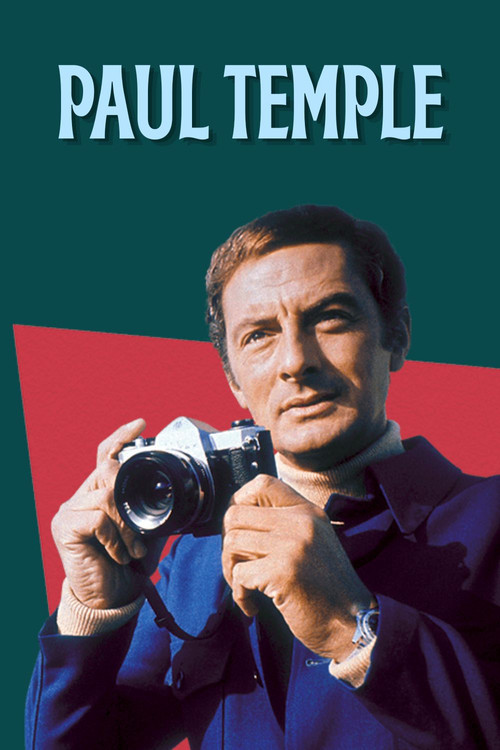
Paul Temple is a British-German television series . It features Francis Matthews as Paul Temple, the fictional detective created by Francis Durbridge, who solves crimes with the assistance of his wife Steve. Paul Temple used overseas locations in France, Malta, Germany and elsewhere.