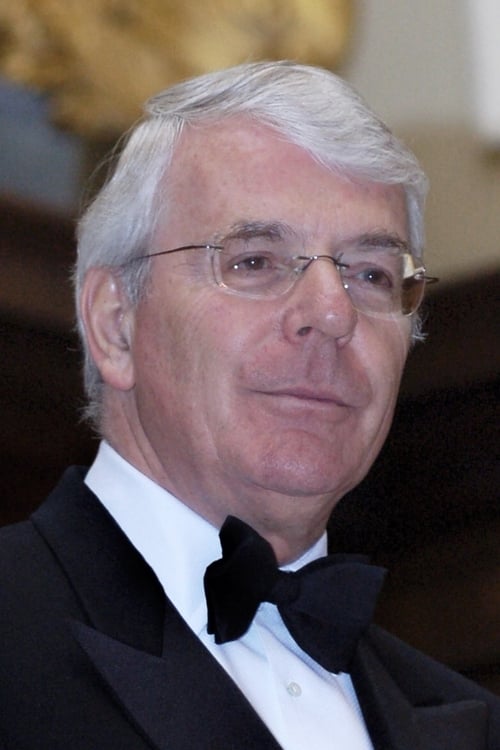
John Major
Acting
Known For

Current affairs programme, featuring interviews and investigative reports on a wide variety of subjects.
Panorama
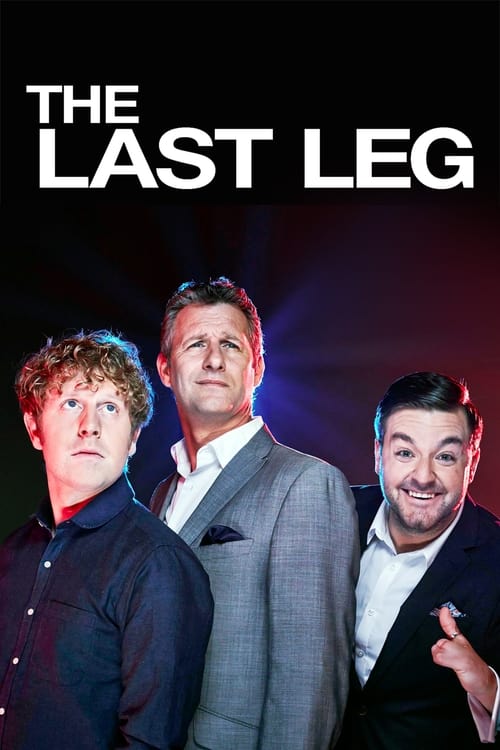
Adam Hills and co-hosts Josh Widdicombe and Alex Brooker provide some offbeat commentary on the significant moments of the past seven days.
The Last Leg
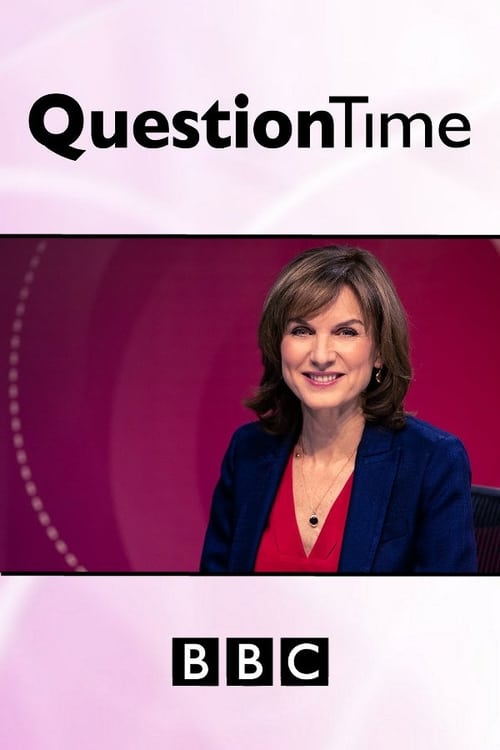
This topical debate series based on Any Questions? typically features politicians from at least the three major political parties as well as other public figures who answer pre-selected questions put to them by a carefully selected audience.
Question Time

World in Action was Granada Television’s flagship ITV current affairs series, running from 7 Jan 1963 to 7 Dec 1998, and built a reputation for film-led investigative reporting and a forceful editorial stance. Its journalism produced major public and political repercussions—including investigations associated with miscarriages of justice such as the Birmingham Six—and it also served as a platform for landmark documentary projects, including the first broadcast of “Seven Up!” as part of the strand in 1964.
World in Action
In-depth interviews with hard-hitting questions and sensitive topics being covered as famous personalities from all walks of life talk about the highs and lows in their lives.
HARDtalk
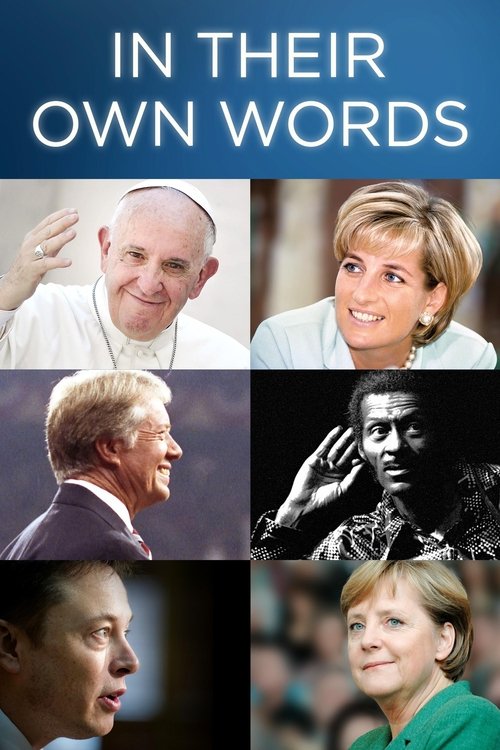
Documenting the lives the most pivotal voices of the 20th century
In Their Own Words
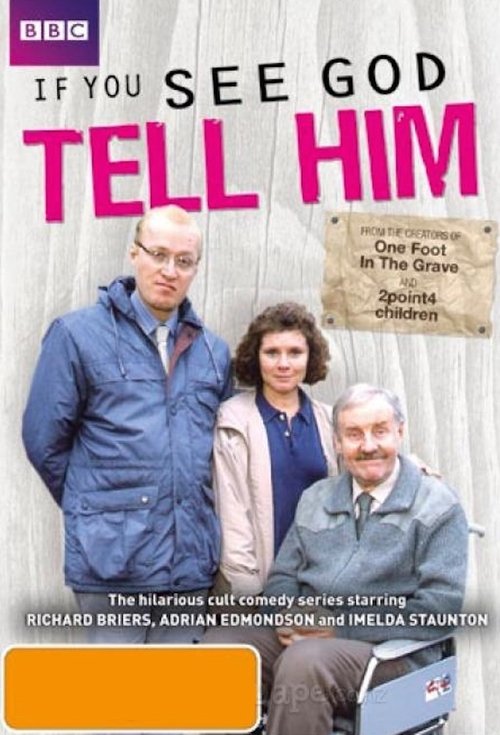
Following a freak accident, Godfrey Spry develops a 30-second attention span, causing him to take ad slogans literally and leading to chaotic behaviour.
If You See God, Tell Him
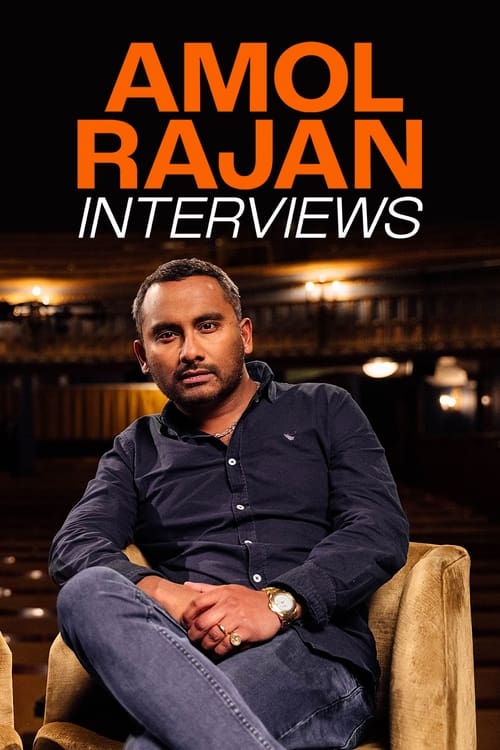
Amol Rajan interviews era-defining pioneers, game-changers, leaders and maverick thinkers. Get inside the minds of the people who shape our world.
Amol Rajan Interviews
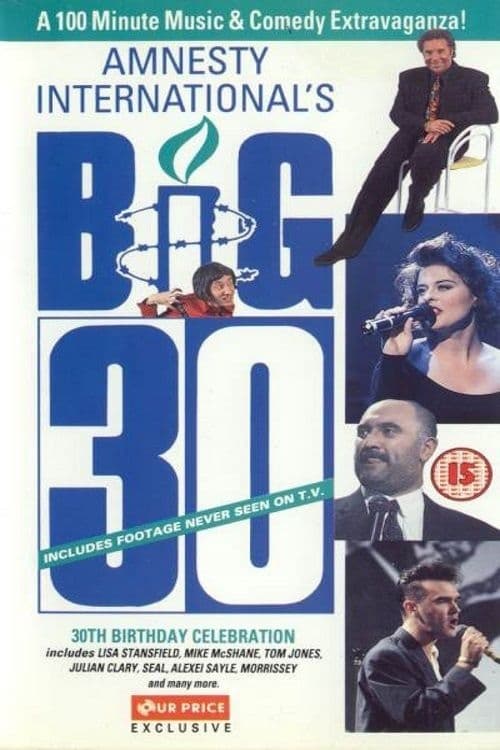
In the tradition of the acclaimed series of British concerts known as The Secret Policemen's Ball, Amnesty International celebrates its 50th Anniversary live at Radio City Music Hall.
Amnesty International's Big 30
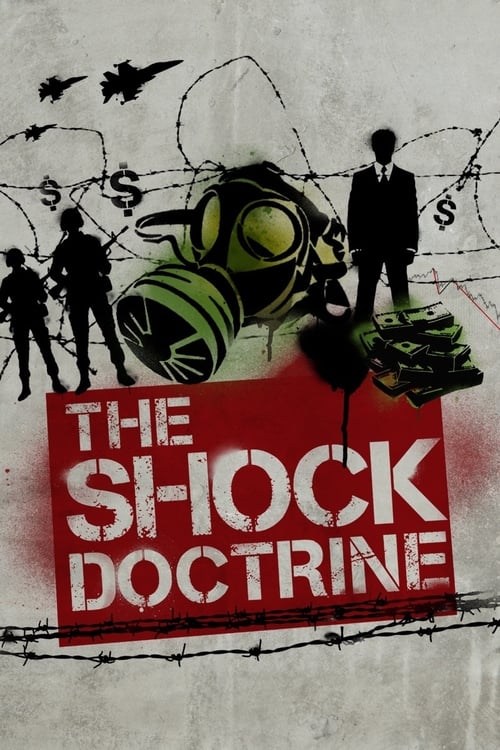
An investigation of "disaster capitalism", based on Naomi Klein's proposition that neo-liberal capitalism feeds on natural disasters, war and terror to establish its dominance.
The Shock Doctrine
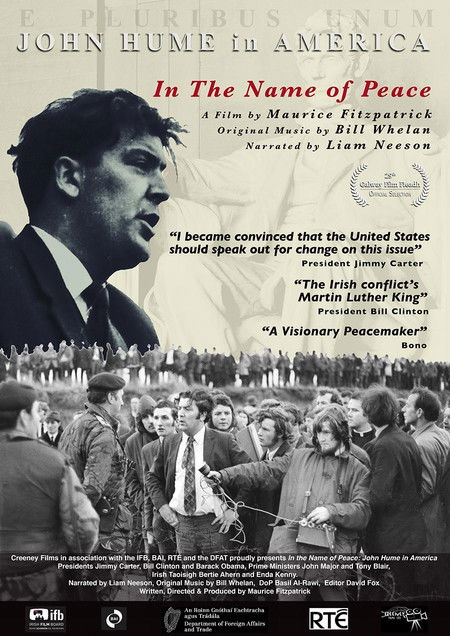
John Hume saw that by harnessing the political influence of the Irish American diaspora in Washington, it was possible to overcome the legacy of conflict and achieve peace. Exploring the decades-long campaign by the Nobel Prize winner, filmmaker Maurice Fitzpatrick reveals how Hume - inspired by Martin Luther King - became the moral architect for peace in Northern Ireland. In the Name of Peace: John Hume in America is a compelling feature documentary, narrated by Liam Neeson, with dramatic footage and stirring interviews with Presidents Clinton and Carter, US senators and congressmen, and Irish and British leaders. Reminding us of the redemptive powers of politics to overcome division. It is a timely story that profiles creative leadership, international cooperation and the U.S. contribution to peace and stability on the island of Ireland.
In the Name of Peace: John Hume in America
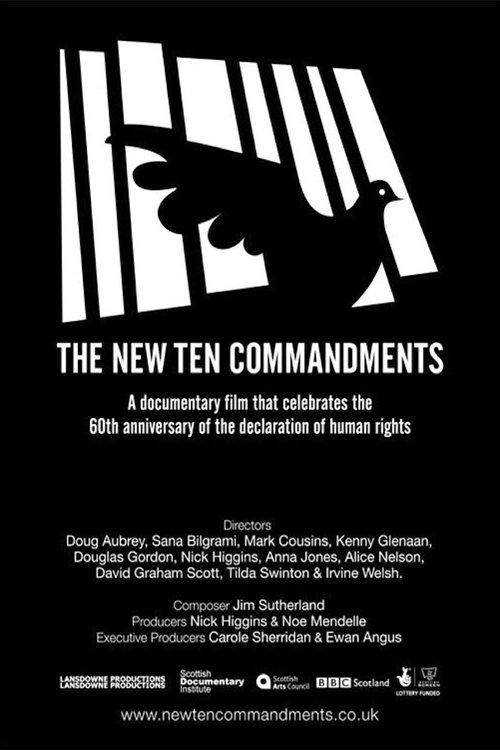
The film was produced by Nick Higgins from Lansdowne Productions and Noémie Mendelle from the Scottish Documentary Institute and has 10 film-chapter directors for each of the 10 chapters of the film. The film's unifying theme is human rights in Scotland with each chapter illustrating one of the "New Ten Commandments" - 10 articles chosen from the Universal Declaration of Human Rights. The 10 film chapters of The New Ten Commandments 1. The Right to Freedom of Assembly - Dir, David Graham Scott 2. The Right not to be enslaved - Dir, Nick Higgins 3. The Right to a fair trial - Dir, Sana Bilgrami 4. The Right to freedom of expression - Dir, Doug Aubrey 5. The Right to life - Dir, Kenny Glenaan 6. The Right to liberty - Dir, Irvine Welsh & Mark Cousins 7. The Right not to be tortured - Dir, Douglas Gordon 8. The Right to asylum - Dir, Anna Jones 9. The Right to privacy - Dir, Alice Nelson 10. The Right to freedom of thought - Dir, Mark Cousins & Tilda Swinton.
The New Ten Commandments
HM Queen Elizabeth II filmed across one year to mark her 80th birthday. Exclusive and private access including scenes at Buckingham Palace, Windsor Castle and the Palace of Holyroodhouse as well as royal tours of Canada and Malta. Private archive from the Queen's private collection and interviews incudling Tony Blair, Nelson Mandela and Nancy Reagan.
The Queen at 80

With Britain's first-ever political leaders' television debate imminent, award-winning reporter Michael Cockerell uncovers what it's like to take part in these contests and how leaders try to win them. He tells the inside story of why it has taken so long for such debates to arrive in the UK. The programme features candid interviews with US Presidents and their advisers on the tricks of the debate trade. Blending new film and behind-the-scenes footage, some never seen before, it's a tragicomic tale of high politics and low cunning. From John F Kennedy and Richard Nixon through to Barack Obama, candidates are seen being prepared for their debates, then in the sometimes funny, sometimes disastrous results on live television. Cockerell shows why for our would-be next Prime Ministers - Gordon Brown, David Cameron and Nick Clegg - the three debate stages across Britain will be what one former US President calls 'Tension City'.
How to Win the TV Debate
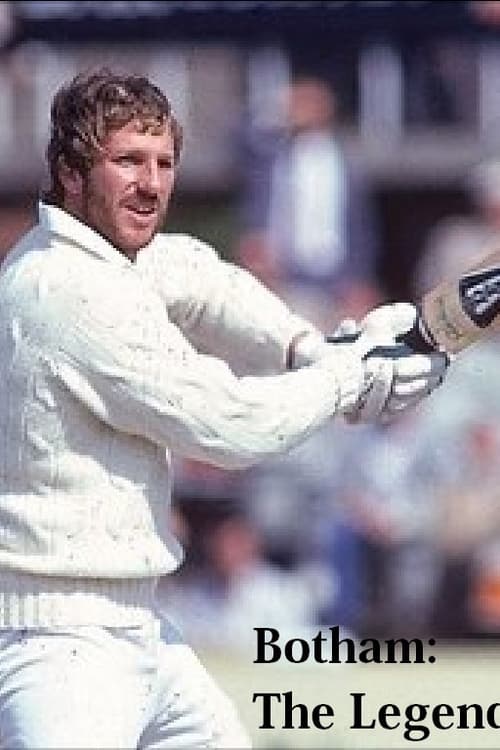
The story of cricketer Ian Botham's stunning comeback performance against Australia in the summer of 1981 during the Ashes Test Series.
Botham: The Legend of '81

A revealing one-off documentary that provides an inside view of how Tony Blair and former prime ministers - including Harold Wilson, Margaret Thatcher and John Major - have run their cabinet, the highest decision-making body in the land. Through candid interviews, rare archive footage and filming inside No 10, presenter Michael Cockerell opens the door to the Government's own chamber of secrets as he seeks the answer to the question: is the notion of cabinet government an obsolete concept?
Cabinet Confidential
It begins with cheers but almost always ends in tears. Yet, as the election looms, competition for the top job grows ever more intense. Why? The hours are terrible, money so-so, job security non-existent. On the plus side, there's free accommodation in central London and probably more power over your country than any other leader in the western world. With the help of the present and previous incumbents, Michael Cockerell offers the first "how to" guide to the job of prime minister.
How to Be Prime Minister
Last December's "Cheriegate" affair did little to abate the rampant public cynicism reserved for politicians - a mistrust evidenced in the turnout at the 2001 general election, which was the lowest for more than 80 years. In this documentary, Michael Cockerell talks to figures including Edwina Currie, Max Clifford, Geoffrey Robinson and Neil Hamilton in an effort to see if spin, sleaze and ministerial failure is to blame, or whether the media's sneering political coverage is most at fault.
Trust Me - I'm a Politician
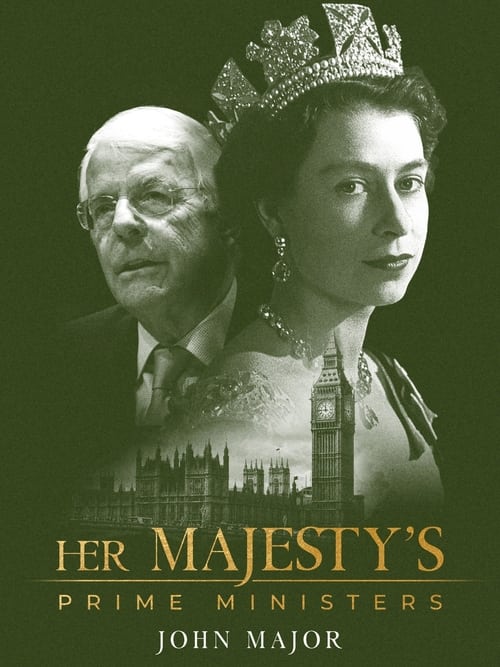
As a school dropout, the teenage John Major could simply never have dreamt that he would one day become a powerful political leader and get elected as Britain's Prime Minister. Major became Her Majesty's ninth Prime Minister.
Her Majesty's Prime Ministers: John Major
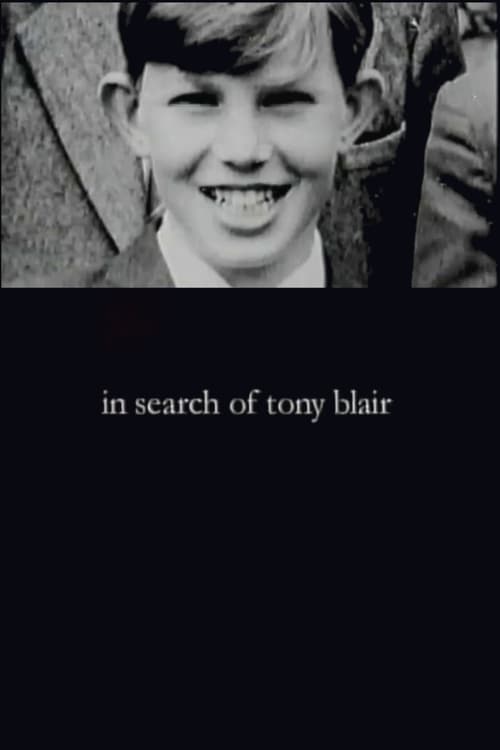
Ten years after he stepped to power as Labour leader, Tony Blair remains a national enigma. His persona as a fresh-faced idealist and man of the people has been shattered, most significantly by the war on Iraq. Now many are struggling to understand what remains behind the faltering smile.