Acting
Marina Kapov is a cleaner at a Zagreb police station and a single mother of three. Although she hides her exceptionally high IQ of 160, her talent becomes impossible to ignore after she accidentally solves a complex case that seasoned detectives failed to crack. Recognizing her abilities, the police hire her as a consultant, pairing her with inspector Tomislav Ramljak, a strict, rule‑bound investigator. Their contrasting personalities gradually turn into a strength as they work together to solve challenging crimes.
A widower from Split arrives in Zagreb for a medical checkup and disrupts his son’s family everyday.
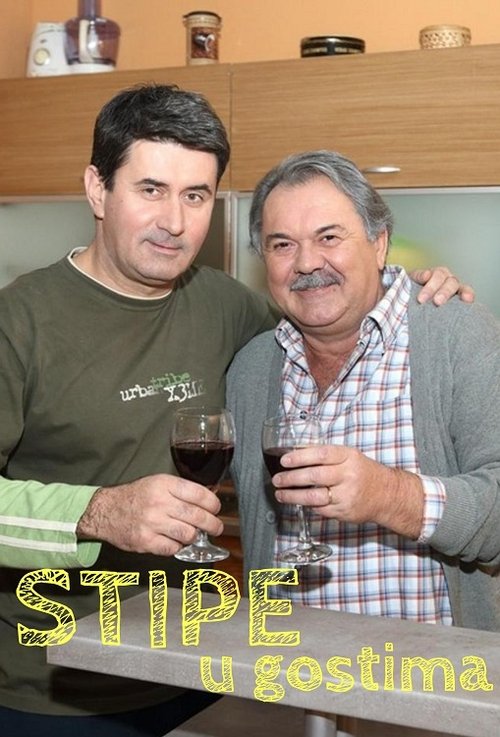
Two teams of famous celebrities compete in many different knowledge games about Croatia.
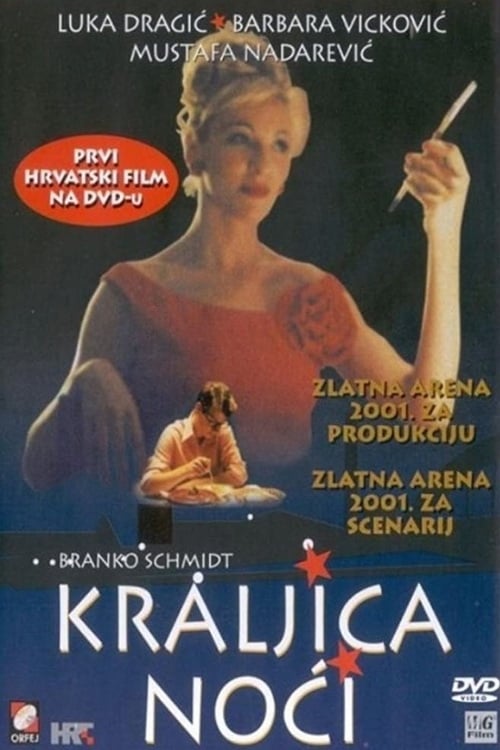
Osijek, Socialist Croatia, 1968. Seventeen-year-old Tomo is the greatest hope the town of Osijek has for winning the Junior Cup of Yugoslavia. Even president Josip Broz Tito himself is expected to come to Osijek to announce the start of the event. Nevertheless, Tomo is more interested in girls than in rowing, especially the beautiful prostitute Betika and a girl from his neighborhood named Jasna. However, his sexual desires are unable to be fullfilled due to undiagnosed impotency, which becomes so severe that he ends up in the hospital. Pressured by local politicians to compete in the Junior Cup to get his father out of prison, he decides to take the risk, despite knowing what trouble it poses.
While expecting their child, a student couple announce to their parents that they will marry. Both sets of parents are against it, but when the proposal takes place, the things take unexpected turn.
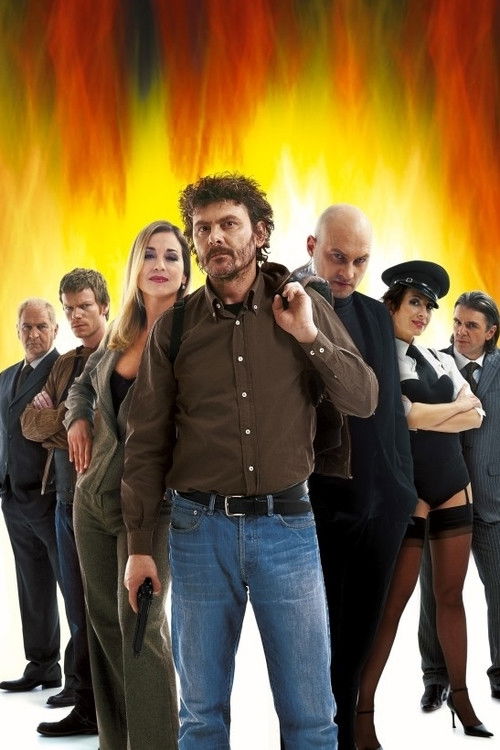
Based on the novels "Bijela jutra" (White Mornings) and "Marševski korak" (March Step) by Robert Naprta, who is also the writer of TV Series "Balkan Inc.". led by All Star Cast. The main character is a cop who browses trough the streets and city's underground where he finds himself in a series of unsolved murders, drugs, smugglers, corrupt government officials, sex, hookers and blackmail. His Name is Marko Prilika - called Cens (Chance). Even though he's a cop, he's no stranger in a world of cocaine use and hookers.
It is the mid 17th century. The Jesuits spread their influence in Central Europe. Maria, a young Countess lives in the castle. Father Had is a honest and ardent servant of the Society of Jesus. He is dedicated to his life's mission, and as such he is an ideal tool in the hands of his superiors, who have their own plans. Had becomes Maria's confessor. Her woman's charm, intelligence and energy, as well as her beauty, are a constant temptation to him. Jesuits are making pressure on Had to finally realize their plans. Will the Jesuits, at last, achieve their goals and take the castle?
Two old fisherman manage to invite two young tourists on a boat trip. Even though they don't understand each other, they set out on their dream adventure.
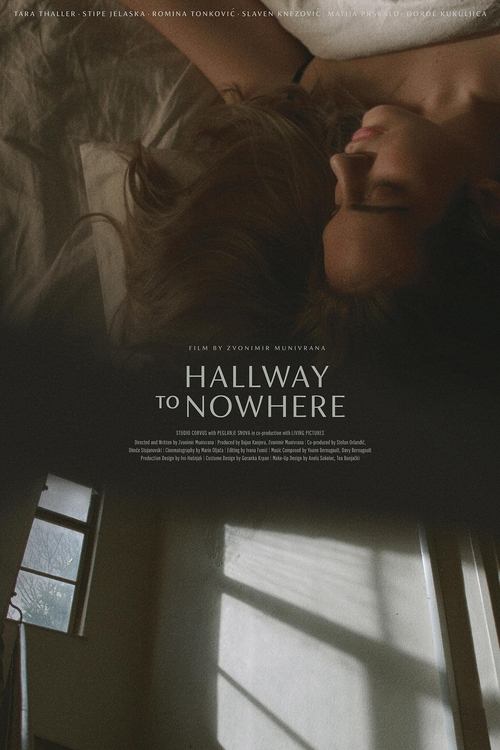
Franka turned twenty and moves out from her parents’ home due to feuds with her domineering fa-ther. She goes to the apartment inherited from her grandmother, where she runs into illegal occupant and law student Ante. Instead of throwing him out, Franka lets Ante stay for a few days. What starts as a romance, soon turns to a nightmare that, coupled with a newly struck friendship with a troubled co-worker Stela not only tests Franka’s character, but also helps her to realise what she wants out of life.
Swan is a lonely Serbian refugee in Belgrade. He hopes for a visa to follow his long-lost fiancée to Chicago, but winds up at the Happy Millennium dating agency. A warm romantic comedy with a twist.
Spanning decades, the film follows lovers Lovro and Nenad and their friends Stevan and Ivan, a group of gay partisans who fought against the Ustashas and Nazis. Sixteen years later, they became renowned filmmakers navigating life in post-WWII Communist Yugoslavia. As they rise to fame, they are forced to create propaganda for the regime, risking everything to protect their identities and each other. In 1957 their sexual orientation raises suspicion, and a communist party loyalist named Emir is assigned to sabotage their careers and lives, a party loyalist hiding his own secrets, whose loyalties begin to falter. The pursuit of freedom becomes a fight for survival for the artists, while Emir's beliefs are challenged. Lush, intimate, and politically charged (and with startling parallels to our current political climate), Beautiful Evening, Beautiful Day is a poignant story of resistance — against oppression, against silence, and for the freedom to live and love without fear.
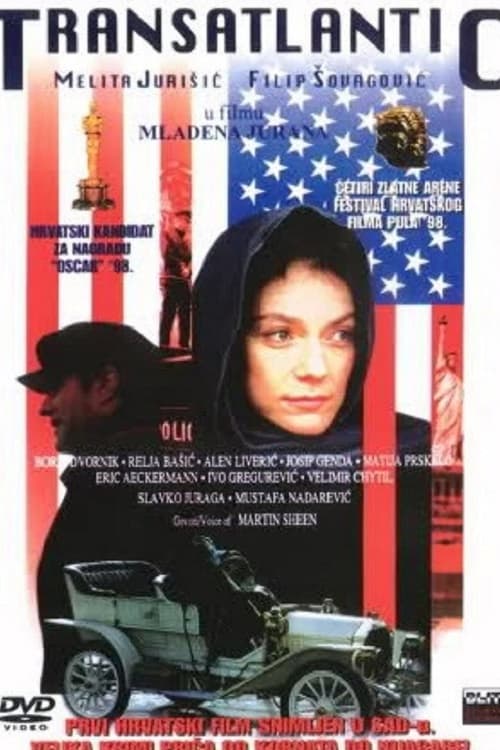
The Croatian coast, 1914. Europe is in shambles and fear of the brewing military conflict of The Great War is slowly eating away at all facets of society. Fearing mobilization that had already cost the lives of many of his friends and aquaintances, a young man decides to flee to the United States and join many of his fellow townspeople in a recently established worker's colony in New York. However, upon arrival, he realizes that the only way to survive is for him to get involved with organized crime.
The extended version of the eponymous film served as a TV mini-series. The plot is centered in the city of Karlovac in 1992, during the Croatian War of Independence. The front lines, where Croatian and Serbian forces fight each other, lie near the city. Meanwhile, in the city of Karlovac, a Serbian civilian Vasić is murdered. The story follows the local police officer Barbir (Dražen Kühn), who tries to solve the murder in spite of ethnic hatred and war revolving nearby.
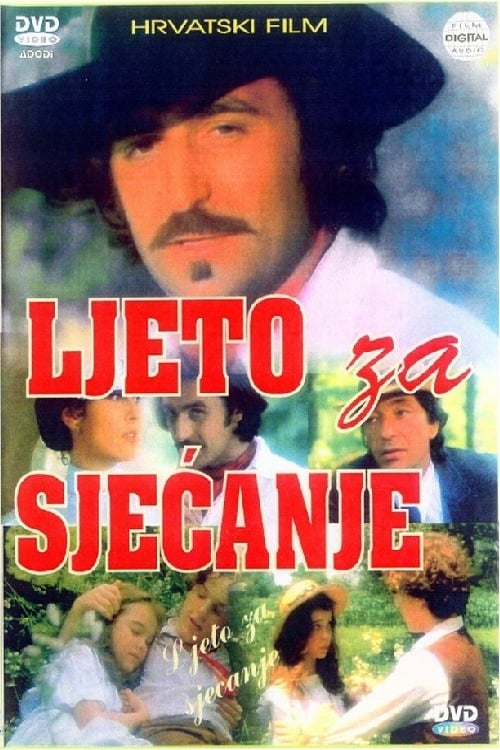
Zagreb, Yugoslavia in 1890. A group of high-school students run away on an adventure that ends in scandal. The ringleader, Gusta, is expelled from school and sent to stay with his uncle in rural Turopolje. Here, a totally new world opens up to him, where the internal tragedies of the people are played out against the castle of Brezovica and a small town of wooden-framed houses. People end up in this idyllic exile because of some previous "sin" and try then to make the best of their lives there. But memories of the outside world impinge on their happiness.
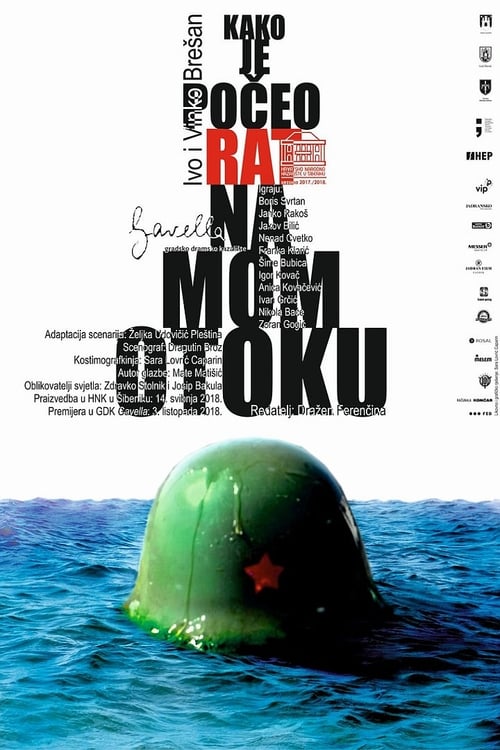
On a small island in the Adriatic, tensions rise between the local population and the forces of the Yugoslav People's Army. The locals try to fight the enemy with song, dance, music and motivational speeches, but, major Aleksa, the head of the batallion situated on the island, threatens to blow their barracks up with everyone inside them if the civilians don't retreat.
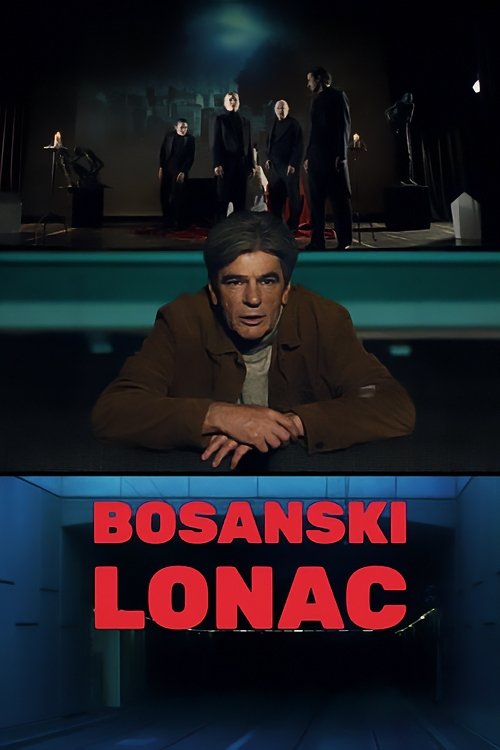
Faruk Sego, a failed Bosnian writer facing deportation from Austria, must prove that he has made a cultural contribution to Austrian society. His last chance is an off-theatre troupe that can stage a play he wrote as a young man. Faruk's reluctant return to the theatre will force him to realise what is truly important in life.
Homesick and desperate to provide proper financial care for his wife, Croatian migrant worker Cinco, decides to fake his death, and asks his best friend Marinko to steal the hearse he'll be transported in and drive it from Germany to Croatia. However, not everyone is fully aware of the true ramifications of Cinco's plan and the two are targeted by the German mafia, Serbian spies and, upon their return to their homeland, violent separatist paramilitary groups and superstitious locals.
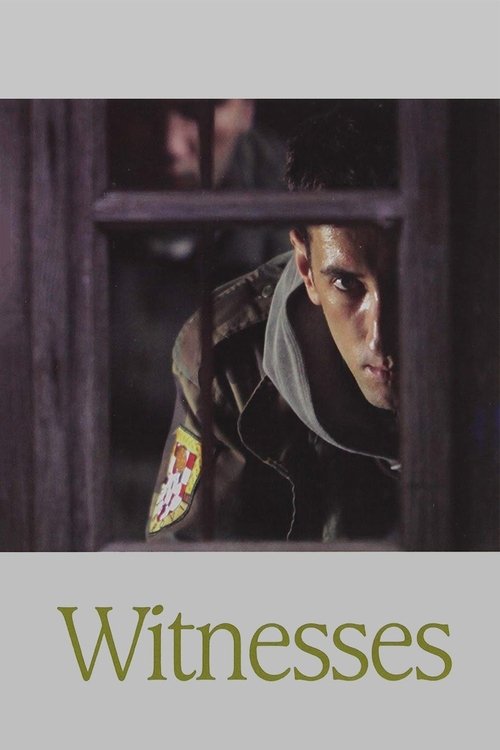
Set amid the atrocities of war in the Balkans, Witnesses is retold, Rashomon-style, from various characters' viewpoints, adding new information about the complexity of war and humanity. Beginning inside a rustic house with a woman in black (Mirjana Karanovic) standing beside her husband's coffin, Witnesses interweaves the stories of a small town confronting ethnic hatred and deep moral ambiguities.
Biopic of Augustin Kazotic (1260-1323), a Croatian humanist, a medieval Dominican friar, an orator and bishop of Zagreb. He was one of the first humanist figures to appear in southern Croatia.
The usual atmosphere of a standard literary evening turns into a harsh drama of the conscience of the protagonist who took part in the betrayal and liquidation of his father in the World War II, which ended not so long ago.