Acting
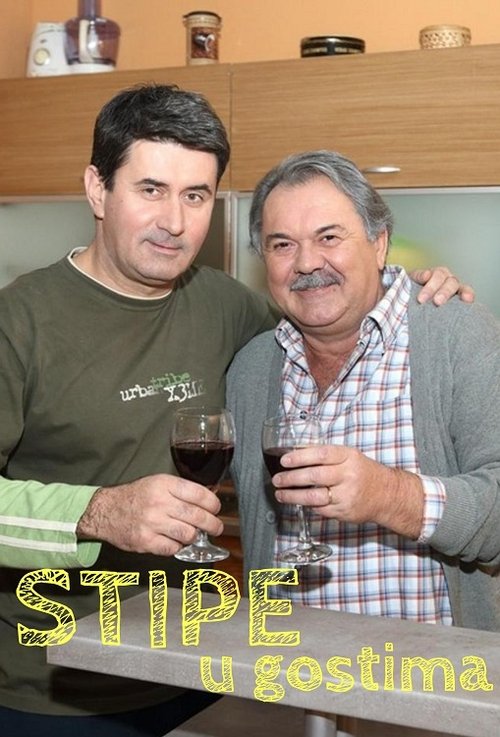
A widower from Split arrives in Zagreb for a medical checkup and disrupts his son’s family everyday.
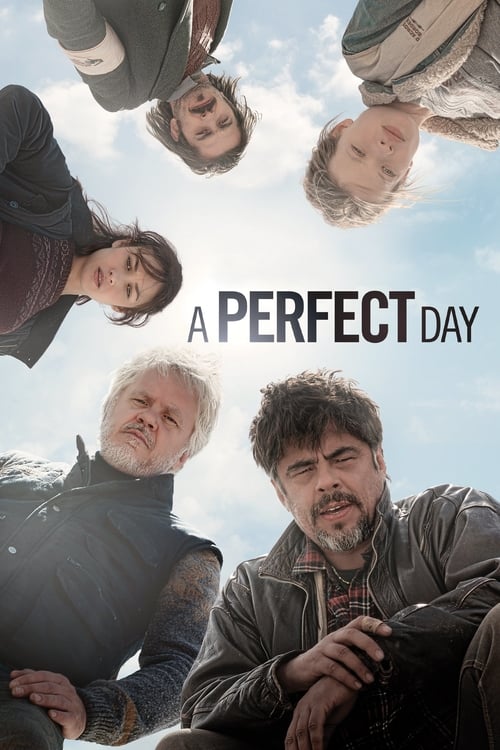
Somewhere in the Balkans, 1995. A team of aid workers must solve an apparently simple problem in an almost completely pacified territory that has been devastated by a cruel war, but some of the local inhabitants, the retreating combatants, the UN forces, many cows and an absurd bureaucracy will not cease to put obstacles in their way.
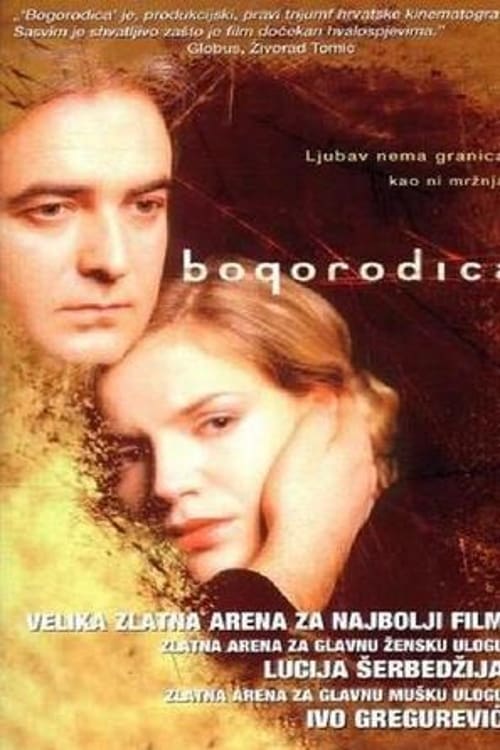
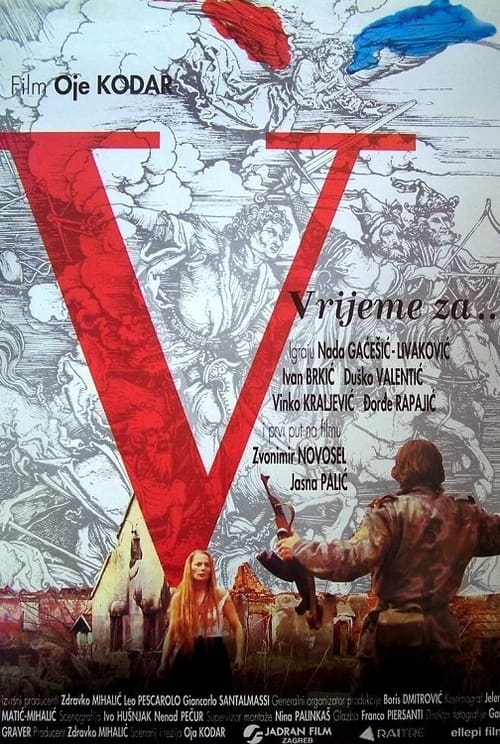
Vojvodina, 1991. A Croatian civilian POW named Ivan manages to escape a Serbian prison camp. Finding nowhere else to go, he spends the night on a seemingly wealthy plot of land. The next morning, he's discovered by its owner, a Serb named Stevan, who offers him two choices. Either Ivan stays and does Stevan's dirty work, or he surrenders him to Serbian paramilitary authorities. During his stay he meets Ana, Stevan's daughter-in-law, whose trapped in a loveless marriage with his violent son Dušan, whose currently situated on the frontlines somewhere in Croatia. Finding company in each other's sorrow, the two Croats slowly begin to fall in love.
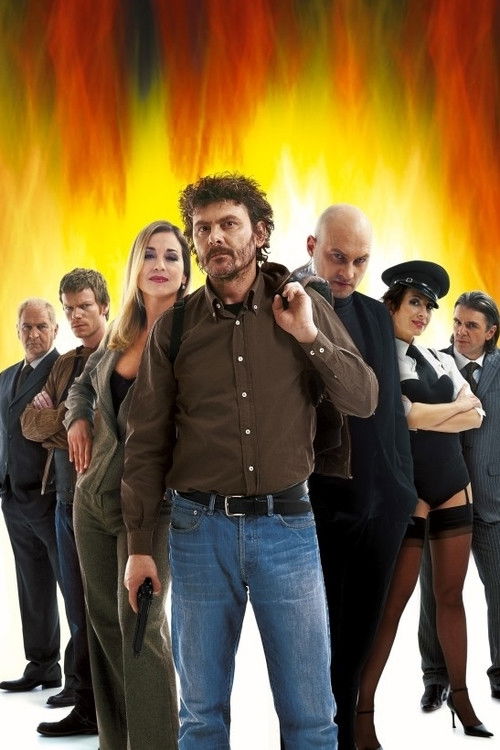
Based on the novels "Bijela jutra" (White Mornings) and "Marševski korak" (March Step) by Robert Naprta, who is also the writer of TV Series "Balkan Inc.". led by All Star Cast. The main character is a cop who browses trough the streets and city's underground where he finds himself in a series of unsolved murders, drugs, smugglers, corrupt government officials, sex, hookers and blackmail. His Name is Marko Prilika - called Cens (Chance). Even though he's a cop, he's no stranger in a world of cocaine use and hookers.
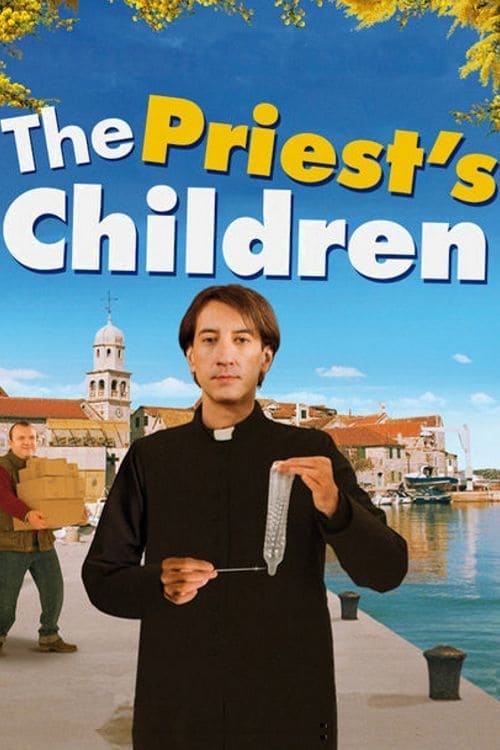
Don Fabijan is a young priest who comes to serve on an unnamed small island in the Adriatic. In order to help increase birth rate on the island, he decides to pierce condoms before they are sold. He therefore teams up with the newsagent Petar and the pharmacist Marin. After they abolish all forms of birth control on the entire island, the consequences become more and more complicated.
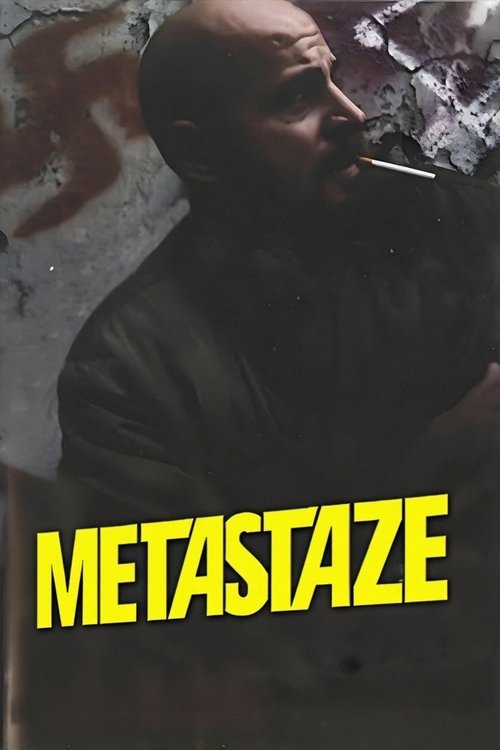
Eliciting images of cancer, this drama explores the illnesses that plague modern Croatia. Four young junkies in Zagreb maturing in the wake of war reflect the petty hatreds, violence, prejudices and mood hanging over the country like a disease that spreads with no cure in sight.
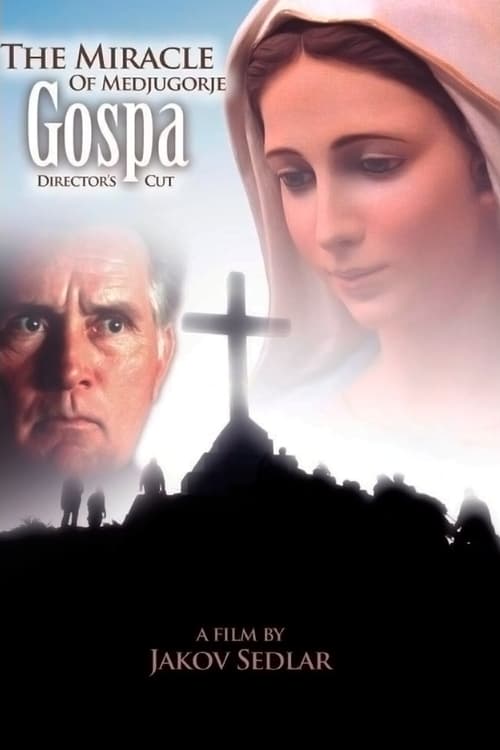
Socialist Bosnia, 1981. In the small town of Međugorje, a group of children tell the local priest, a Croat named Father Joza, that the Virgin Mary appeared before them. Ecstatic about the prospect of a miracle, he publicly announces that he believes in the apparition, putting a target on his back, with the communist authorities deciding to start their own investigation into the case.
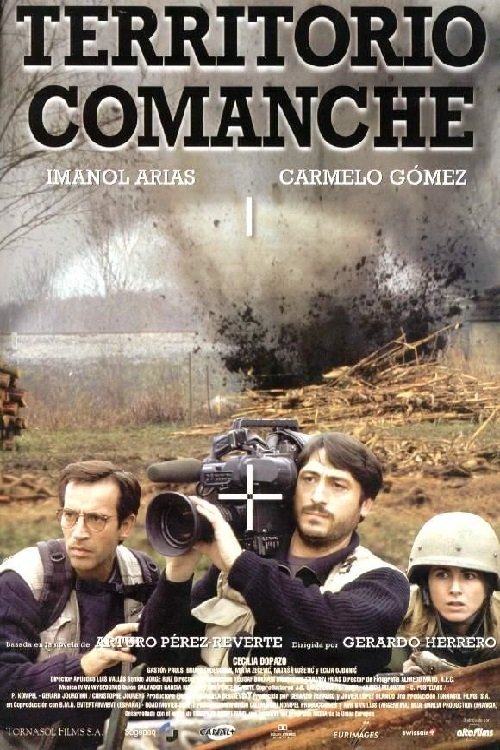
Spanish TV reporters covering the War in Bosnia. Based on true experience.
At the beginning of 1991, Yugoslav army did not acknowledge Croatian's independence, and still holding few military barracks in Croatia. Gajski travels to an island to get his son out of the army. Locals have besieged the barracks and organized a festival to try with singing and recitals to get major Aleksa and his soldiers to surrender, but Aleksa has explosives thru the barracks and wants to blow up the island.
A cruel world of the Yugoslavian prison during 1980s, based on real events about a man who gets life sentence for committed crime.
A panoramic view over society across ten unfortunate characters whose stories sometimes intertwine.
After being repeatedly denied her requests for a vacation by her sexist boss, a young woman finally explodes.
The adventures of a small town Croatian family during the 1960s. The decade will leave eternal marks on all of their members, but most of the story focuses on the youngest one, a boy, Frula, who discovers the love and fashion of the time.
In a small Croatian village in 1991, a carpenter Kuzma falls for much younger Ana. In spite of their surroundings' opposition towards their relationship, the couple marries and Ana gives birth to their son. Being also familiar with the statuary, he makes a sculpture of Madonna for the local church. A quiet life of the village is disturbed when the first clashes between Croats and Serbs arise.
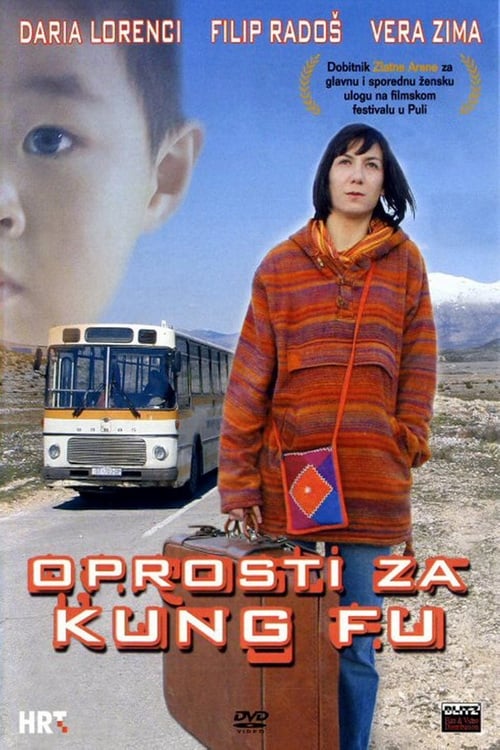
Mirjana is returning to Croatia from Germany where she spent some time as a refugee. She is pregnant. Now, when the war in Croatia is over and her visa expired, Mirjana is coming back to her family in a remote and devastated village. Her family is trying to move on with their lives after the war. They rebuild their house and they are trying to find a new husband for their pregnant daughter. Being patriarchal and devoted to their tradition they believe a woman needs to have a husband and a child has to have a father. Of course, the child and the father have to be of the same nationality. Problems start when Mirjana gives a birth to a boy with Asian features. The family and the neighbors are shocked. Mirjana¡¦s rigid father refuses to accept a grandchild of a different nationality, not to mention the one of a different race! Mirjana and her son are forced to leave. She returns only when her father falls seriously ill and requests to see his grandson before he dies.
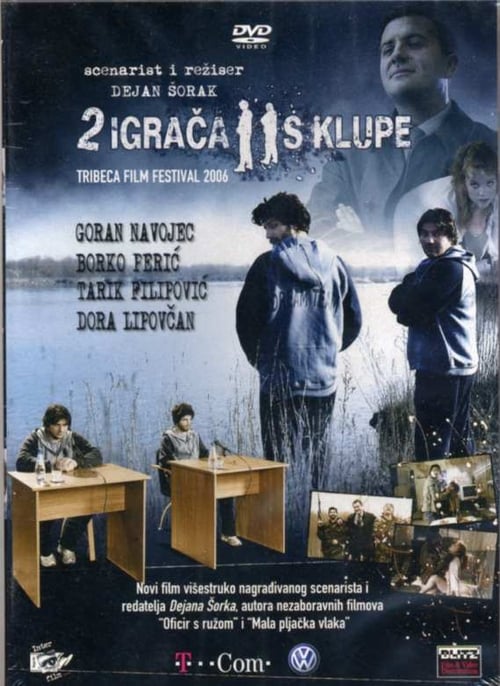
During the Yugoslav Wars in the 1990s, the Croat Ante and the Serb Duško fought on opposing sides. After the confilct had concluded, as many others before and after them, they moved on with their lives and found happyness in other places. Ante returned to his small village in the Dalmatian Hinterland and turned to alcoholism. Duško moved to Banja Luka and continued his life as a professional volleyball player, trying to be the best possible father for his young daughter Ingrid and get over the recent news of his wife's affair with his best man. Their routine is suddenly thwarted when a mysterious man in black named Antiša enters their lives and takes them away to an abanndoned warehouse near Zagreb, offering them a large sum of money under one simple condition: if they testify against a war criminal on an international tribunal.
20 years ago, Vesna moved her family to Zagreb, away from the events that almost destroyed their lives. However, an unexpected call will bring back the memory of a secret that she has been trying to hide all these years.
The seemingly pleasant life of Marija and her son Darko is broken when their village is attacked by the Serbian chetniks, forcing them to evacuate and look for new living and employment opportunites in the nearby city, with the former taking a job in the washroom of the local hospital and the latter, against his mother's wishes, deciding to join the Croatian Army. A few weeks later, Marija recieves the news of her son's passing and decides to head into no man's land to retrieve his remains and bury them in the village they both grew up in.
After Stipe Zvonarov returned from the Austro-Hungarian army to his Slavic village, he found his wife Mara and mother. Women rightly expect Stipe to accept rural jobs, but he can no longer accept the monotony and restrictions of rural life.
The story follows a group of Croatian refugees who have been forced to leave their hometown of Vukovar by Serbian forces during Croatia's struggle for independence. The people are settled at a railway station in a village near Vukovar, where they live in a train which is adapted to serve as a temporary accommodation.The situation grows dim as the date of their return proves to be uncertain, and the lives of the survivors and refugees becomes more and more complicated being burdened by PTSD and strong feelings of hope to return to their homestead.