John Raitt
Acting
Biography
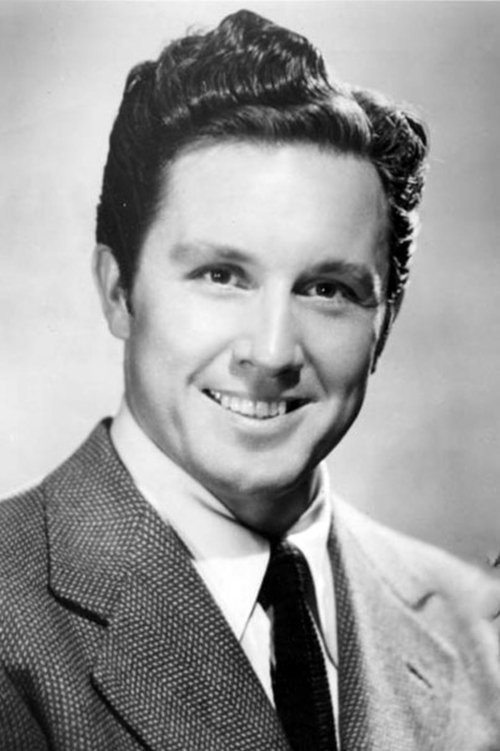
John Emmett Raitt (January 19, 1917 – February 20, 2005) was an American actor and singer best known for his performances in musical theater. Description above from the Wikipedia article John Raitt, licensed under CC-BY-SA, full list of contributors on Wikipedia
Known For

The Mike Douglas Show is an American daytime television talk show hosted by Mike Douglas that originally aired only in the Cleveland area during much of its first two years on the air. It then went into syndication in 1963 and remained on television until 1982. It was distributed by Westinghouse Broadcasting and for much of its run, originated from studios of two of the company's TV stations in Cleveland and Philadelphia.
The Mike Douglas Show

No description available.
The Merv Griffin Show

The high commander of an alien expedition lands on Earth -- what he considers to be the least-important planet -- in human form as Dick Solomon. Along for the ride are his alien compatriots Harry, Sally and Tommy -- who is the eldest of the group but is now angrily trapped in a teen's body.
3rd Rock from the Sun

The Antoinette Perry Award for Excellence in Theatre, more commonly known as a Tony Award, recognizes achievement in live Broadway theatre. The awards are presented by the American Theatre Wing and The Broadway League at an annual ceremony in New York City. The awards are given for Broadway productions and performances, and an award is given for regional theatre.
Tony Awards

The Ed Sullivan Show is an American TV variety show that originally ran on CBS from Sunday June 20, 1948 to Sunday June 6, 1971, and was hosted by New York entertainment columnist Ed Sullivan. It was replaced in September 1971 by the CBS Sunday Night Movie, which ran only one season and was eventually replaced by other shows. In 2002, The Ed Sullivan Show was ranked #15 on TV Guide's 50 Greatest TV Shows of All Time.
The Ed Sullivan Show

The Colgate Comedy Hour is an American comedy-musical variety series that aired live on the NBC network from 1950 to 1955. The show starred many notable comedians and entertainers of the era, including Eddie Cantor, Dean Martin and Jerry Lewis, Fred Allen, Donald O'Connor, Bud Abbott and Lou Costello, Bob Hope, Jimmy Durante, Ray Bolger, Gordon MacRae, Ben Blue, Robert Paige, Tony Curtis, Burt Lancaster, Broadway dancer Wayne Lamb and Spike Jones and His City Slickers.
The Colgate Comedy Hour

Dinah's show premiered 9 September 1974 and continued through to 4 September 1981. She started out the 70's with Dinah's Place which usually featured one guest and was more of a home oriented show about cooking, crafts and occasionally music. This format lasted until May of 1974. When the show came back in October of 1974 the format had changed drastically to a variety talk show which was called Dinah. and went on until 1981. This show was also known as "Dinah and Friends" during the summer of 1976.
Dinah!

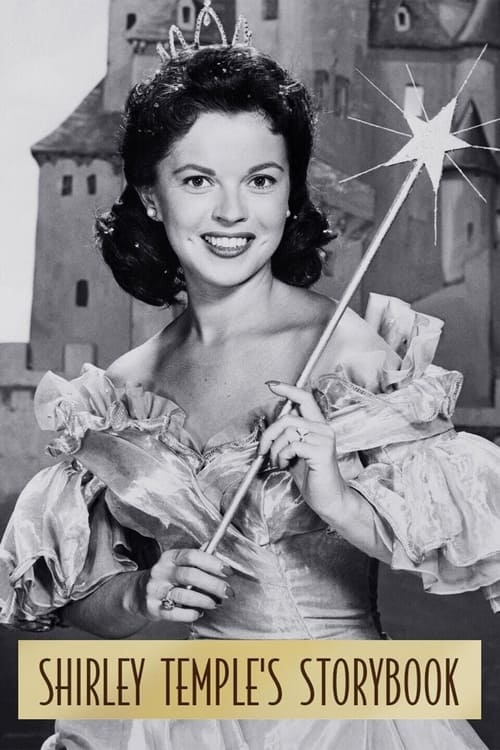
Shirley Temple's Storybook is an American children's anthology series hosted and narrated by actress Shirley Temple. The series features adaptations of fairy tales like Mother Goose and other family-oriented stories performed by well-known actors, although one episode, an adaptation of The House of the Seven Gables, was meant for older youngsters. Temple's three children made their acting debuts in the last episode of the first season, "Mother Goose".
Shirley Temple's Storybook

The story of the big names that have shaped the musical genres, plus an occasional stopgap for the new rock 'n' roll - comedy.
Legends

“The Bell Telephone Hour” was a musical variety show that aired on “NBC” TV from 12 January 1959 to 14 June 1968 that showcased the best in Broadway, Classical, Concert, Jazz and Popular music each week. The series had its’ own house band appropriately named the “Bell Telephone Orchestra”. The show also had its’ own theme song being the “Bell Waltz” composed by “Donald Voorhees” who was also the show's Orchestra conductor. Some of the greatest violinists of the 1960’s performed on this show that aired in the old “Black & White” format. Some of these great violinists included “Erica Mornin”, “Isaac Stern", "Michael Rabin", "Ruggiero Ricci", "Yehudi Menuhin" and "Zino Francesacatti". From time to time some of the great singers and bandleaders of the 1960’s would perform on the show as well. Some of these were “Bing Crosby”, “Gordon MacRae”, “John Gary”, “Leslie Uggams”, “Mary Martin”, “Nelson Eddy”, “Patti Page” and “Roy Rogers”. The TV show followed on the heels of its’ predecessor with the same name on “NBC” radio that aired from 29 April 1940 to 1958 on Monday nights at 8 PM. The name of the show was derived from its’ Major sponsor “Bell Telephone Laboratories”. The TV version began airing on Friday nights at 8:30 PM once a month. It later was given it’s same time slot now airing every other week alternating with another show on the other weeks such as News shows and specials. The show time slot changed quite often over the years. In September 1960 it aired at 9 PM and in September 1961 it moved to 9:30 PM. In October 1963 it moved to Tuesday nights at 10 PM, September 1965 it moved to Sunday night at 6:30 PM and in September 1967 it made its' final move back to Friday night at 10 PM.
The Bell Telephone Hour

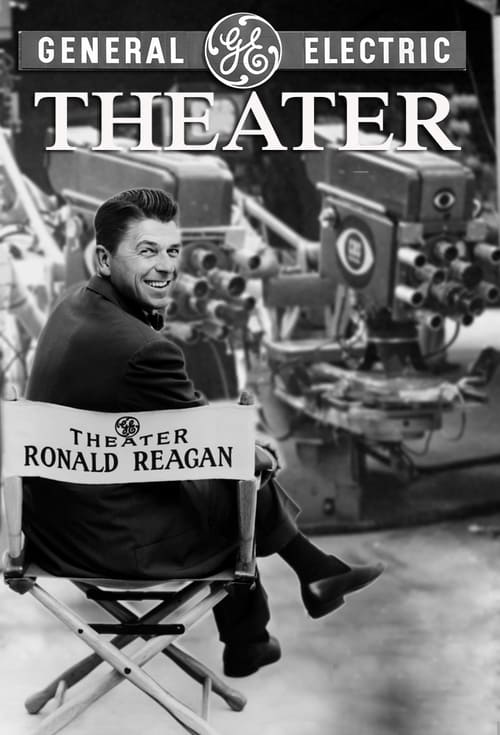
General Electric Theater is an American anthology series hosted by Ronald Reagan that was broadcast on CBS radio and television. The series was sponsored by General Electric's Department of Public Relations.
General Electric Theater
No description available.
The Lux Show

The Motorola Television Hour is an hour-long anthology series which alternated bi-weekly with The United States Steel Hour on ABC. The show premiered on November 3, 1953 and was last aired on June 1, 1954. It was sponsored by Motorola.
The Motorola Television Hour
No description available.
The Ed Wynn Show

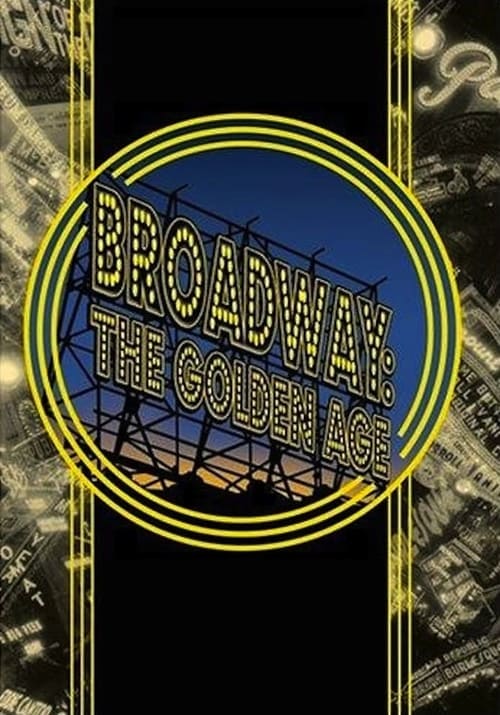
Broadway: The Golden Age is the most important, ambitious and comprehensive film ever made about America's most celebrated indigenous art form. Award-winning filmmaker Rick McKay filmed over 100 of the greatest stars ever to work on Broadway or in Hollywood. He soon learned that great films can be restored, fine literature can be kept in print - but historic Broadway performances of the past are the most endangered. They leave only memories that, while more vivid, are more difficult to preserve. In their own words — and not a moment too soon — Broadway: The Golden Age tells the stories of our theatrical legends, how they came to New York, and how they created this legendary century in American theatre. This is the largest cast of legends ever in one film.
Broadway: The Golden Age, by the Legends Who Were There

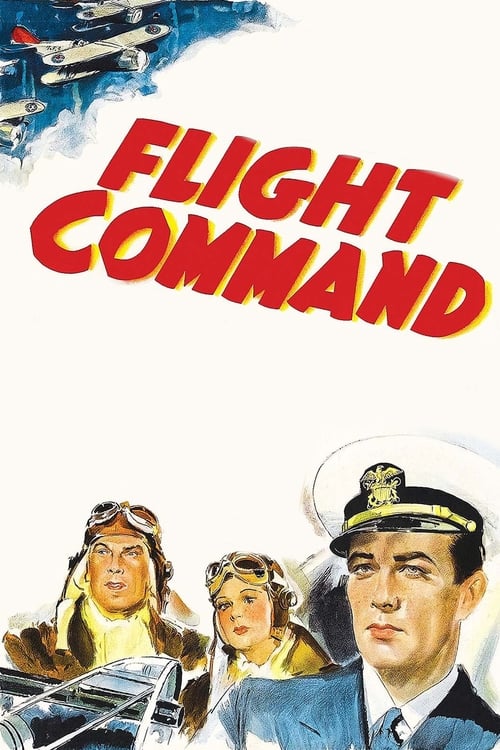
A rookie flyer, Ens. Alan Drake, joins the famous Hellcats Squadron right out of flight school in Pensacola. He doesn't make a great first impression when he is forced to ditch his airplane and parachute to safety when he arrives at the base but is unable to land due to heavy fog. On his first day on the job, his poor shooting skills results in the Hellcats losing an air combat competition. His fellow pilots accept him anyways but they think he's crossed the line when they erroneously conclude that while their CO Billy Gray is away, Drake has an affair with his wife Lorna. Drake is now an outcast and is prepared to resign from the Navy but his extreme heroism in saving Billy Gray's life turns things around.
Flight Command

An Iowa pajama factory worker falls in love with an affable superintendent who had been hired by the factory's boss to help oppose the workers' demand for a pay raise.
The Pajama Game

Miss Winters is a dancer with the Tommy Dorsey Orchestra and is asked to secretly transport a prototype magnetic mine to Puerto Rico. She thinks that she is working for the US Government, but fails to see why she would be involved.
Ship Ahoy

Billy "The Kid" Bonney is a hot-headed gunslinger who postpones his life of crime when he is befriended and hired by peaceful cattle rancher Eric Keating. When Keating is killed by a rival, Billy seeks revenge, even if it means opposing his old friend, Marshal Jim Sherwood.
Billy the Kid
Variety Show hosted by Tennessee Ernie Ford