Jack Creley
Acting
Biography
Jack Creley was an American-born Canadian actor with a career spanning theatre, film, and television, Creley's talent shone brightly on stages and screens alike. He graced prestigious theatre companies, including the renowned Stratford Festival, showcasing his skill in both classic and contemporary plays. In film, he left an indelible mark with roles in movies such as Videodrome (1983), Dr. Strangelove or: How I Learned to Stop Worrying and Love the Bomb (1964) and Police Academy 4: Citizens on Patrol (1987). Television audiences fondly remember him for his appearances in series like "The King of Kensington" and "The Littlest Hobo." Creley's ability to effortlessly embody diverse characters, whether in drama or comedy, earned him admiration and respect in the Canadian entertainment sphere. He was married to David Smith. His legacy as a dedicated and talented actor endures, even after his passing.
Known For

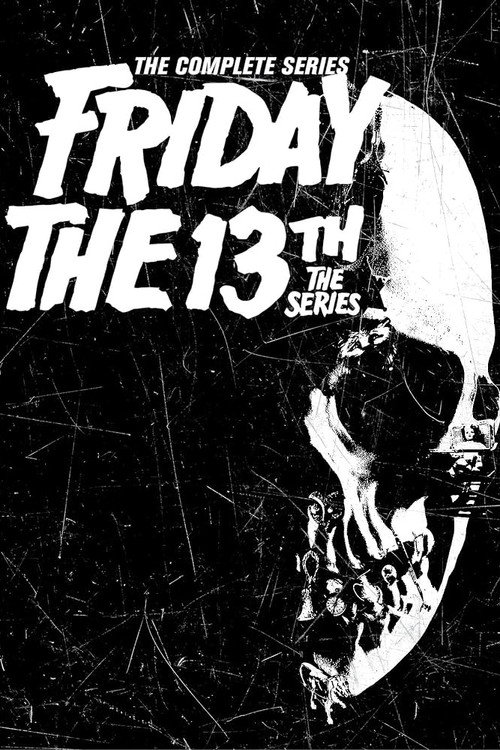
Micki and Ryan with the help of their friend Jack try to recover cursed antiques so they can store them in safety inside the antique store's vault.
Friday the 13th: The Series

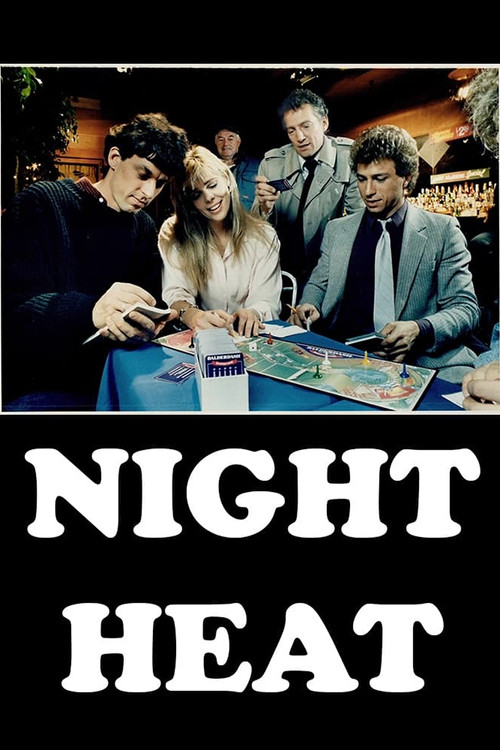
Night Heat was a Canadian police drama series. It starred Allan Royal as journalist Tom Kirkwood, who chronicled the nightly police beat of detectives Kevin O'Brien and Frank Giambone in an unnamed northeastern North American metropolis. The police crime drama series aired on both CTV in Canada and CBS in the United States from 1985 to 1989. Night Heat was conceived by Sonny Grosso, a former New York City Police Department detective. Grosso served as the show's executive producer along with his partner, Larry Jacobson.
Night Heat

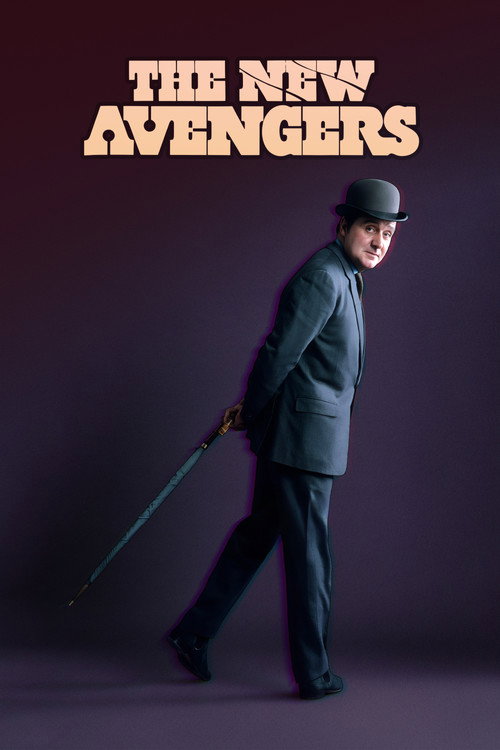
The New Avengers is a British secret agent fantasy adventure television series broadcast during 1976 and 1977. It is a sequel to the 1960s series The Avengers and was developed by Albert Fennell and Brian Clemens. A joint United Kingdom-France-Canada production, the show picks up the adventures of John Steed and his team of Avengers fighting evil plots and world domination. Whereas in the original series Steed had almost always been partnered with a woman, in the new series he had two partners: Mike Gambit, a top agent, crack marksman and trained martial artist, and Purdey, a former trainee with The Royal Ballet who was an amalgam of many of the best talents from Steed's previous female partners.
The New Avengers

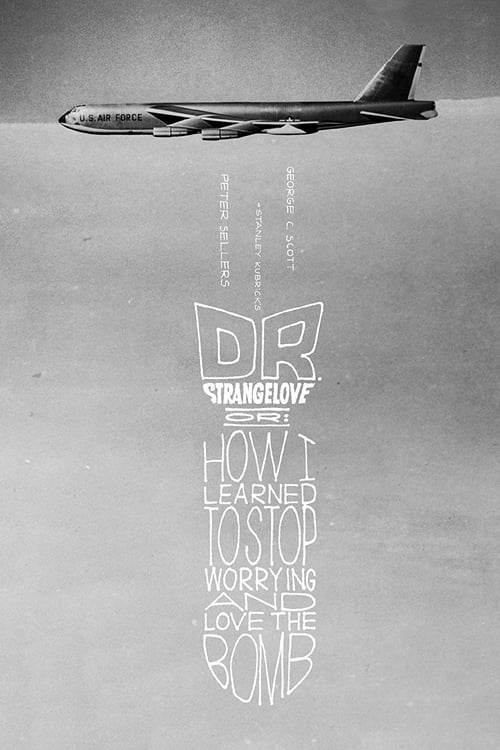
After the insane General Jack D. Ripper initiates a nuclear strike on the Soviet Union, a war room full of politicians, generals and a Russian diplomat all frantically try to stop it.
Dr. Strangelove or: How I Learned to Stop Worrying and Love the Bomb

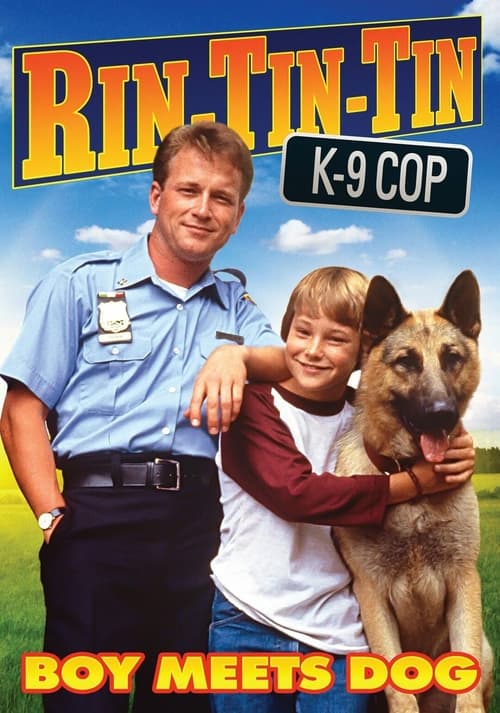
Katts and Dog is a French and Canadian-produced television series which ran from 1988 to 1993. It was known as Rin Tin Tin: K-9 Cop in the United States where it originally aired on CBN Cable/The Family Channel and Rintintin Junior in France on La Cinq. CTV broadcast the series within Canada. When the episodes were filmed the dog’s name was “Rudy”. When the series was aired in the U.S. and France, the name was dubbed as “Rinty” to go with the new title. However, some episodes of Katts and Dogg have the American dubbing where "Rudy" is called "Rinty" throughout the episode. The episode Hit and Run is an example of this. When the series went out in Britain, it kept the title Katts and Dog, but the dog's name was changed to “Rinty.” The show is about the life of Canine Officer Hank Katts and his canine partner who fight crime and the forces of evil. The show’s early episodes begin with Hank just finishing up Police Academy. Later on, it shows the first meeting between Katts and Rudy/Rinty. It also shows the life of Hank’s nephew, Steve, through the death of his mother and his adoption by Officer Katts. A 1991 TV movie had Officer Katts and Rudy visit Paris.
Katts and Dog

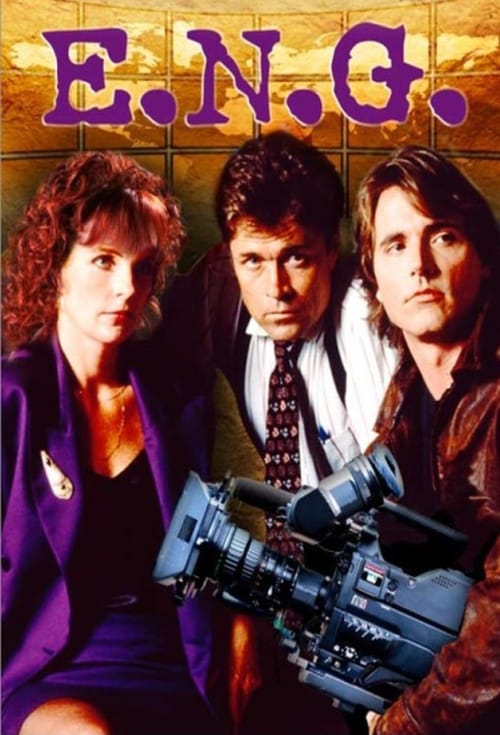
E.N.G. is a Canadian television drama, following the staff of a fictional Toronto television news station. The show aired on CTV from 1989 to 1994. The series ran for 96 episodes, produced by the Alliance Entertainment Corporation.
E.N.G.

Folio, a precursor to CBC's renowned fine-arts series Festival, aired for four years starting in 1956. The series showcased original dramas, music compositions, and ballets, many originating from diverse regions across Canada. Notable episodes featured Barry Morse in a new staging of MacBeth, along with performances by Canadian talents like Robert Goulet and Sharon Acker. One of the highlights included a musical adaptation of the beloved Canadian classic, Anne of Green Gables. Airing without sponsorship, Folio thrived until its conclusion in the fall of 1960. Producers: Robert Allen, Harvey Hart, David Greene, Mario Prizek and Ronald Weyman.
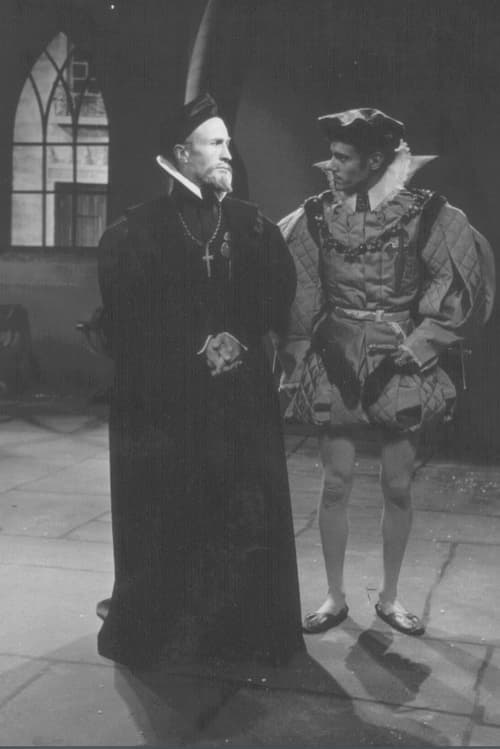
Folio

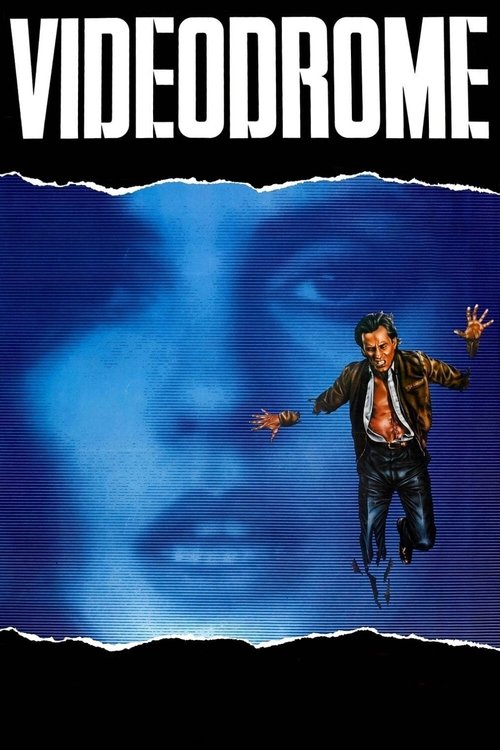
As the president of a trashy TV channel, Max Renn is desperate for new programming to attract viewers. When he happens upon "Videodrome," a TV show dedicated to gratuitous torture and punishment, Max sees a potential hit and broadcasts the show on his channel. However, after his girlfriend auditions for the show and never returns, Max investigates the truth behind Videodrome and discovers that the graphic violence may not be as fake as he thought.
Videodrome

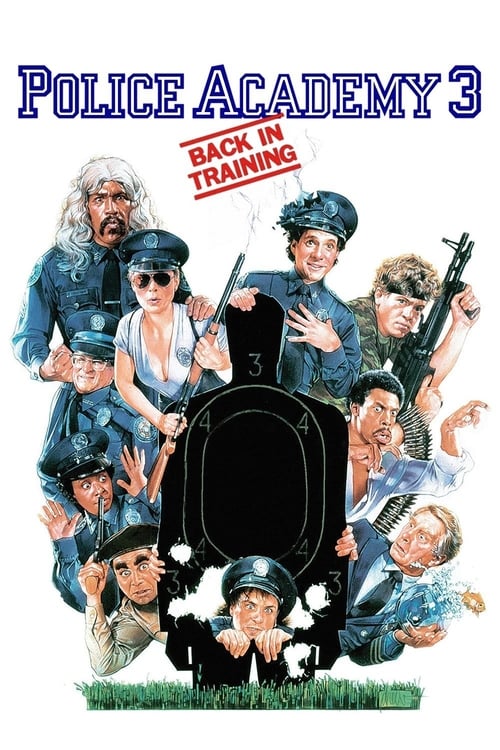
When police funding is cut, the Governor announces he must close one of the academies. To make it fair, the two police academies must compete against each other to stay in operation. Mauser persuades two officers in Lassard's academy to better his odds, but things don't quite turn out as expected...
Police Academy 3: Back in Training

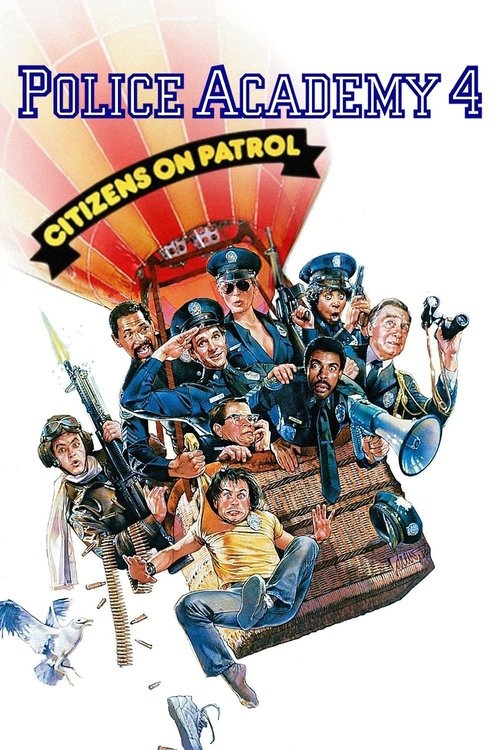
A new batch of recruits arrives at Police Academy, this time a group of civilian volunteers who have joined Commandant Lassard's new Citizens on Patrol program. Although the community relations project has strong governmental support, a disgusted Captain Harris is determined to see it fail.
Police Academy 4: Citizens on Patrol

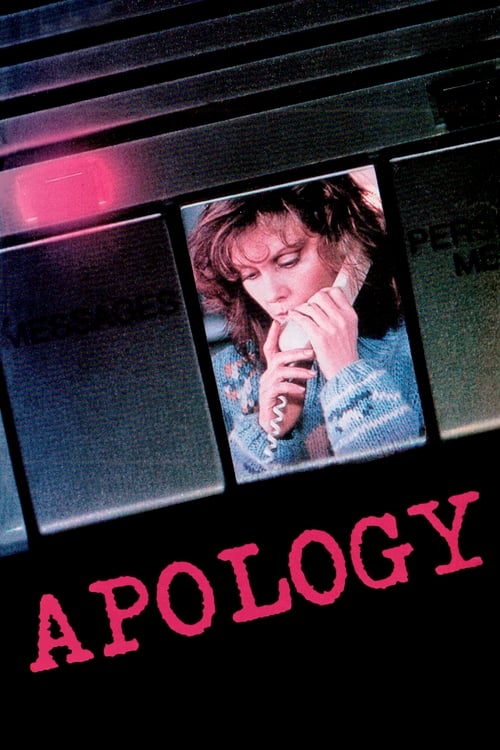
For her upcoming exhibition, "Apology," Lily, a New York conceptual artist, is designing a sound and sculpture installation inspired by the testimony of anonymous phone callers who, after responding to a public advert inviting them to spill their guts, leave messages on her answering machine. When one caller confesses to a murder, Lily begins to suspect that the mystery man may be intending a little "performance" of his own: her death.
Apology

A white man's brain is transplanted into a black man's skull.
Change of Mind

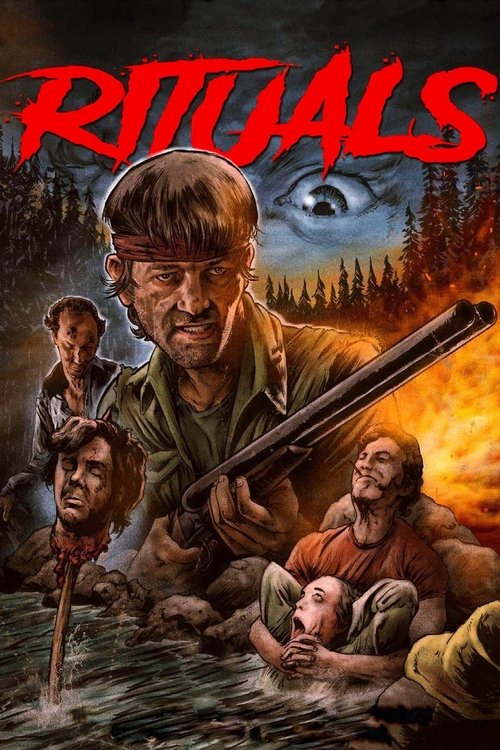
Five doctors go camping in the remote woods of Northern Ontario. When their boots are stolen they begin to suspect they are being stalked.
Rituals

A suicidal tuba player hires a hit-man to rub him out. The next day he falls in love.
Tulips

The Magic Show is a one-act musical with music and lyrics by Stephen Schwartz and a book by Bob Randall. It starred magician Doug Henning. Produced by Edgar Lansbury, it opened on May 28, 1974 at the Cort Theatre in Manhattan, and ran for 1,920 performances, closing on December 31, 1978. Henning was nominated for the Tony Award for Best Featured Actor in a Musical and director Grover Dale was nominated for the Tony Award for Best Direction of a Musical. In 2001, a filmed performance staged especially for the cameras in 1980, directed by Norman Campbell at the Queen Elizabeth Theatre in Toronto, was issued on DVD by Image Entertainment. This production, originally intended for cinema release, differed notably from the original Broadway production, with several of the most memorable songs, such as "West End Avenue" and "Solid Silver Platform Shoes", removed. Doug Henning reprised his original starring role, while Didi Conn co-starred as Cal.
The Magic Show

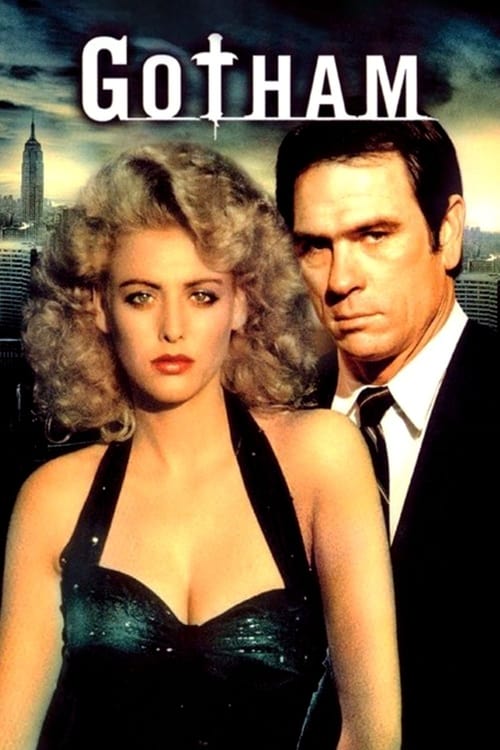
A New York private eye searches for a socialite who supposedly drowned 10 years before.
Gotham

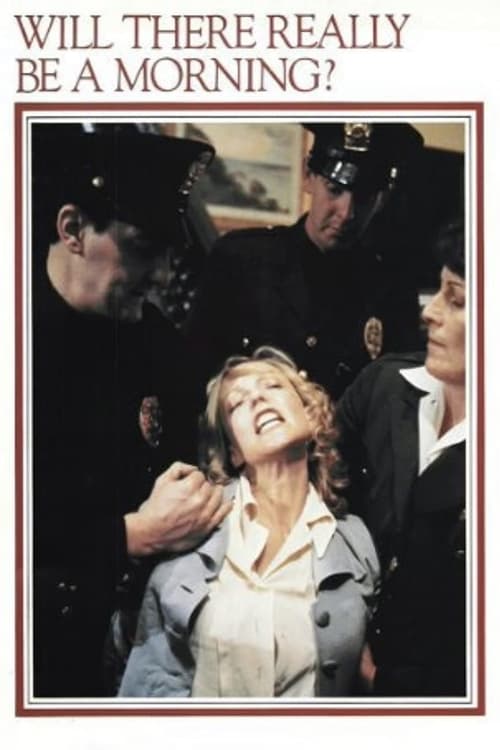
This is the story of actress Frances Farmer, her struggles with mental illness and involuntary confinement in an insane asylum.
Will There Really Be a Morning?

A light comedy/love story based on the life of blind musician Tom Sullivan.
If You Could See What I Hear

Saskatchewan, Canada, late 19th century. The negligence of Dan Candy, sergeant of the Royal Canadian Mounted Police, allows Almighty Voice, a young Cree warrior, to escape.
Alien Thunder

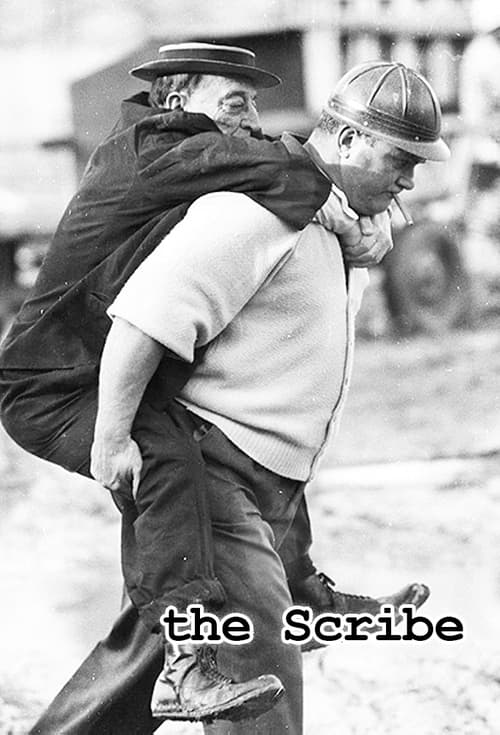
Comedy short produced by the Construction Safety Association of Ontario, Canada. It demonstrates the dos and don'ts of construction site safety. The film is the last professionally filmed footage of film legend Buster Keaton, shot months before his death from lung cancer on February 1, 1966. He recreates several routines from his youth, as well as some new material for the film. Most notable was his recreation of a gag from his 1918 film The Bell Boy in which he mops the floor using only the tip of the mop, little by little while sitting on the floor.