Mariana Levy
Acting
Known For
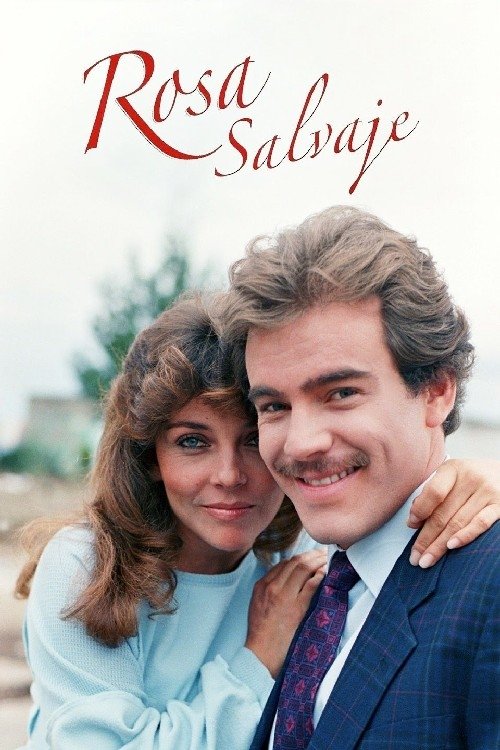
Rosa salvaje is a Mexican telenovela that was broadcast in 1987. It starred the popular Mexican actress Verónica Castro, who played the main character, "Rosa", co-starring with Guillermo Capetillo as her love interest and Laura Zapata as the villain of the story. This telenovela was a huge success in Mexico, Latin America, Bulgaria, Croatia, Serbia, Bosnia and Herzegovina, Russia, Estonia, China the United States, Indonesia and provided the template for numerous other Latin American soap operas in terms of story, plot twists and characters for years to come.
Rosa Salvaje
No description available.
En carne propia

No description available.
Yo compro esa mujer
No description available.
Bendita Mentira
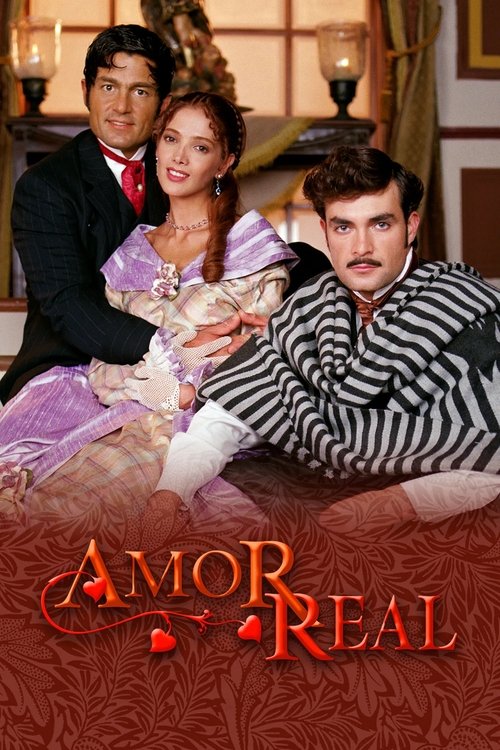
True love threatens to tear a family apart in this epic Mexican serial set in the 1800s. Rich and beautiful Matilde falls in love with Adolfo, but her mother, Augusta, disapproves of the relationship when she learns Adolfo is poor. Augusta forces her daughter to marry rich and handsome Manuel Fuentes Guerra, but Matilde plays with fire by continuing to be with Adolfo. Adela Noriega, Fernando Colunga, Helena Rojo and Chantal Andere star.
Amor Real
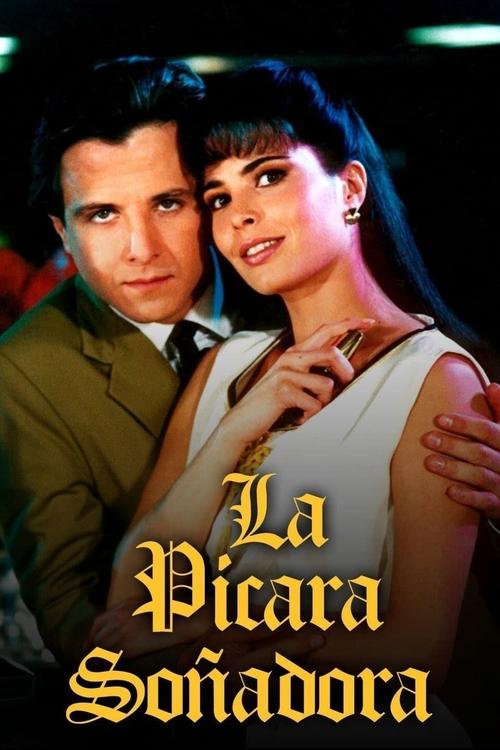
La Pícara Soñadora is a Mexican telenovela shown in 1991, based on a 1956 Argentine film of the same name directed by Ernesto Arancibia. This telenovela contains 80 episodes and stars Dina de Marco, Irán Eory, Eduardo Palomo, and Mariana Levy.
La Pícara Soñadora
No description available.
Vivir enamorada
No description available.
La casa en la playa
Mexican telenovela remake of the Brazilian soap opera "Todo o nada". Patricia is a sensitive and intelligent woman who begins to work in the firm of Ambrosio and César Augusto (father and son). They both fall in love with her, but César Augusto breaks off his relationship with his girlfriend, Valeria and marries her. Patricia and César Augusto will separate, however, they will meet again later having totally different lives: she is a working woman and he is married to another woman.
Caminos cruzados

No description available.
Leonela, muriendo de amor
No description available.
La última esperanza
No description available.
Rayito de luz
No description available.
Martín Garatuza
No description available.
Lo blanco y lo negro
A high-strung love triangle of mystery and suspense arises between Julia, a beautiful and ambitious woman who, helped by Raúl, her lover, kill her husband.
Sonata de luna
Laly and Julia's girls-weekend-out with their flings rapidly turns from an idyllic escapade into a hellishly long nightmare when they discover that the guys' intentions are anything but good. When they realize they might be in trouble, it will be too late before the terror unleashes and forces the girls to survive the night all alone, with no others there to help them escape.
Cut-Off
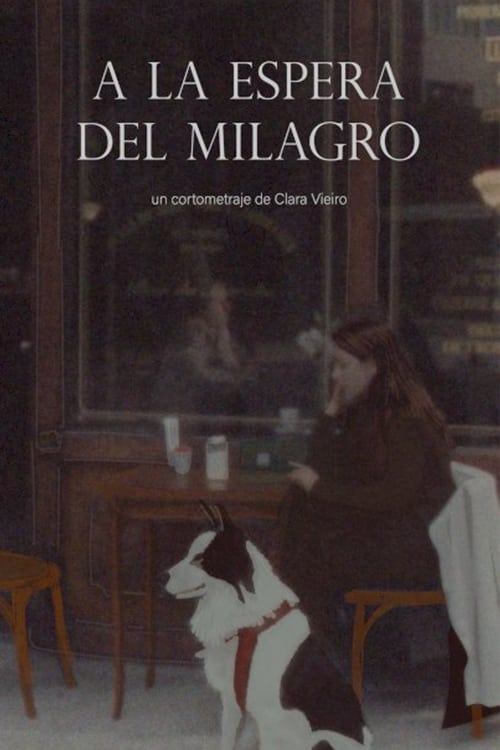
Maria goes out for coffee and leaves a dog in her care. She runs into someone who could be an acquaintance, and they have a long conversation. She discovers that the waitress at the bar has the same name as her, and they end up swapping roles. The dog returns home.
A la espera del milagro
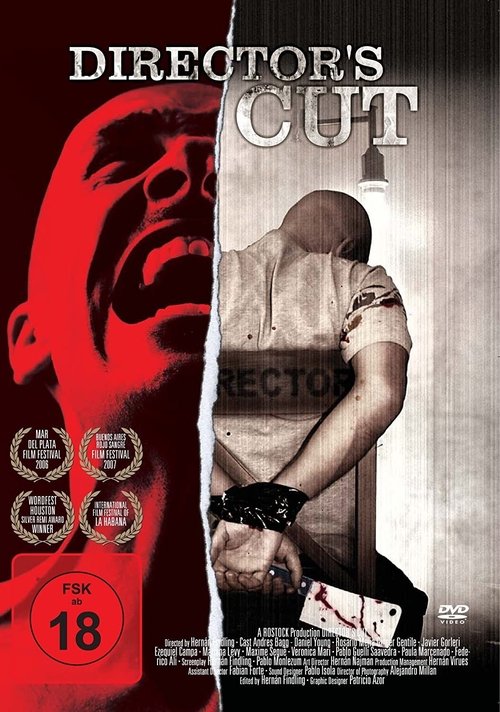
As an Indie Horror flick director gathers his filmmakers for the final viewing of the film they have just wrapped, gruesome deaths occur to the cast and crew as they watch the very lethal Director's Cut.
Director's Cut
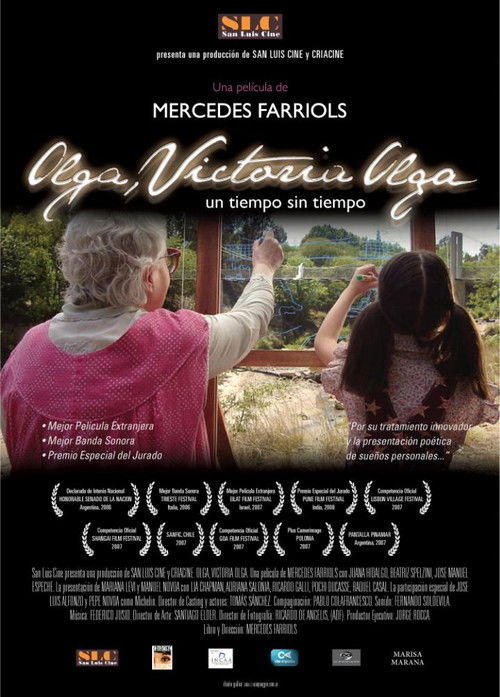
Barbara is a teenager overwhelmed by her parents' relationship, by the contradictions between her desires and the society she lives in, by love, heartbreak, and misunderstandings. One early morning, she drives 100 kilometers back from a party in Villa Mercedes with her boyfriend Federico, two friends, and a lot of alcohol. Amidst death, helplessness, and incomprehension, her 80-year-old grandmother Olga's story appears at the perfect moment, with the precise wisdom and understanding of a family history of Italian immigrants that repeats itself through generations; with the perfect magic and timing, and a bridge between life and death: the perfect beauty to drain so much pain.