Writing
PBS' premier science series helps viewers of all ages explore the science behind the headlines. Along the way, NOVA demystifies science and technology, and highlights the people involved in scientific pursuits.
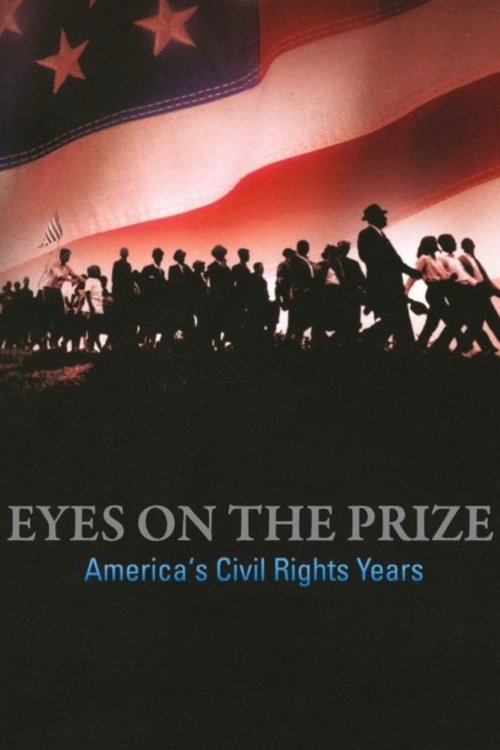
The definitive story of the Civil Rights era from the point of view of the ordinary men and women whose extraordinary actions launched a movement that changed the fabric of American life, and embodied a struggle whose reverberation continue to be felt today.
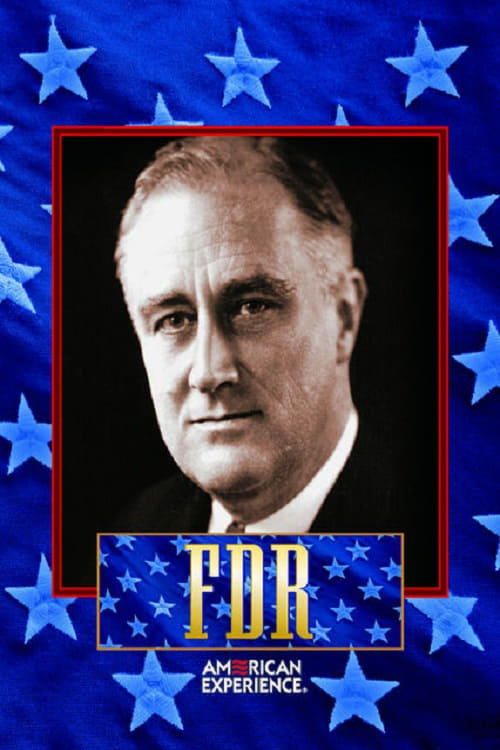
Franklin Delano Roosevelt is one of the most revered and influential Americans of this century. The subject of hundreds of books and countless plays, films, and television programs, he has become an icon for an entire generation. Until this definitive 4-hour documentary based on two books by senior creative consultant and FDR biographer Geoffrey Ward, the personal motivations and physical and emotional trails that marked his life remained elusive. By interviewing dozens of those who knew FDR or had chronicled his career, by uncovering rare and previously unseen footage of his public appearances and private life, and by weaving them together in a taut and compelling narrative beautifully read by David McCullough, writer/producer David Grubin presents the most complete account to date for Mr. Roosevelt. For this achievement, a Peabody Award was presented to David Grubin Productions and The American Experience for FDR.
Follow the story of Swedish researcher Gunnar Myrdal whose landmark 1944 study, An American Dilemma, probed deep into the United States' racial psyche. The film weaves a narrative that exposes some of the potential underlying causes of racial biases still rooted in America’s systems and institutions today.
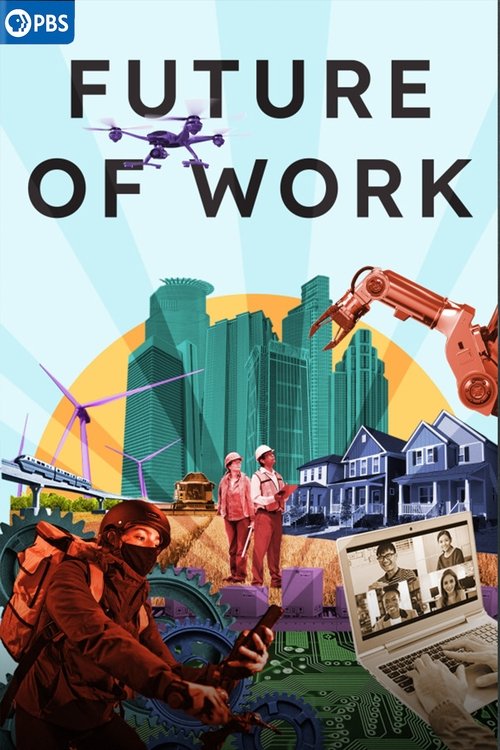
Explore monumental changes in the workplace and the long-term impact on workers, employers, educators and communities. Employment is part of the American Dream. Will the future provide opportunities for jobs that sustain families and the nation?
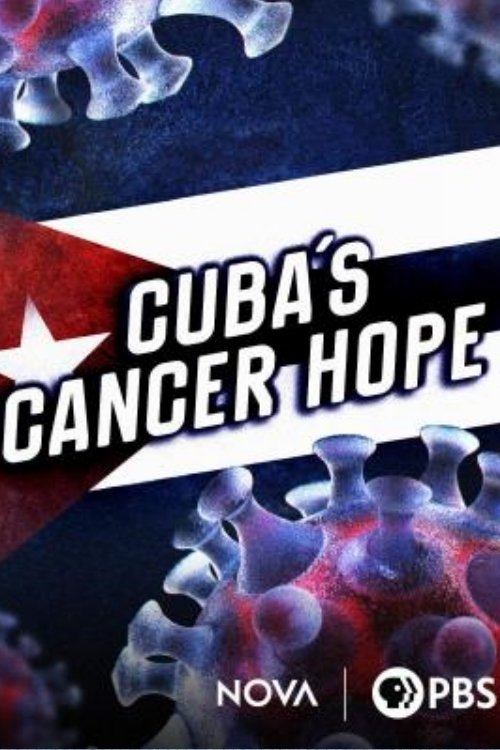
When the U.S. trade embargo left Cuba isolated from medical resources, Cuban scientists were forced to get creative. Now they've developed lung cancer vaccines that show so much promise, some Americans are defying the embargo and traveling to Cuba for treatment. In an unprecedented move, Cuban researchers are working with U.S. partners to make the medicines more widely available.
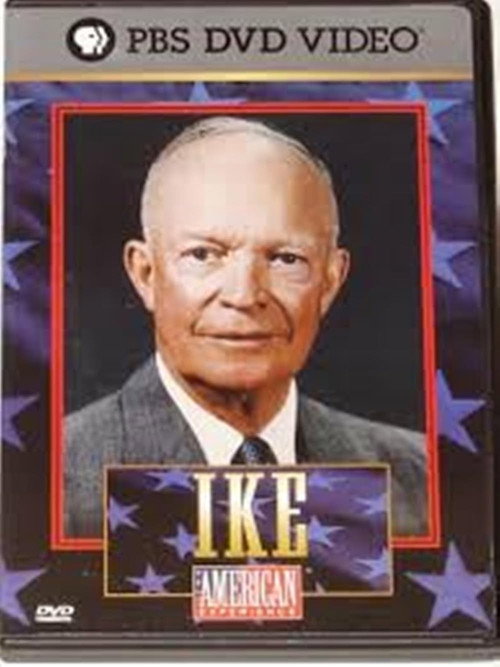
He went off to war an unknown soldier and returned a beloved national hero. Often dismissed as a "do-nothing" president and a good-natured bumbler, Dwight D. Eisenhower -- the last American president to be born in the 19th century -- was actually a skillful politician, a tough Cold War warrior, and one of America's most misunderstood and unappreciated presidents. Two-part documentary from American Experience.
Based on A Few Days Full of Trouble by Reverend Wheeler Parker, Jr. and Christopher Benson, the feature doc will explore two parallel tracks of the Till story. One set in motion by the last four years of an FBI investigation with details never before revealed, including significant new revelations of the case and its discoveries. The traumatic memory of Parker Jr., last surviving witness to the crime and Till’s cousin, drives that investigation. The second track is a deep immersion into the latest, proprietary findings, as high schoolers prepare for a reenactment of the murder trial of two of Till’s killers, Roy Bryant and J.W. Milam.
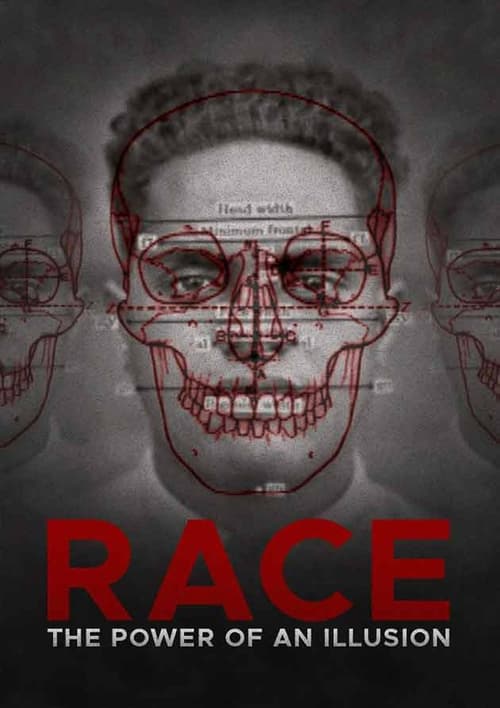
Race: The Power of an Illusion was a three-part series that was produced by California Newsreel and investigated race in society, science and history. The educational documentary originally screened on PBS and was primarily funded by CPD, the Ford Foundation and PBS.
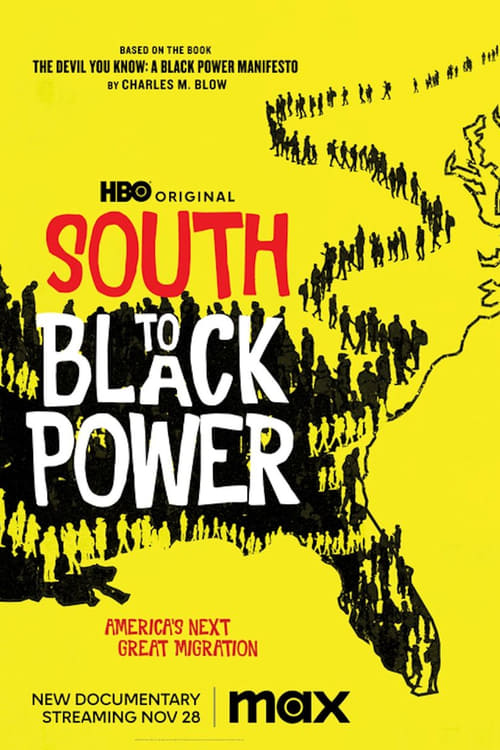
In his provocative 2021 book, The Devil You Know: A Black Power Manifesto, New York Times opinion columnist Charles M. Blow calls for a “reverse Great Migration” of African Americans from the North back to the South to upend today’s political power structures while reclaiming the land and culture they left behind. South to Black Power does more than illustrate Blow’s enlightening ideas; we journey through Blow’s personal story, from his childhood in Louisiana to his role as father to young adult children in New York City, showing us the hard-won truths behind his vision for the future.
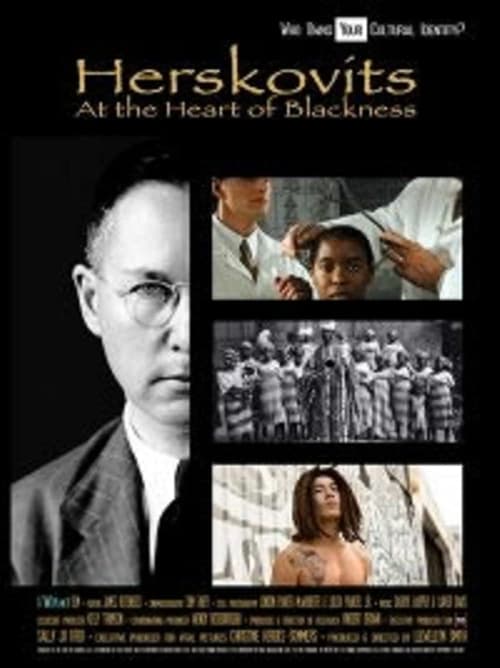
A documentary on what is it that makes us who we are: an African an African, a Jew a Jew, an Arab an Arab, a white person white -and what do we make of our apparent differences? Not so long ago, all human cultures assumed a natural and unassailable hierarchy - Europeans on the top, blacks on the bottom and everybody else in the middle. The work of the anthropologist Melville Jean Herskovits helped upend many of these assumptions. Herskovits: A Jew at the Heart of Blackness is the journey of a man into international race politics and its consequences for him -and us- in the first half of 20th century, when the battleground in the earliest "culture wars" was newspapers, radio shows, movies and cartoon, all infused with propaganda that explained why Caucasians dominated the world and other peoples as part of life's natural and inevitable order.
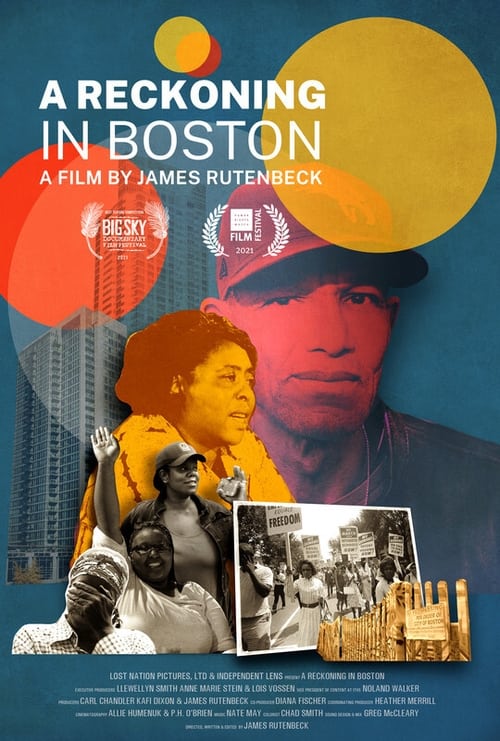
Kafi Dixon dreams of starting a land cooperative for women of color who have experienced trauma and disenfranchisement in the city of Boston. By day she drives a city bus; at night she studies the humanities in a tuition-free course. Her classmate Carl Chandler, a community elder, is the class’s intellectual leader. White suburban filmmaker James Rutenbeck documents the students’ engagement with the humanities. He looks for transformations but is awakened to the violence, racism and gentrification that threaten Kafi and Carl's very place in the city. Troubled by his failure to bring the film together, he enlists the pair as collaborators with a share in the film revenues. Five years on, despite many obstacles, Kafi and Carl arrive at surprising new places in their lives—and James does too.
What are the connections between healthy bodies and healthy bank accounts and skin color? How do social policies and the way we organize work and society affect health? Solutions lie not in more pills but in more equality.
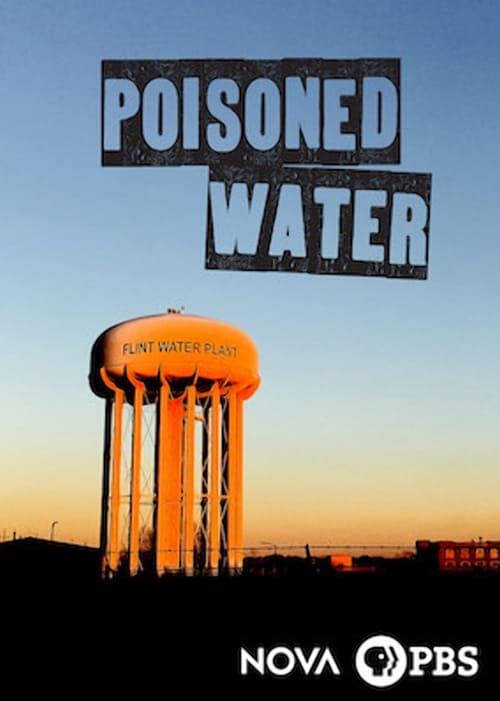
The water crisis in Flint, Michigan, brings awareness to the vulnerabilities of water systems across the U.S.