Lucy Swingler
Writing
Known For

Journalist Fiona Bruce teams up with art expert Philip Mould to investigate the provenance or attribution of notable artworks.
Fake or Fortune?

Historian Dr Helen Castor explores the lives of seven English queens who challenged male power, the fierce reactions they provoked and whether the term 'she-wolves' was deserved.
She-Wolves: England's Early Queens

The real relationship between the royal siblings.
Elizabeth and Margaret: Love and Loyalty

Writer and historian Dr Helen Castor explores the life - and death - of Joan of Arc. Joan was an extraordinary figure - a female warrior in an age that believed women couldn't fight, let alone lead an army. But Joan was driven by faith and today, more than ever, we are acutely aware of the power of faith to drive actions for good or ill. Since her death, Joan has become an icon for almost everyone: the left and the right, Catholics and Protestants, traditionalists and feminists. But where, in all of this, is the real Joan - the experiences of a teenage peasant girl who achieved the seemingly impossible? Through an astonishing manuscript, we can hear Joan's own words at her trial and, as Helen unpicks Joan's story and places her back in the world that she inhabited, the real human Joan emerges.
Joan of Arc: God's Warrior

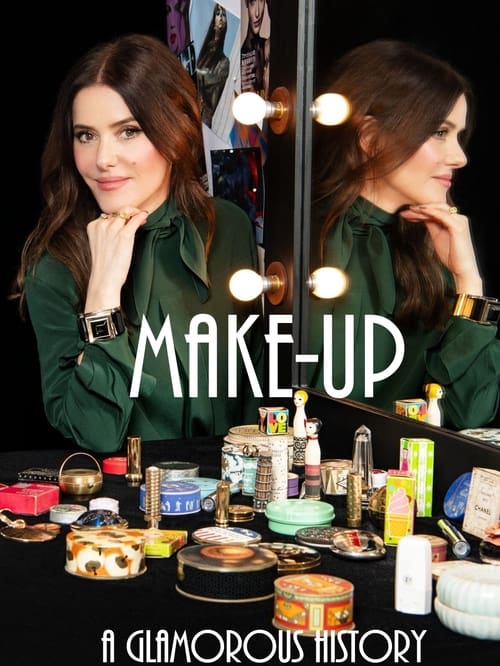
Georgian dandies, demure Victorians and decadent flappers. Make-up artist Lisa Eldridge reveals the beauty of bygone eras, using make-up as a window into the world we live in.
Make-up: A Glamorous History

Helen Castor presents an in depth and insightful series covering England's early Queens, from the High Middle Ages with Eleanor and get daughter-in-law Eleanor of Aquitane, through the Late Middle Ages with Isabella of France and Margaret of Anjou and finishing with Lady Jane Grey, Mary I and Elizabeth I.
She-Wolves: England's Early Queens

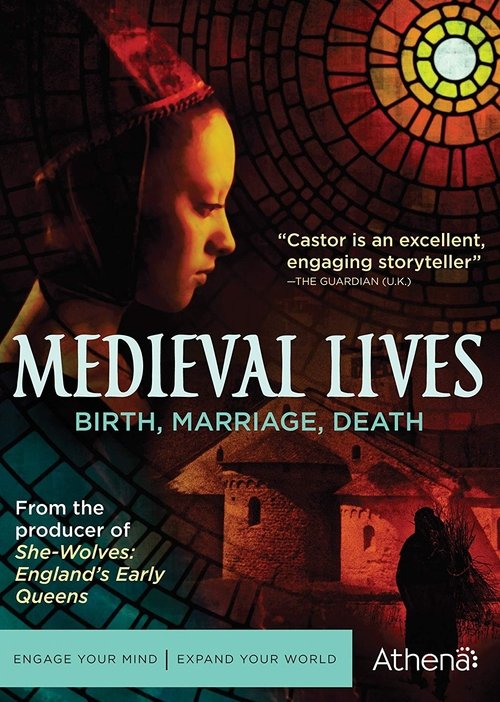
In Medieval Lives: Birth, Marriage, Death, historian and author Dr. Helen Castor (She-Wolves: England's Early Queens) examines how the people of the Middle Ages handled three of life's great rites of passage birth, marriage, and death. Why were physicians of no help to women enduring the pains of labor and the dangers of childbirth? Why were newly married couples "put to bed" by the priest on their wedding night? What did it mean to "die well" and why was death such a communal affair, both before and after it happened?