Rebecca Pan
Acting
Biography
She was born in Shanghai on 29 December 1931. She moved to Hong Kong in 1949. Her singing career began in 1957. One of her songs, which she recorded when she was 18, is played briefly in In the Mood for Love — the English version of an Indonesian folk song, "Bengawan Solo".
Known For

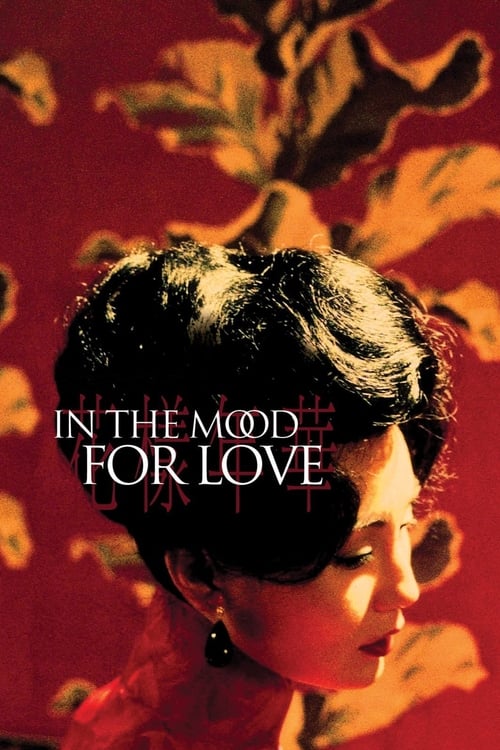
In 1960s Hong Kong, two neighbors form an intimate bond after making a discovery about their spouses in this visually stunning tale of unrequited love.
In the Mood for Love

Yuddy, a Hong Kong playboy known for breaking girls' hearts, tries to find solace and truth after discovering the woman who raised him isn't his mother.
Days of Being Wild

No description available.
Days of Glory

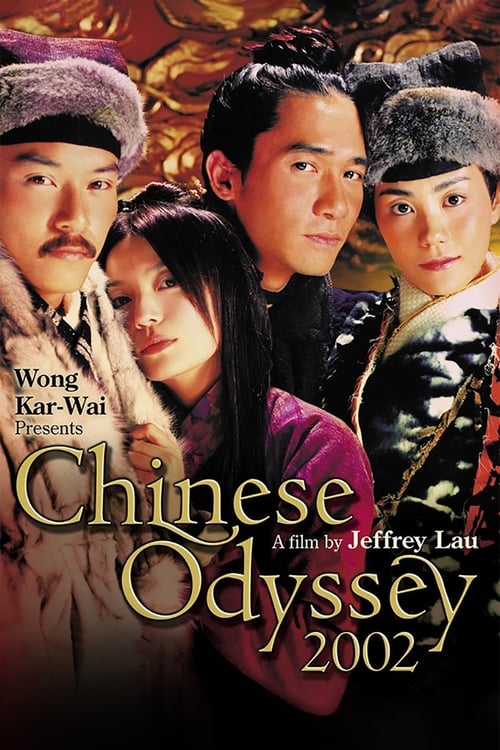
Two pairs of siblings are destined for each other, but fate throws countless obstacles in the path. When the young Emperor and his sister contrive to leave the palace, they meet the loves of their lives in the town of Meilong.
Chinese Odyssey 2002

No description available.
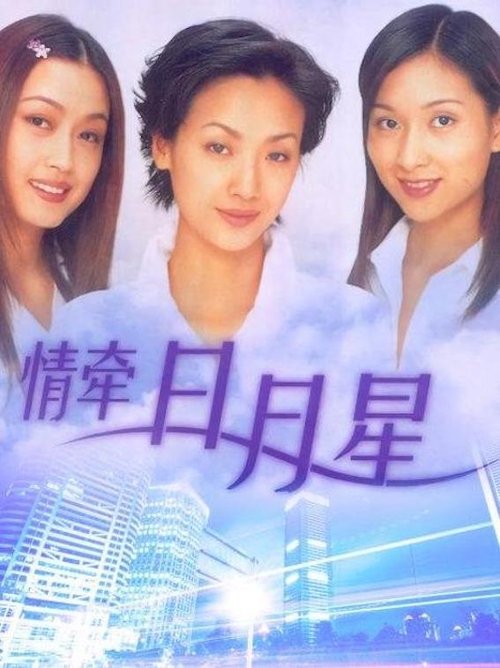
情牵日月星

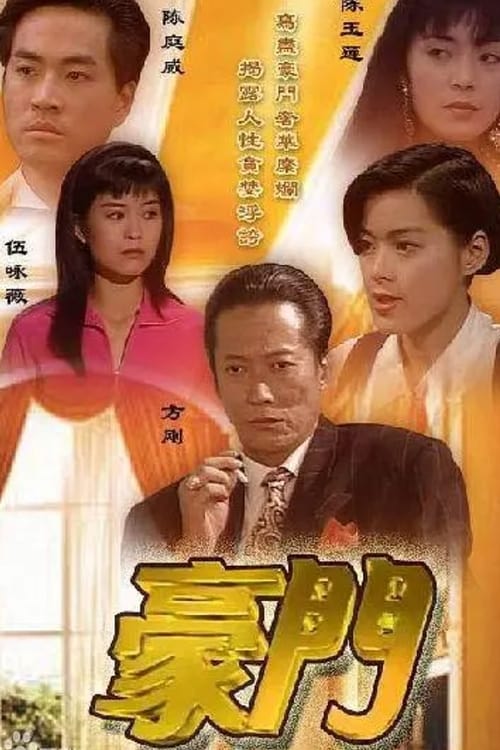
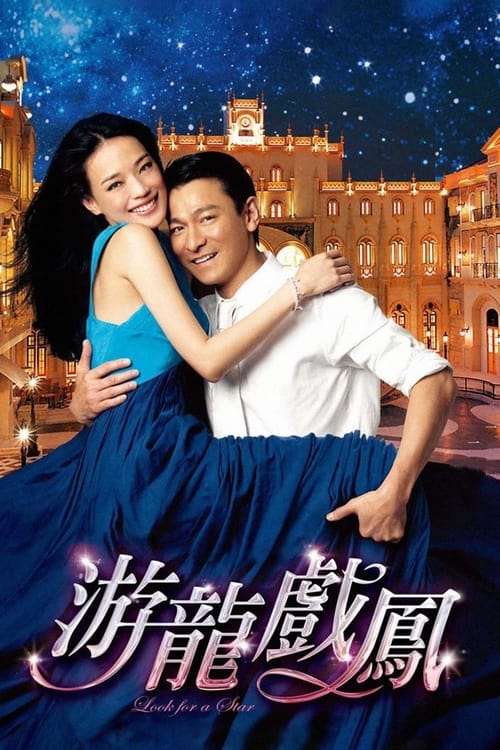
Wealthy construction mogul Sam Ching and cabaret dancer Milan Sit fall madly in love with one another despite the class differences that would keep many couples apart. However, what Sit doesn't know is that Ching is the man responsible for razing a building representing cherished memories from her childhood.
Look for a Star

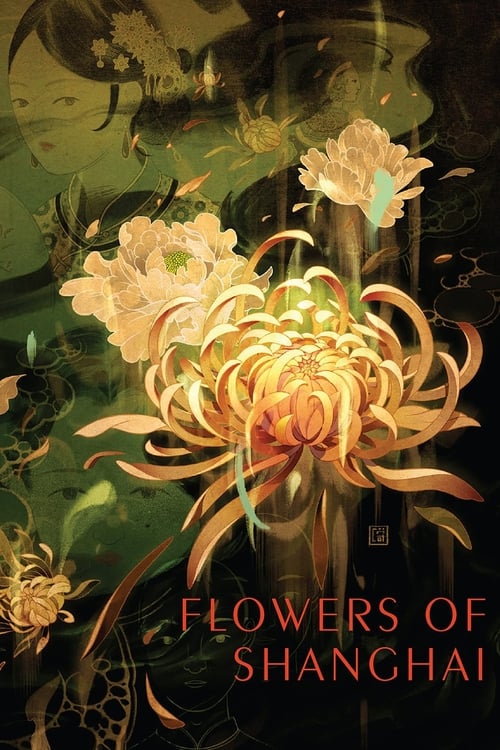
At the end of the 19th century, Shanghai is divided into several foreign concessions. In the British concession, a number of luxurious “flower houses” are reserved for the male elite of the city. Since Chinese dignitaries are not allowed to frequent brothels, these establishments are the only ones that these men can visit. They form a self-contained world, with its own rites, traditions and even its own language. The men don’t only visit the houses to frequent the courtesans but also to dine, smoke opium, play mahjong and relax. The women working there are known as the “flowers of Shanghai”.
Flowers of Shanghai

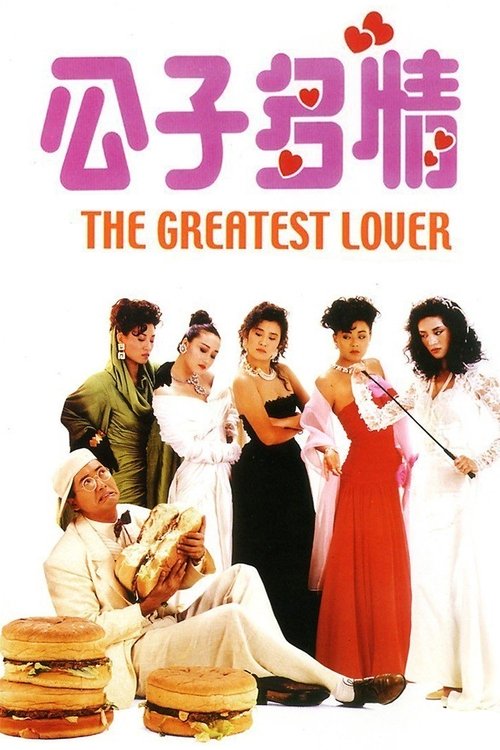
A delightful comedy about three illegal immigrants from China, one of whom (Chow) gets roped into a gentleman-training course - taught by Mui - in order to take revenge on some bitchy beauties who jilted a nasty fellow. Kinda like a gender-reversed My Fair Lady.
The Greatest Lover

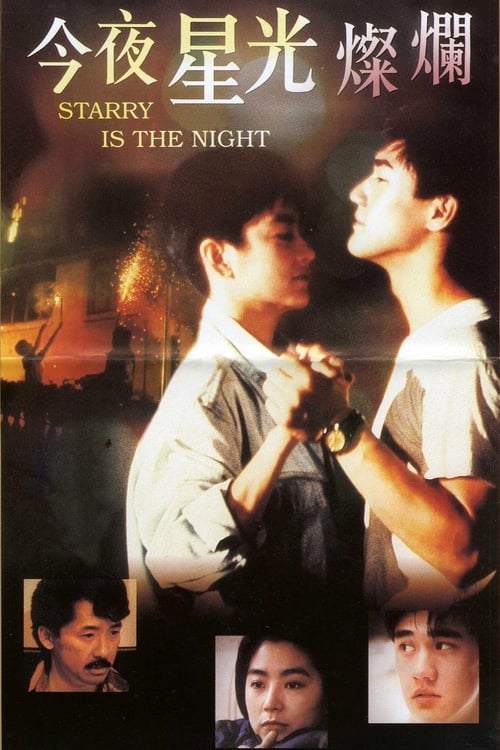
As Cai Mei, a single 40 year old woman and a social worker starts a relationship with a teen-ager Tian-Ah, she remembers her relationship when she was young with her professor, a married man older than her.
Starry Is the Night

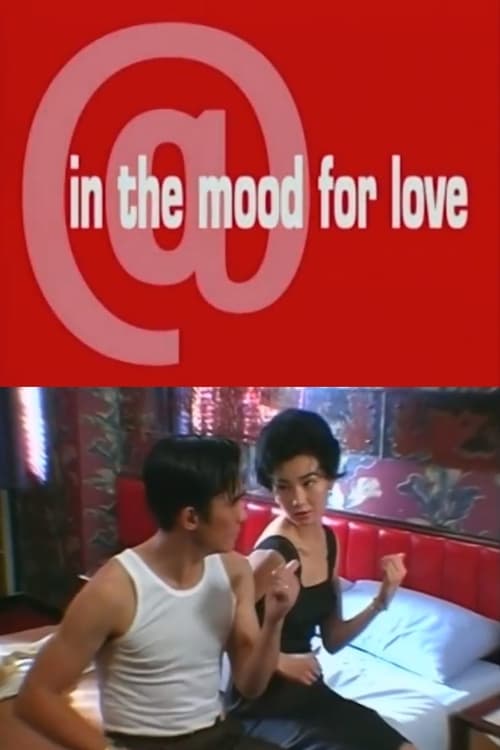
A documentary following Wong Kar-wai and his cast and crew through the production of his 2000 film In the Mood for Love.
@ in the mood for love

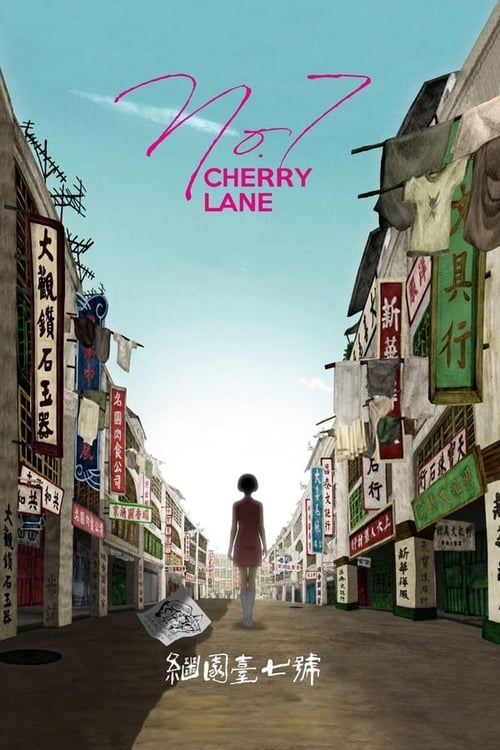
Set in Hong Kong in 1967 — a time of complex politics when it was still a British colony — No. 7 Cherry Lane revolves around a love triangle between a university student, a single mother and her teenage daughter.
No. 7 Cherry Lane

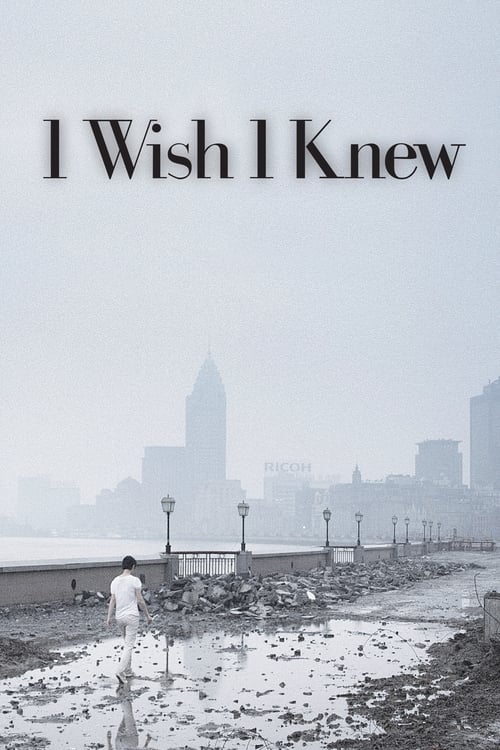
Focuses on the people, their stories and architecture spanning from the mid-1800s, when Shanghai was opened as a trading port, to the present day.
I Wish I Knew
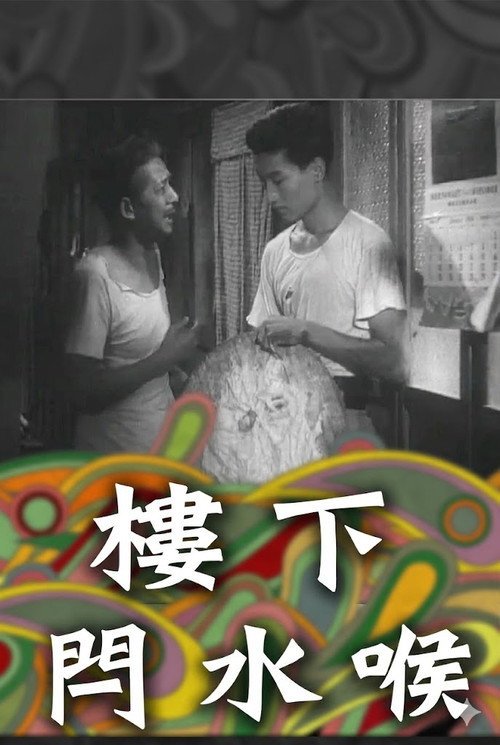
Pak coek gung's family rents the third floor of a tenement building. Due to the water shortage, Pak's porridge stall is difficult to operate. At that time, Ah Seng, the son of Pak, owed money to Cheung, the fat man downstairs. Cheung saw that the porridge stall could not operate, so he took away the license of the porridge stall. In order to get the license back, Pak's daughter Miuying had to work as a dancer to pay off the debt. Then Pak's neighbors helped the porridge stall reopen and even reported Cheung for wasting water.
Save Your Water Supply
A musical film Commissioned by now.com.hk
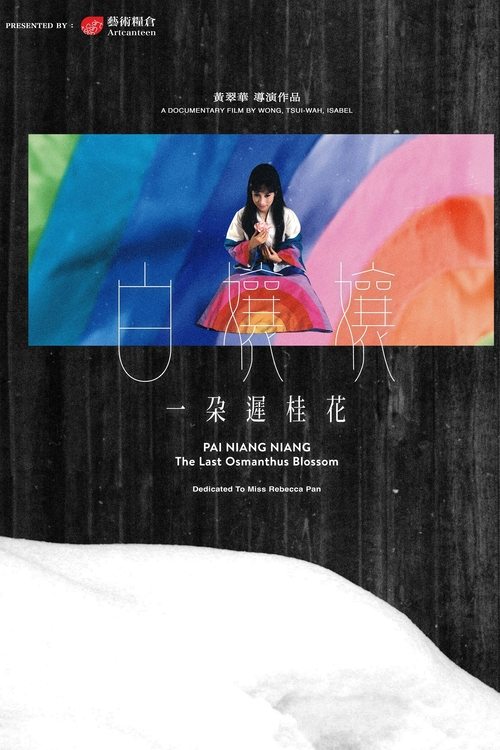
Moon Wall

In March 1972, Rebecca Pan self-financed the production of the first ever Mandarin musical, Pai Niang Niang and performed for 60 times at Princess Theatre, Tsim Sha Tsui. This is not only a piece of history of Hong Kong art and culture, but also the most important milestone of Rebecca’s oeuvre. This work used the Broadway musical model to adapt the famous Chinese myth Legend of the White Snake. Bringing together Eastern and Western theatrical styles, the production combined Chinese traditional music, dance, costume and stage design with modern Western concepts. Despite this bold attempt, the resulting work was ahead of its time and was not a commercial success. Also, it was thought to have not been captured on film and faded into obscurity. In April 2023, however, a partial film record of the performance was miraculously discovered. The restored surviving footage has become the finale of this documentary, Pai Niang Niang: The Last Osmanthus Blossom.