
Susan Stryker
Acting
Biography
Susan Stryker is an award-winning scholar and filmmaker whose historical research, theoretical writing, and creative works have helped shape the cultural conversation on transgender topics since the early 1990s. Dr. Stryker earned her Ph.D. in United States History at the University of California-Berkeley in 1992, later held a Ford Foundation/Social Science Research Council post-doctoral fellowship in sexuality studies at Stanford University, and—before her one-year appointment at Yale (2019-2020)—has been a distinguished visiting faculty member at Harvard University, Northwestern University, Johns Hopkins University, University of California-Santa Cruz, Macquarie University in Sydney, and Simon Fraser University in Vancouver. She is the author, co-author, editor, or co-editor of numerous books and anthologies, including Gay by the Bay: A History of Queer Culture in the San Francisco Bay Area (Chronicle 1996), Queer Pulp: Perverse Passions in the Golden Age of the Paperback (Chronicle 2000), The Transgender Studies Reader (Routledge 2006), Transgender History: The Roots of Today’s Revolution (Seal Press 2008, 2017), and The Transgender Studies Reader 2 (2013).
Known For
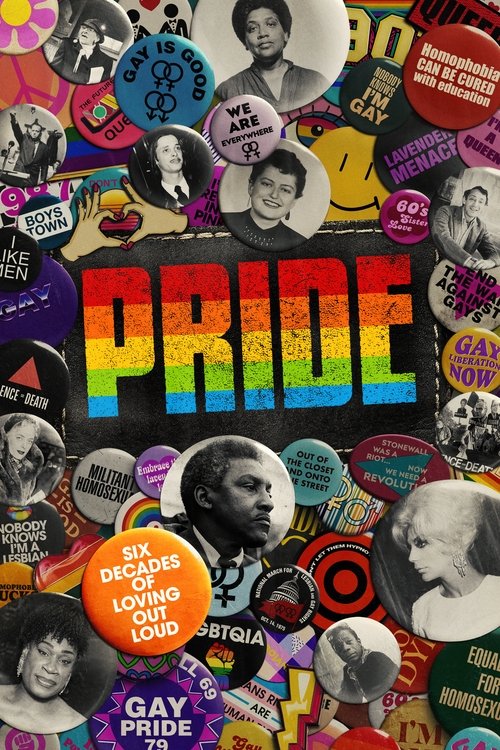
Six renowned LGBTQ+ directors explore heroic and heartbreaking stories that define America as a nation. The limited series spans the FBI surveillance of homosexuals during the 1950s Lavender Scare to the “Culture Wars” of the 1990s and beyond, exploring the queer legacy of the Civil Rights movement and the battle over marriage equality.
Pride
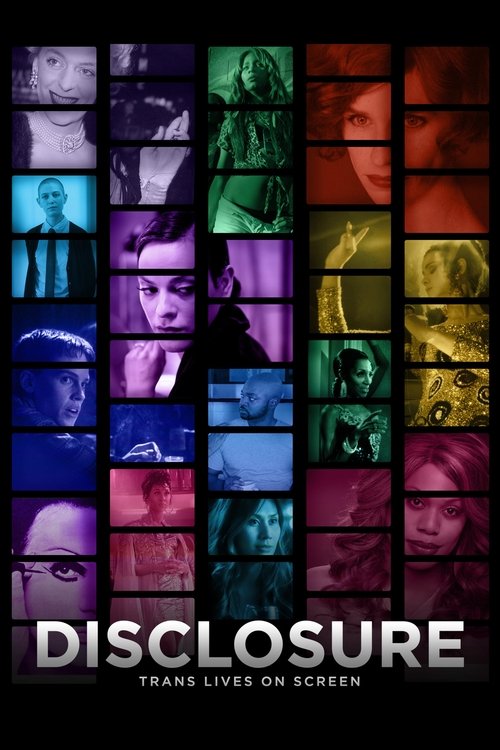
An investigation of how Hollywood's fabled stories have deeply influenced how Americans feel about transgender people, and how transgender people have been taught to feel about themselves.
Disclosure
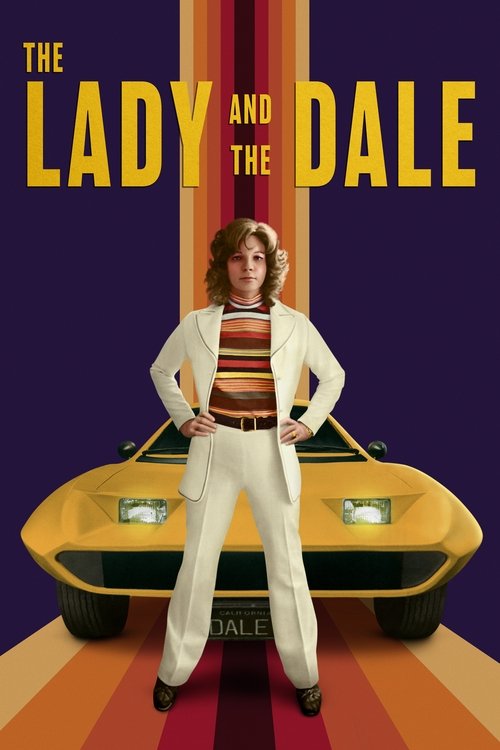
This documentary series explores an audacious 1970s auto scam centered around mysterious transgender entrepreneur Elizabeth Carmichael, who rose to prominence when she released the Dale, a fuel-efficient three-wheeled vehicle during the 1970s gas crisis.
The Lady and the Dale
Sex: The Revolution was a four-part 2008 American documentary miniseries that aired on VH1 and The Sundance Channel. It chronicled the rise of American interest in sexuality from the 1950s through the 1990s. The version shown on VH1 was pixelated to censor nudity including in discussions of censorship of nudity. VH1 Latin America aired the uncensored version.
Sex: The Revolution

This rapturous documentary steps into the dynamic world of queer stand-up and examines the powerful cultural influence it has had on social change in America. The film combines rare archival materials, stand-up performances, and interviews with a show-stopping lineup to present a definitive history of queer comedy.
Outstanding: A Comedy Revolution
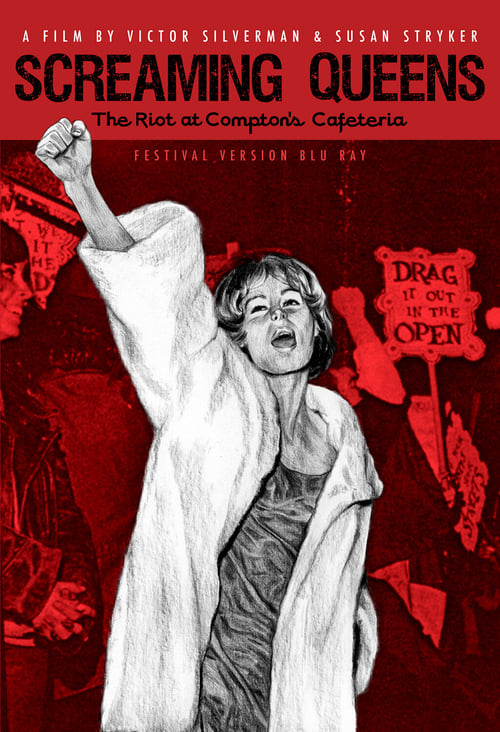
The first major uprising against police brutality, harassment, and societal oppression was not at Stonewall in 1969, but at Compton's Cafeteria in San Francisco three years earlier. Those who stood up were trans women and gay men. Now, nearly 40 years on, Susan Stryker and Victor Silverman tell the story of this oft-overlooked event in the history of American civil rights.
Screaming Queens: The Riot at Compton's Cafeteria

The legacy of Billy Tipton, a 20th-century American jazz musician and trans icon, is brought to life by a diverse group of contemporary trans artists.
No Ordinary Man

Three families with transgender children face an impossible choice in states banning gender-affirming care: stay home and risk their children's well-being or uproot entirely.
Just Kids
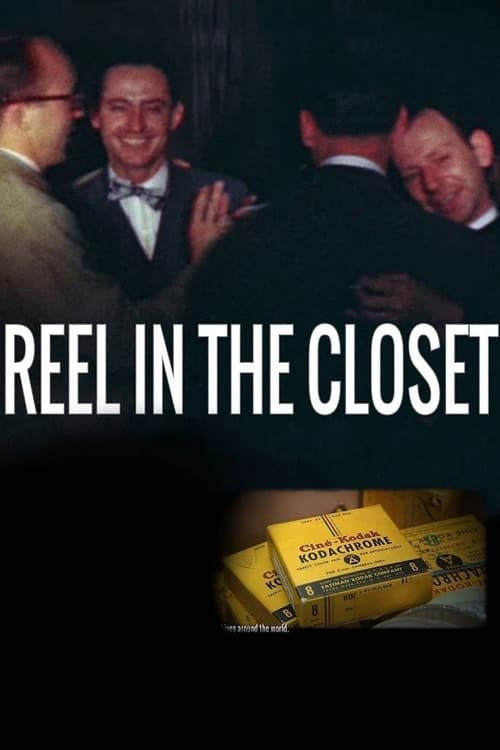
Never before seen home movies made by queer people dating back to the 1930s and the struggle to save them before they are lost forever.
Reel in the Closet
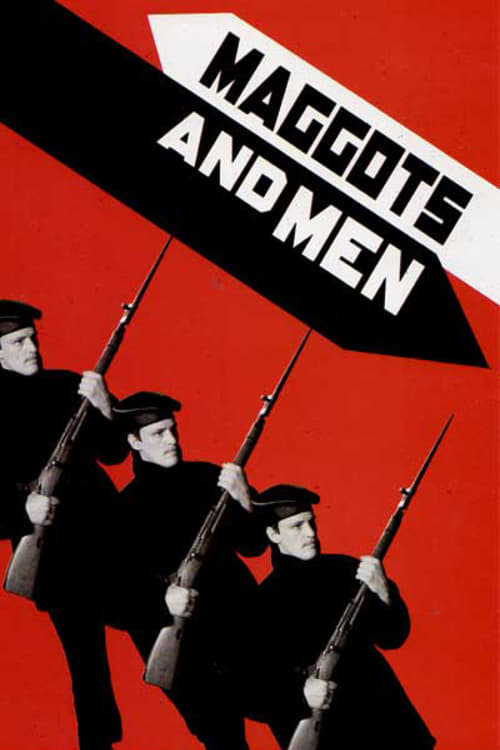
A utopian re-visioning of the Kronstadt Uprising of 1921, featuring film history's first cast of over 100 transgender actors, paints a portrait of formerly pro-Soviet sailors at the Kronstadt naval garrison who rebelled against the perceived failures of the new Bolshevik state.
Maggots and Men
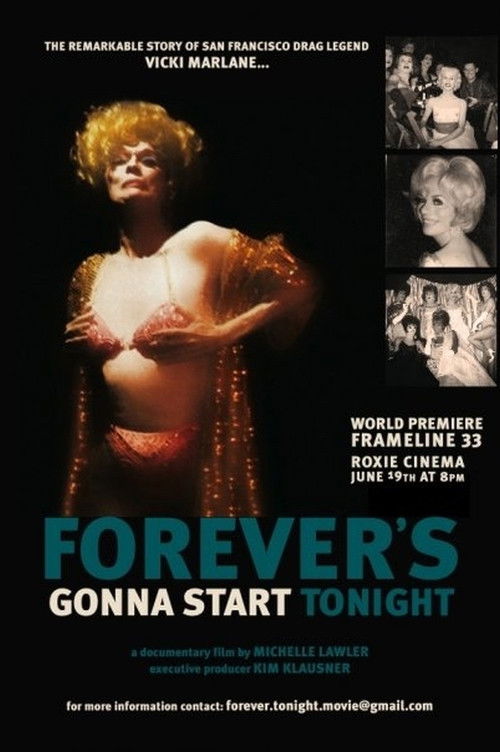
The film tells the astounding life story of San Francisco living legend Vicki Marlane, America's oldest professional transgender drag entertainer. It explores the theme that creative expression is a transformative experience that allows one to overcome virtually insurmountable obstacles -- social, biological, economic and personal.
Forever's Gonna Start Tonight
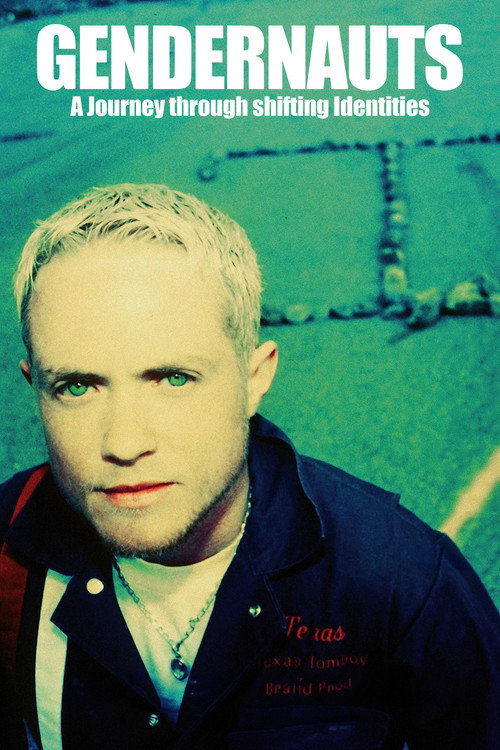
Monika Treut explores the worlds and thoughts of several female to male transgendered individuals. As with Treuts first film, Jungfrauenmaschine, Gendernauts, enters a minority sector of San Fransisco culture. The characters in this film have a lot to complain about, and they do. They are people whose physical appearance (female) does not match their inner sexual identity (male). The subject is pinpointed in the film independant of sexual orientation. Leave your conservative hats at the door, this is going to need your special attention.
Gendernauts: A Journey Through Shifting Identities
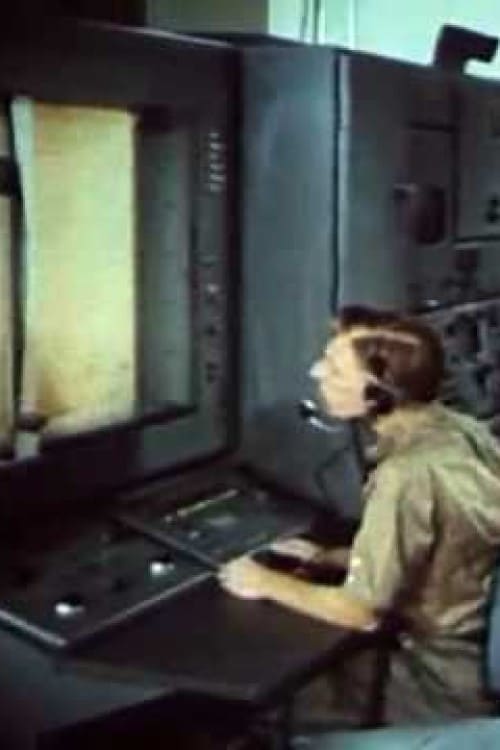
Susan Stryker uses the career of 1950s transsexual icon Christine Jorgensen to explore identity, embodiment, technology and representation.
Christine in the Cutting Room

20 years after Gendernauts, Monika Treut seeks out the pioneers of the transgender movement back then to find out how their lives and their activism have evolved, how they have grown into their identities and how their energy continues to have an impact today.
Genderation
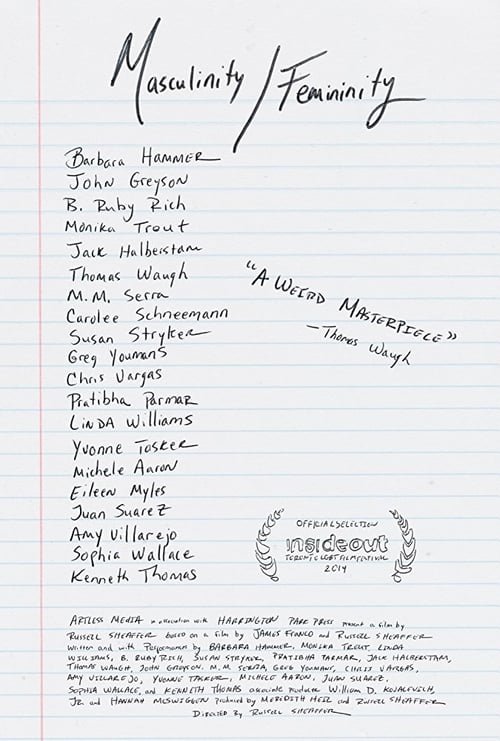
Masculinity/Femininity is an experimental film project interrogating normative notions of gender, sexuality and performance. Shot primarily on Super 8, the project merges academic and creative critique -- a document of gender de-construction rather than a documentary about gender construction.
Masculinity/Femininity
An animated history of the term "Trans Exclusionary Radical Feminists". Taking cues from the origins of radical feminism in the 1960's and utilizing visual metaphor throughout, this film aims to educate a broad audience to the nature and danger of the TERF ideology.
What even is a TERF?
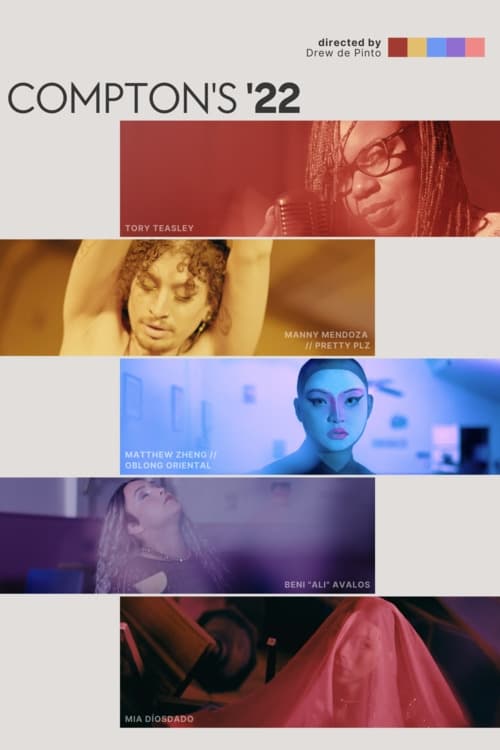
On an unknown date in August 1966, trans women in San Francisco's Tenderloin district rioted against police violence at Gene Compton's Cafeteria. There was no news coverage, and the arrest records no longer exist. Decades later, historians Susan Stryker and Victor Silverman unearthed the history of the riot and interviewed the surviving “Compton’s queens.”