Acting
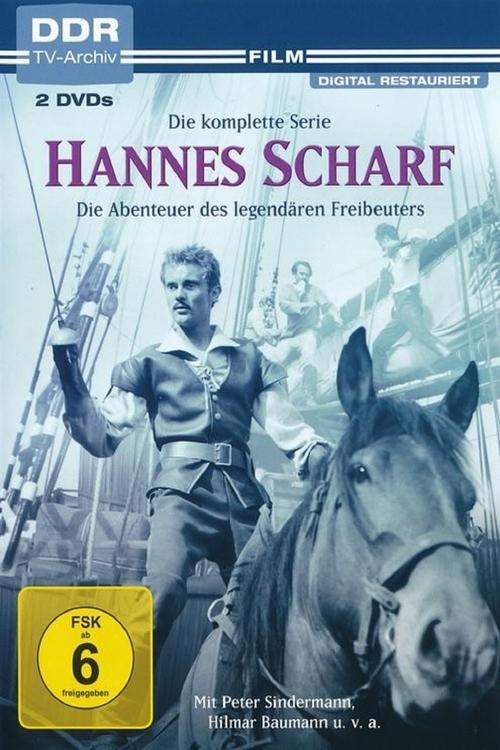
Hilmar Baumann was a German actor.
Polizeiruf 110 is a long-running German language detective television series. The first episode was broadcast 27 June 1971 in the German Democratic Republic, and after the dissolution of Fernsehen der DDR the series was picked up by ARD. It was originally created as a counterpart to the West German series Tatort, and quickly became a public favorite.
Der Staatsanwalt hat das Wort was an East German television series.
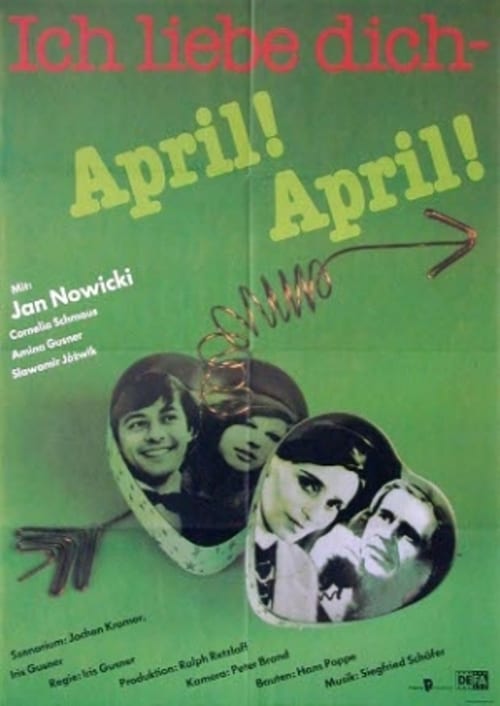
East Germany 1978. Karoline and Robert, teenagers who used to live in the same house until Robert's family moved, meet again at this year's holiday-camp. First love, first nude experience, first self-made theatre performance of "Romeo and Juliet". A look at the east-German youth in the late seventies.
This five-part East German biographical drama chronicles the life and religious reforms of Martin Luther, the 16th-century monk who sparked the Protestant Reformation. Produced by DEFA Studios for East German television to commemorate Luther's 500th birthday, the series follows Luther from his early protests against the Catholic Church's sale of indulgences in 1517 through his translation of the Bible.
Susanne is a young single mother who lives a somewhat "carefree" lifestyle. After quitting her job, she finds herself in trouble financially and attempts a minor insurance fraud to make ends meet. Despite its rare view of everyday socialism from a woman's perspective, East German officials were critical of this frank portrayal of a less-than-ideal socialist citizen and turned down all invitations for the film to be screened abroad.
No description available.
Maja Wegner is in her late thirties and a single mother of a teenage daughter. To give her stale life a new direction, she decides to start all over again in the big city. She sells her house in the countryside, quits her job, and moves with her daughter to Berlin. There, she finds a job as a conductor for the railroad company. Although Maja soon finds new friends in her apartment building, the search for a new life partner does not come off so easily.
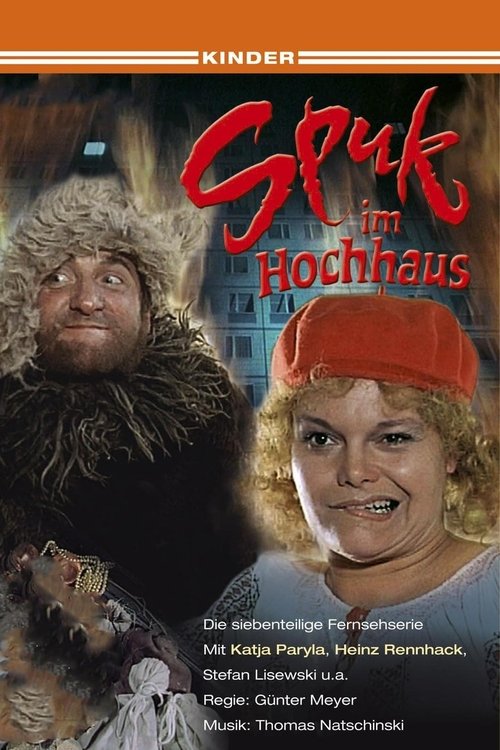
200 years ago, innkeepers Jette and August Deibelschmidt led a rapacious life. Out of greed, they repeatedly got their guests drunk in order to steal from them. When police commissioner Friedrich Wilhelm Licht tried to put them out of action, the house caught fire and all three died. In his last words, he curses the pair of thieves, saying that they will not find peace until they have done seven good deeds after 200 years.
The film concentrates on the last days of the German navy during World War II.
Middle-aged lawyer Thomas meets Leyla at the pool. After their paths keep crossing, he asks her out on a date. Somewhat to his surprise she agrees. The next morning Thomas awakes to find Leyla and his laptop, which contains vital case files, missing.
The 20-year-old Berliner Wilhelm, called Willi, returns from two years as a prisoner of war to the village of Weltzow in the Havel region, where he meets Hans Graber, a former comrade from the front. Hans is now a teacher and finds Willi a job with innkeeper Brunzel. His daughter, Mrs. Leidenfrost, has been a widow for five years, as her husband was killed at the front. Over time, she begins to take a liking to Willi, but Willi is not aware of this. He is interested in the dressmaker Ulla, but skips their first meeting when he learns in the inn that Ulla has an illegitimate child.
The law student Caroline and the assistant professor Tom are husband and wife, but they keep their marriage a secret. While Caroline is afraid of annoying her mother Hella who ever since her divorce twenty years ago distrusts men in general, Tom dreads the criticism of his professor, a family law specialist who objects to the concept of marriage. By chance, Caroline gets hold of some juicy information: Her mother and the professor used to be a couple and she is their child. With almost missionary zeal she addresses herself to the task of convincing the two grown-ups to get back together. In the process, however, she steers both her academic studies and her own marriage into a crisis.
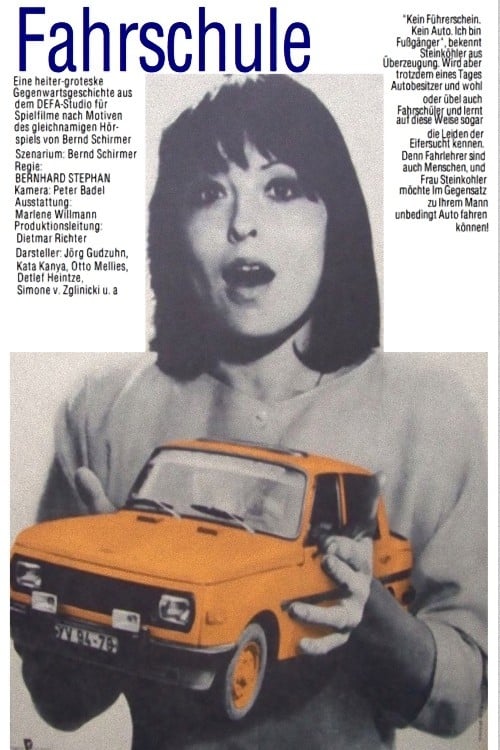
In the GDR, purchasing a car was such a difficult process that many families applied for one years in advance. For example, Gisela secretly orders a Wartburg model after the birth of her first child. By the time the vehicle is ready, her daughter is a teenager, and Gisela's husband, who actually prefers walking, has already bought a second Wartburg from a friend in financial trouble. As a result, the couple decides to sign up for driving school together.
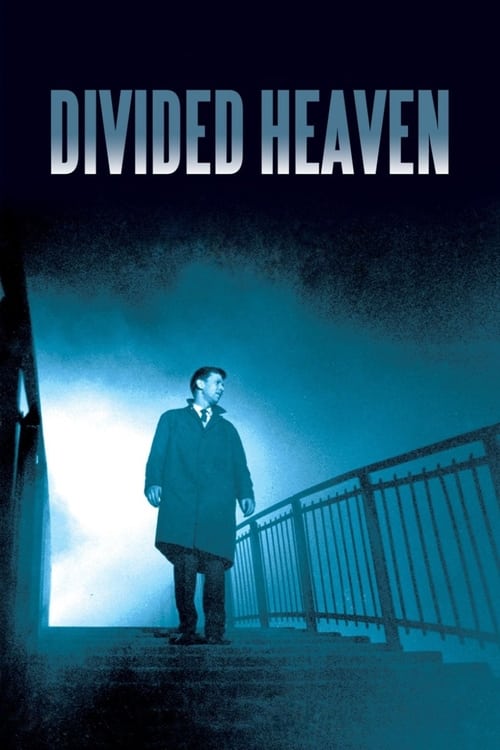
After a breakdown, Rita returns to her childhood village in 1961. As she recovers, she remembers the past two years: her love for the chemist Manfred, ten years her senior; how his enthusiasm about his new chemical process turned to bitter disappointment in the face of official rejection; how he escaped to West Berlin a few weeks before the Wall was built and hoped that she would follow him …
Peter, medical student and son of old materials dealer Richard Müller, wants to get engaged to the daughter of the director of a local construction company. The profession of his father has so far only vaguely hinted out of shame. And so his future in-laws think Richard is working in ministry. When he learns about it, he is initially offended. After all, he lives his profession with body and soul. But then Richard takes advantage of the misunderstanding and pays the bride parents a visit.
A pianist from Poland visits a town in West Germany and starts to remember details about her life during the war.