Production
This acclaimed Emmy Award-winning anthology series features documentaries and a limited number of fiction films united by the creative freedom, artistic achievement and unflinching visions of their independent producers and featuring unforgettable stories about a unique individual, community or moment in history.
Milwaukee mother Tahira transformed her life after overcoming a debilitating opioid addiction. In a candid beauty shop conversation with her daughter, she reveals her trauma, her pain, and her path to healing through opening Samad's House, a haven for women like herself.
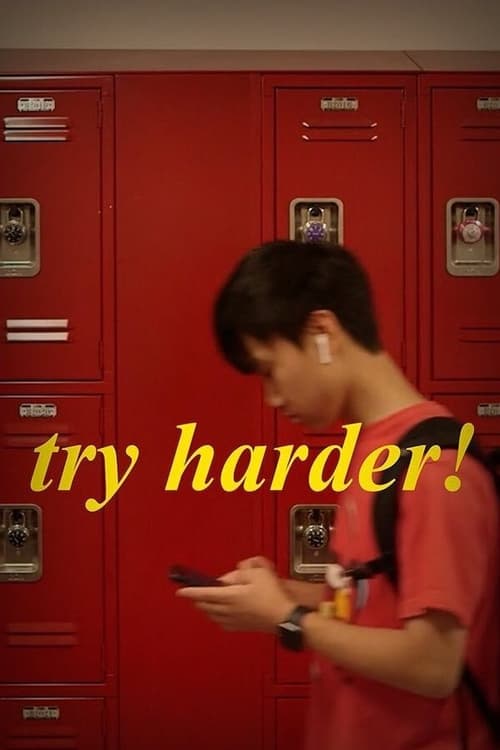
In a universe where cool kids are nerds, the orchestra is world class and being Asian American is the norm, seniors at Lowell High School compete for the top prize: admission to the college of their dreams.
Filmed over three years, the film follows Ashley Chea, a Cambodian-American basketball phenom. Exploring the highs and lowsher immigrant family, surmounting racial and class differences, as well as personal trials that include a devastating knee injury. Despite the intensity of basketball recruiting, Ashley’s humor shines through and her natural talent inspires the support of those around her.
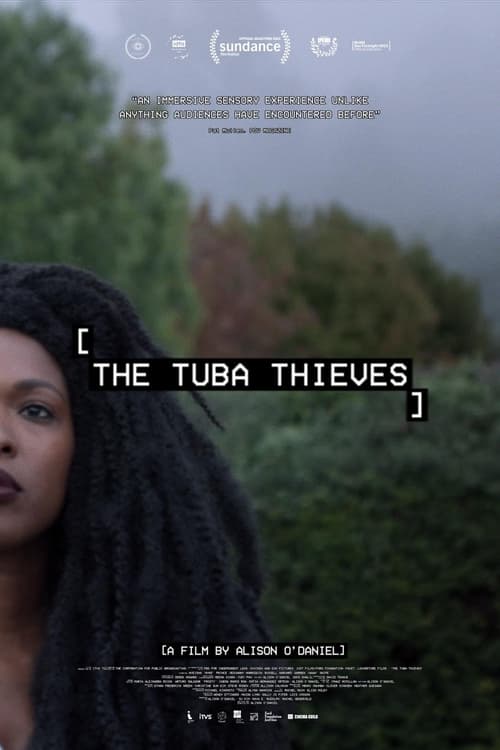
A spate of robberies in Southern California schools had an oddly specific target: tubas. In this work of creative nonfiction, d/Deaf first-time feature director Alison O’Daniel presents the impact of these crimes from an unexpected angle. The film unfolds mimicking a game of telephone, where sound’s feeble transmissibility is proven as the story bends and weaves to human interpretation and miscommunication. The result is a stunning contribution to cinematic language. O’Daniel has developed a syntax of deafness that offers a complex, overlaid, surprising new texture, which offers a dimensional experience of deafness and reorients the audience auditorily in an unfamiliar and exhilarating way.
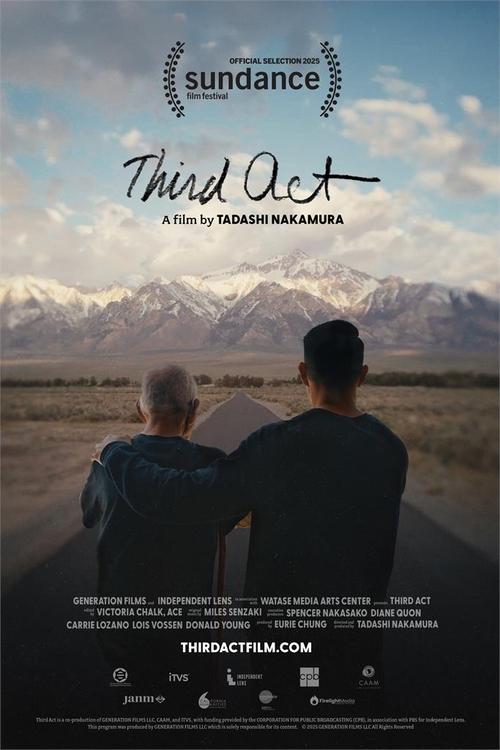
Filmmaker Tadashi explores his father Robert A. Nakamura's life as an influential Asian American artist and activist, while grappling with Robert's Parkinson's diagnosis, navigating themes of art, grief, and their father-son relationship.
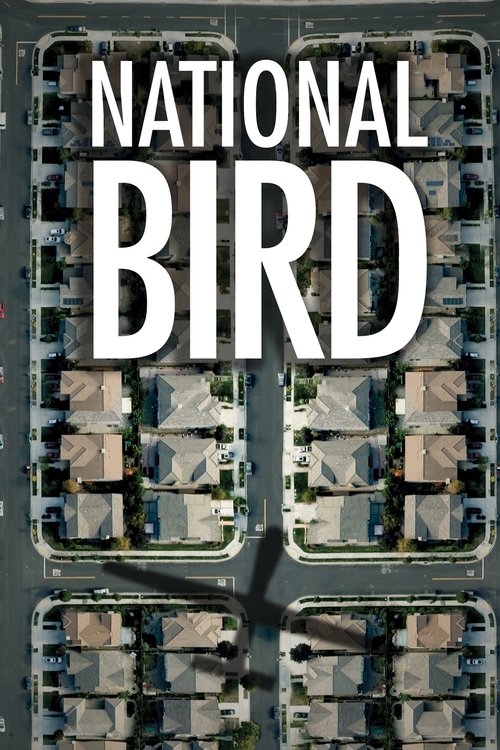
Sonia Kennebeck takes on the controversial tactic of drone warfare, and demands accountability through the personal accounts—recollections, traumas, and responses—of three American military veterans whose lives have been shaken by the roles they played in this controversial method of attack.
More than 50% of transgender boys have attempted suicide. Through two life stories, directors Lexie and Logan unravel why their community is particularly vulnerable to living and dying quietly.
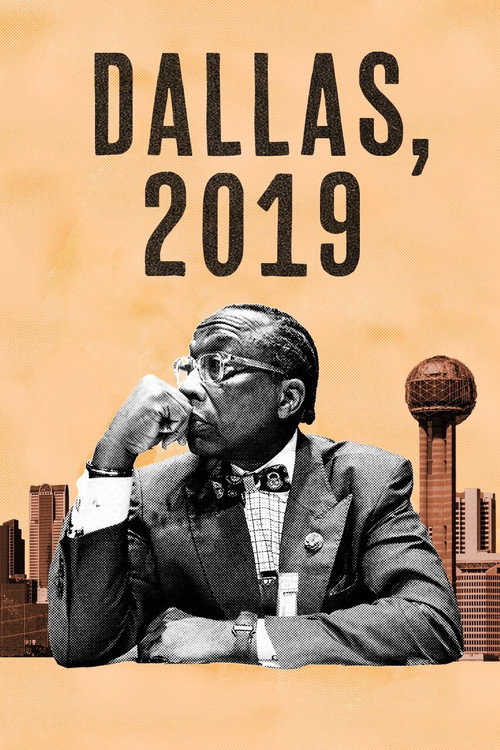
Dallas, 2019 captures the pulse of a city and the people who work and live there, all trying to build a better future.
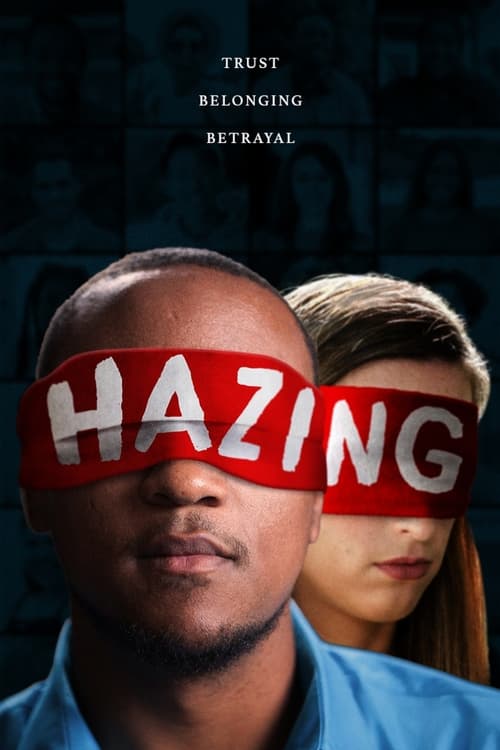
Explores a variety of underground hazing rituals that are abusive and sometimes deadly. The journey to understand hazing culture reveals a world of toxic masculinity, violence, humiliation, binge drinking, denial, and institutional coverups.
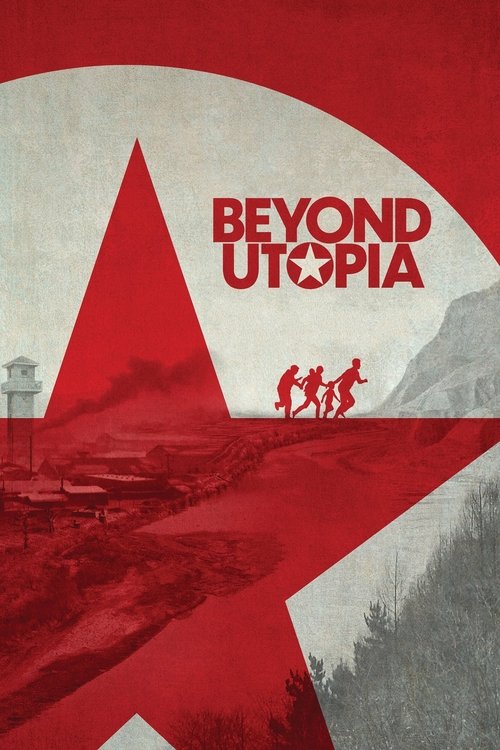
A courageous pastor uses his underground network to rescue and aid North Korean families as they risk their lives to embrace freedom.
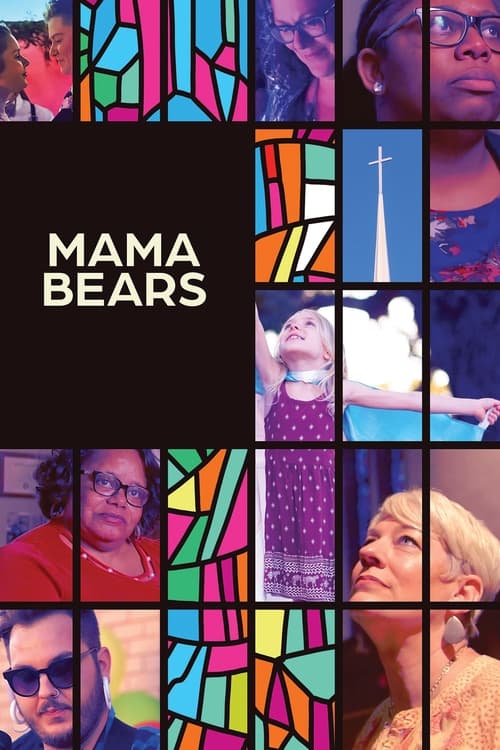
Mama Bears is an intimate exploration of two “mama bears”—conservative, Christian mothers who have become fierce advocates for LGBTQ+ people—and a young lesbian whose struggle for self-acceptance exemplifies why the mama bears are so important.
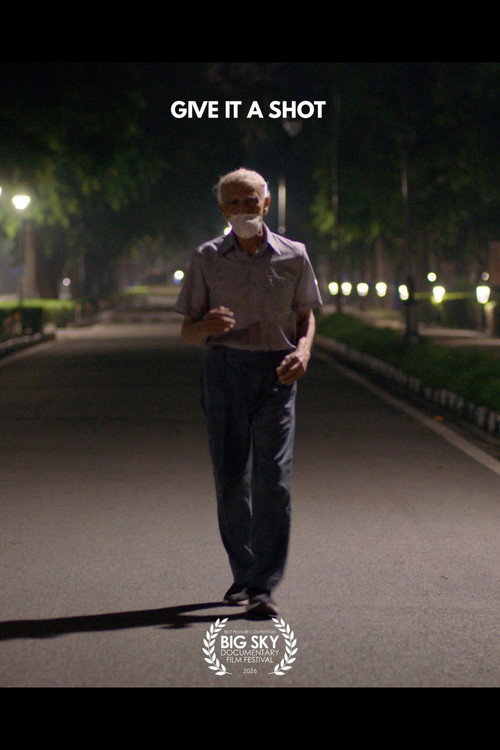
In India and the U.S., scientists are developing a new male contraceptive that could revolutionize family planning and transform women’s lives worldwide. The film follows the researchers as they strive to successfully launch a reversible male contraceptive—the first breakthrough since the modern condom was invented 200 years ago.
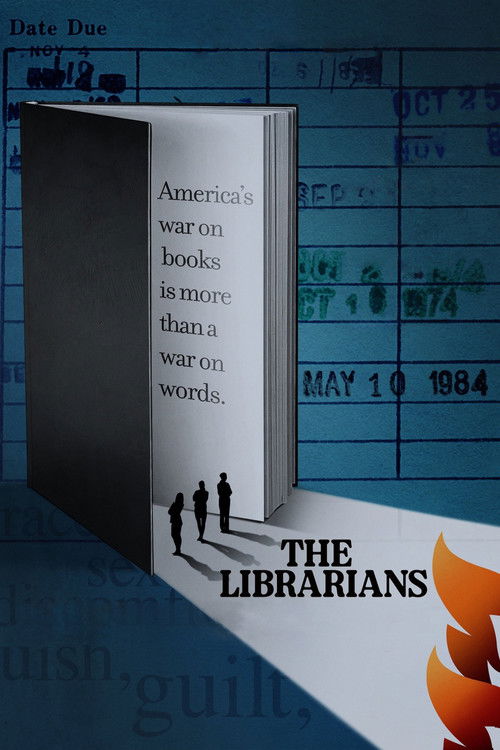
As an unprecedented wave of book banning is sparked in Texas, Florida, and beyond, librarians under siege join forces as unlikely defenders fighting for intellectual freedom on the front lines of democracy.
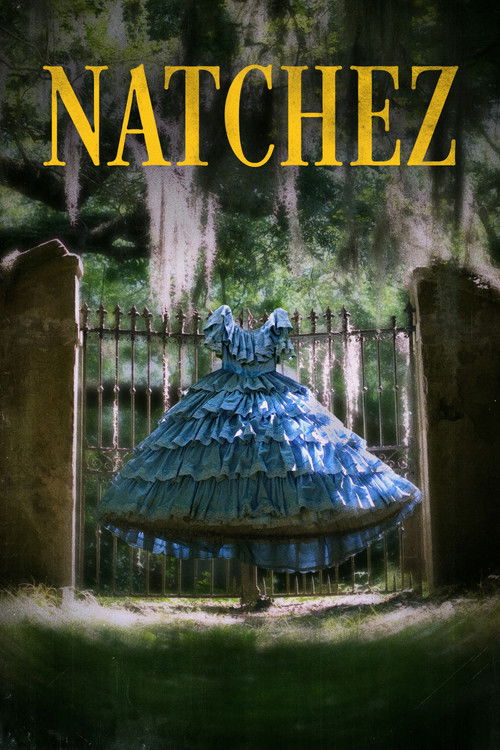
Filmmaker Suzannah Herbert takes a sharp look at the American South’s unreconciled history through a Mississippi town that mixes antebellum tourism with a community deeply divided over its past. With an unflinching lens, the film captures the debates, memories, and tensions that are building toward a reckoning.
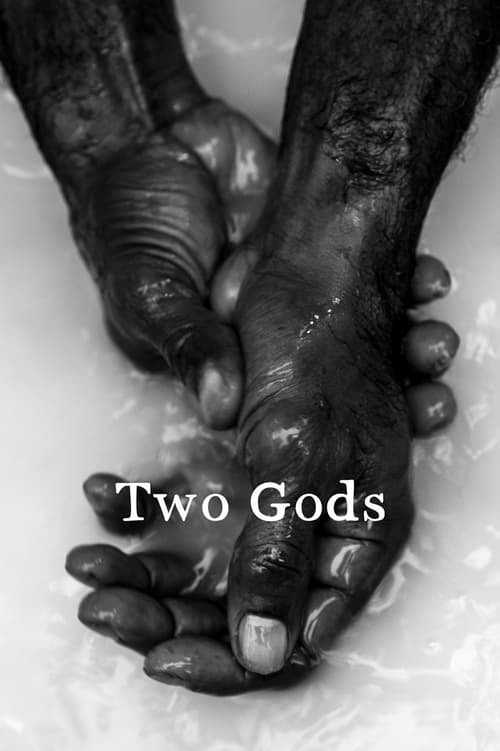
The story of a Muslim casket maker and ritual body washer in Newark, NJ who takes two young men under his wing to teach them how to live better lives.
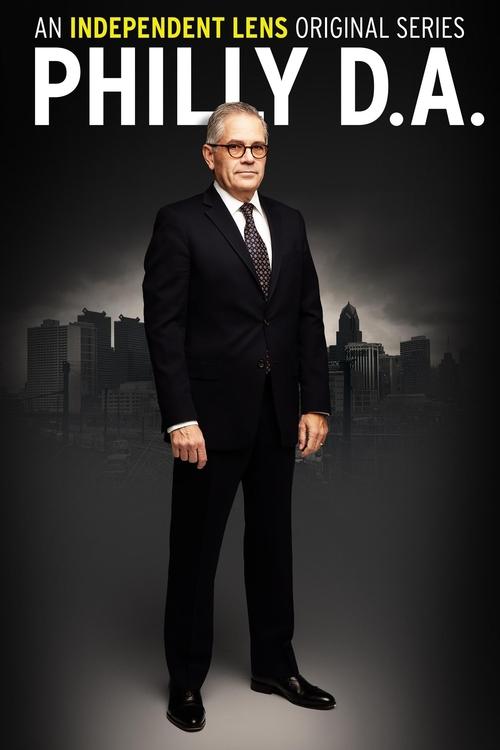
A groundbreaking inside look at the long shot election and tumultuous first term of Larry Krasner, Philadelphia's unapologetic District Attorney, and his experiment to upend the criminal justice system from the inside out.
A filmmaker revisits her evangelical roots to find connection with her estranged father.
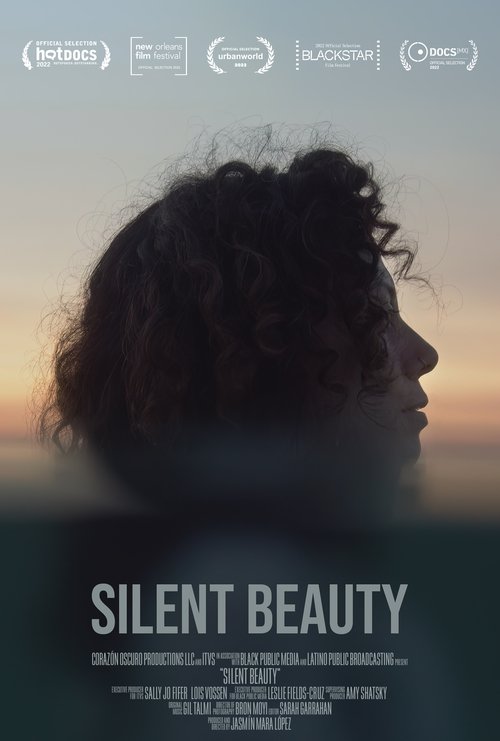
When director Jasmin Mara López sees a photo of her niece with her grandfather, she is flooded by painful memories of her own childhood sexual abuse at his hands—and the following 24 years of her silence. In this cinematically striking and poetic documentary, López bravely films her story as a willful act to accept difficult truths while finding beauty in the process of healing. As she defies the cultural silence that pervades her family and confronts her abusive grandfather, who is a Baptist minister, a world of generational abuse unfolds, and she quickly discovers she is not alone. Through archival family footage and intimate moments with her family, López has created a film about confronting painful truths and the beauty one can feel when they reach the other side of grief.
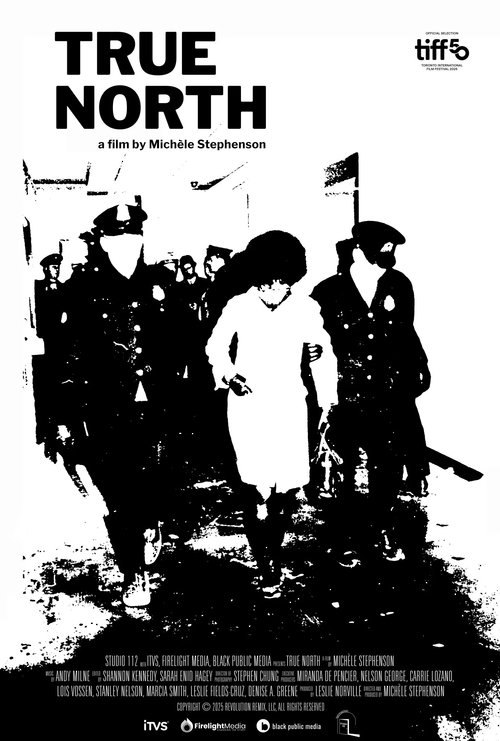
Centers on the 1969 student protests against racism at Montreal’s Concordia University and their contribution to the story of Black liberation.