Fred Kaufman
Production
Known For
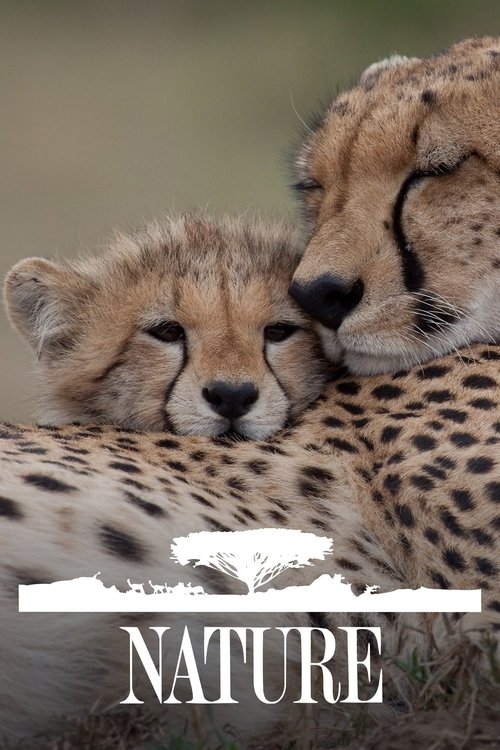
Consistently stunning documentaries transport viewers to far-flung locations ranging from the torrid African plains to the chilly splendours of icy Antarctica. The show's primary focus is on animals and ecosystems around the world. A comic book based on the show, meant to be used an as educational tool for kids, was briefly distributed to museums and schools at no cost in the mid-2000s.
Nature
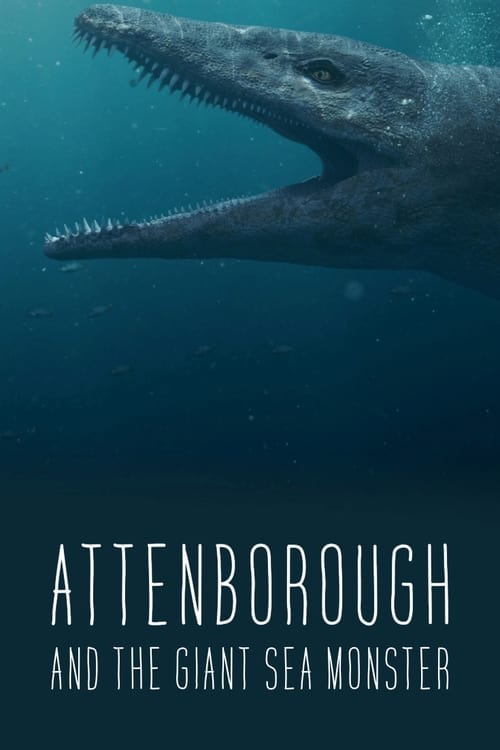
Sir David Attenborough investigates the discovery of a lifetime: the giant skull of a prehistoric sea monster, known as a pliosaur – the Tyrannosaurus rex of the seas!
Attenborough and the Giant Sea Monster
Dr Jane Goodall first began studying the chimpanzees of Gombe, Tanzania in 1960. Her pioneering work forever changed the way we understand the species. The series focuses entirely on the stories of the females of Gombe for the first time.
Matriarch
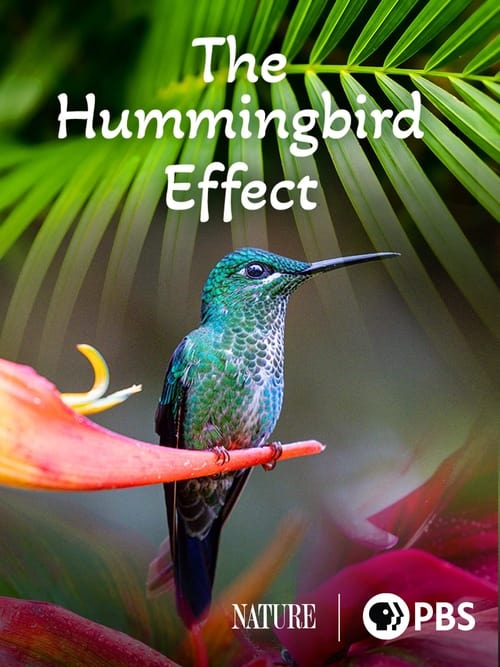
Costa Rica's motto is Pura Vida - Pure Life - and this deceptively small country is bursting with some of the most spectacular wildlife and pristine ecosystems in the world. All this diversity thrives, in part, thanks to one surprising little creature: hummingbirds. Venture across Costa Rica's wild and rugged landscapes, from volcanic peaks to coastal jungle to misty cloud forests and discover the nation's dazzling diversity of hummingbirds. Watch how these tiny birds play an outsize role in maintaining some of the richest and wildest environments on Earth, where a whole community of creatures, such as macaws and monkeys, enjoys The Hummingbird Effect.
The Hummingbird Effect

Green lights dance across a star-filled sky, and snowflakes sparkle on the trees. It is little wonder Lapland is famous as a realm of elves and flying reindeer, the magical home of Santa Claus. This northernmost region of mainland Europe, however, is a real place, with real animals such as reindeer, Great Gray owls, wolverines, eagles, wolves, musk oxen and Brown bears who live out their lives in the tundra and forest.
Santa's Wild Home
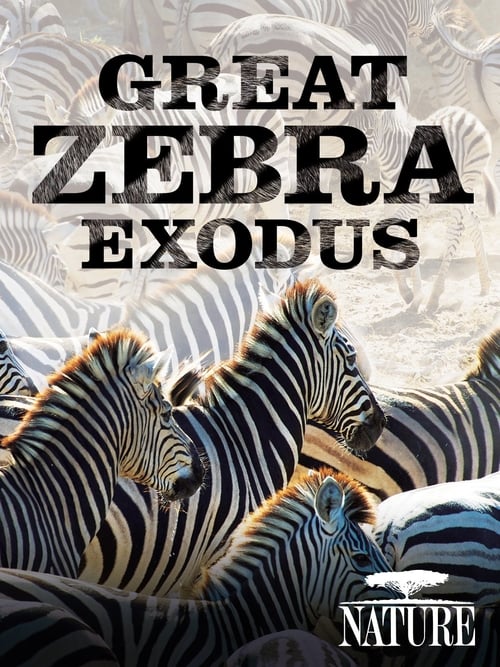
Each year, far from human eyes, a remote expanse of Botswana's Makgadikgadi salt pans hosts one of Africa's last great spectacles when thousands of striped nomads wander the breathtakingly beautiful but barren landscape. It is only by the grace of isolated summer rains that the zebras can survive here at all. Family groups gather together to follow the rains, driven by a constant search for better grazing on islands of grass that dot the pans. Meerkat families watch the zebras come and go, and families of lions wait for them along their grueling trek, hoping for a chance to bring one down. Their journey is one that is sometimes limited by the fragility of new life, but always made possible by the strong family ties that help animals survive in one of Africa's most surreal landscapes. It's a tale of loyalty and sacrifice, of home and exile, of death and new life, in southern Africa's largest zebra population.
Nature: Great Zebra Exodus
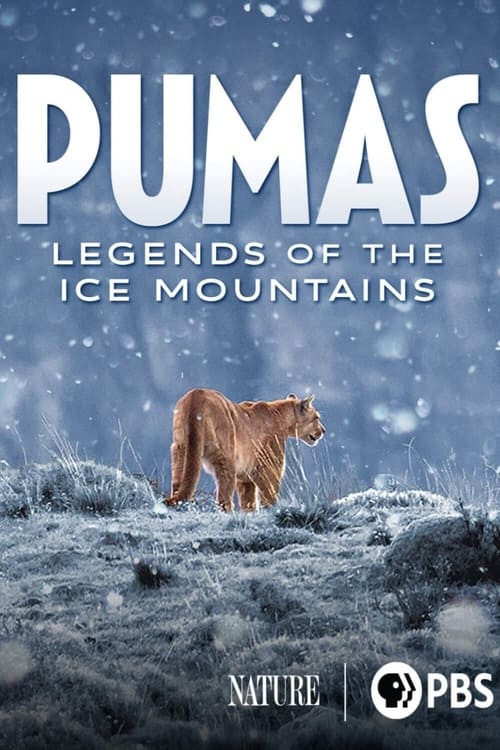
Travel to the ice mountains of Chile to discover the secrets of the puma (aka panther, mountain lion and cougar) the area's largest predator. Discover how this elusive cat survives and follow the dramatic fate of a puma and her cubs.
Pumas: Legends of the Ice Mountains
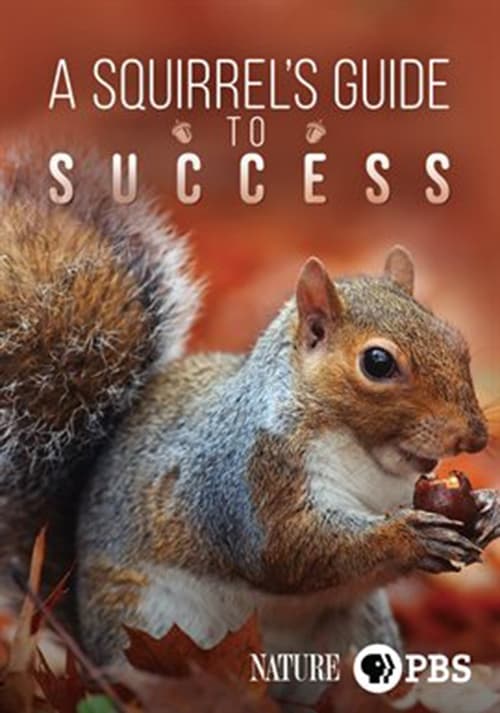
A look at the extraordinary abilities of squirrels, from the brainy fox squirrel to the acrobatic gray squirrel to the problem-solving ground squirrel.
A Squirrel's Guide to Success
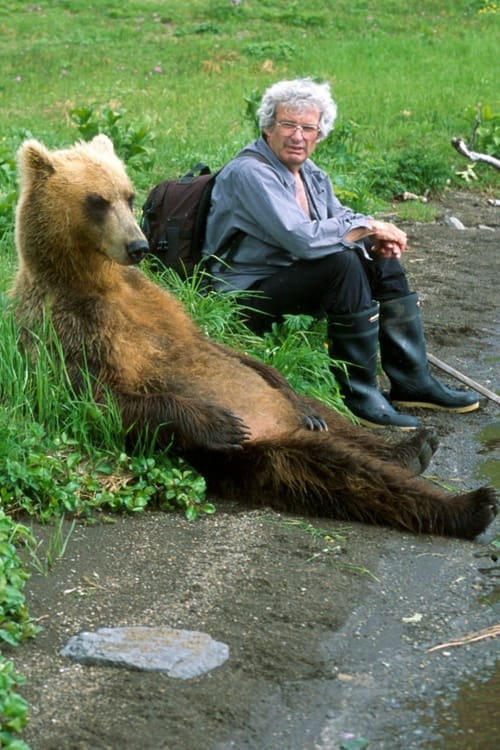
Naturalists Charlie Russell and Maureen Enns film recently discovered grizzlies on Siberia's Kamchatka peninsula.
The Grizzlies of Siberia
This installment of the series produced by the acclaimed Nature team showcases the grandeur of the Emerald Isle. Going beyond the usual travelogue, the film takes viewers to places they've never been before so they can truly appreciate the natural treasures of the country: the lush plant life; the animal families that call the country home, including peregrine falcons and dolphins; and the magnificent countryside, from the mountains to the bogs.
Ireland
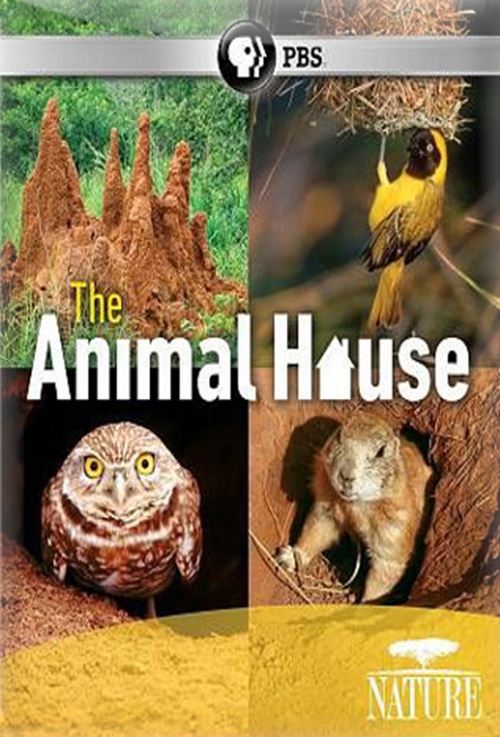
Why do some animals build structures and others don't? And how do animals decide where to build? Animal homes need to be safe and secure, protection from predators and the weather. Going above ground and under, we will investigate just what goes into making a home when you re wild and cost is not a factor.
The Animal House

An exploration of the diversity of moths and butterflies from caterpillars to larvae to chrysalis to winged flight. The documentary covers camouflage and other anti-predatory tactics along with uniqueness of different species and amazing feats and colors.
Sex, Lies and Butterflies
In the animal world, as in our own, looks aren’t everything. In fact, some of the most aesthetically challenged creatures — from warthogs and proboscis monkeys to bull elephant seals — are also the most fascinating. A stunning variety of these ghastly yet glorious forms are explored in NATURE’s The Beauty of Ugly.
The Beauty of Ugly
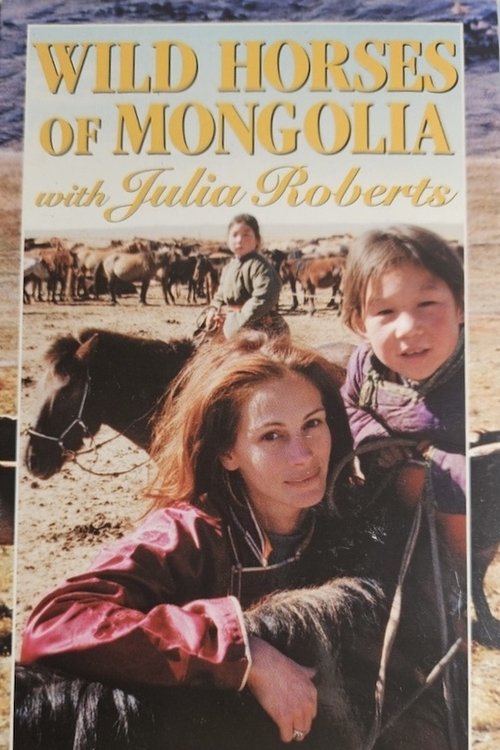
Julia Roberts, who shares a passion for horses with the people of the Mongolian steppes, accepts an invitation to spend several weeks with a nomadic family. Her journey offers a vivid portrait of these steadfast herders and their spunky steeds, the proud descendants of the last truly wild horses on earth.
Wild Horses of Mongolia with Julia Roberts
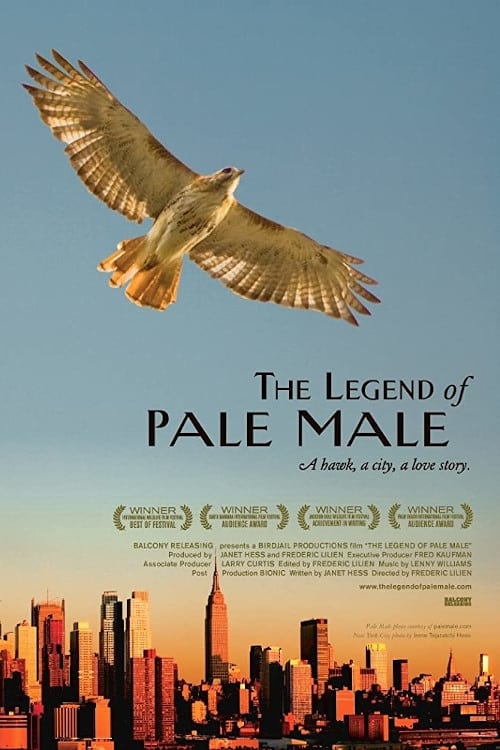
This is the true account of one of the most surprising and remarkable love stories in the history of New York. It begins in 1993, when a young man from Belgium looking to change his life has an unexpected encounter in Central Park. He meets a hawk. Not just any hawk, but a wild Redtail, a fierce predator that has not lived in the City for almost a hundred years. Compelled to follow this extraordinary creature, he buys a video camera and sets out to track the hawk.
The Legend of Pale Male
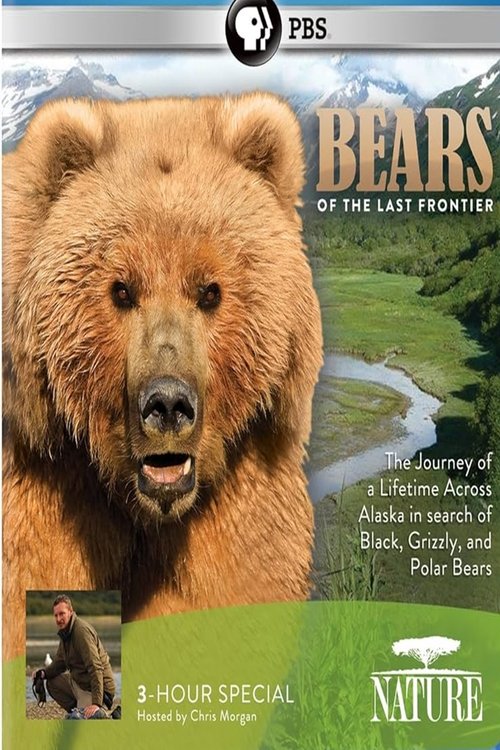
Nature joins adventurer and bear biologist Chris Morgan on a year-long motorcycle odyssey deep into Alaska's bear country to explore the amazing resiliency and adaptability of these majestic animals as they struggle to make a living in five dramatically diverse Alaskan ecosystems: coastal, urban, mountain, tundra, and pack ice.
Bears of the Last Frontier
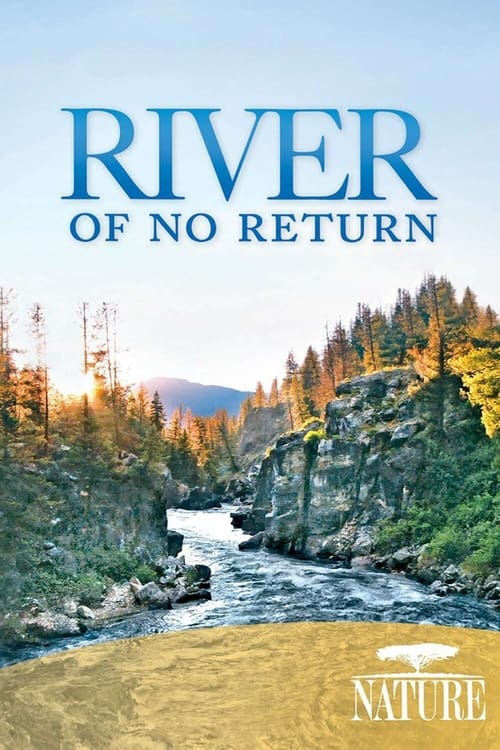
River of No Return Wilderness is the largest contiguous wilderness area in the lower 48 States. Endless rugged mountains, wild rivers, forests and deep canyons define this land, home to numerous species of wildlife, including wolves, who have just returned after 50 years of near absence. A young couple, Isaac and Bjornen Babcock, chose this wilderness for their year long honeymoon. But what begins as a romantic adventure becomes something much greater for the couple, and a tale of hope and celebration for every life trying to make it in the unforgiving heart of the wilderness.
River of No Return
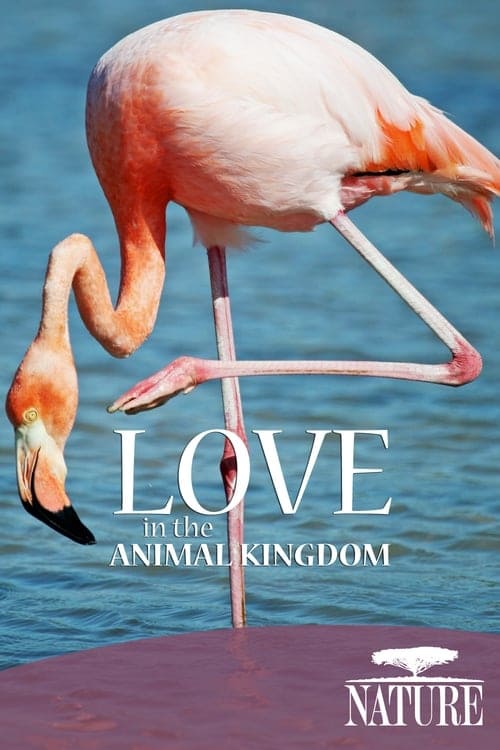
Animals dance, sing, flirt, and compete with everything they’ve got to find and secure a mate. For many, the all-important bonds they share as a couple are what enable the next generation to survive. But can we call these bonds love? In this delightful, provocative look at the love life of animals, we see the feminine wiles of a young gorilla, the search for Mr. Right among a thousand flamingos, the open “marriages” of blue-footed boobies, the soap opera arrangements of gibbons, and all the subtle, outrageous, romantic antics that go into finding a partner. These are love stories all right, as various and intriguing as the lovers themselves.
Nature: Love in the Animal Kingdom
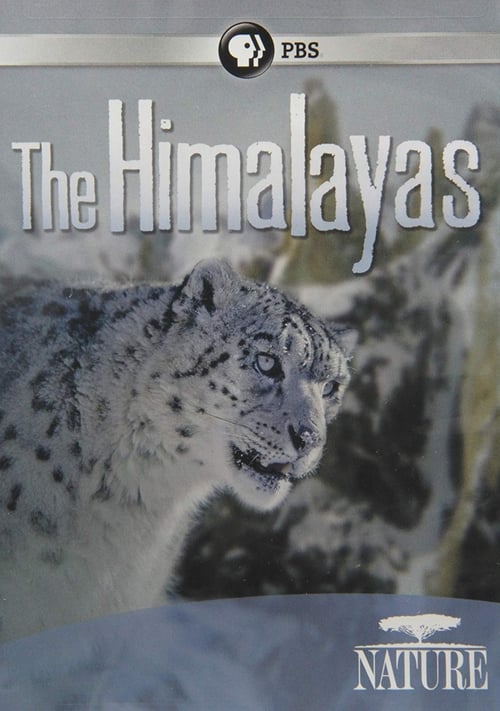
The highest mountain range in the world, the Himalayan range is far reaching, spanning thousands of miles, and holds within it an exceptionally diverse ecology. Coniferous and subtropical forests, wetlands, and montane grasslands are as much a part of this world as the inhospitable, frozen mountaintops that tower above. The word Himalaya is Sanskrit for abode of snow, fitting for a stretch of land that houses the world’s largest non polar ice masses. Extensive glacial networks feed Asia's major rivers including the Ganges, Indus, and Brahmaputra. More than a billion people rely on these glacier-fed water sources for drinking water and agriculture. The Himalayas are not only a remarkable expanse of natural beauty. They're also crucial for our survival.
The Himalayas

An examination of the extinction threat faced by frogs, which have hopped on Earth for some 250 million years and are a crucial cog in the ecosystem. Scientists believe they've pinpointed a cause for the loss of many of the amphibians: the chytrid fungus, which flourishes in high altitudes. Unfortunately, they don't know how to combat it. Included: an isolated forest in Panama that has yet to be touched by the fungus, thus enabling frogs to live and thrive as they have for eons.