Acting
Na Wspólnej is a Polish soap opera. It has been running since 2003 on the TVN channel as its flagship primetime weekday soap opera. It is loosely based on the German production Unter Uns and it follows the lives of the inhabitants of an apartment block in Wspólna Street, Warsaw. Episodes tend to last around 20 minutes. It is a Polish version of the Hungarian "Barátok közt". The series is shot almost entirely in Warsaw and produced by the Polish branch of Freemantle Media. On 9 September 2008 it celebrated its 1000th episode; "Na Wspólnej" was the fourth Polish television series ever to achieve such status. A special episode was broadcast in which characters from some other of TVN's most popular shows visited Wspólna Street.
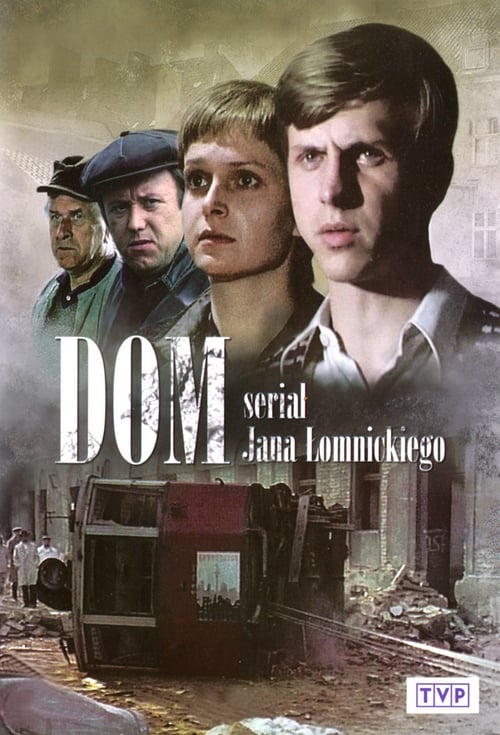
The story of the residents of a tenement house on Złota Street in Warsaw from 1945 to 1980.
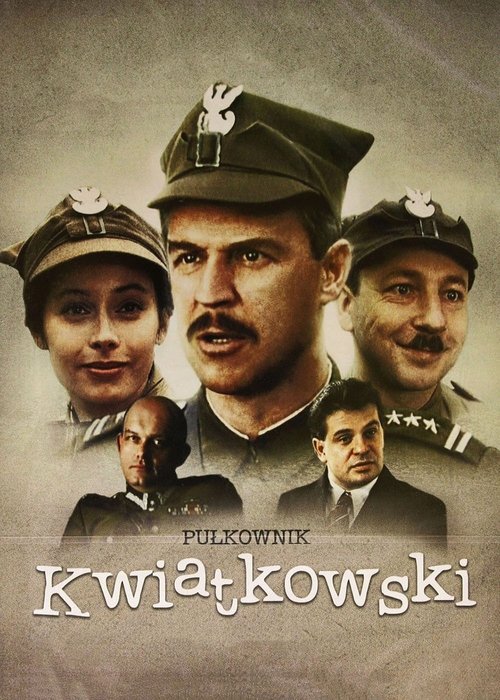
Military doctor Kwiatkowski, serving in a barracks hospital on the Western Territories, is rewarded with a week’s leave after successfully operating on Colonel Kiziora of the UB. He and his friend steal a truck bound for Warsaw, where among the ruins of his former home he meets his prewar neighbor Krysia, instantly falls in love, and, after a brawl with a Russian officer at a dance in the surviving “Polonia” hotel, pretends to be a high-ranking UB colonel to save face.
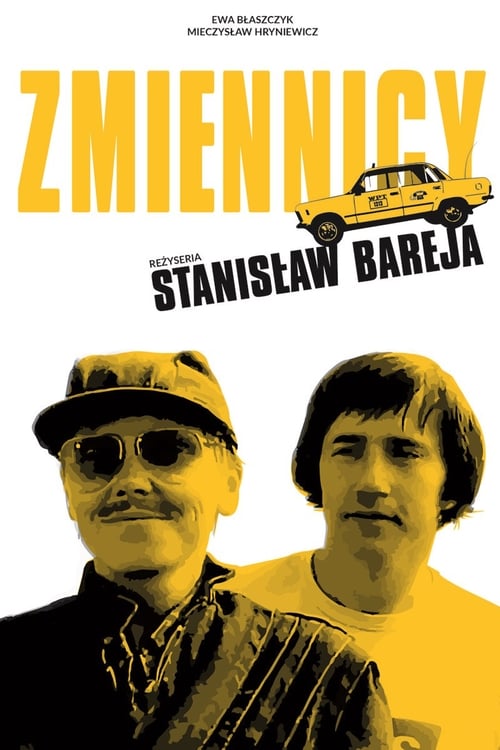
"Zmiennicy" is a grotesque comedy of absurdity and reality that masterfully blends slapstick, satire, and surrealism to expose the absurdities of life under communist rule in the People's Republic of Poland (PRL). The story follows Jacek Żytkiewicz, a taxi driver in Warsaw, and his mysterious new shift partner, Katarzyna Piórecka, who disguises herself as a man to get the job. The series is a comedy of the grotesque, filled with exaggerated characters, nonsensical bureaucracy, and surreal plot twists. It mocks the inefficiencies and contradictions of PRL institutions—from corrupt officials and inept police to bizarre workplace dynamics and social hypocrisy. Underneath the absurdity lies a thriller-like subplot: a drug trafficking operation smuggling heroin from Thailand to West Germany. This storyline, featuring shady sports officials, a Thai student, and a crooked firefighter, adds a layer of intrigue reminiscent of American crime dramas.
Marianek is an unlucky man and not successful in his affairs. At the same time, he is a dove-hearted man, sensitive to other people’s misfortunes and harm, willing to help, even at his own expense. He is always ready to solve the problems of others, although he is usually not very good at it. His favorite saying is “absolutely”.
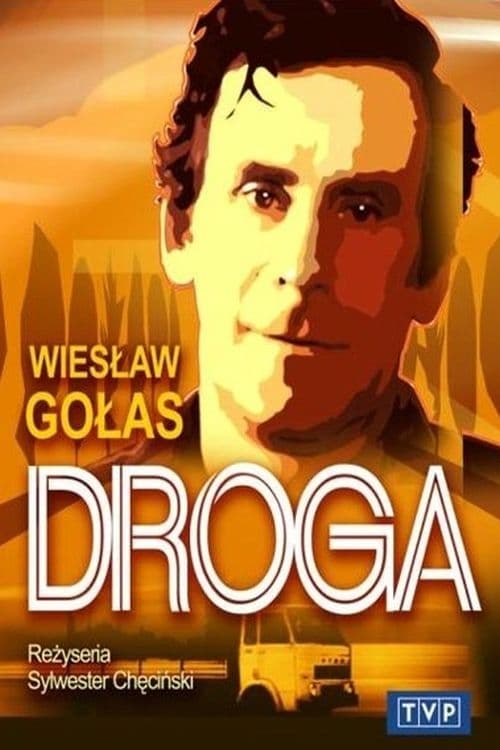
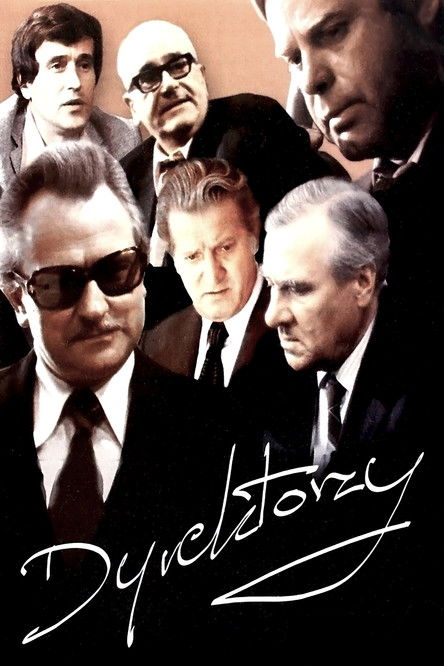
1957. Excessively high production standards imposed by the authorities result in the plan not being fulfilled, and the workers cannot imagine living normally without rewards and bonuses. A rebellion breaks out. Worker democracy wins – the working class elects a director from among its own ranks. He is an old locksmith with no managerial experience. Although he believes in the socialist spirit and has a communist past, he does not hold the position for long, as he makes promises too easily that he is unable to keep.
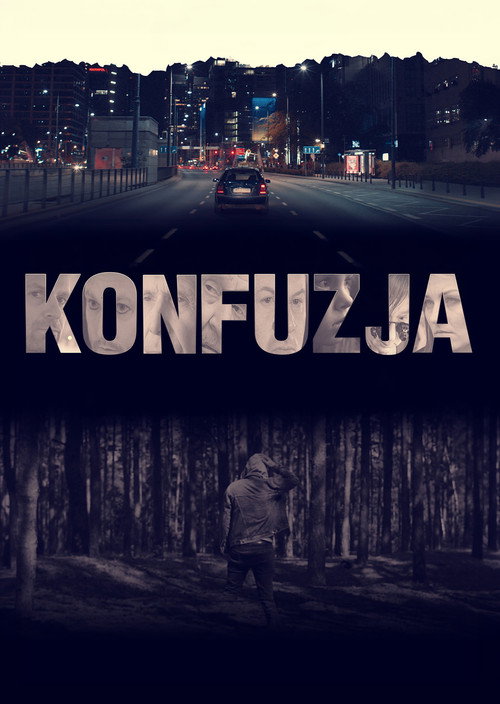
Igor is a Warsaw taxi driver who makes money by transporting drug deliveries for Butcher - a local gangster. Apart from his friend Darek, Igor has no friends. He is lonely, quiet and reserved. He makes friends with 10-year-old Julia, the daughter of Ewa, a dealer he knows, whom he sometimes takes to school. Children go missing in the area, and Igor begins to be observed by the investigating commissioner Zadra. Everything becomes more complicated when Igor is tasked with transporting two mysterious suitcases, and Ewa is found dead.
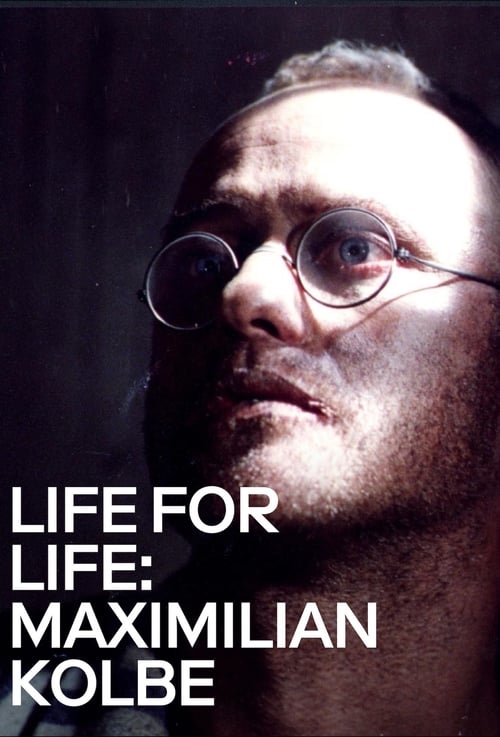
The story of catholic saint Maximilian Kolbe (1894-1941), who volunteered to die in place of a stranger in the Nazi concentration camp of Auschwitz.
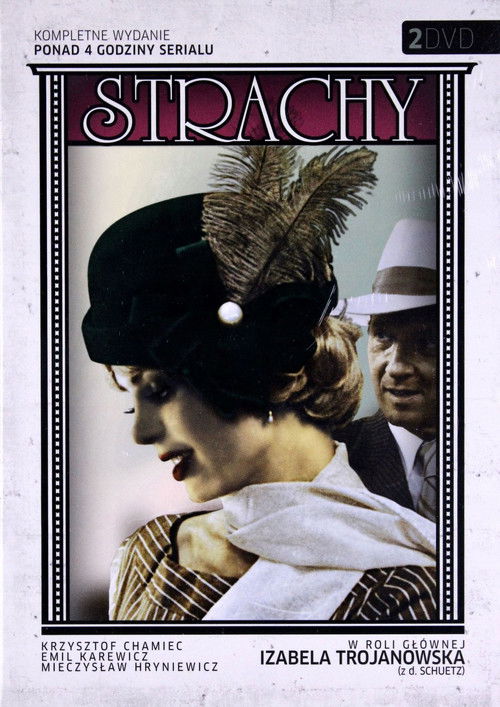
The miniseries shows in a colorful way the acting environment of Poland in the interwar period of the 20th century from behind the scenes. The main character works as a show dancer in theaters and cabarets, experiencing both professional successes and humiliating failures and poverty.
Two years after the war, during a train trip, Henryk (20) recollects the occupation period. He passes different train stations and recollects various situations from the past: his family life, working in a garage, guerrilla warfare, the fear that accompanied him every day. He’s looking at the travellers’ faces, including the ones who have survived the war.
A moral conflict between a young assistant and an associate professor arises during a university linguistics camp.
Journalist Anna is trying to make a documentary about an opposition activist she met years ago.
A young boy from the city comes to the forester Januszko, a friend of his grandfather from the war and partisans. On the spot, he meets people who amaze him. They bear the names of the heroes of the novel "Summer of Forest People" by Maria Rodziewczówna, which they readily read and love nature very much. Under their guidance, the boy gets to know the local nature and makes friends with them. He also meets a girl named Justyna.
The film is about life under the pressure of illusory misfortunes. The main character of the film - Sebastian, after the departure of his daughter, can not find himself in the surrounding community. Living in constant fear, in secret from his neighbors, he decides to take advice from a folk shaman.
No description available.
A wealthy grandfather throws a party to celebrate his grandson's First Communion. Soon the family gathering takes unexpected turns.
On the eve of the Day of the Dead, among mysterious old rituals of the Vilnius region, ghosts of the past and present start to appear.
Poland in the mid-1970s. In a small town, the student theater is preparing its premiere.
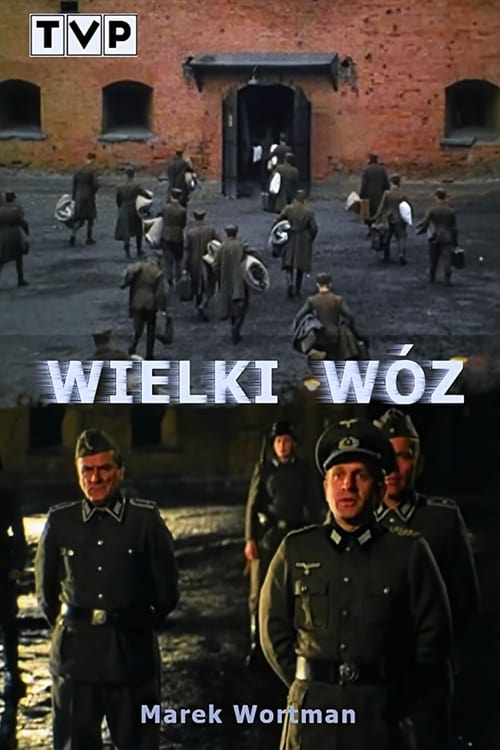
The film is based on true events. Officers locked in a POW camp make a desperate attempt to get out. A group of daredevils undertake to dig an underground tunnel through which they can escape. We learn about their moral dilemmas, solidarity and loyalty to their friends. This is especially emphasized in the last scenes of the film.